Southern Barbarians
SEE IT IN PERSON
Not currently on view
In the collection of Art Institute of Chicago, Chicago · as of July 2026
Discussion
FROM THE ART INSTITUTE OF CHICAGO’S CATALOG
<BIG>一隻の巨大なポルトガルの商船が、船員を満載し、今にも長崎港に入ろうとしている。一方、陸では、現地の人々と西洋人たちが皆一様に到着を待ち構えている。その後、右隻で描かれるように、異国人たちは、町へ向かい、宣教師を含んだ同朋の人々が作った居留地を訪れようとしている。 このようなポルトガル人の日本上陸と活動を描いた屏風は、南蛮屏風と呼ばれる。「南蛮」という語は、ポルトガル人が、マレー半島のマラッカの貿易拠点など東南アジアより航行してきたことに由来する。 屏風は、祭礼や外交使節の行列と到着などを視覚的に詳しく記録する手段であった。南蛮人の一大場面を引き立てるため、画中のポルトガル人は、かなり奇異なる存在に描かれている。当初の南蛮屏風は、実際の出来事に触発されて描かれたかもしれないが、大半の作品は、シカゴ美術館の作品のように、必ずしも特定の出来事を描いたものでないことを留意すべきである。</BIG> A large Portuguese trading ship ( nao ) with a full crew draws near to land, about to dock as locals and Westerners alike await its arrival at the port of Nagasaki on Japan’s southernmost island of Kyushu. Later, as depicted on the right screen, the foreigners have made their way into town and are about to call at the settlement set up there by their fellow countrymen, many of whom were Christian missionaries. Such screens—presenting the arrival and activity of the Portuguese in Japan—are known as namban (southern barbarian) screens, the term applied to these visitors ever since they first came to Japan from their Southeast Asian trading bases, some as far away as Malacca on the Malay Peninsula. Because screens were the primary way to record the visual details of festivals
Be the first to share your thoughts.
Sign in to join the discussion.
More by Artist unknown Japanese


More like this
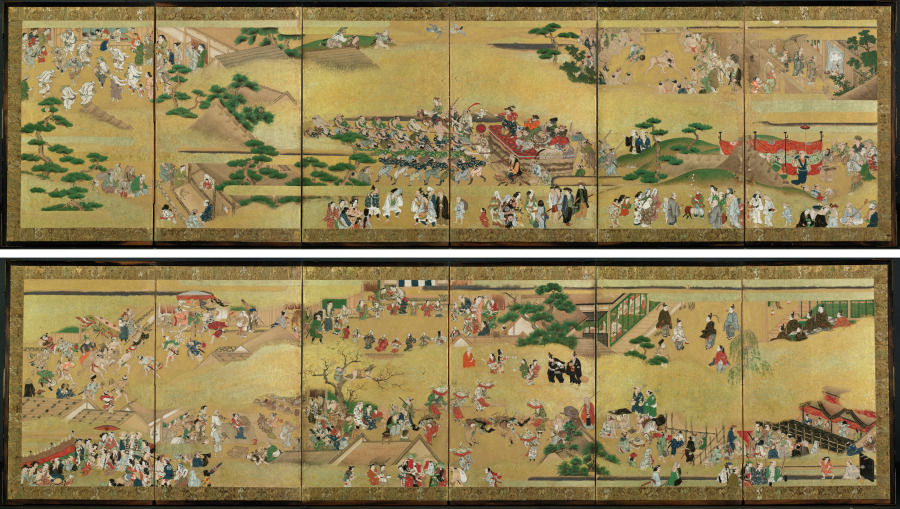 Festival Scenes
 Artist Unknown
Japanese — The Tale of Genji
Artist Unknown
Japanese — The Tale of Genji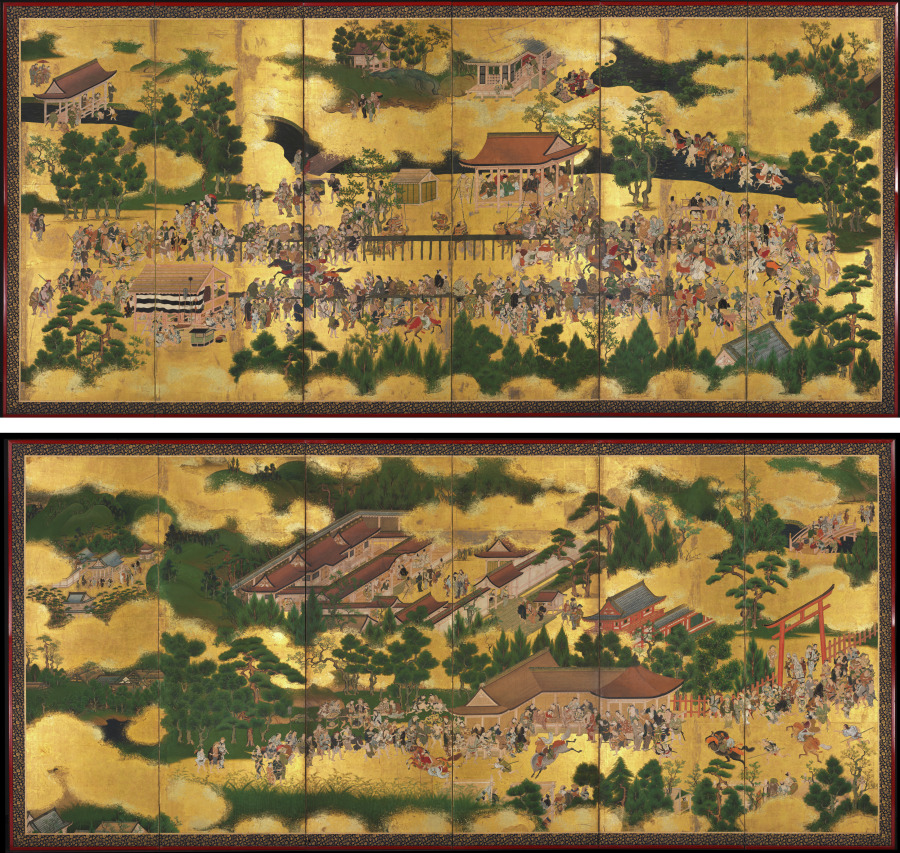 Horse Race at the Kamo Shrine
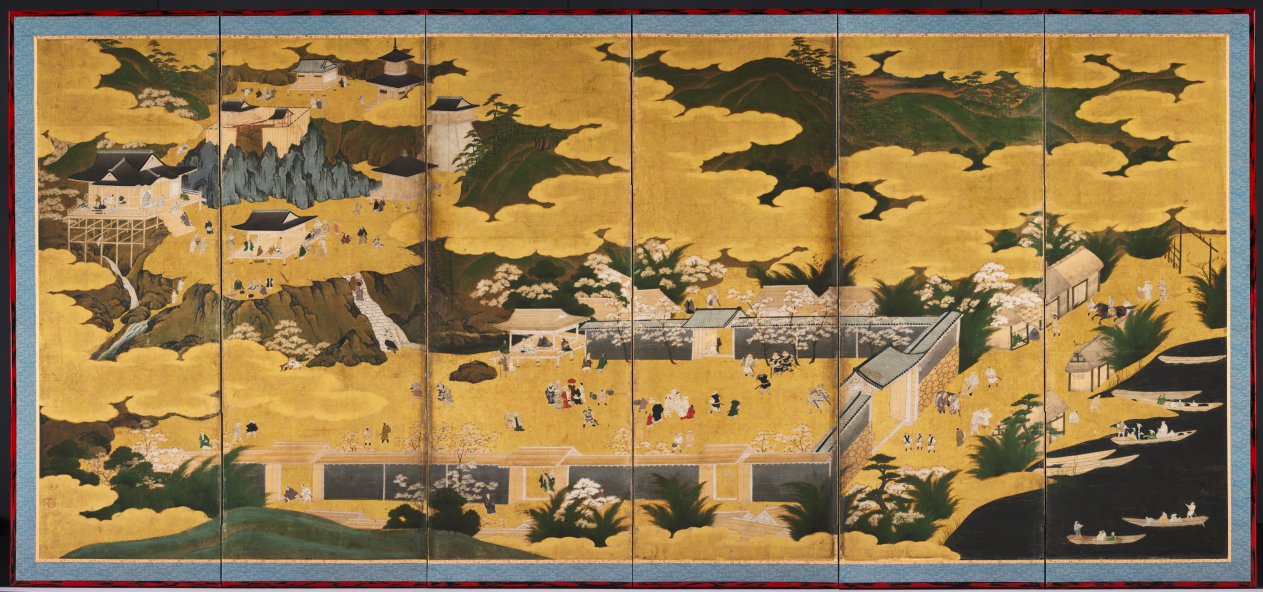 Famous Views of Ōmi
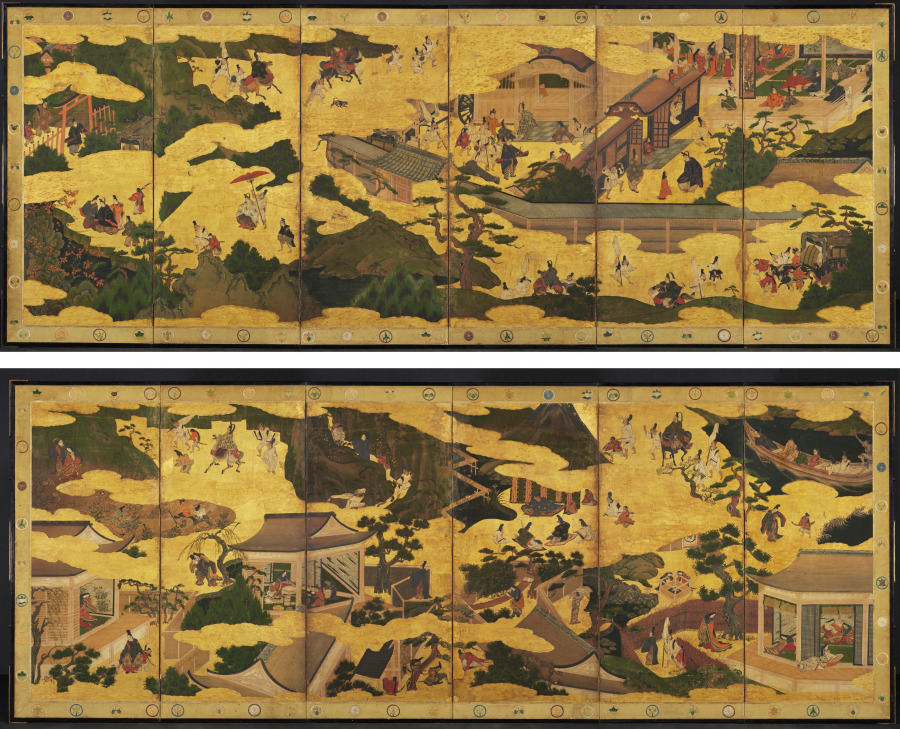 Scenes from the Tales of Ise
 Artist Unknown
Japanese — The Tale of Genji
Artist Unknown
Japanese — The Tale of Genji Scenes from the Tales of Ise
 Oeyama Engi
 Tosa Mitsuyoshi — 源氏物語図屏風 (胡蝶)|“Butterflies”
 Scenes from the Tale of Genji
 Scenes from the Tales of Ise
 Scenes from the Tale of Genji