Who Was Katsushika Hokusai, the Man Behind "The Great Wave"?
He made his most famous image in his seventies — and claimed he was only getting started.
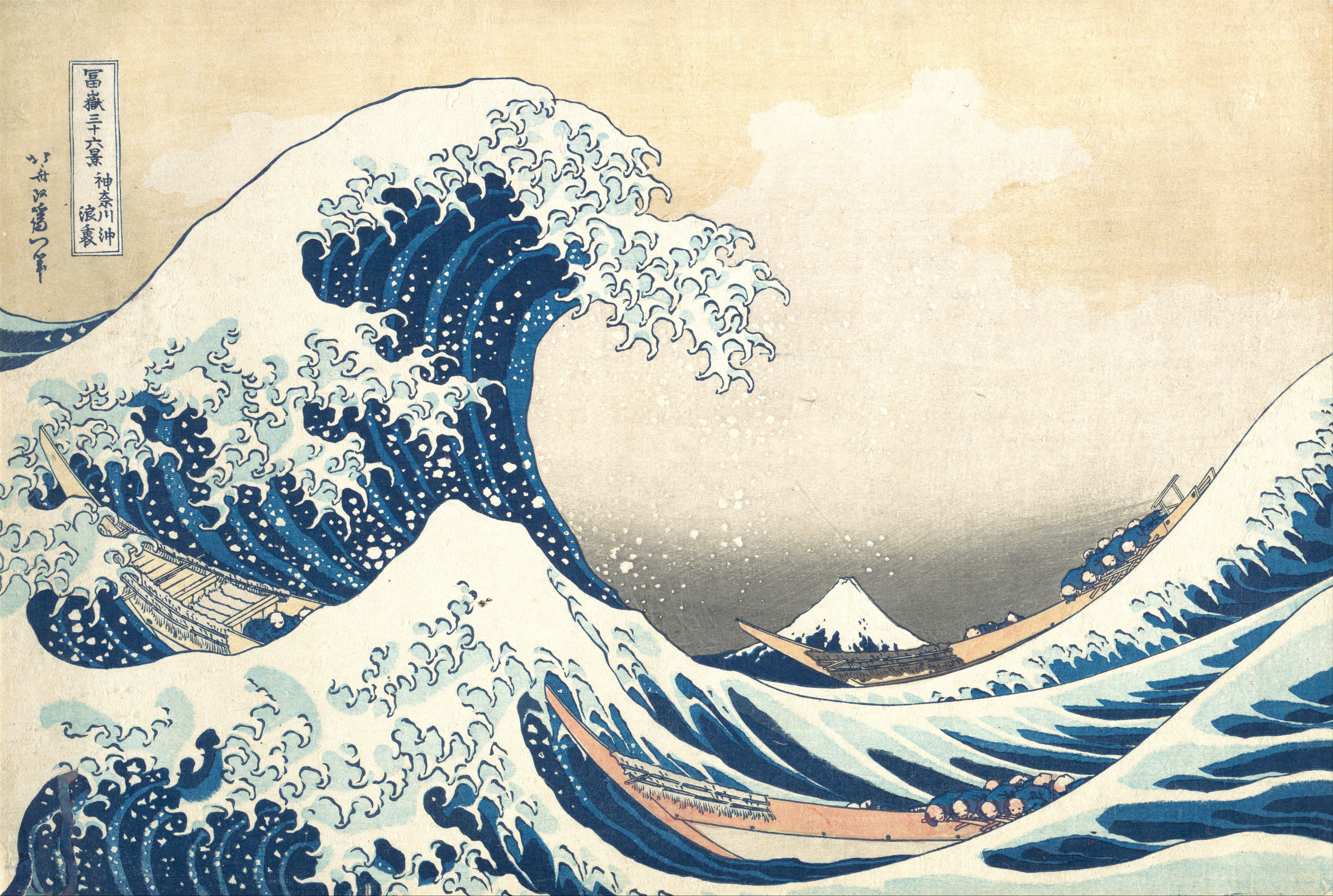
Katsushika Hokusai (1760–1849) was a Japanese ukiyo-e artist, the creator of "The Great Wave off Kanagawa" and the series "Thirty-Six Views of Mount Fuji." A relentless, endlessly reinventing draftsman who worked into his late eighties, he shaped Japanese printmaking and later stunned European artists, feeding directly into Impressionism.
The most recognizable wave in the world was made by a man in his seventies who still felt he had everything left to learn. Katsushika Hokusai produced "The Great Wave off Kanagawa" late in a long, restless career, and by his own account he expected his best work to come later still.
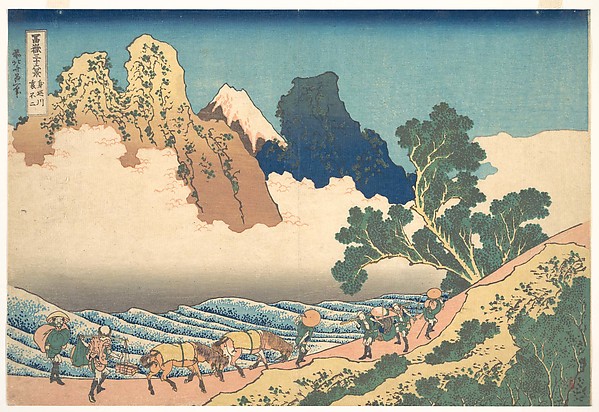
What is "The Great Wave"?
It is a color woodblock print, made around 1830–1832, and the opening image of Hokusai's series "Thirty-Six Views of Mount Fuji." A towering wave rears over three slender boats, its foam breaking into finger-like tips, while Mount Fuji — the actual subject of the series — sits small and steady on the horizon.
That switch is the quiet joke of the picture: the mountain everyone came to see is dwarfed by a passing swell. Hokusai gives you scale, danger, and stillness all at once, which is part of why the image has never stopped traveling.
How were these prints made?
They were team-made objects, not one-off originals. A ukiyo-e print — the phrase means "pictures of the floating world" — passed through several hands: the artist drew the design, a carver cut the woodblocks, a printer inked and pressed each color, and a publisher financed and sold the results.
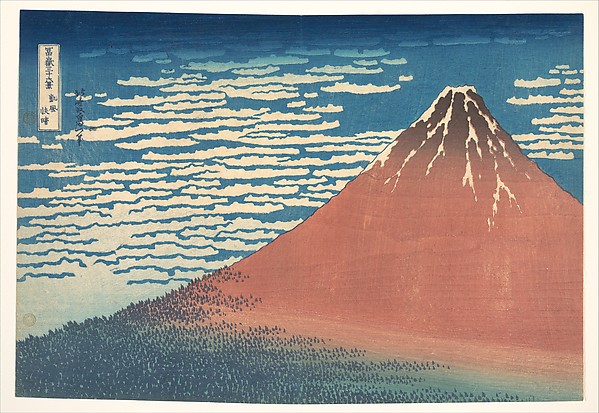
Because the blocks could be reprinted, many impressions of "The Great Wave" exist, which is why you can see it in museums around the world at once. That collaborative, commercial process is the whole story of the medium — worth reading in full in what is ukiyo-e. Hokusai also worked on other views in the series, including the serene red-toned summit often called "Red Fuji."
Why did he matter to Western art?
Because his prints helped light the fuse of modern European painting. When Japan reopened to trade in the mid-1800s, prints like Hokusai's flooded into Europe and set off a craze the French called Japonisme — a hunger for Japanese design, flatness, and bold cropping.
Monet, Degas, and Van Gogh all collected Japanese prints and studied them closely. The compressed space, the daring angles, the confidence to leave things out — much of what feels fresh in Impressionism owes a debt to draftsmen like Hokusai. You can see a deep run of his prints at The Metropolitan Museum of Art.
Hokusai reportedly signed some late works "the old man mad about painting," and it fits. Spend a while with his prints on DiscoverArt and you feel that hunger to keep looking, keep drawing, keep starting over.
Sources
Discussion
Be the first to share your thoughts.
Sign in to join the discussion.