What Is Ukiyo-e? Japanese Woodblock Prints Explained
“Pictures of the floating world” — mass-produced, wildly popular, and quietly revolutionary.
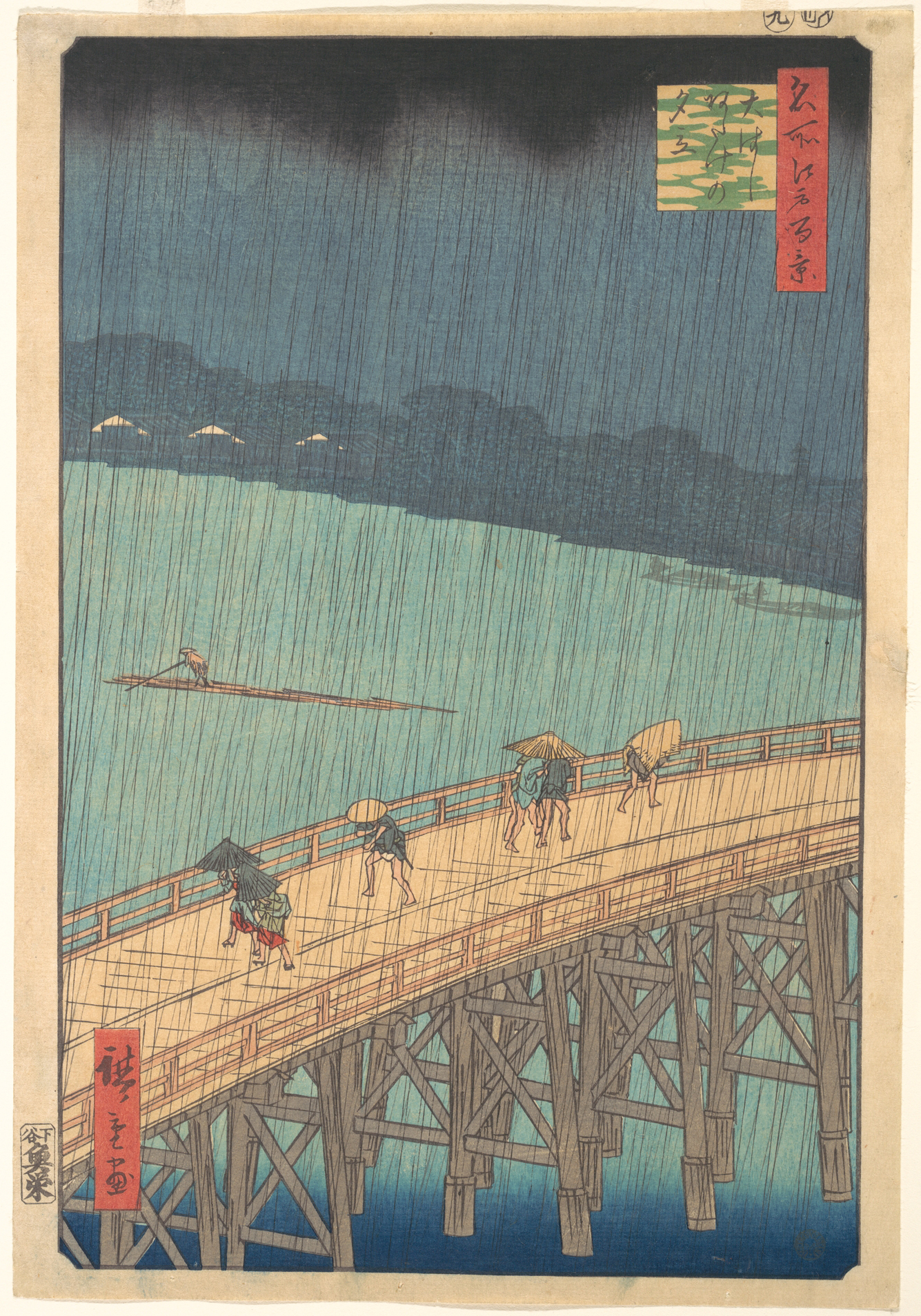
Ukiyo-e (“pictures of the floating world”) is a genre of Japanese woodblock prints and paintings that flourished from the 17th to 19th centuries. Affordable and popular, they depicted landscapes, actors, and everyday pleasures. Masters like Hokusai and Hiroshige made images — including “The Great Wave” — that later transformed European art through the craze known as Japonisme.
You almost certainly know one ukiyo-e print already: a towering blue wave, its claws of foam curling over tiny boats, with Mount Fuji small in the distance. That image, Katsushika Hokusai's The Great Wave, is one of the most reproduced pictures on earth — and it belongs to a Japanese art form that was, in its own time, cheap, popular, and made by the thousand.
How were ukiyo-e prints made?
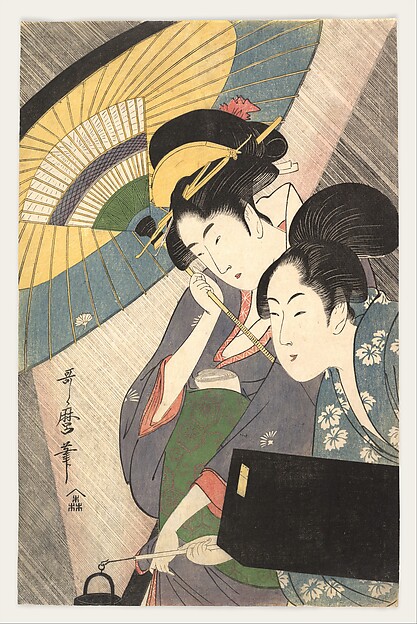
Ukiyo-e prints were made by a team, not a lone artist. Four people shared the work: the artist drew the design; the carver cut it into blocks of cherry wood, one block for each color; the printer inked the blocks and pressed the paper by hand; and the publisher financed and sold the finished sheets.
Because the image lived in carved blocks rather than a single canvas, one design could yield hundreds or thousands of nearly identical prints. That is why ukiyo-e was affordable enough for ordinary townspeople to buy — it was closer to publishing than to what the West thought of as fine art.
What did they depict?
They depicted the "floating world" — the fleeting, fashionable pleasures of Japan's booming cities. The phrase ukiyo originally carried a Buddhist sense of life's impermanence, but by the 1600s it had taken on a lighter meaning: living for the moment, for entertainment and beauty.
Prints celebrated exactly that world:
- Kabuki actors in famous roles, the celebrity posters of their day.
- Beautiful women of the teahouses and pleasure districts.
- Travel and landscape — famous views, roads, and weather.
- Sumo wrestlers, ghosts, legends, and scenes of daily city life.
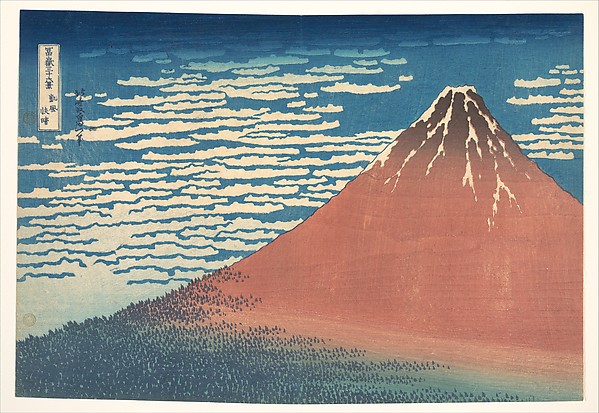
Landscape became a great late theme, above all in Hokusai's views of Mount Fuji and in Utagawa Hiroshige's atmospheric scenes of rain, snow, and travelers on the road.

How did they influence Western art?
They reshaped Western art through a wave of enthusiasm the French called Japonisme. When Japan reopened to trade in the mid-19th century, these prints reached Europe — sometimes, as the story goes, as wrapping paper around imported goods — and landed among artists hungry for something new.
The Impressionists and their heirs were transfixed. Claude Monet filled his house at Giverny with prints, Edgar Degas borrowed their daring off-center compositions, and Vincent van Gogh copied Hiroshige outright. The flat color, bold cropping, and everyday subjects of ukiyo-e helped push European painting toward the modern.
You can see many of these prints in person at the Metropolitan Museum of Art, and read more about the artist behind the wave in who was Katsushika Hokusai. Or start closer to hand — react to a few prints on DiscoverArt and let the floating world pull you in.
Sources
Discussion
Be the first to share your thoughts.
Sign in to join the discussion.