In the collection of The Metropolitan Museum of Art, New York — check current display status with the museum.
Be the first to share your thoughts.
Sign in to join the discussion.
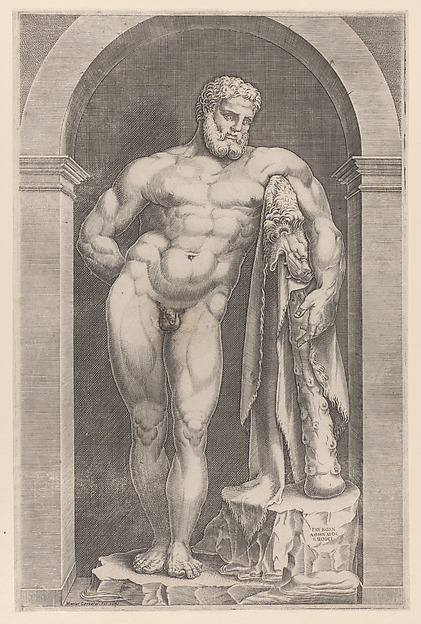 Mario Cartaro|Giorgio Ghisi — Farnese Hercules
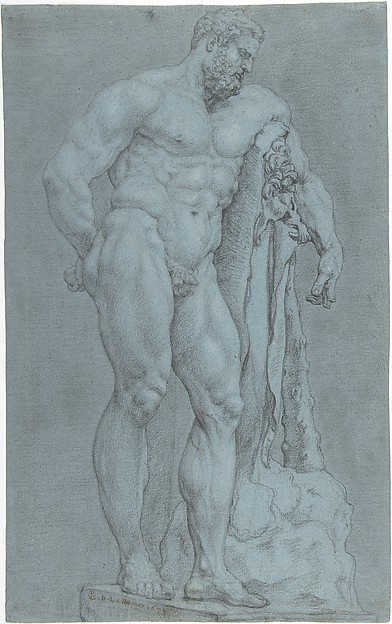 Peter van Lint — The Farnese Hercules
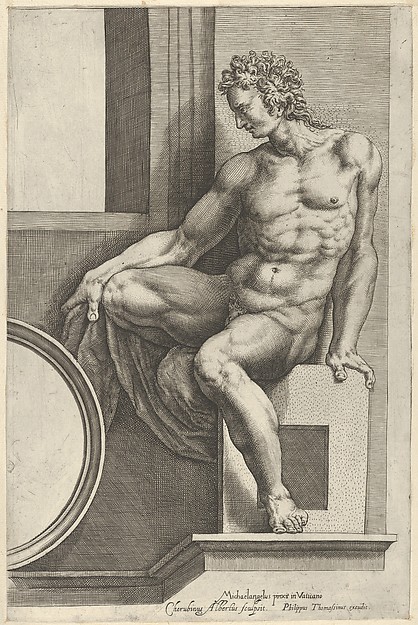 Cherubino Alberti (Zaccaria Mattia)|Michelangelo Buonarroti|
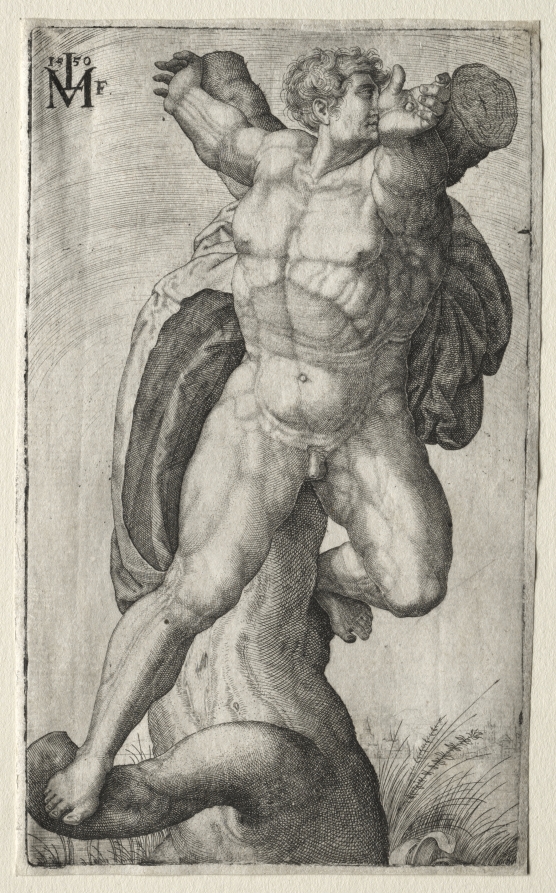 Melchior Lorck (Danish, 1526/27–after 1588) — Crucified Man
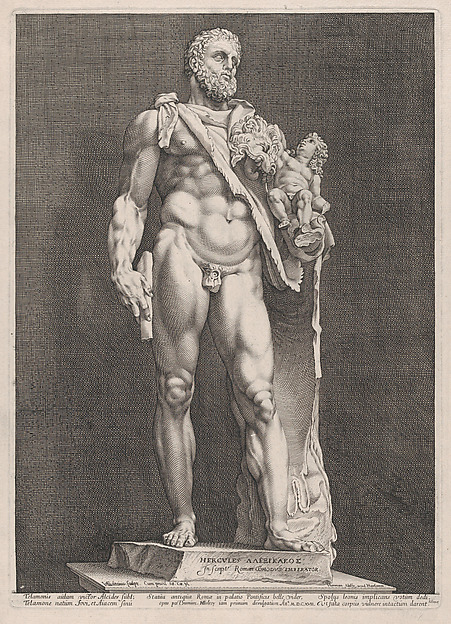 Hendrick Goltzius — The Emperor Commodus as Hercules
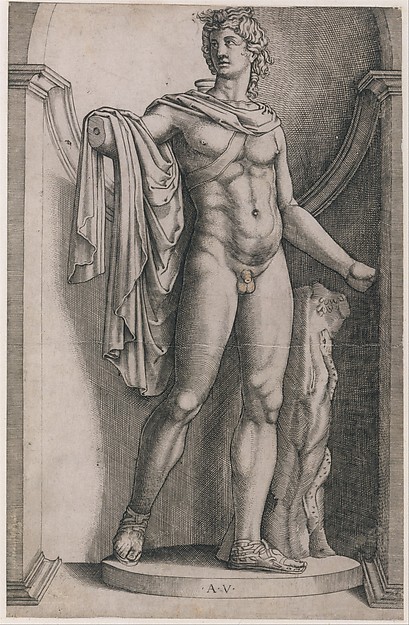 Agostino Veneziano (Agostino dei Musi) — Speculum Romanae Ma
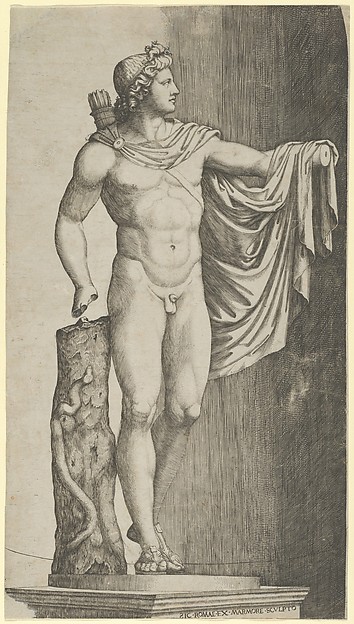 Marcantonio Raimondi — The Apollo Belvedere from the Vatican
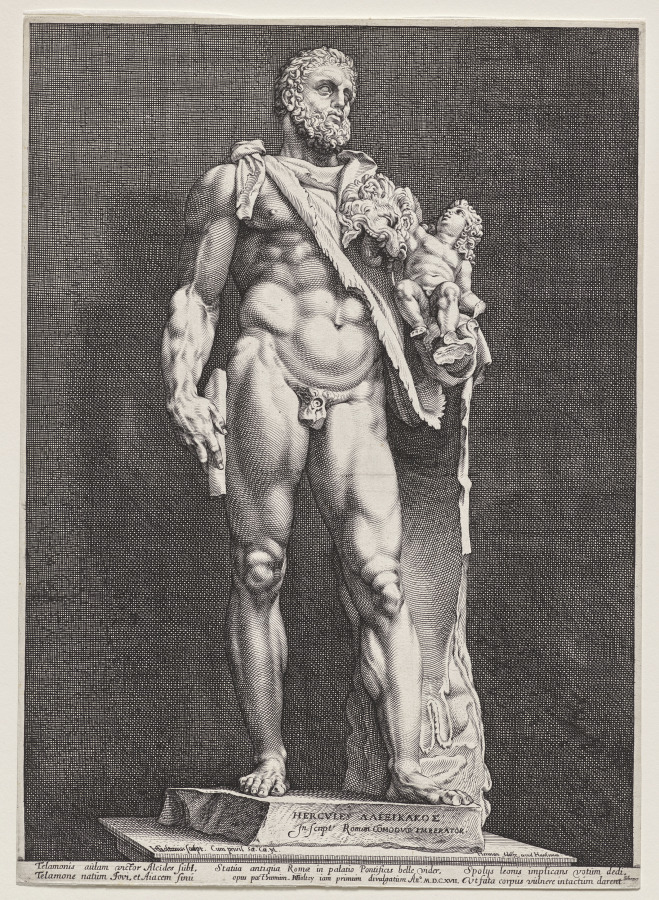 Hendrick Goltzius (Dutch, 1558–1617) — Hercules and Telephos
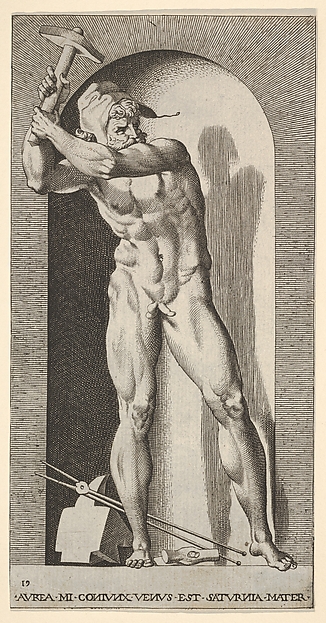 Giovanni Jacopo Caraglio|Rosso Fiorentino — Plate 19: Vulcan
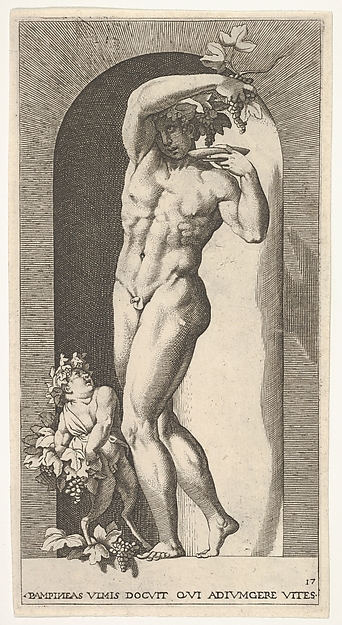 Giovanni Jacopo Caraglio|Rosso Fiorentino — Plate 17: Bacchu
 Anselm Feuerbach — Seated Male Nude; verso, Male Nude Walkin
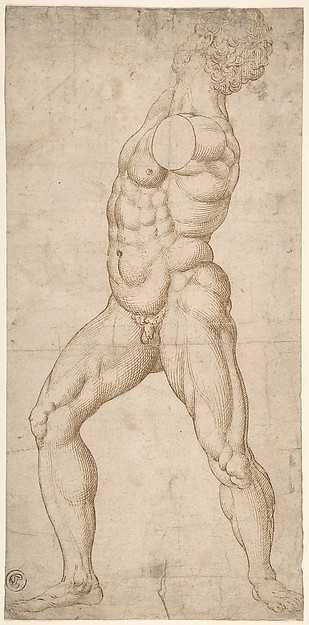 Anonymous, Netherlandish, 16th century — Study of a Standing