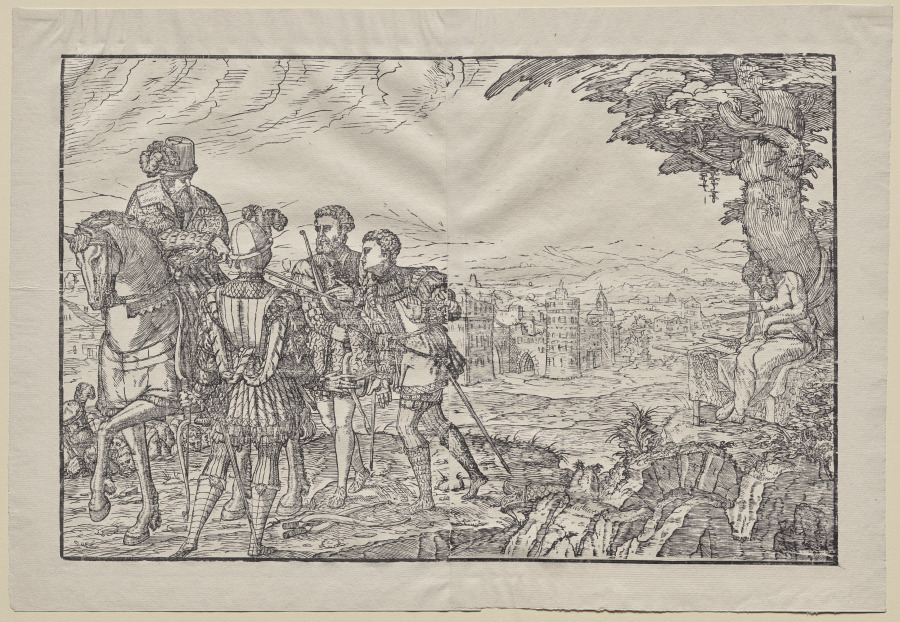
In the collection of Cleveland Museum of Art, Cleveland — check current display status with the museum.
FROM THE CLEVELAND MUSEUM OF ART’S CATALOG
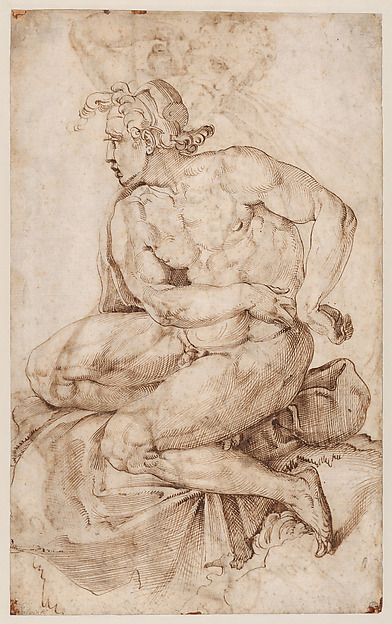
In this print Danish artist Melchior Lorck isolated the figure of the Old Testament villain Haman from Michelangelo’s Sistine Chapel ceiling. Lorck may have seen it in person, or in a print or drawing. He rendered the musculature and outline carefully, but less successful were his grasp of the figure’s foreshortening (the rendering of a figure in perspective), and the proportions of the body in relation to the head. Artists working outside Italy around 1550 still did not generally sketch from live models, nor did they directly study anatomy, which may explain Lorck’s awkward reconciliation of the form.
Be the first to share your thoughts.
Sign in to join the discussion.
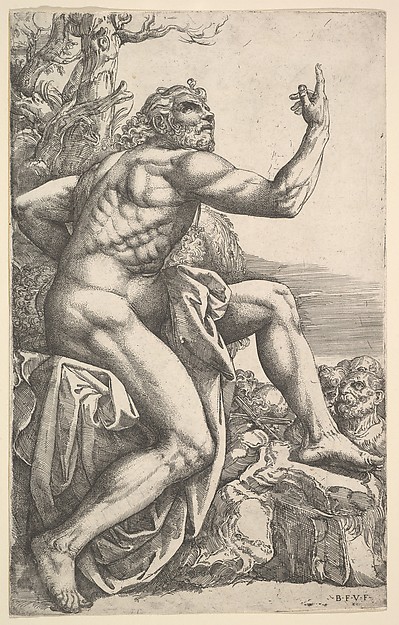 Battista Franco — John the Baptist Preaching in the Wilderne
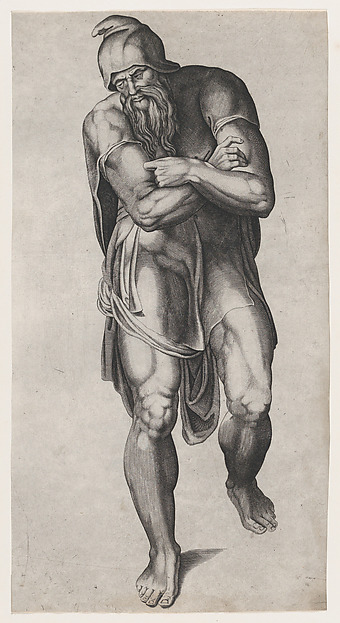 Nicolas Beatrizet|Michelangelo Buonarroti — Joseph of Arimat
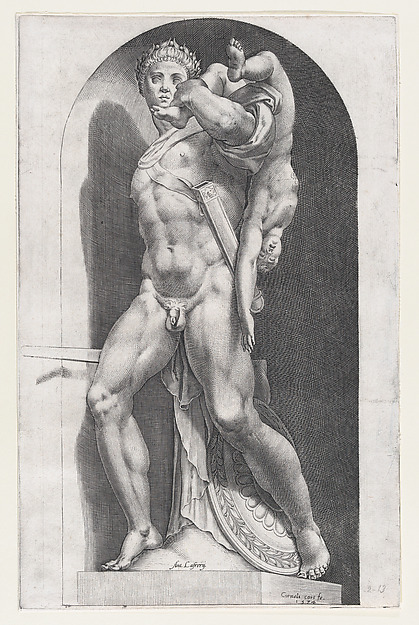 Cornelis Cort|Antonio Lafreri|Anonymous — Speculum Romanae M
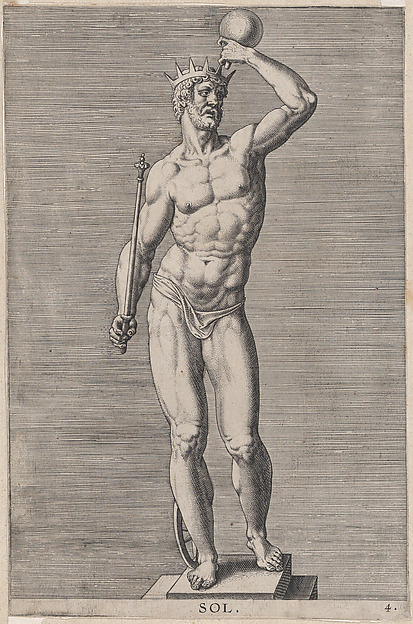 Philips Galle|Jacques Jonghelinck|Philips Galle — Plate 4: A
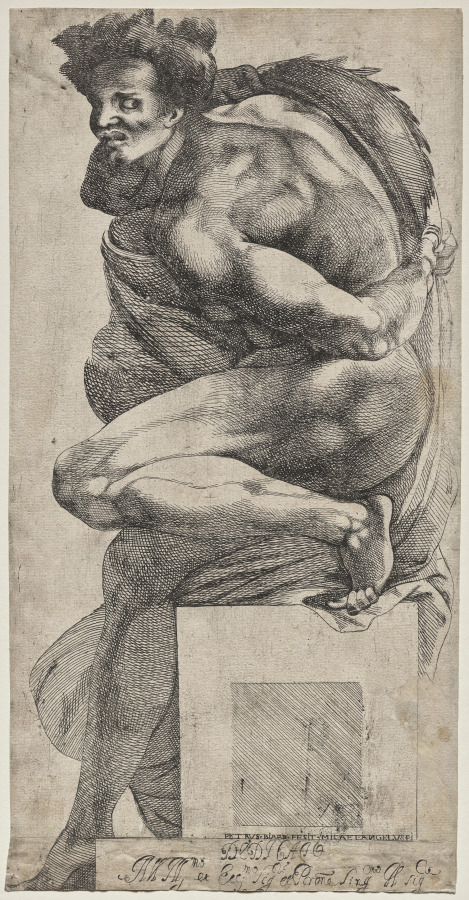 Pierre Biard the Younger (French, 1592–1661) — Ignudo (after
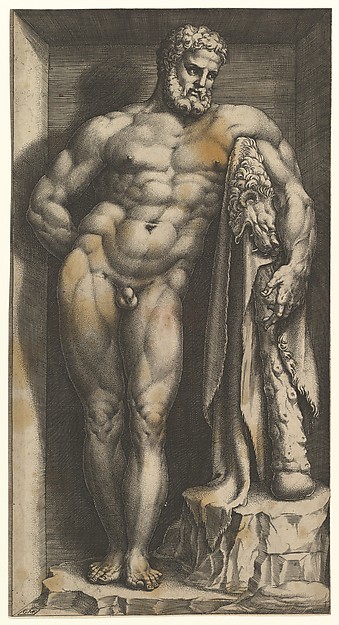 Giorgio Ghisi — The Farnese Hercules
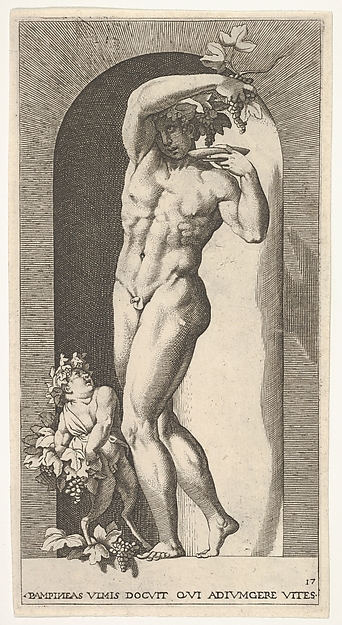 Giovanni Jacopo Caraglio|Rosso Fiorentino — Plate 17: Bacchu
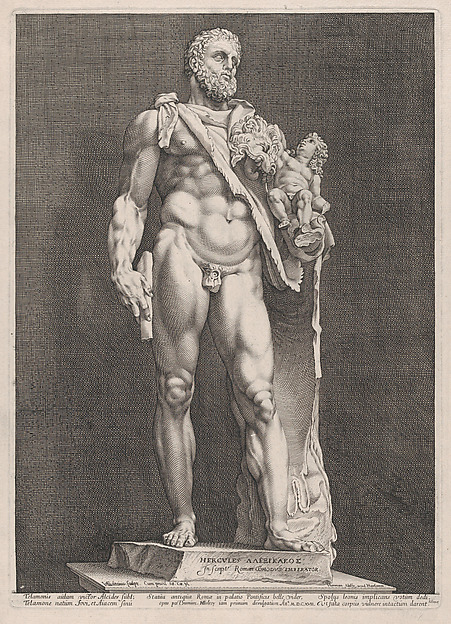 Hendrick Goltzius — The Emperor Commodus as Hercules
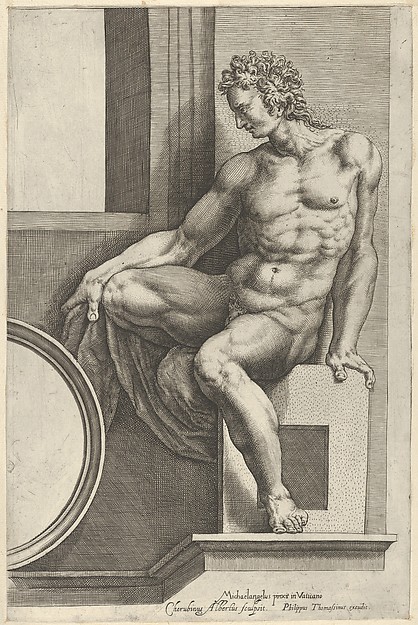 Cherubino Alberti (Zaccaria Mattia)|Michelangelo Buonarroti|
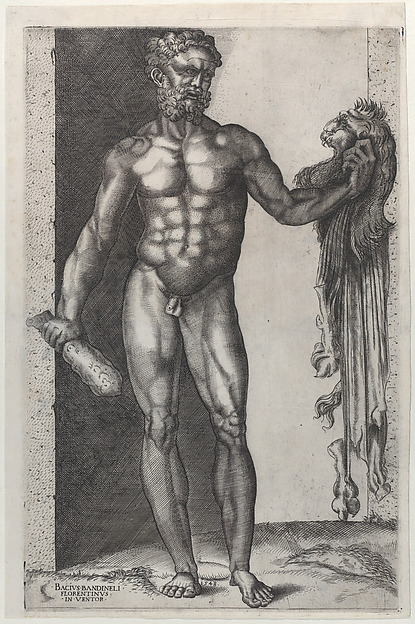 Baccio Bandinelli|Anonymous, 16th century — Hercules with hi
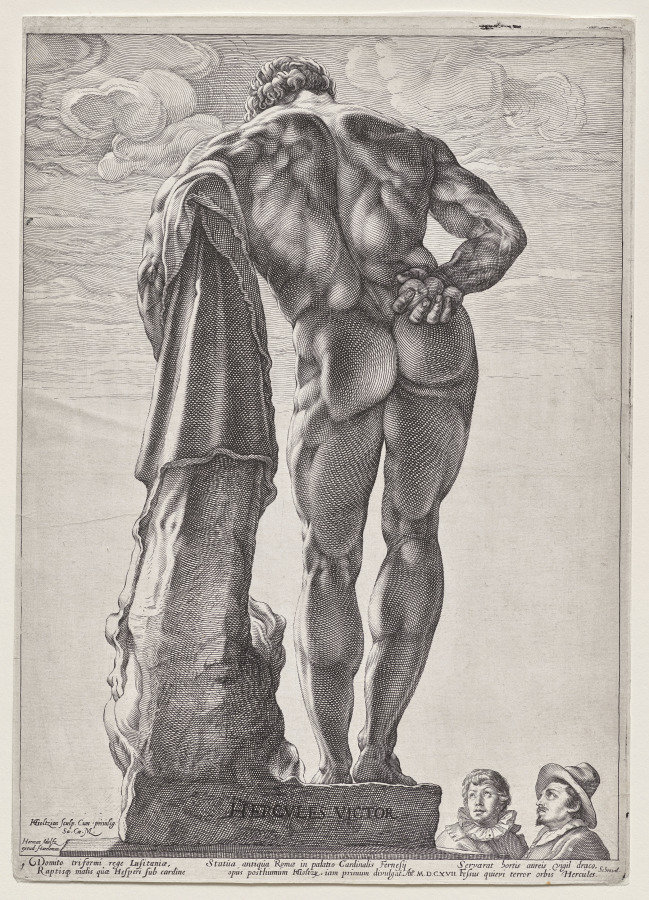 Hendrick Goltzius (Dutch, 1558–1617) — The Farnesian Hercule
 Francesco Salviati (Francesco de' Rossi) — Seated Nude Youth