In the collection of Cleveland Museum of Art, Cleveland — check current display status with the museum.
FROM THE CLEVELAND MUSEUM OF ART’S CATALOG
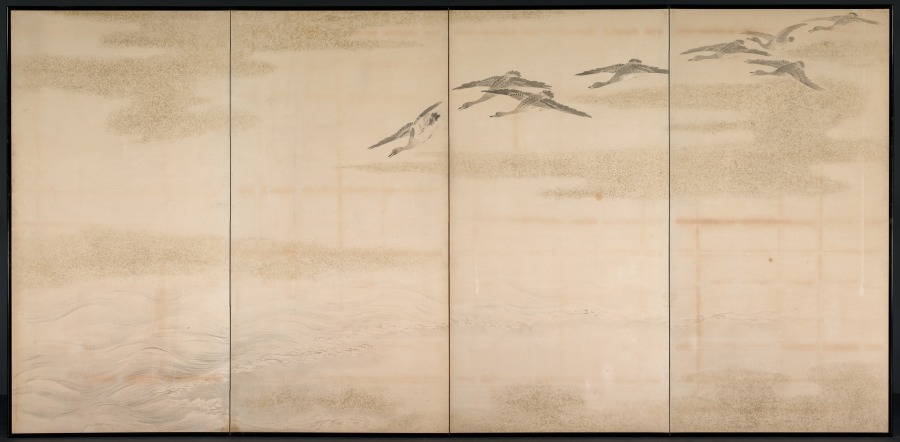
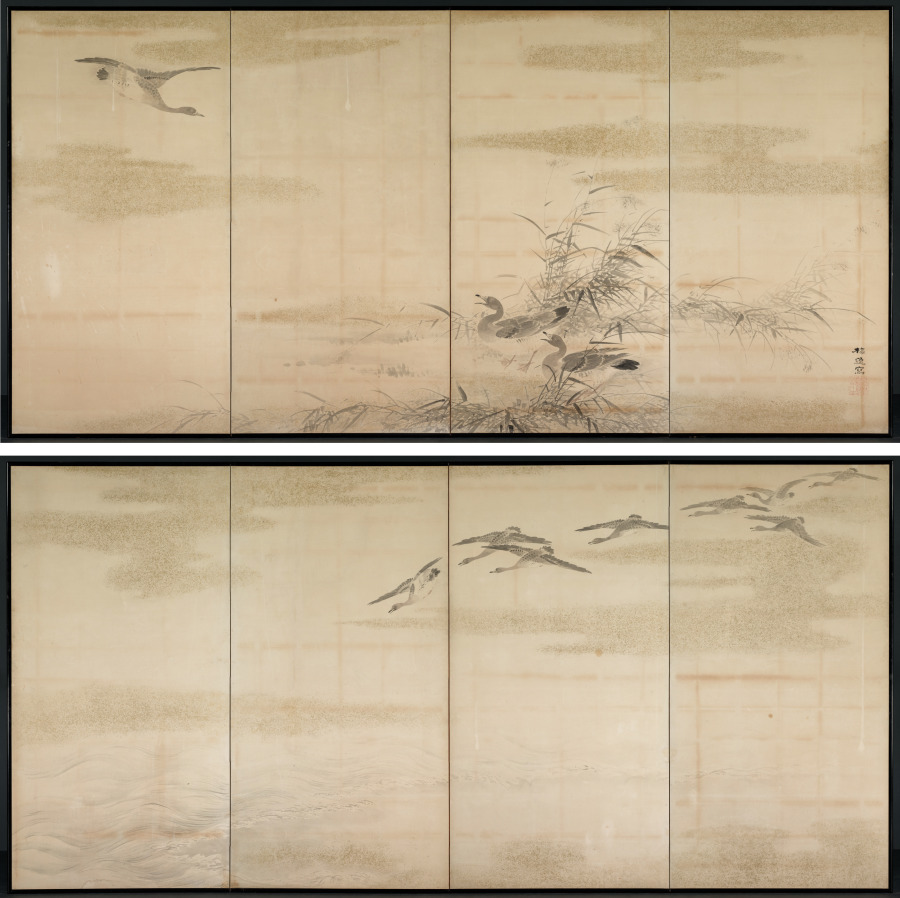
This byōbu composition differs from most in that it comprises two four-panel screens, rather than two six-panel units. Since the current mounting is modern, it is impossible to determine whether its present configuration represents its original design. Some panels may have been removed to help the screens better fit into a modern interior space. Baiitsu worked almost exclusively in monochromatic ink tones and favored classical Chinese painting themes.
Be the first to share your thoughts.
Sign in to join the discussion.
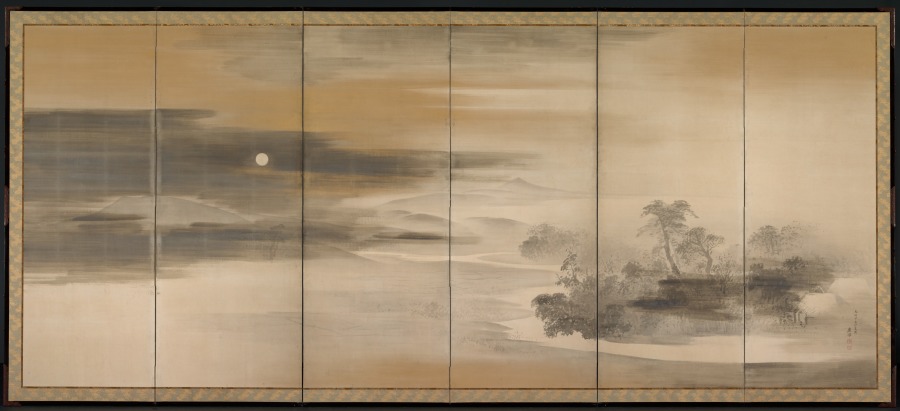 Maruyama Ōkyo (Japanese, 1733–1795) — Summer Night
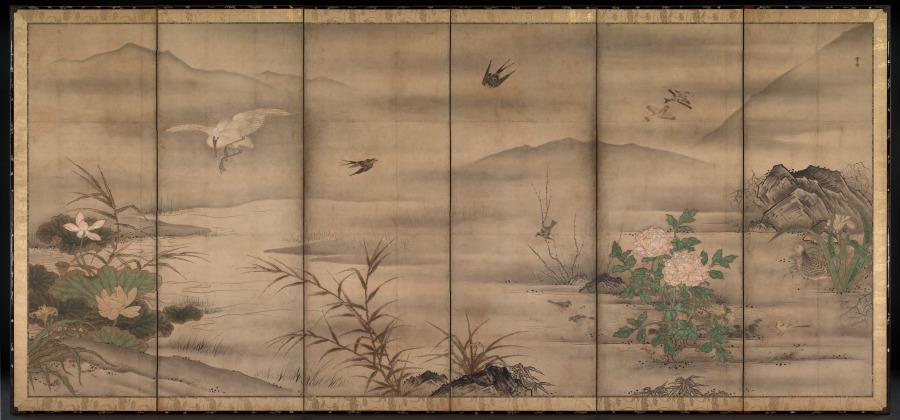 Sesshū Tōyō (Japanese, 1420–1506) — Birds and Flowers in a L
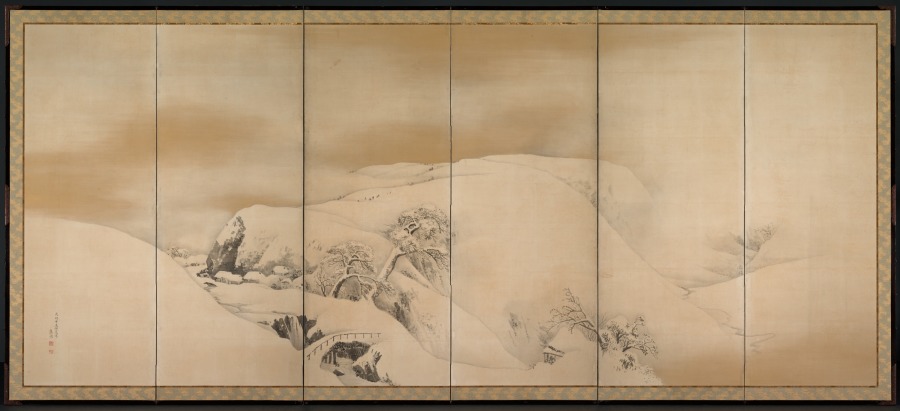 Maruyama Ōkyo (Japanese, 1733–1795) — Winter Day
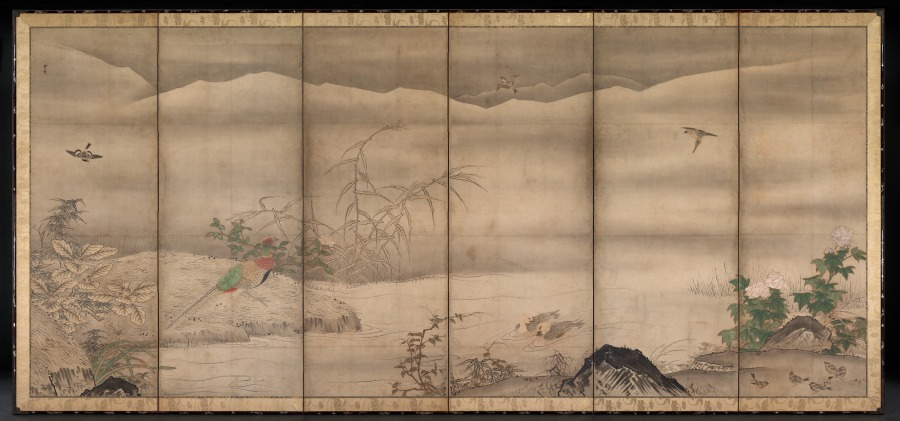 Sesshū Tōyō (Japanese, 1420–1506) — Birds and Flowers in a L
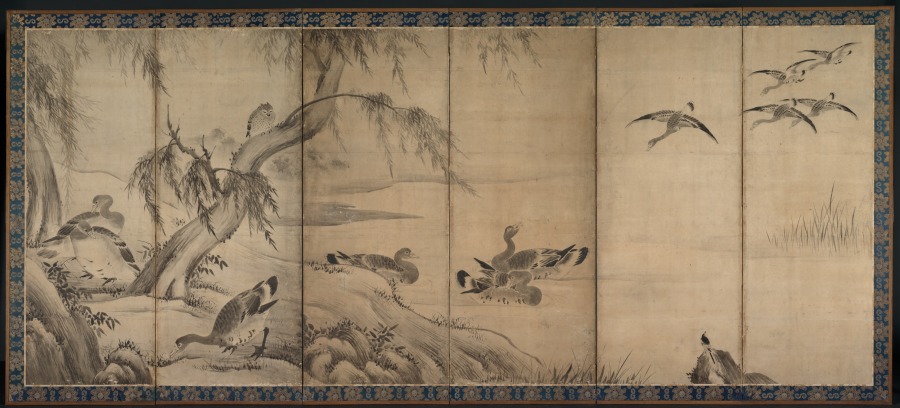 Kano Sanraku (Japanese, 1559–1635) — Wild Geese
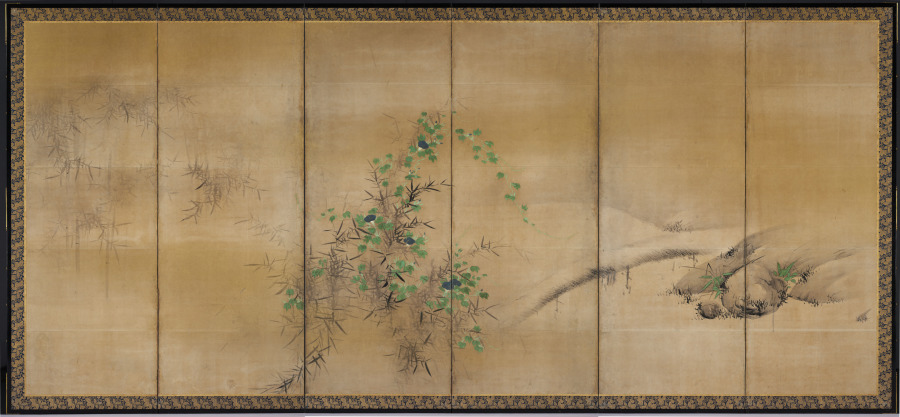 Kaihō Yūshō (Japanese, 1533–1615) — Winter and Summer Flower
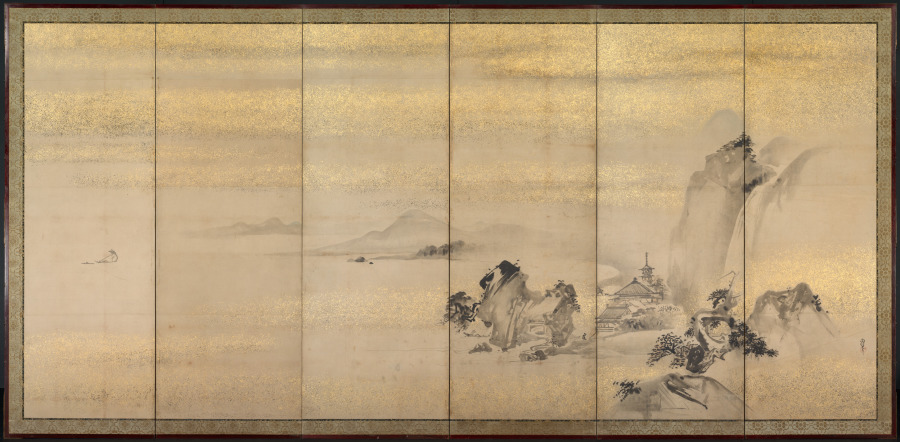 Kano Naonobu (Japanese, 1607–1650) — Summer and Winter Lands
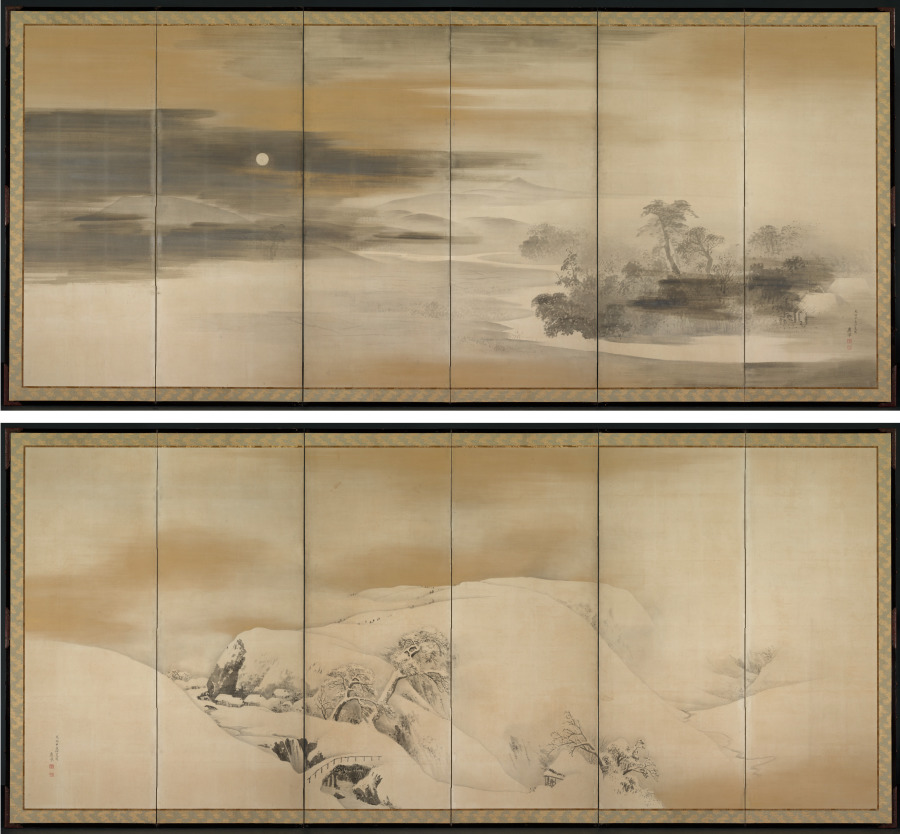 Maruyama Ōkyo (Japanese, 1733–1795) — Summer Night; Winter D
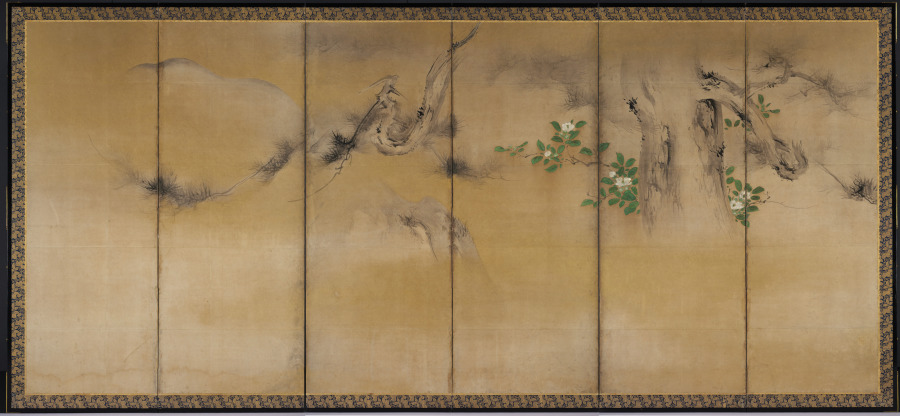 Kaihō Yūshō (Japanese, 1533–1615) — Winter and Summer Flower
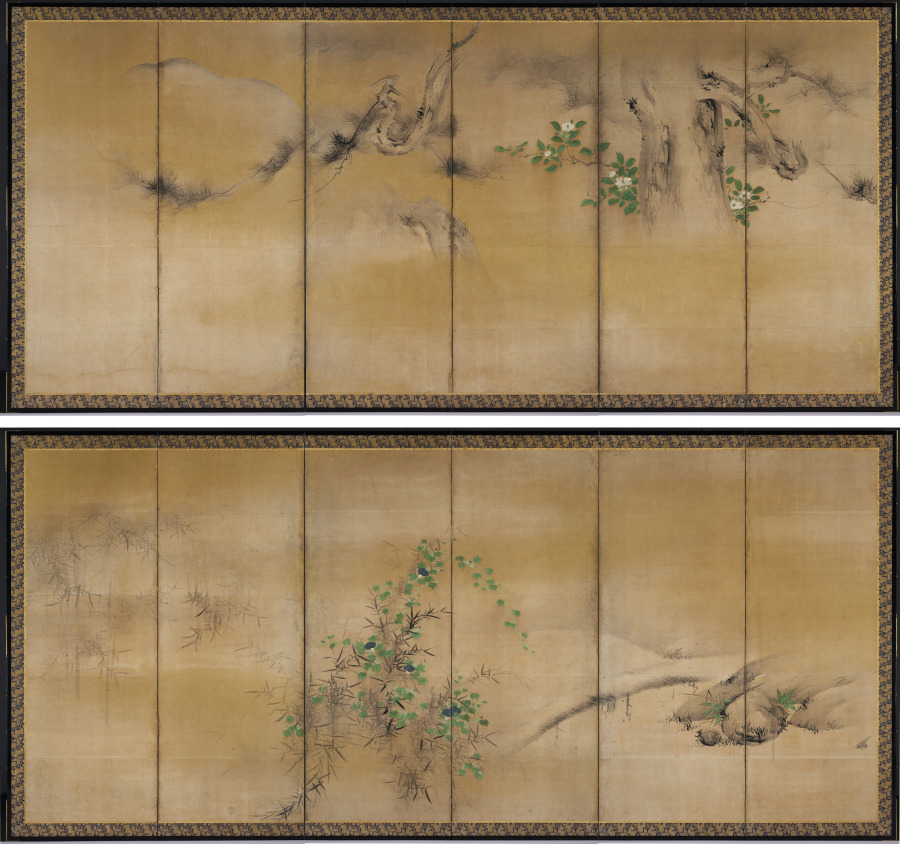 Kaihō Yūshō (Japanese, 1533–1615) — Winter and Summer Flower
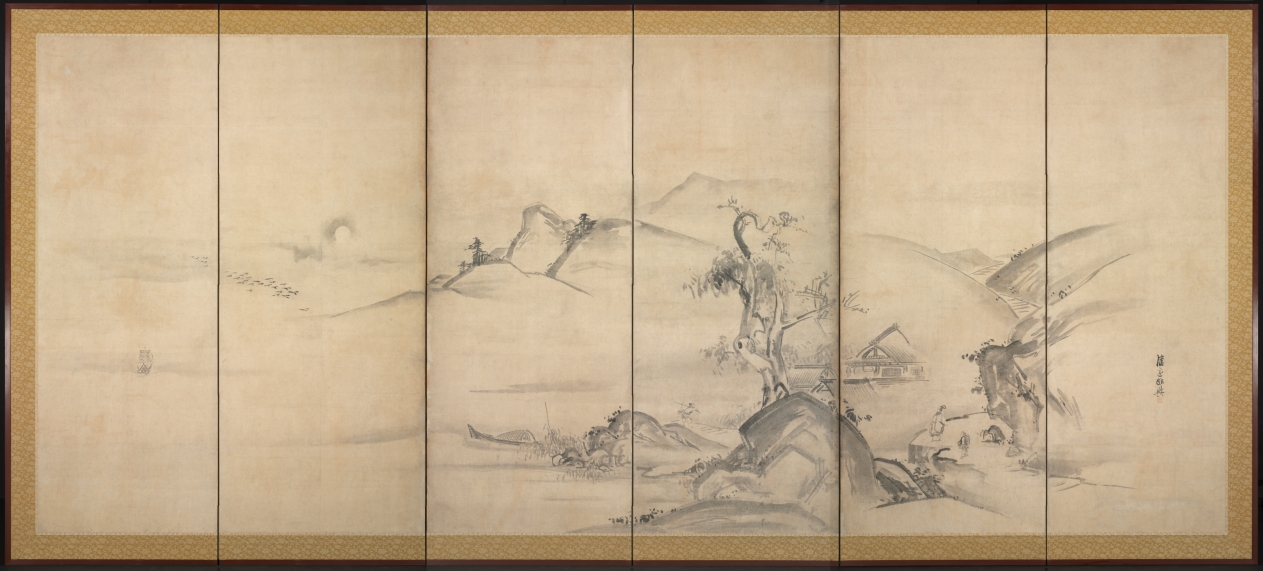 Watanabe Shikō (Japanese, 1683–1755) — Eight Views of the Xi
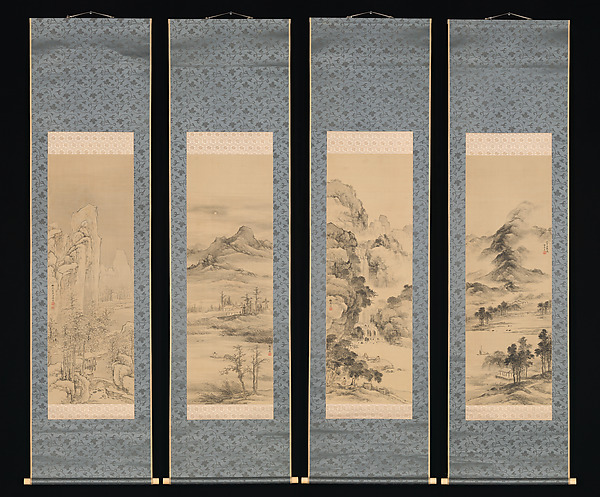
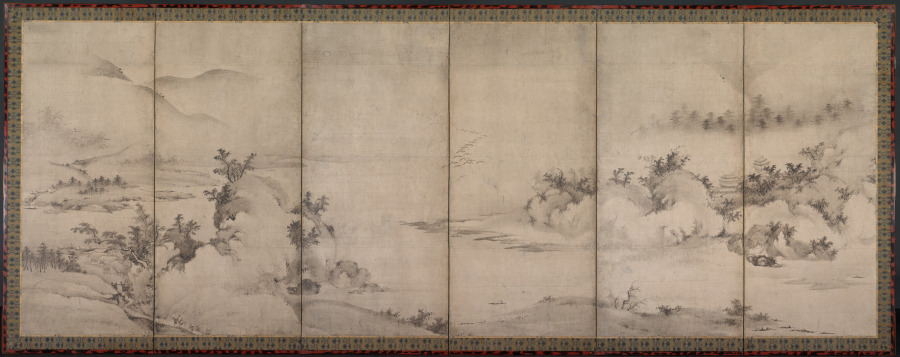 Landscape with Motifs from the Eight Views of Xiao-Xiang