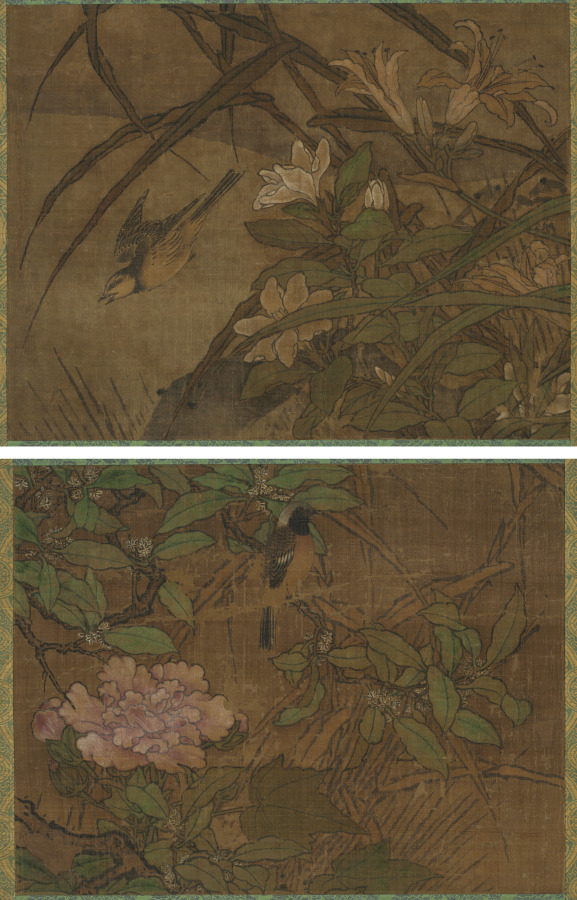
In the collection of Cleveland Museum of Art, Cleveland — check current display status with the museum.
FROM THE CLEVELAND MUSEUM OF ART’S CATALOG
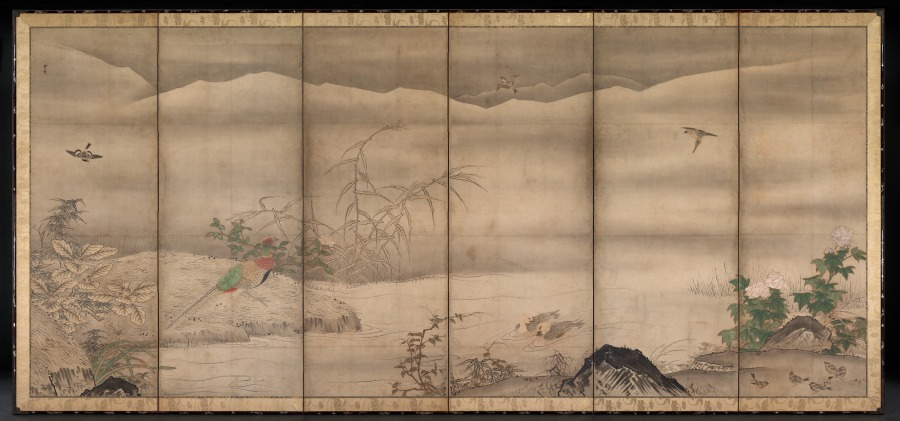
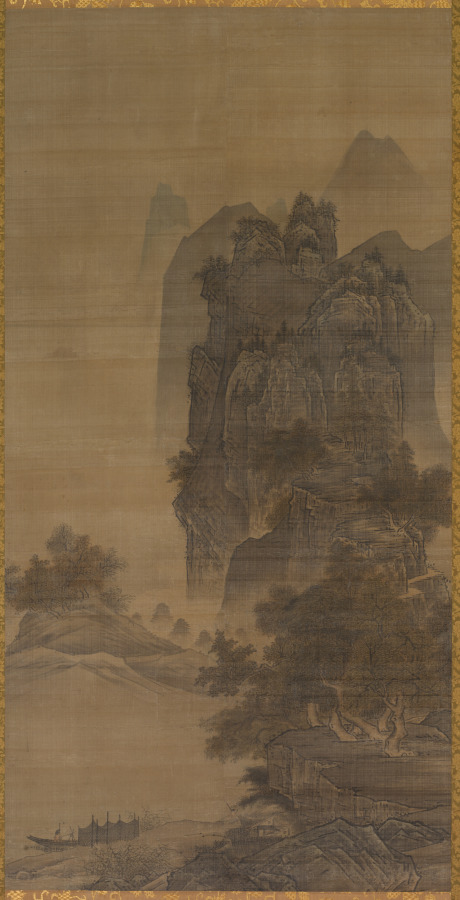
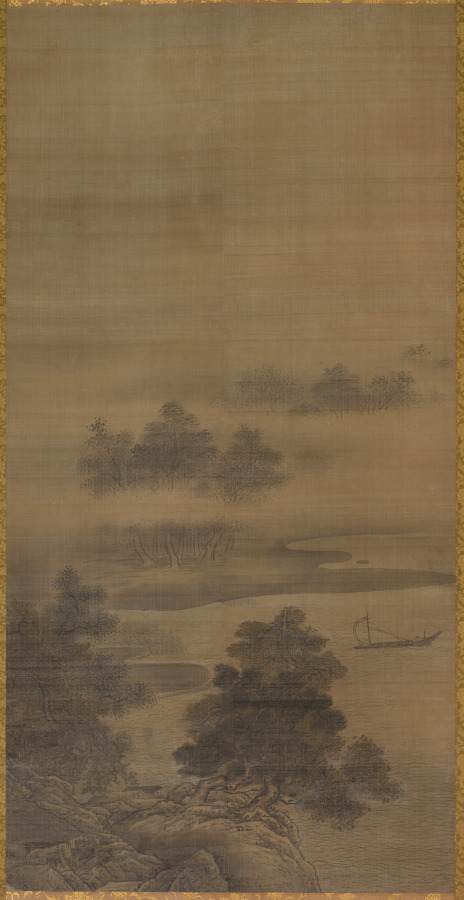
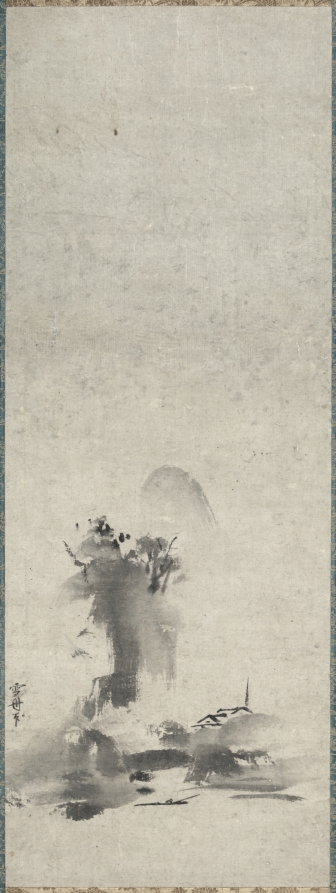
The monk-painter Sesshū is revered today, as he was in his own time. While he left Kyoto's sophisticated intellectual and cultural environment to live in a provincial village in a far western province, he seems never to have severed contacts with the monastic communities of his young adulthood. His residence in Yamaguchi proved fortuitous because his patron, the region's military lord, enjoyed considerable freedom in conducting trade missions overseas with Korea and China. Sesshū went to China in 1467 and traveled about the country, visiting well-known historical sites and Chan (Zen) temples before returning two years later. Thus he became familiar with contemporary painting practices, materials, formats, and subject matter. His assimilation and then transmission of these elements had a profound impact on the following generations of ink painters, patrons, and Zen communities throughout Japan. Despite the presence on these byōbu of the name "Sesshū," they are from the hand of another accomplished but as yet anonymous follower active in the middle of the sixteenth century. Sesshū's name here, as on a handful of similar bird-and-flower byōbu, attests to the master's identification at
Be the first to share your thoughts.
Sign in to join the discussion.
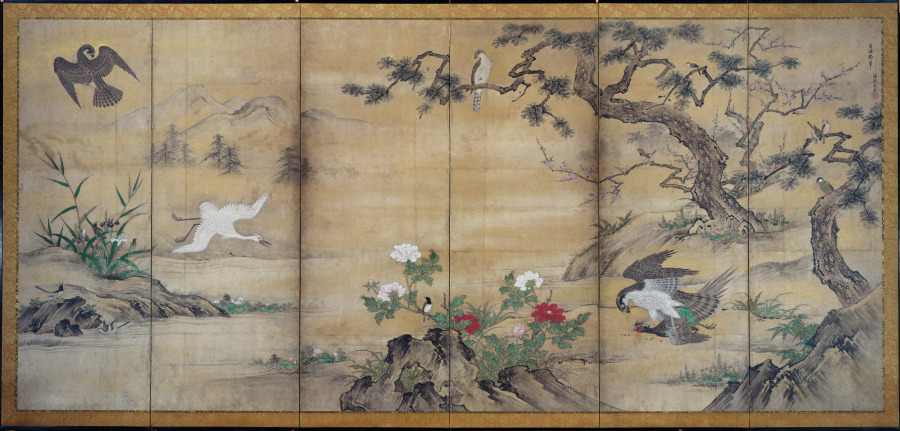 Kano Shōei (Japanese, 1519–1592) — Birds and Flowers
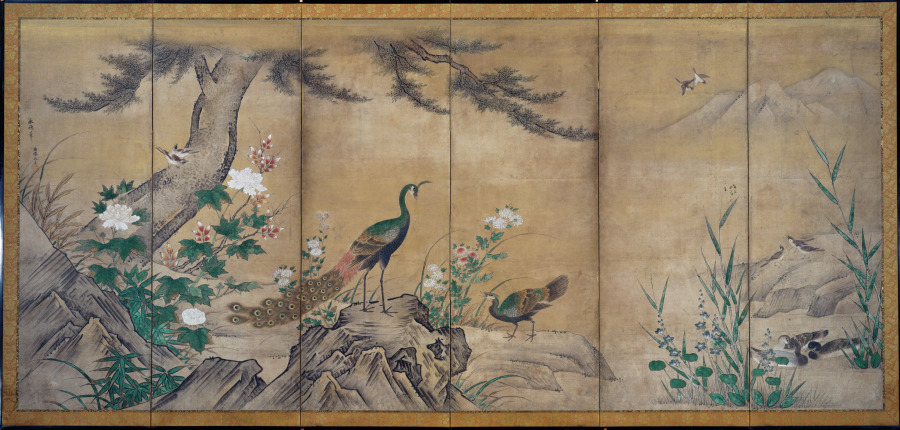 Kano Mitsunobu (Japanese, 1565–1608) — Birds and Flowers
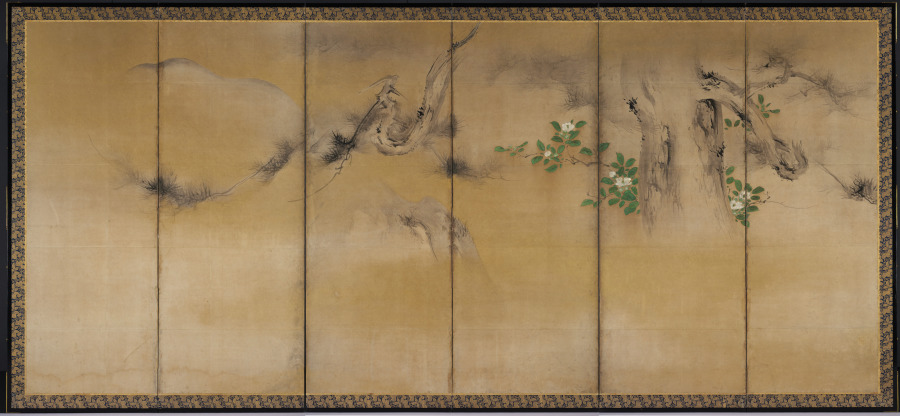 Kaihō Yūshō (Japanese, 1533–1615) — Winter and Summer Flower
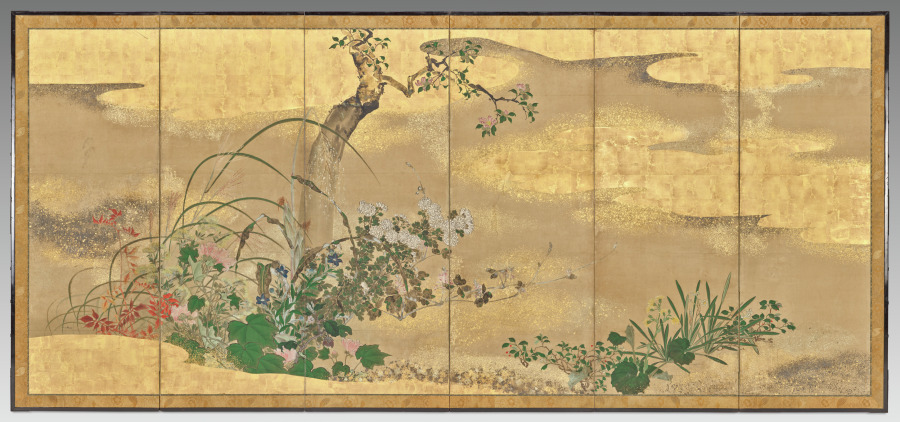 Watanabe Shikō (Japanese, 1683–1755) — Flowers and Trees of
 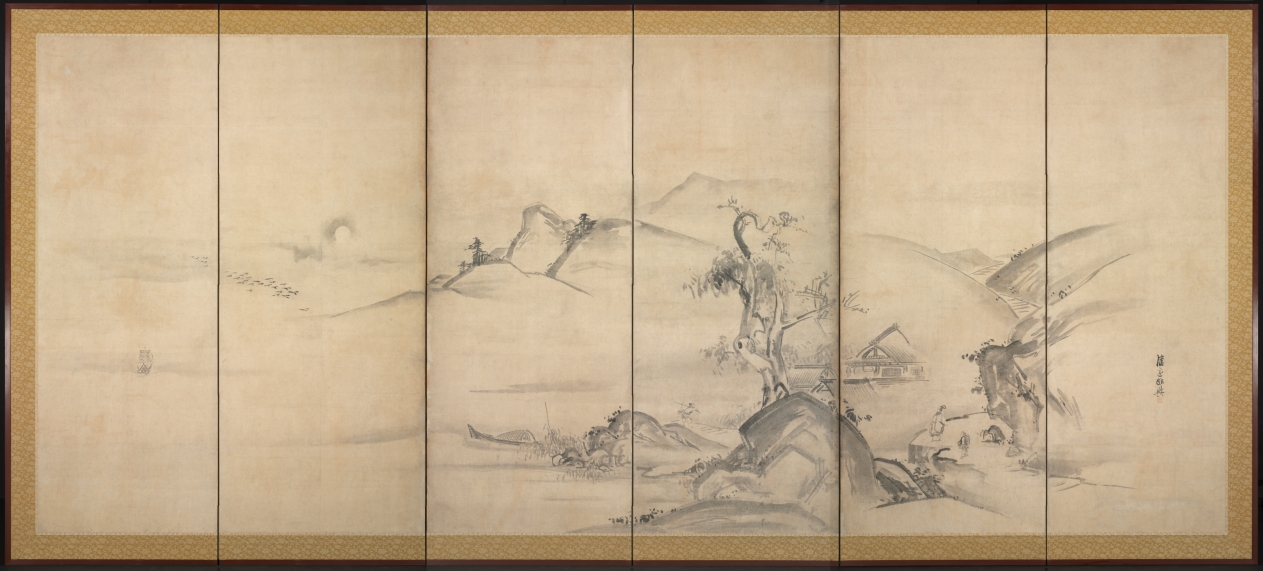 Watanabe Shikō (Japanese, 1683–1755) — Eight Views of the Xi
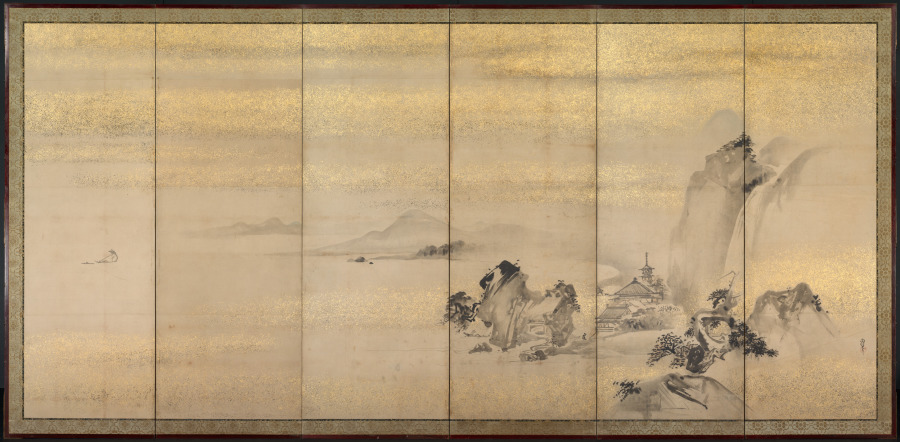 Kano Naonobu (Japanese, 1607–1650) — Summer and Winter Lands
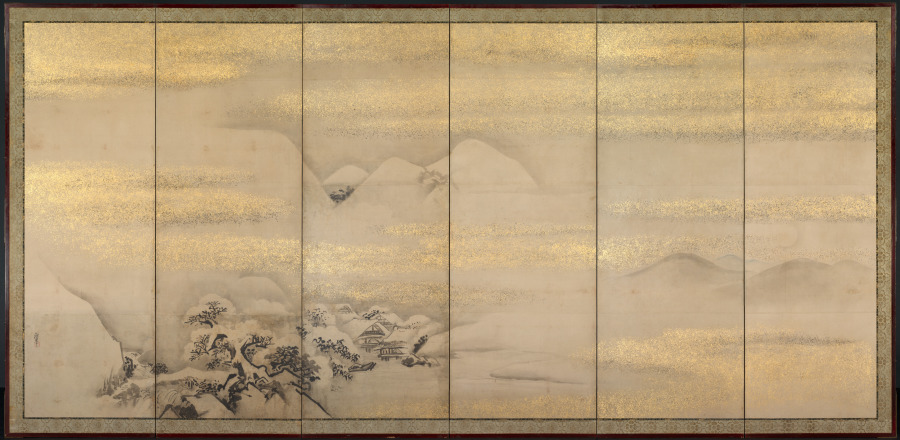 Kano Naonobu (Japanese, 1607–1650) — Summer and Winter Lands
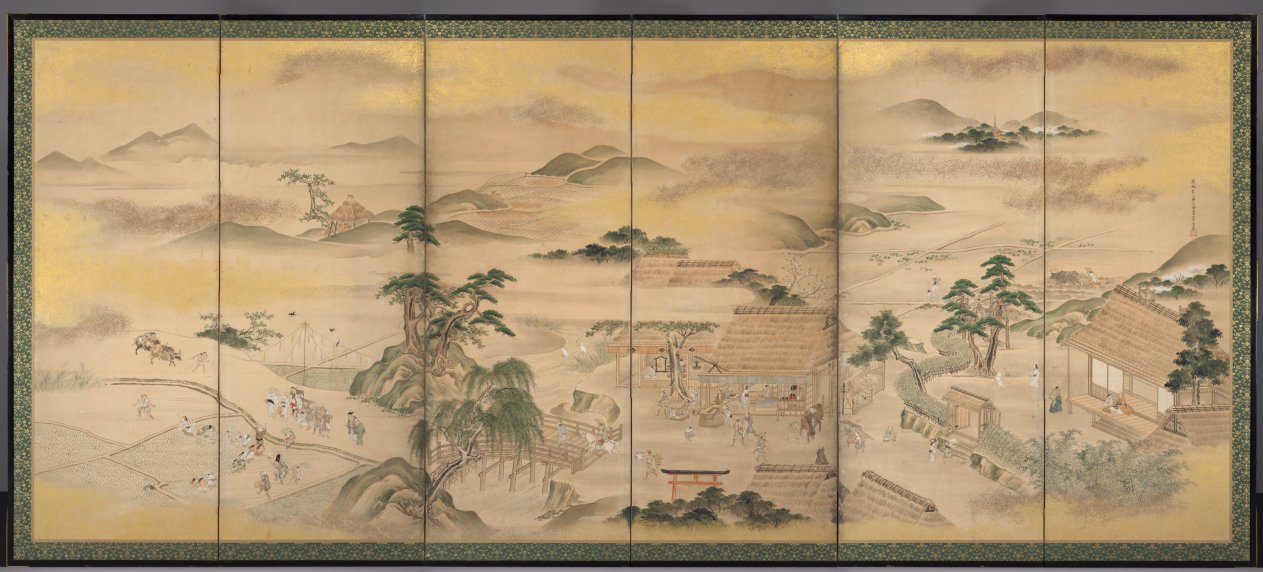 Kō Sūkoku (Japanese, 1730–1804) — Spring and Autumn Farming
 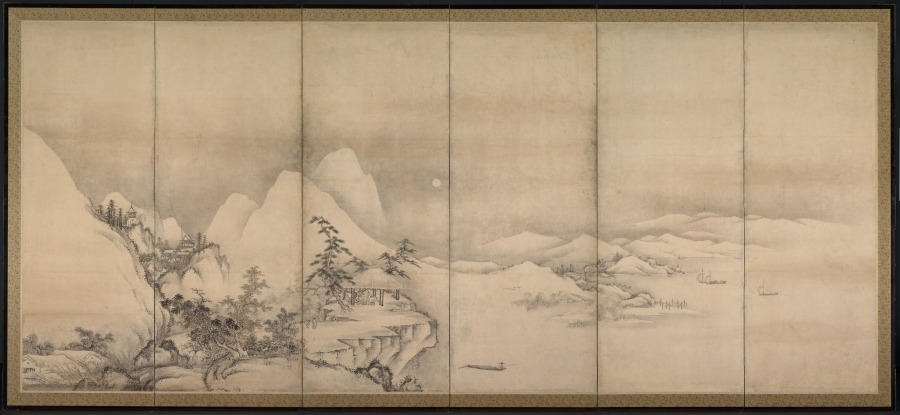 Chinese Landscape
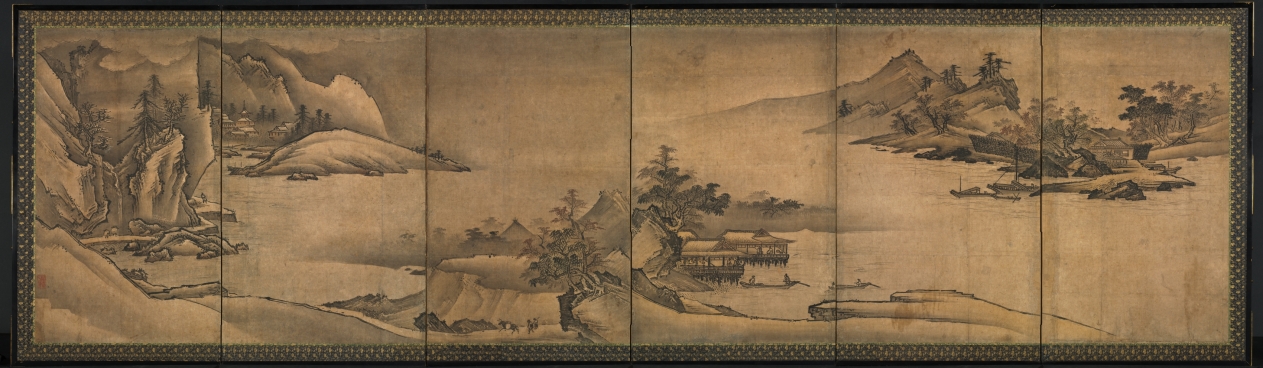 Yi Sumun (Korean, b. c. 1404) — Landscape of the Four Season
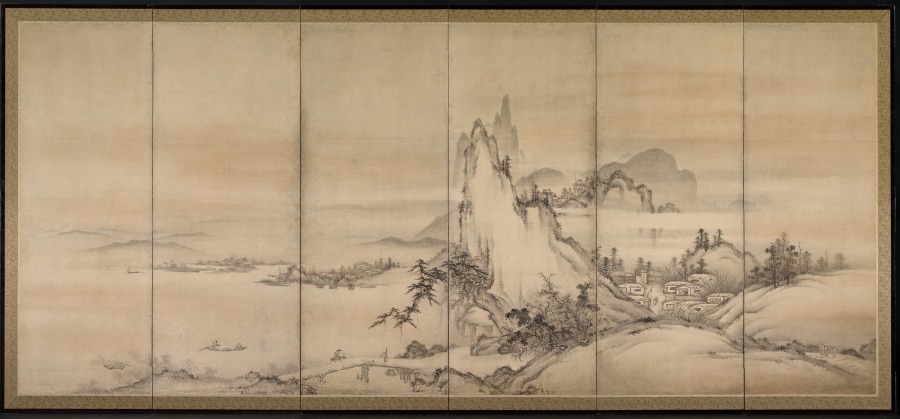 Chinese Landscape
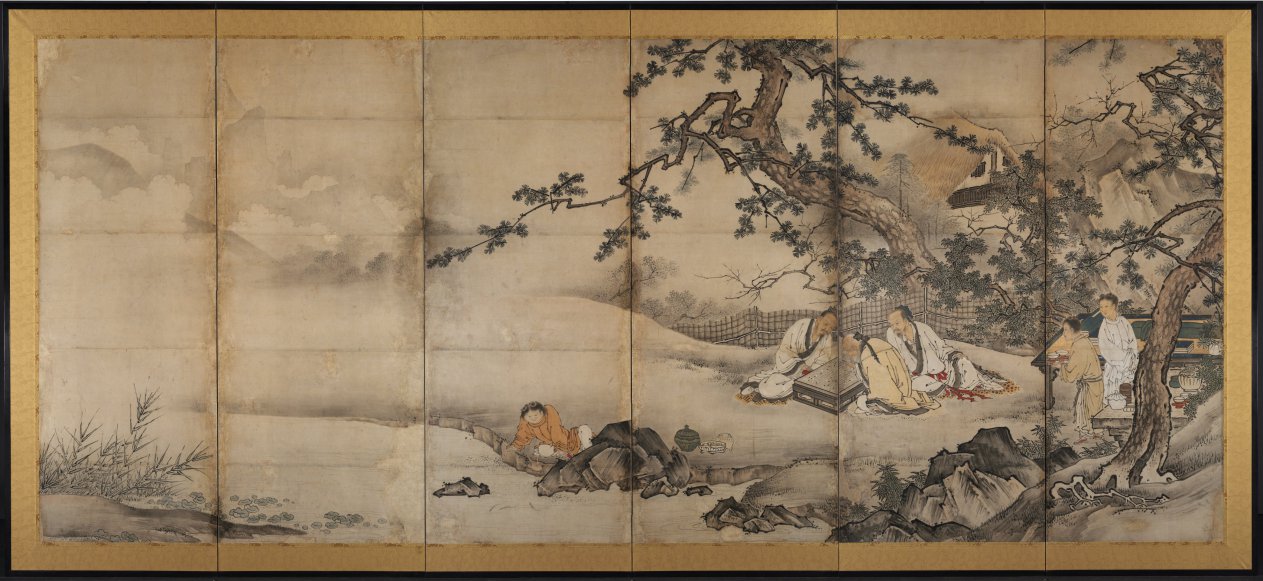 Kano Shōei (Japanese, 1519–1592) — The Four Accomplishments