In the collection of Cleveland Museum of Art, Cleveland — check current display status with the museum.
FROM THE CLEVELAND MUSEUM OF ART’S CATALOG
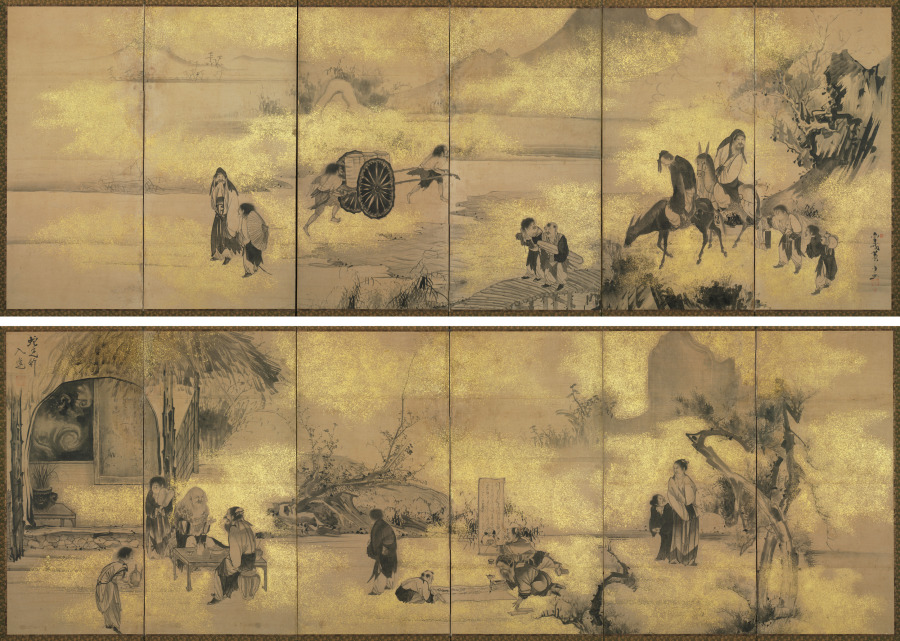
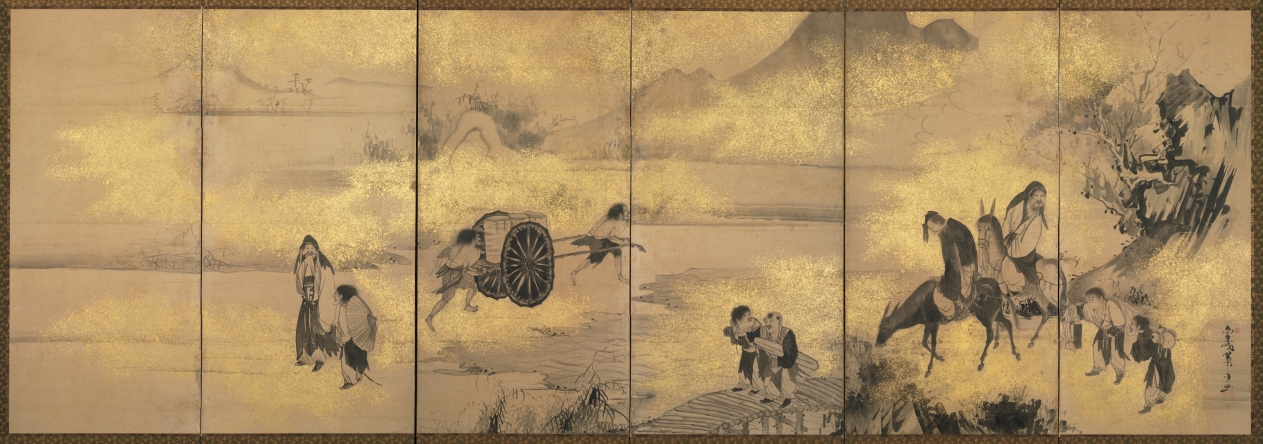
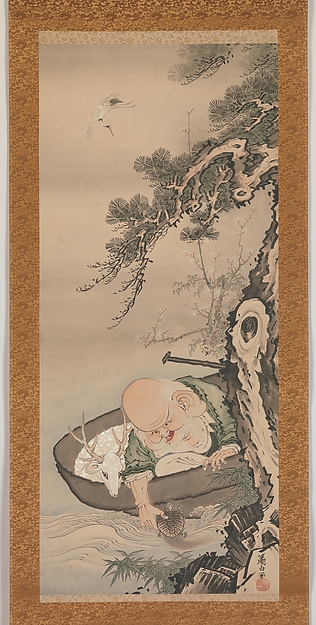
Responding to the desires of the middle class ( chonin ), some Japanese painters of the late Edo period moved away from the seriousness associated with the Chinese theme of reclusion, focusing instead on the motif’s humorous aspects. The theme Eight Immortals of the Wine Cup is based on a poem by the renowned 8th-century Chinese poet Du Fu about his eight colleagues. These scholars eagerly sought release from their official governmental duties and then supposedly fled the capital for the countryside. There, they engaged in wildly eccentric behavior and adventurous creative work, all fueled by copious amounts of wine. Shohaku’s version of events exaggerates the scholars’ pleasure, as seen in their comical facial expressions.
Be the first to share your thoughts.
Sign in to join the discussion.
 Maruyama Ōkyo (Japanese, 1733–1795) — Literary Gathering in
 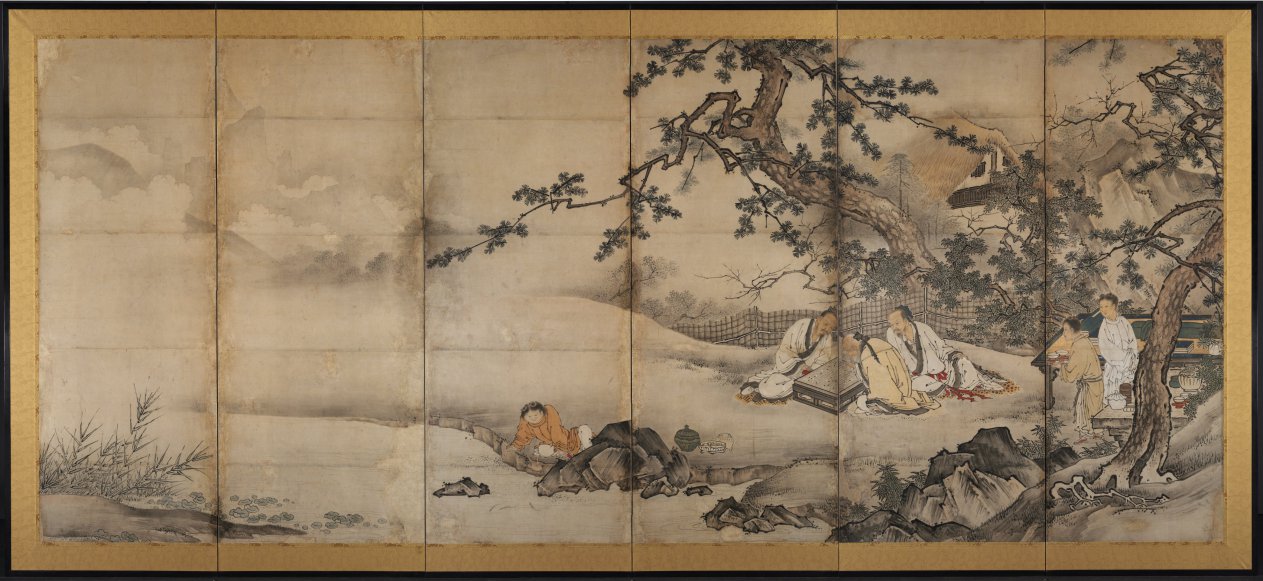 Kano Shōei (Japanese, 1519–1592) — The Four Accomplishments
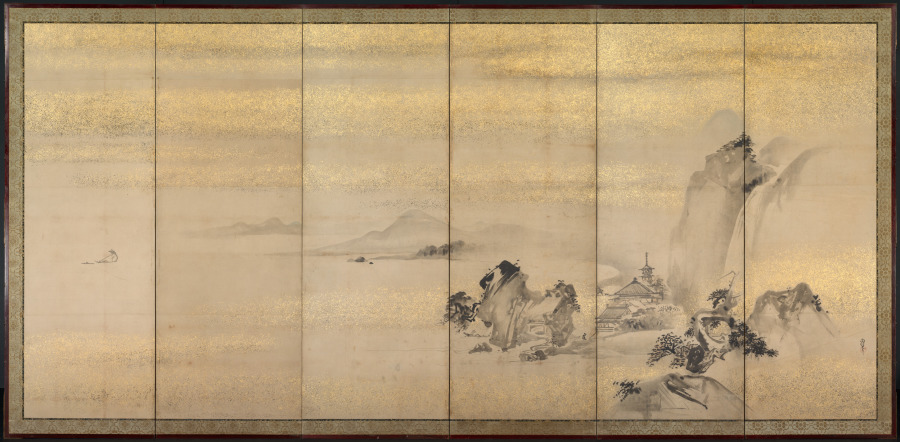 Kano Naonobu (Japanese, 1607–1650) — Summer and Winter Lands
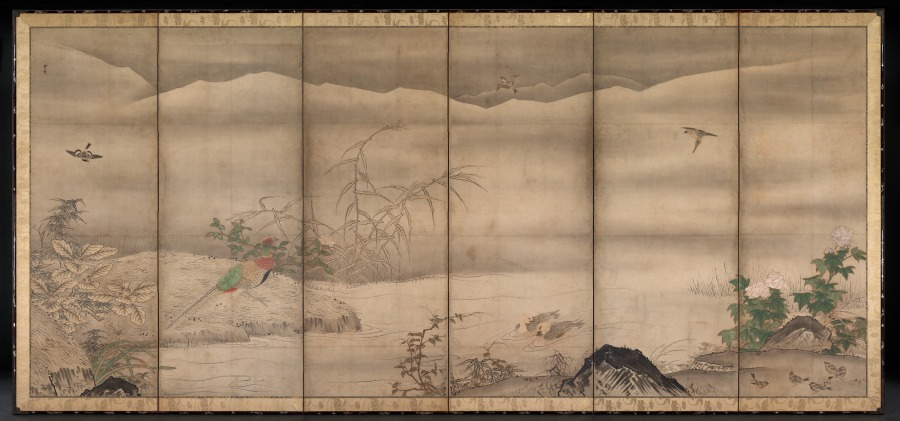 Sesshū Tōyō (Japanese, 1420–1506) — Birds and Flowers in a L
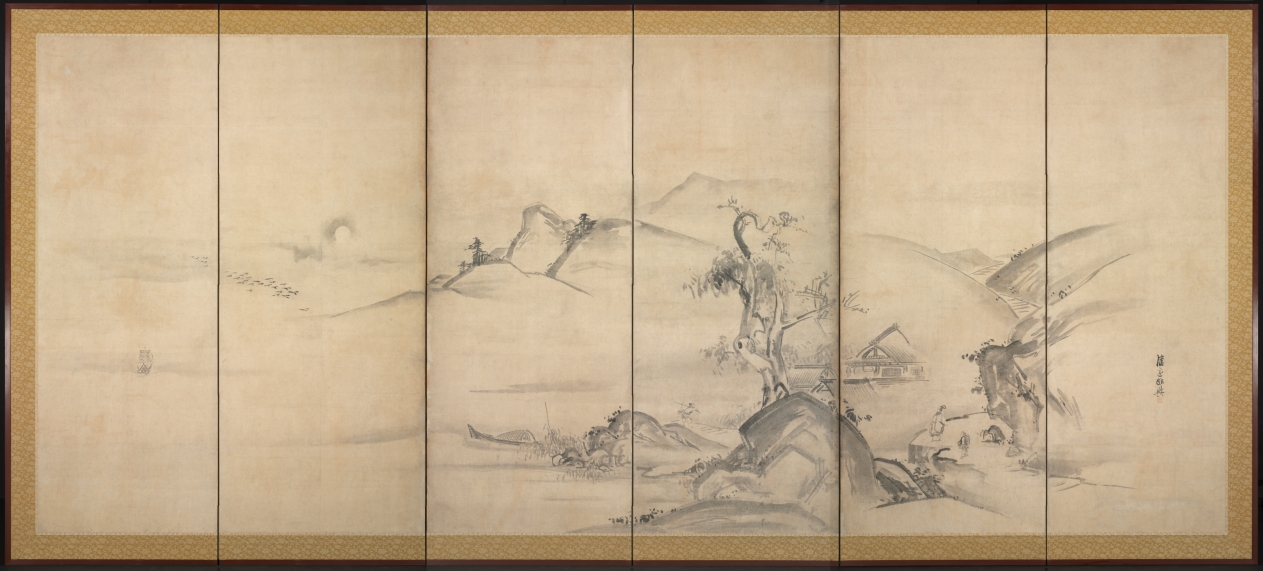 Watanabe Shikō (Japanese, 1683–1755) — Eight Views of the Xi
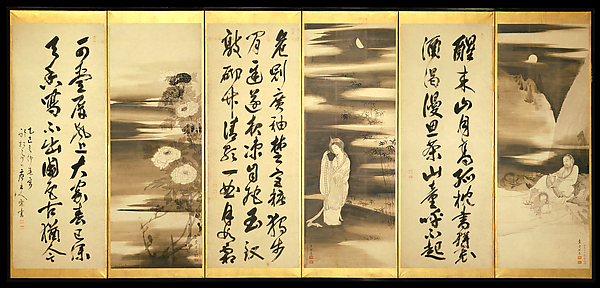 Nagasawa Rosetsu 長澤蘆雪|Shishin Sōgin 指津宗琅 — 書画押絵貼屏風|Miscellan
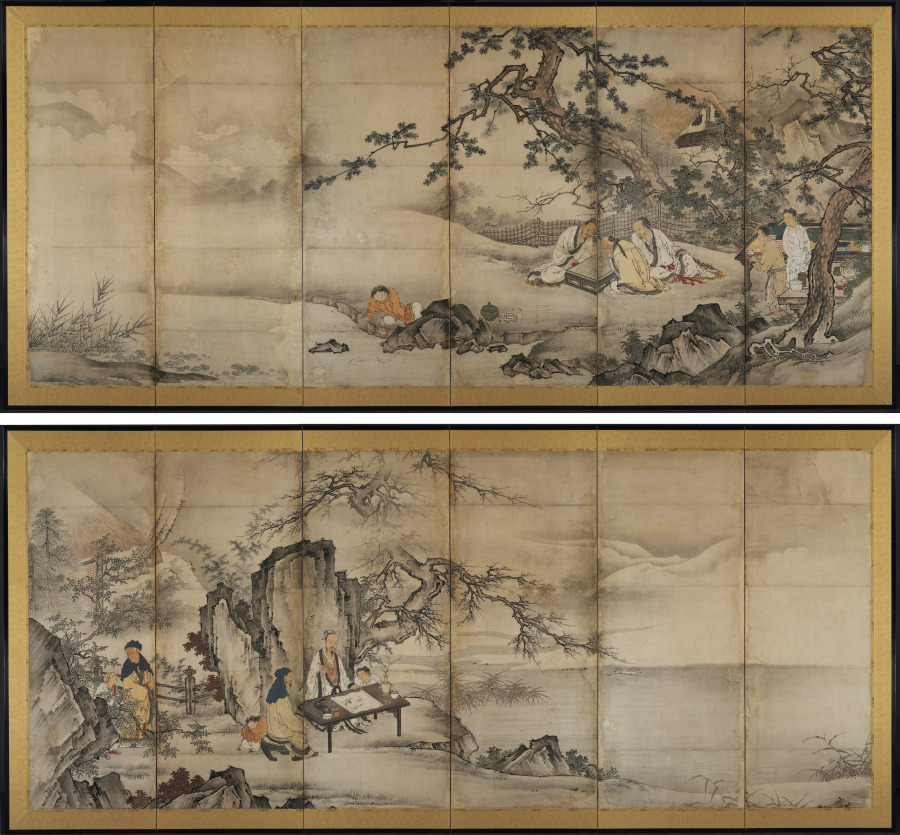 Kano Shōei (Japanese, 1519–1592) — The Four Accomplishments
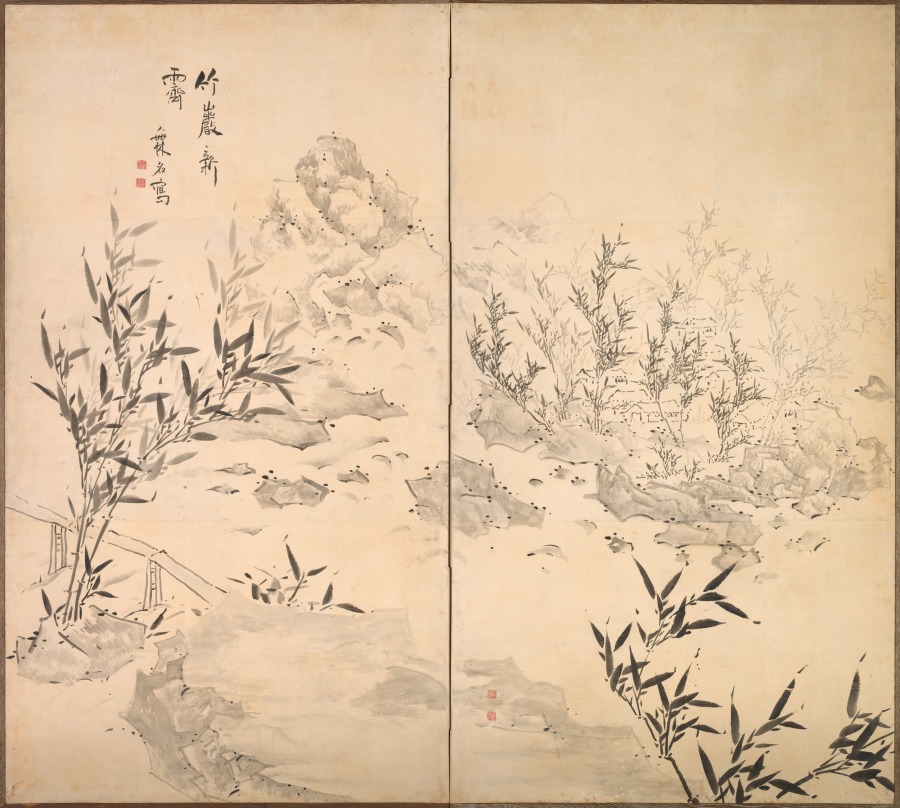 Ike Taiga (Japanese, 1723–1776) — Bamboo and Rocks in Cleari
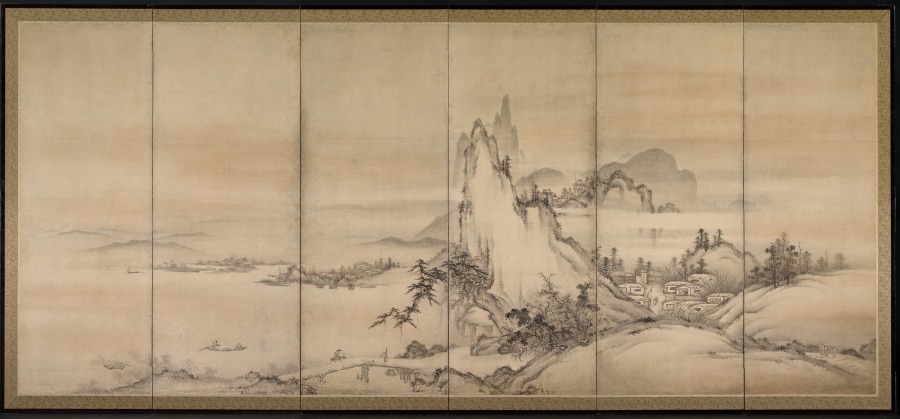 Chinese Landscape
 Watanabe Shikō 渡辺始興 — 山水図屏風|Landscape
 Watanabe Shikō (Japanese, 1683–1755) — Eight Views of the Xi
 Kano Tan’yū (Japanese, 1602–1674) — The Four Seasons