Was Van Gogh Really Unknown When He Was Alive?
The "starving genius who sold one painting" is half true — and the other half is more interesting.
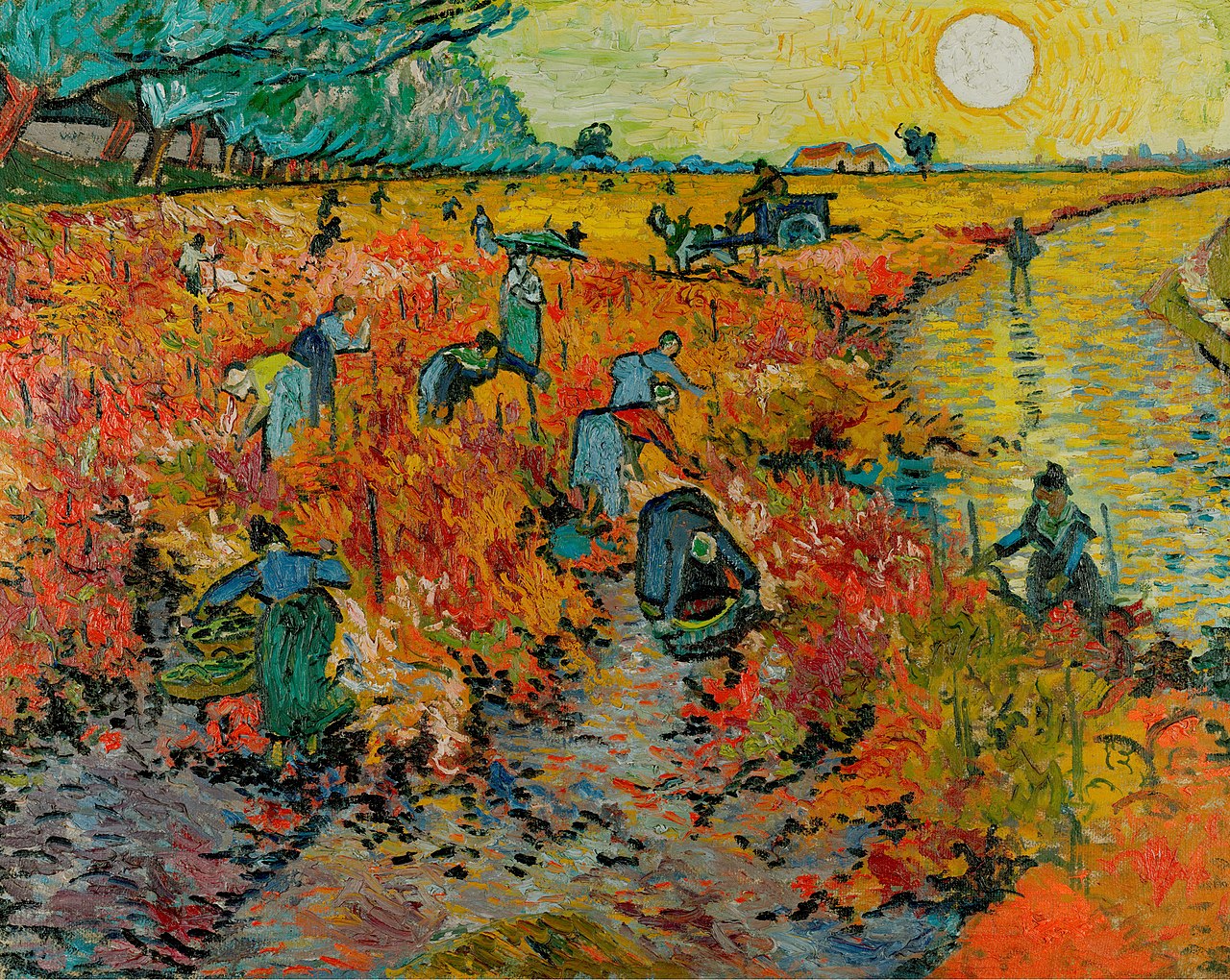
Mostly, but not entirely. Van Gogh sold very few paintings and had almost no public success, so the "unrecognized genius" story is largely true. But in his final year a glowing review appeared, a work sold, and fellow artists admired him. He died in 1890 just as recognition was beginning — his fame exploded soon after, driven partly by his sister-in-law.
You have probably heard that Vincent van Gogh died penniless and unknown, having sold a single painting in his whole life. The core of that story is true — he had almost no public success — but the tidy version leaves out the part where recognition had actually started, right at the end.

Did Van Gogh really sell only one painting?
The famous "one painting" figure is a popular oversimplification. There is a well-documented sale in his final months — a canvas called "The Red Vineyard" — and it is often held up as the only one, but the picture is murkier than that.
Van Gogh also traded and sold a handful of works and drawings through his brother Theo, an art dealer, and no one can give a precise, uncontested tally of what changed hands. So the honest version is this: he sold very little and earned almost nothing from his art, and the exact number is better left approximate than pinned to a single dramatic figure. The larger claim — that he was a commercial failure in his lifetime — holds up.
Was he completely ignored by other artists?
No. In his last year a critic named Albert Aurier published a glowing review praising his work, the first substantial public notice he received. It moved and embarrassed him in equal measure; he worried it made too much of him.
Fellow painters respected him too. He exchanged work and ideas with peers, and figures in the avant-garde had begun to take him seriously. He belonged to the same restless generation covered in who was Vincent van Gogh — artists pushing past Impressionism into something rawer and more personal. So "totally ignored" isn't right; "barely known to the public, but noticed by the people who mattered" is closer.
How did he become famous?
After his death in 1890, his reputation was built largely by one determined person: Jo van Gogh-Bonger, the widow of his brother Theo, who died only months after Vincent. She inherited hundreds of paintings and a mountain of letters, and rather than let them scatter, she spent decades promoting the work.
This is documented history, not legend. She lent paintings to exhibitions, cultivated dealers and critics, and — crucially — published Vincent's correspondence with Theo, turning the paintings into a story people could follow. That combination of extraordinary work and tireless advocacy is what turned a barely-sold painter into one of the most famous artists on earth within a generation.
The myth flattens all of this into a lonely genius nobody saw. The truth is stranger and kinder: he was on the cusp of recognition when he died, and his own family carried him the rest of the way. For a related legend handled with the same care, read why Van Gogh cut off his ear — then look at the work itself on DiscoverArt and decide what you see.
Sources
Discussion
Be the first to share your thoughts.
Sign in to join the discussion.