FROM THE CLEVELAND MUSEUM OF ART’S CATALOG
Farhang-E Jahāngīrī , one of the most complete and authoritative dictionaries of the Persian language, was compiled by Mir Jamal al-Din Husayn Inju. It took him twelve years to compile over 9,000 words with definitions and examples from verses by Persian poets. He was born in Shiraz, Iran, but lived most of his life in Agra, India, so the dictionary was named honor of the Mughal emperor Jahangir, who reigned from 1605 to 1627.
Source ↗︎
Be the first to share your thoughts.
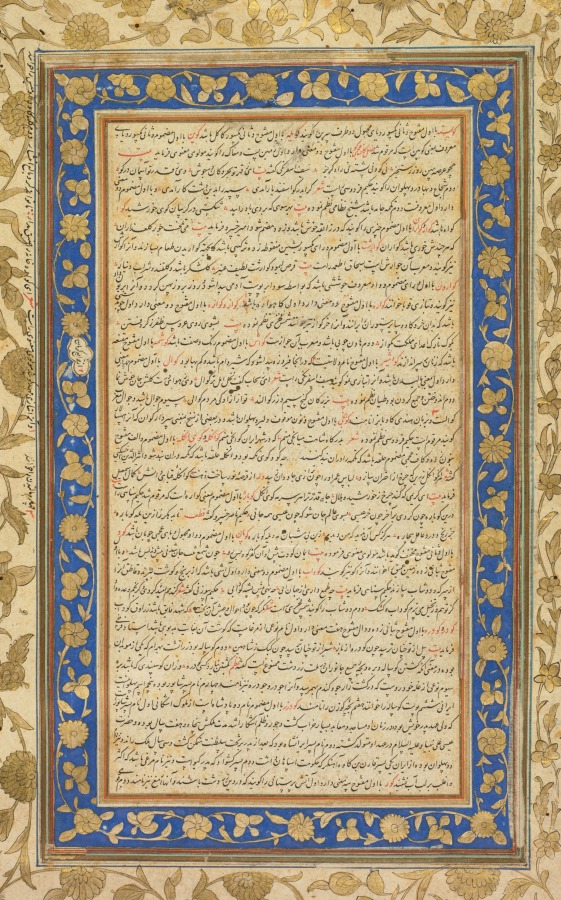 From the Farhang-i Jahangiri (Persian-language Dictionary) c
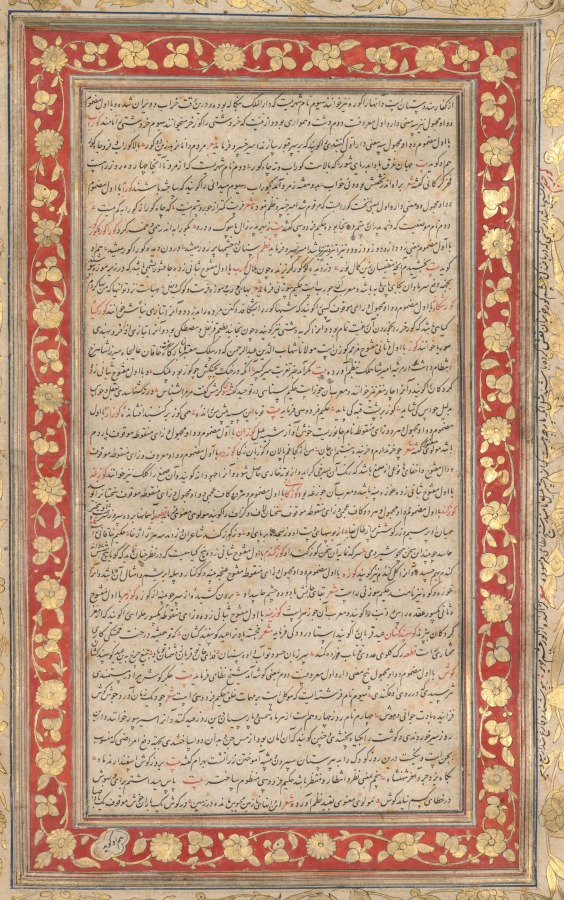 An Illuminated Folio from the Royal Manuscript of the Farhan
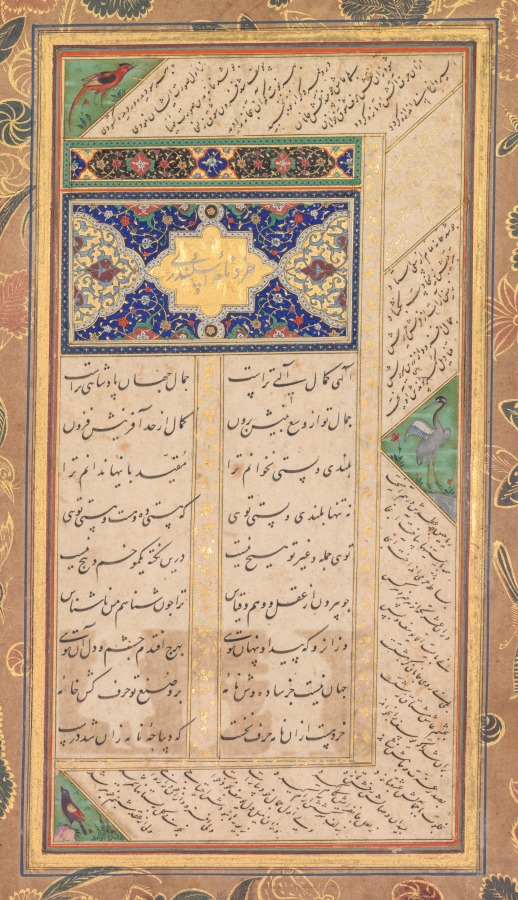 Mushfiq (Indian, active early 1600s) — Illuminated page (ver
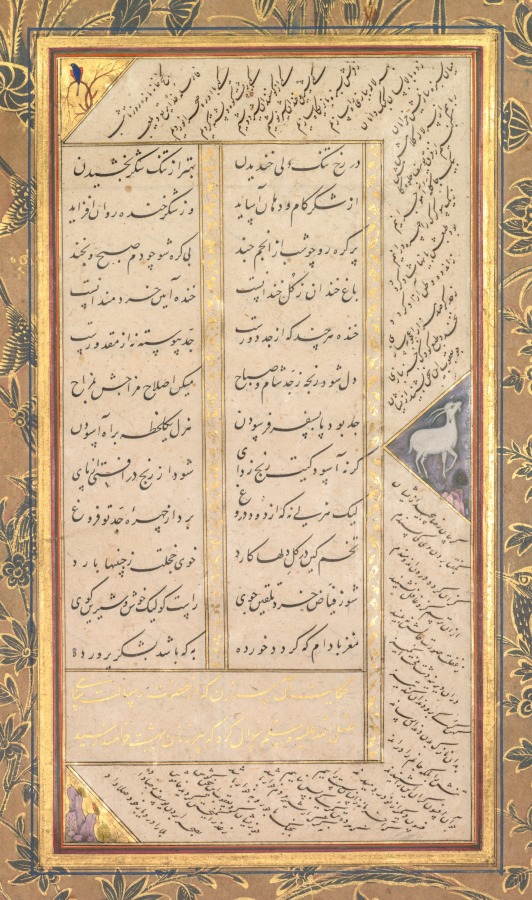 Mushfiq (Indian, active early 1600s) — Page from a Panj Ganj
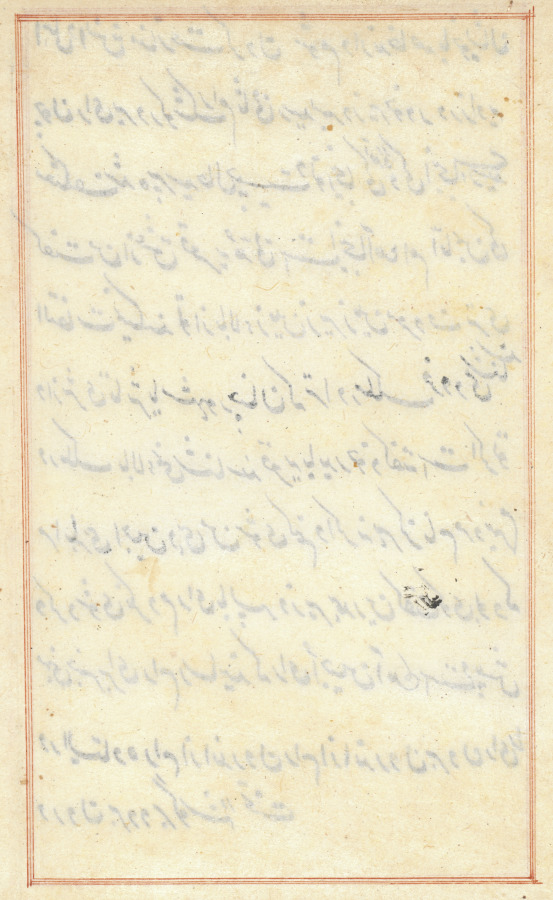 Page from Tales of a Parrot (Tuti-nama): text page (blank)
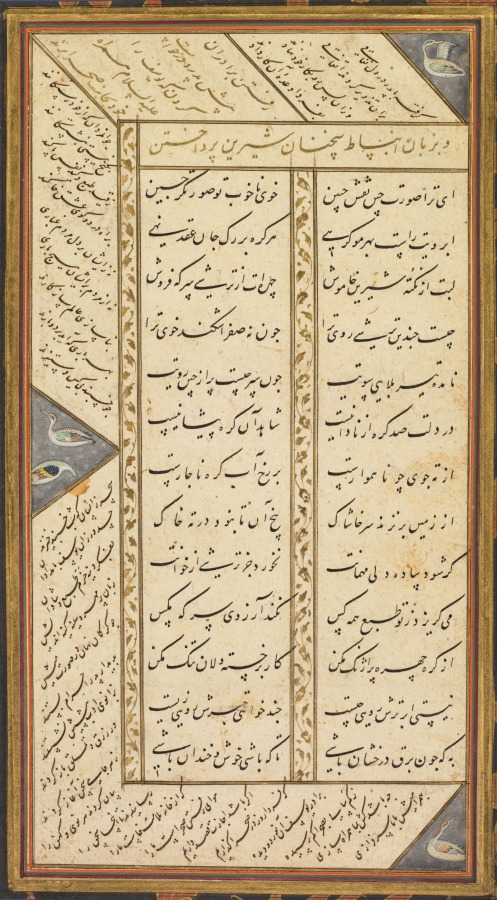 Mushfiq (Indian, active early 1600s) — Page from the Panj Ga
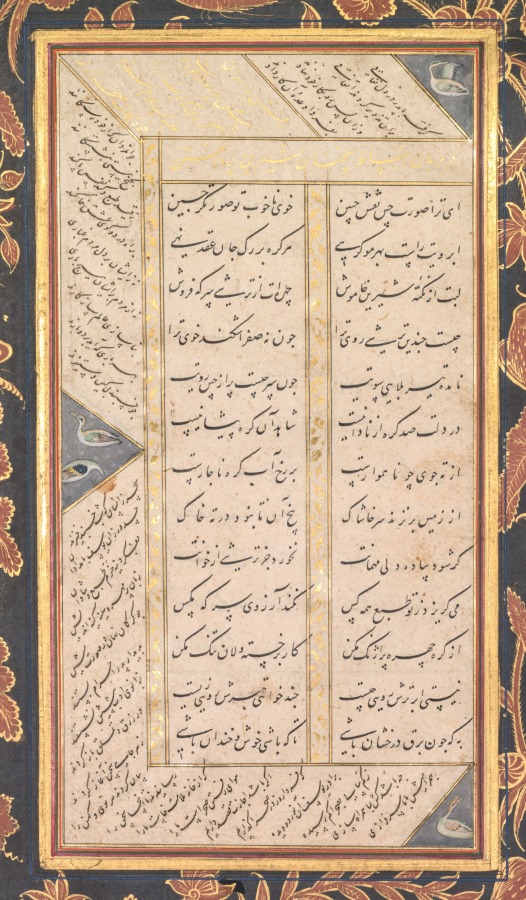 Mushfiq (Indian, active early 1600s) — Folio B: Folio from t
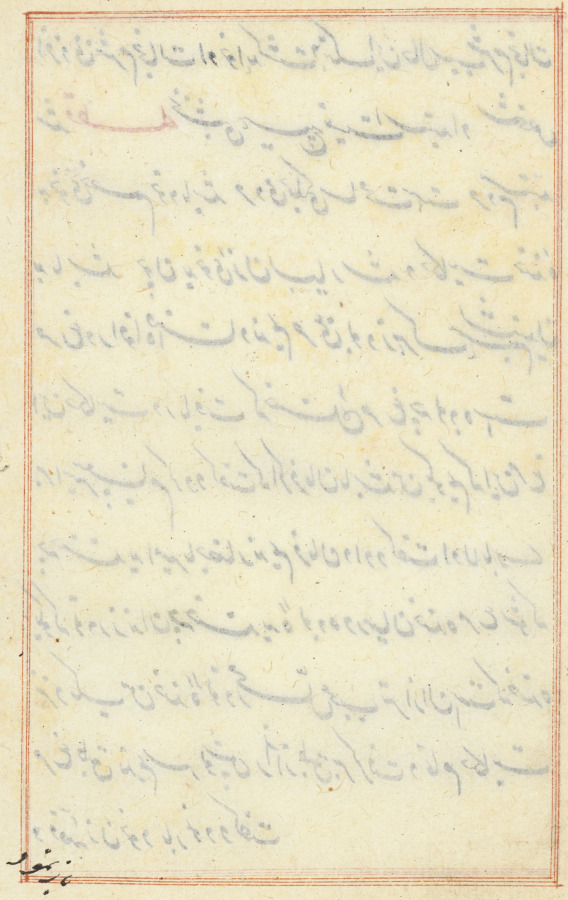 Page from Tales of a Parrot (Tuti-nama): text page
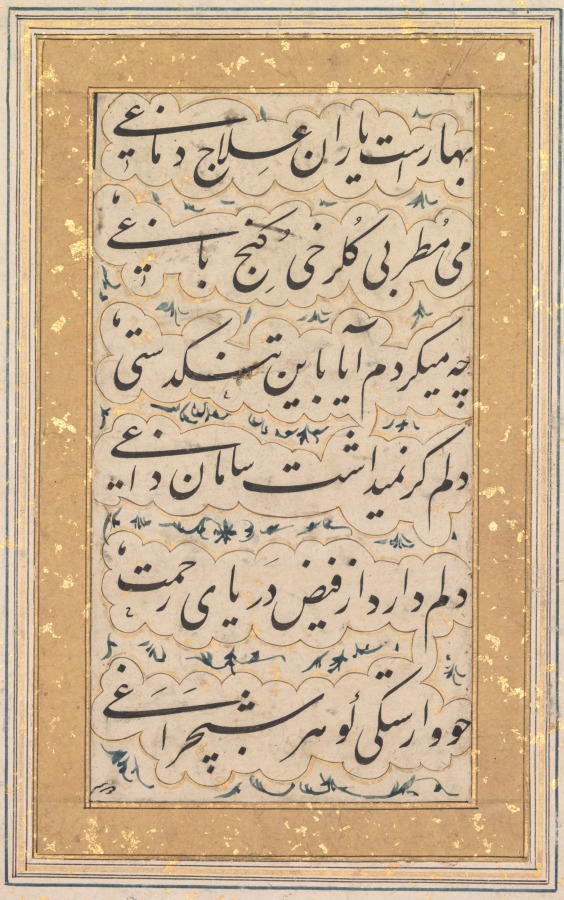 Calligraphy (verso)
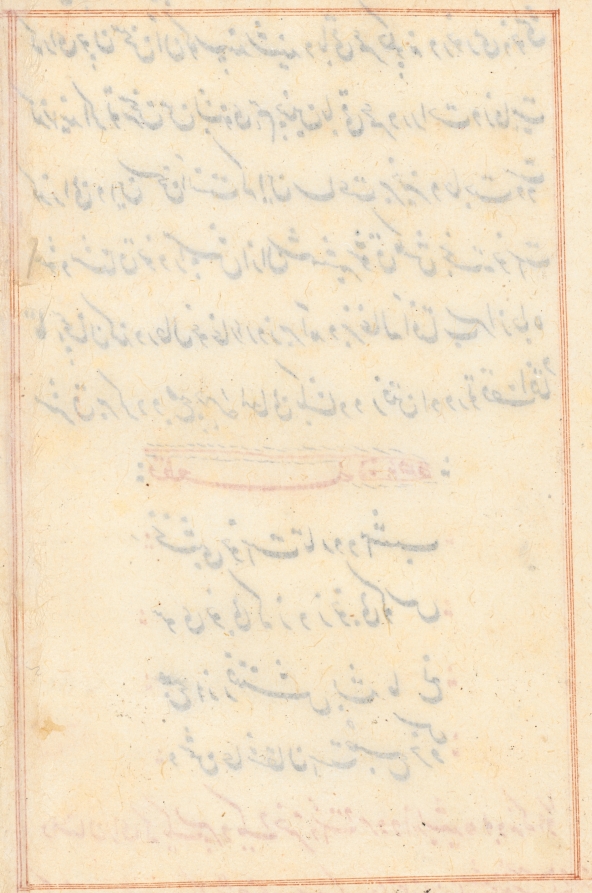 Page from Tales of a Parrot (Tuti-nama): text page (blank)
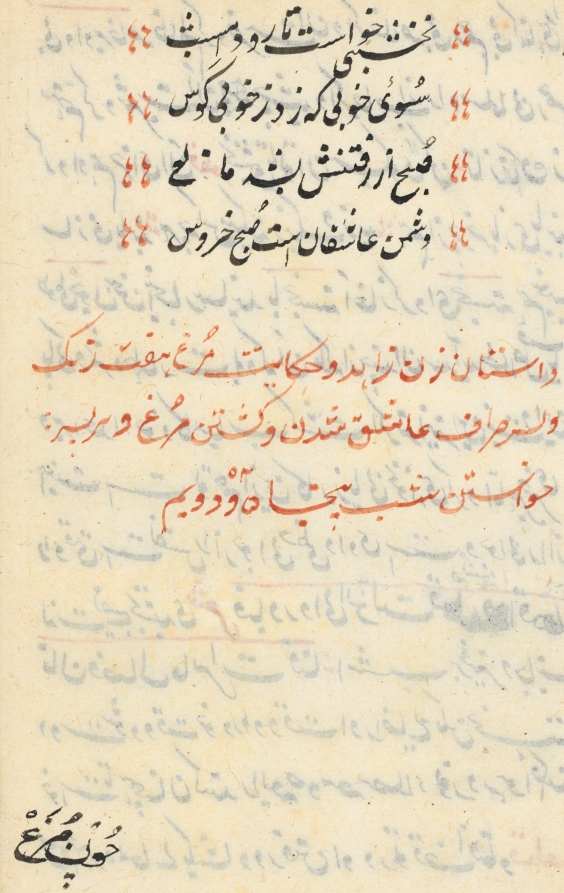 Page from Tales of a Parrot (Tuti-nama): text page
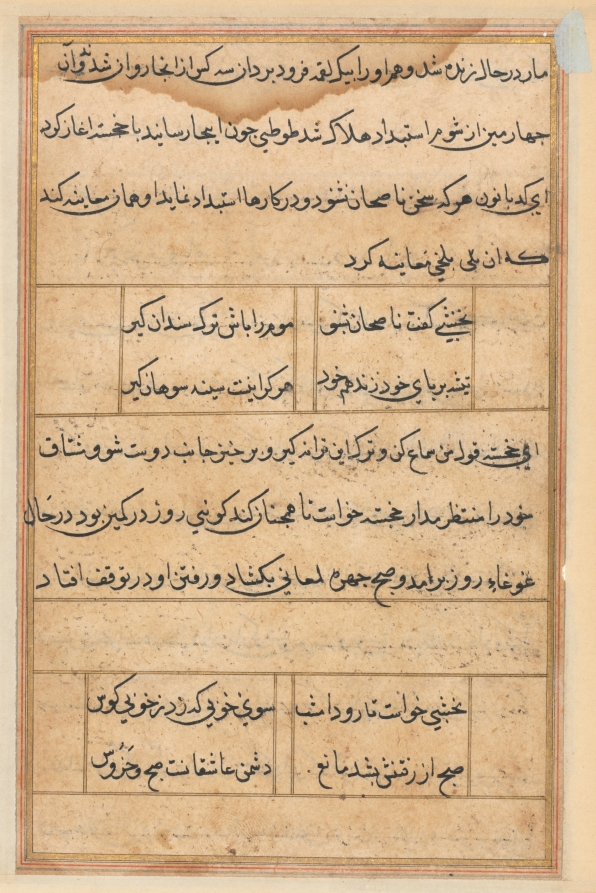 Page from Tales of a Parrot (Tuti-nama): text page