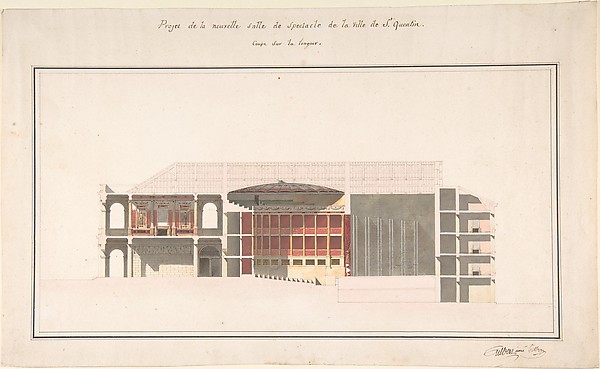
Emile-Jacques Gilbert|Louis Baptiste Gilbert
In the collection of The Metropolitan Museum of Art, New York — check current display status with the museum.
Be the first to share your thoughts.
Sign in to join the discussion.
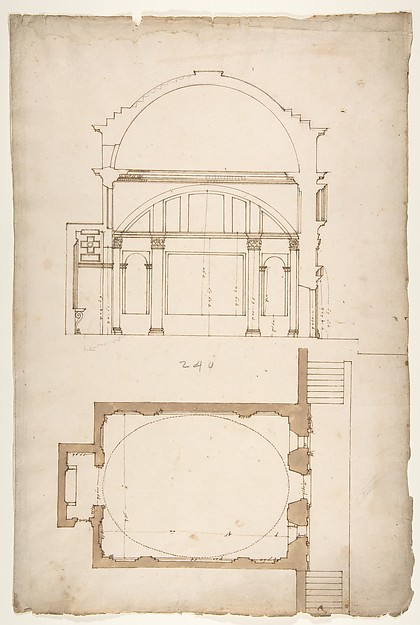 Anonymous, French, 16th century — S. Andrea via Flaminia, pl
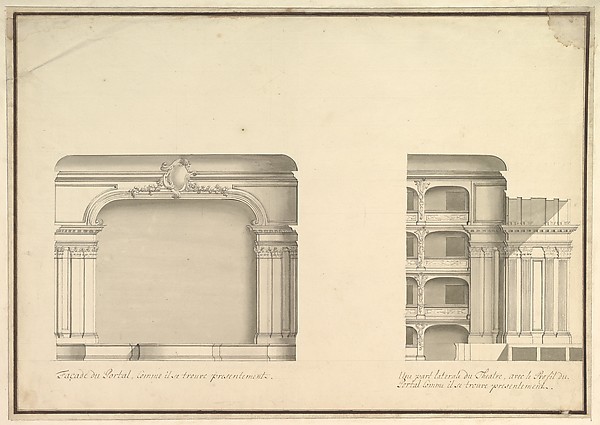 Giuseppe Galli Bibiena — Elevation of Proscenium and Lateral
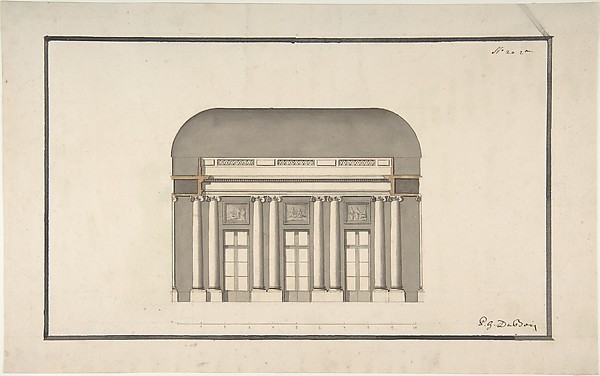 Anonymous, French, 18th century — Section of a Ballroom: Thr
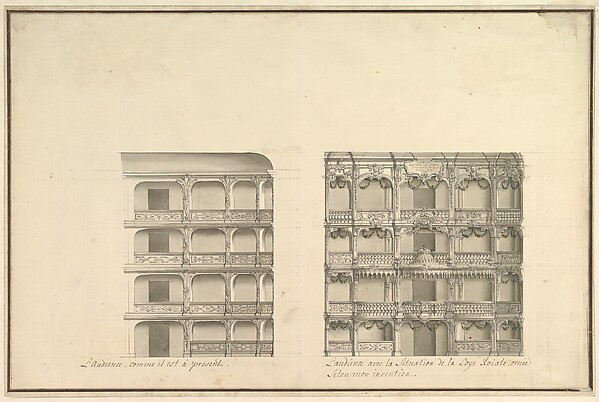 Giuseppe Galli Bibiena — Elevation of Boxes and Royal Box as
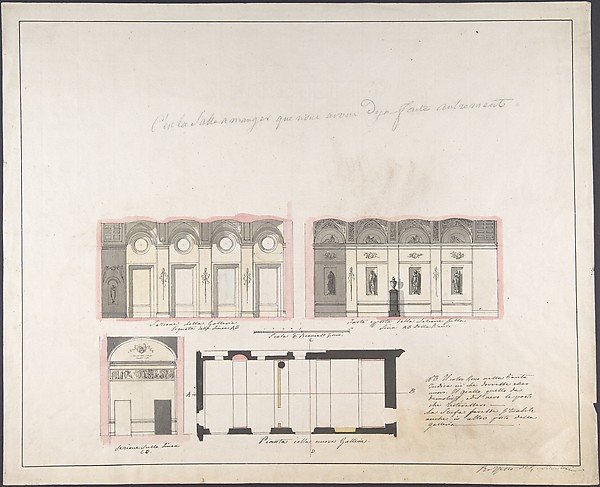 Giovanni Battista Silvestri — Plan "della nuova Galleria"
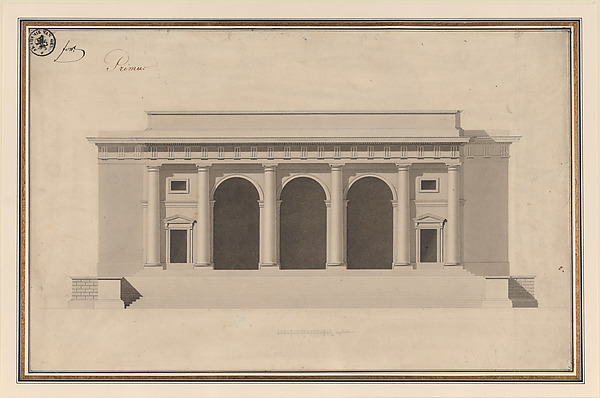 Anonymous, French, 18th century — Design for a Façade
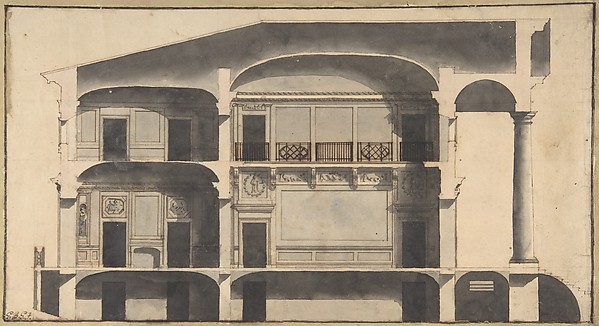 Giovanni Battista Galliani — Section of a House with Portico
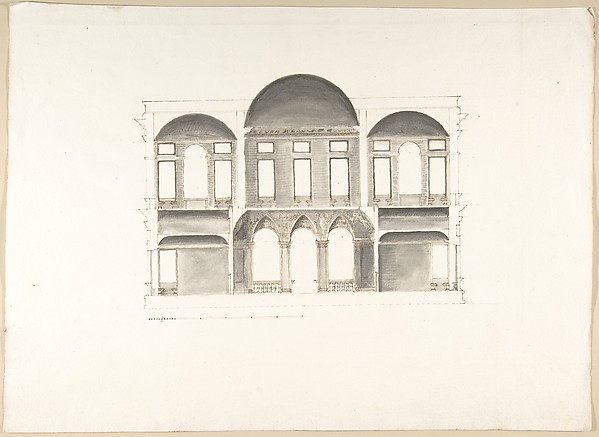 Pietro Paolo Coccetti (Cocchetti) — Section of a Palace (Pro
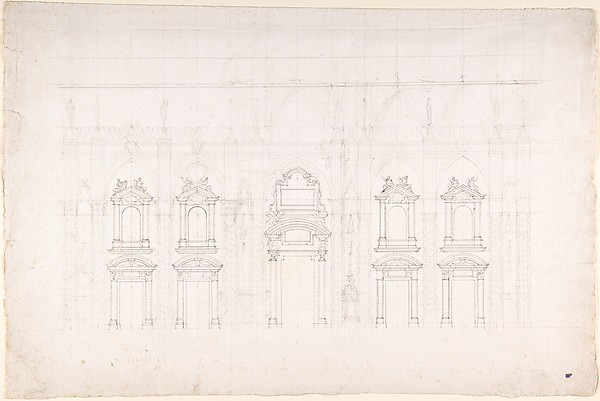 Luigi Vanvitelli — Detail study for the façade of Milan cath
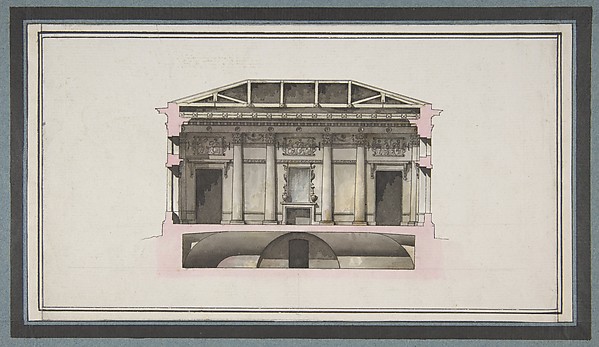 Giacomo Quarenghi — Project for the Alexander Palace, Tsarsk
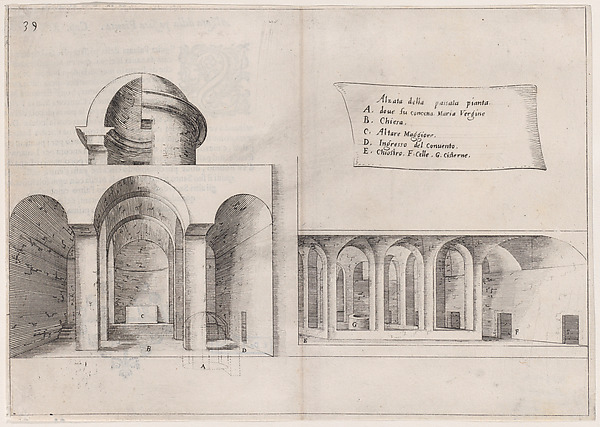 Jacques Callot|Bernardino Amico|Pietro Cecconcelli — 32nd Pl
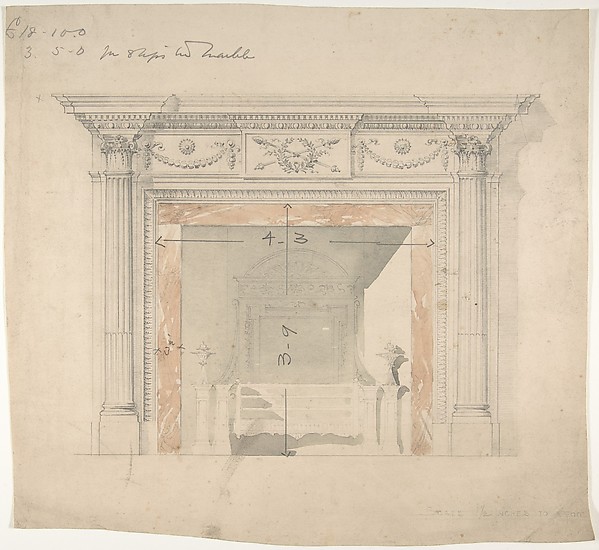 Anonymous, British, late 18th–early 19th century — Design fo