Mushfiq

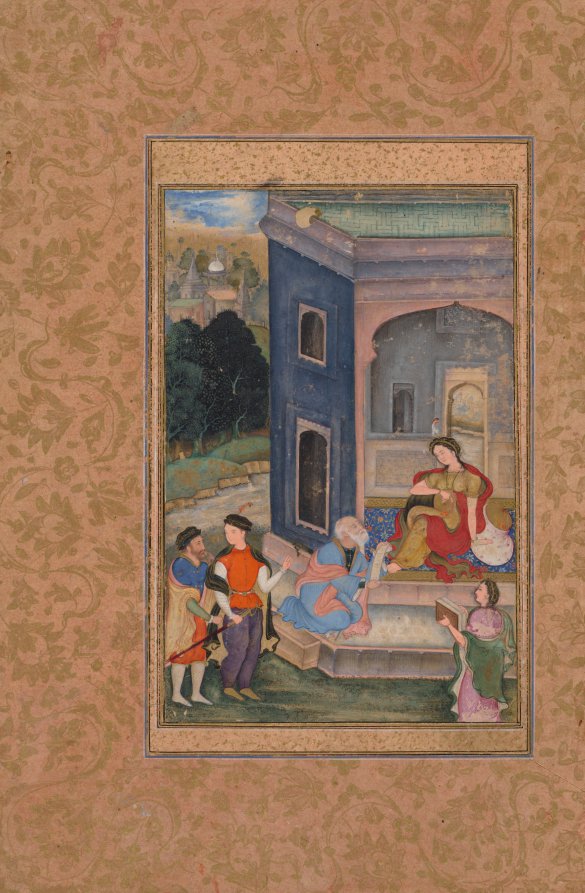
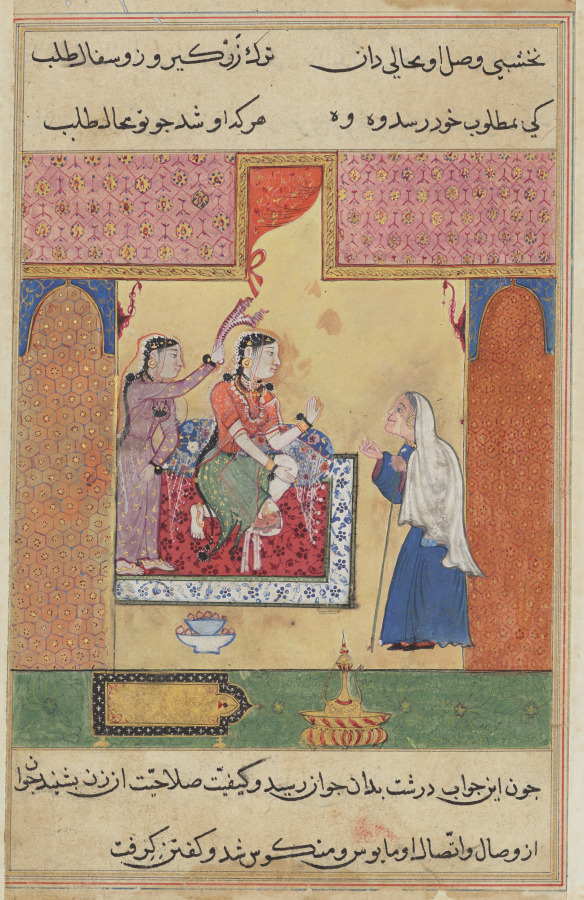
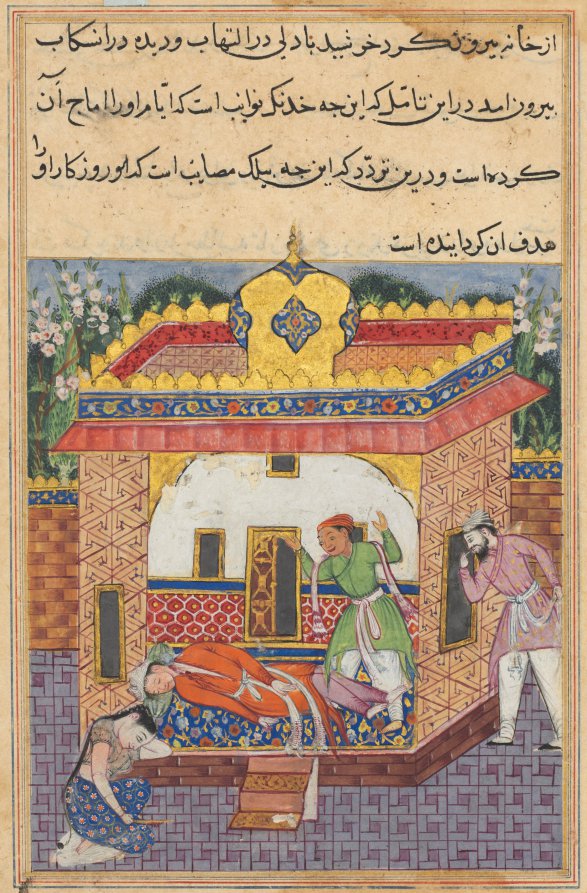
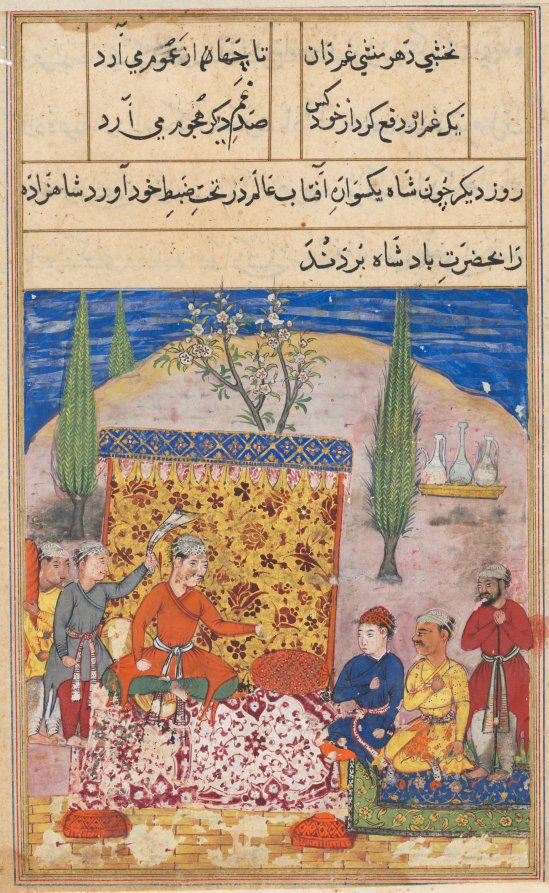
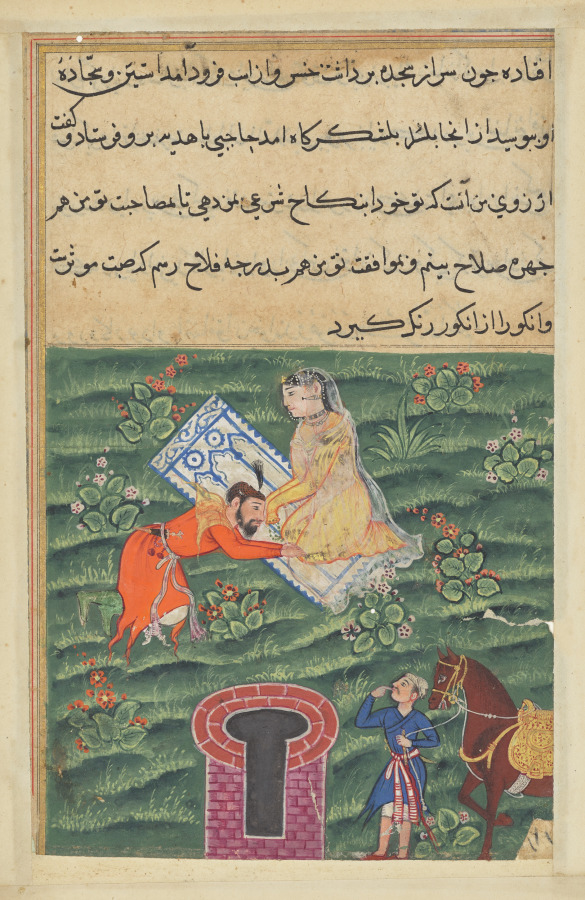
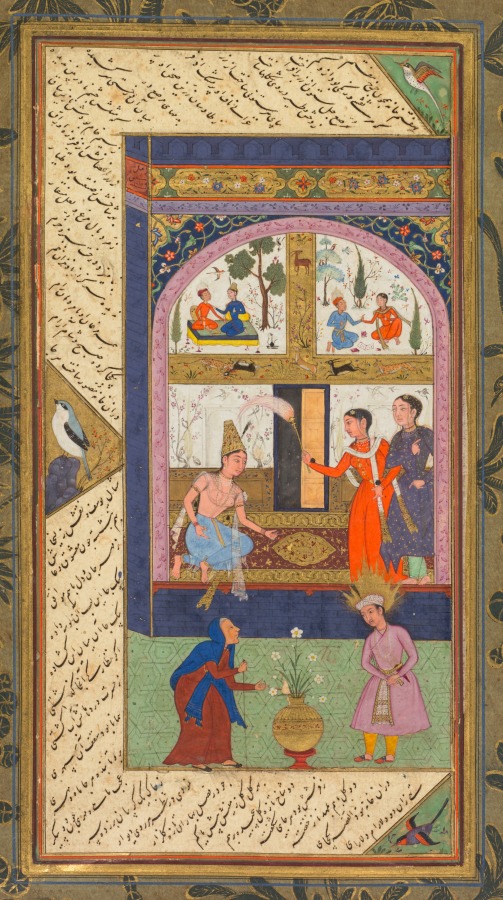
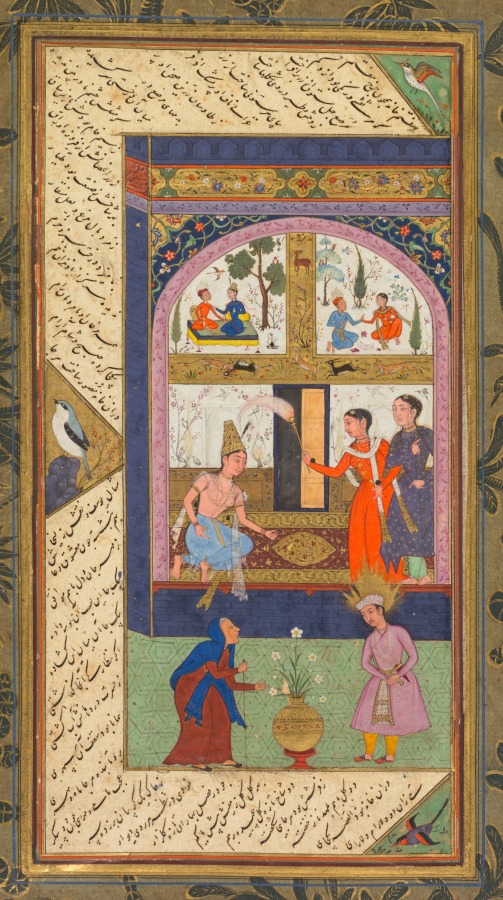
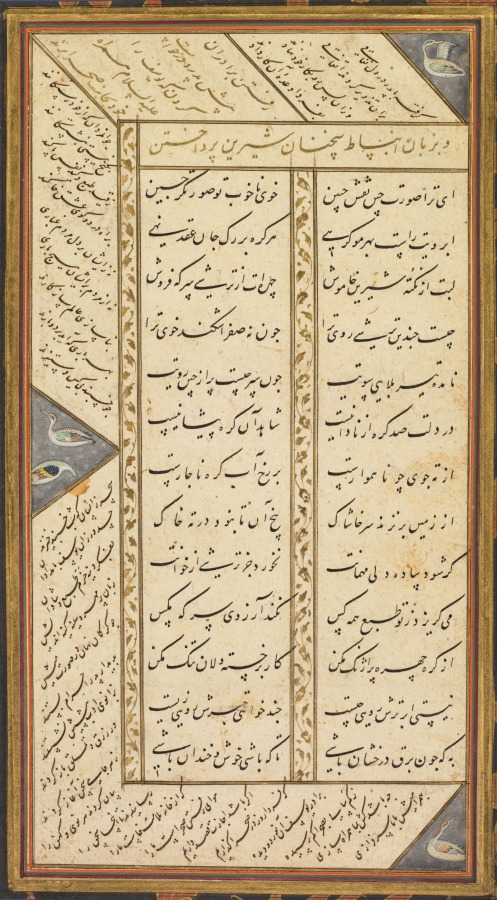
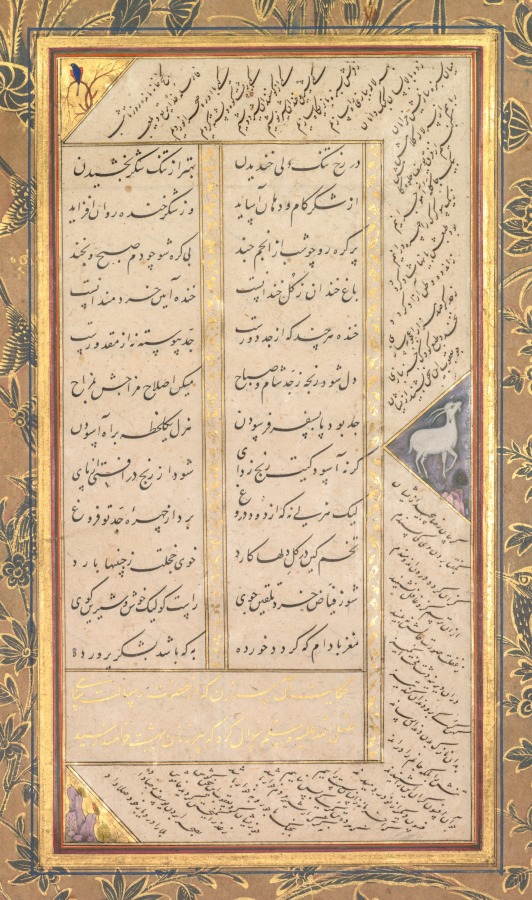
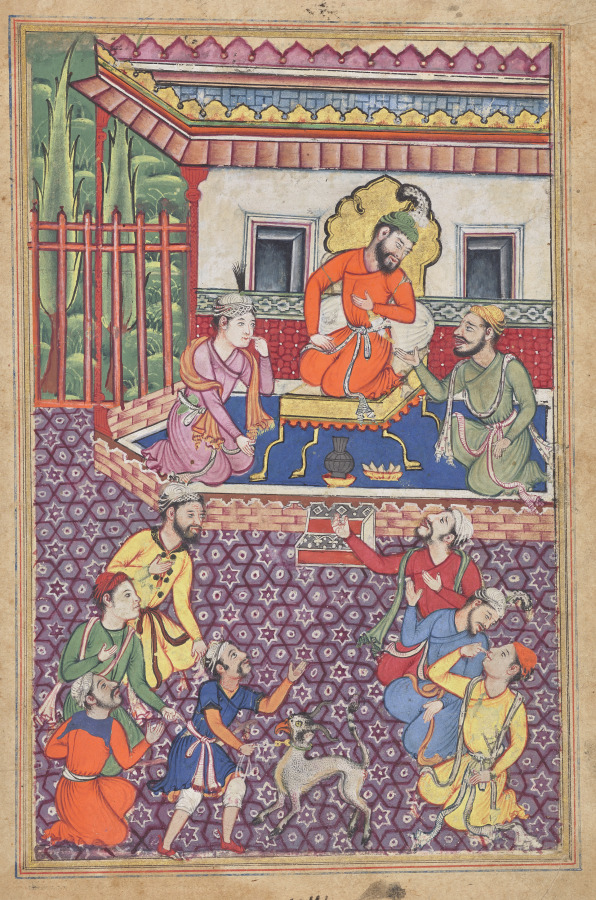
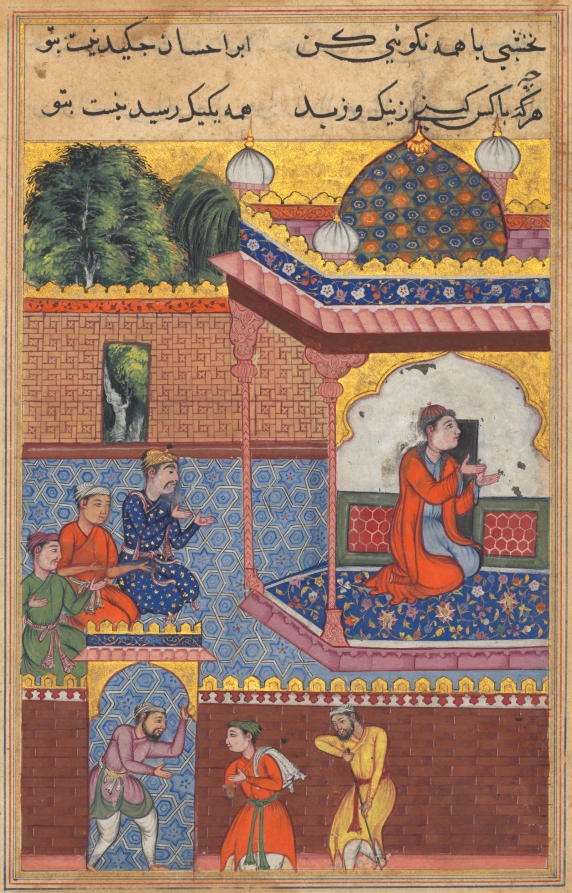
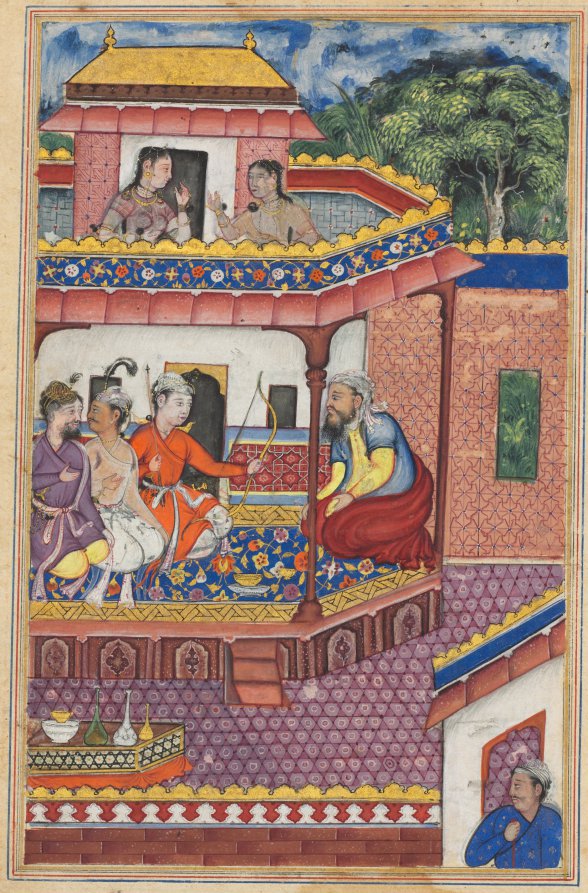
Zulaykha in her palace and as an elderly woman with Joseph (recto), from a Panj Ganj (Five Treasures) of Abd al- Rahman Jami (Persian, 1414–1492)

1603–7
Gum tempera, ink, and gold on paper

SEE IT IN PERSON

Not currently on view

In the collection of Cleveland Museum of Art, Cleveland · as of July 2026

View at clevelandart.orgPlan a visit ↗

Discussion

FROM THE CLEVELAND MUSEUM OF ART’S CATALOG

Zulaykha is shown four times: twice in the murals, seated in the center, and below when she is much older.

Source ↗

Be the first to share your thoughts.

Sign in to join the discussion.

Community guidelines

More by Mushfiq

Zulaykha in her palace and as an old woman with Joseph, from a Panj Ganj (Five Treasures) of Abd al-Rahman Jami (Persian, 1414–1492); verso from a Panj Ganj of Abd al-Rahman Jami (Persian, 1414–1492), with two masnavis: Yusuf va Zulaykha (Joseph and Zulaykha) and Khirad-nama-i Iskandari (Alexander’s Book of Wisdom)Zulaykha in her palace and as an old woman with Joseph, fromFolios A and B from the "Five Treasures" (Panj Ganj) of JamiFolios A and B from the "Five Treasures" (Panj Ganj) of JamiFolio B: Folio from the "Five Treasures" (Panj Ganj) of Jami (recto)Folio B: Folio from the "Five Treasures" (Panj Ganj) of JamiIlluminated page (verso), from a Panj Ganj (Five Treasures) of Abd al- Rahman Jami (Persian, 1414–1492) with two Persian masnavis: Yusuf va Zulaykha (Joseph and Zulaykha) and Khirad-nama-i Iskandari (Alexander’s Book of Wisdom)Illuminated page (verso), from a Panj Ganj (Five Treasures) Page from the Panj Ganj (Five Treasures) of Abd al-Rahman Jami (Persian, 1414–1492), with two Persian masnavis (narrative poems): Yusuf va Zulaykha (Joseph and Zulaykha) and Subhat al-abrar (Rosary of the Righteous)Page from the Panj Ganj (Five Treasures) of Abd al-Rahman JaPage from a Panj Ganj (Five Treasures) of Abd al-Rahman Jami (Persian, 1414–1492), with two Persian
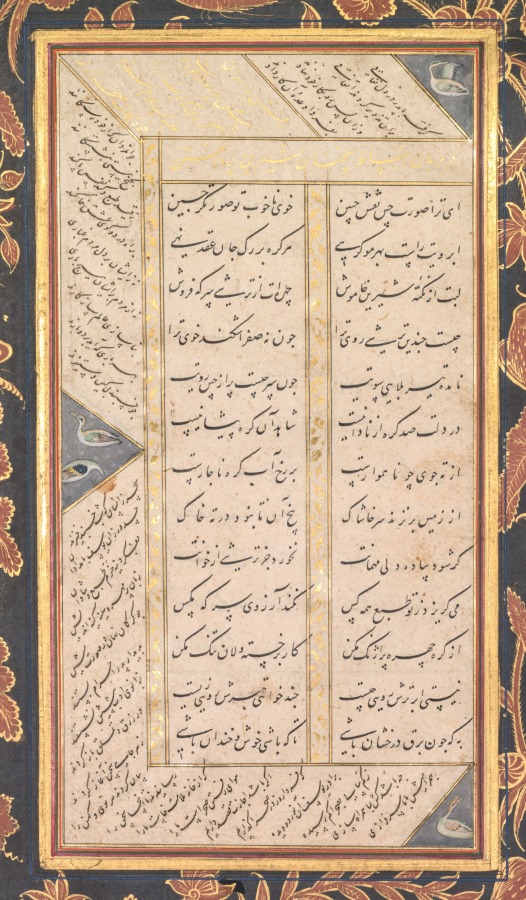
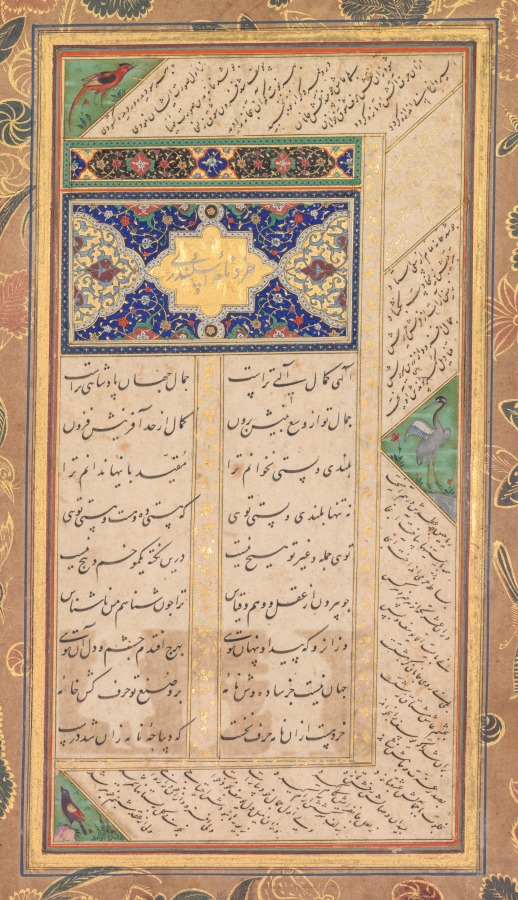
masnavis: Yusuf va Zulaykha (Joseph and Zulaykha) and Subhat al-abrar (Rosary of the Righteous) (verso)Page from a Panj Ganj (Five Treasures) of Abd al-Rahman Jami
More like this

The Birth of Rustam, page from a copy of the Shahnama of FirdausiIslamic — The Birth of Rustam, page from a copy of the ShahnThe court of the Raja of Ujjain, from a Tuti-nama (Tales of a Parrot): Forty-sixth NightThe court of the Raja of Ujjain, from a Tuti-nama (Tales of Prince Visiting an Ascetic during a HuntIndia Kashmir — Prince Visiting an Ascetic during a HuntKaiwan, Latif, and Sharif arrive at a house of worship, where they seek help from Khurshid who has become a mystical healer, from a Tuti-Nama (Tales of a Parrot): Thirty-second NightKaiwan, Latif, and Sharif arrive at a house of worship, wherThe magician disguised as a Brahman returns to claim his “daughter-in-law,” from a Tuti-nama (Tales of a Parrot): Thirty-fifth NightThe magician disguised as a Brahman returns to claim his “daGarden SceneIslamic — Garden SceneThe three young men present themselves as suitors for the hand of Zuhra, the daughter of the merchant of Kabul, from a Tuti-nama (Tales of a Parrot): Thirty-fourth NightThe three young men present themselves as suitors for the haThe Brahman gives an account of his falling in love with the king of Babylon’s daughter to his friend, the magician, from a Tuti-nama (Tales of a Parrot): Thirty-fifth NightThe Brahman gives an account of his falling in love with theEuropean Costume SceneEuropean Costume SceneThe young prince recounts his experiences to his father, the king, from a Tuti-nama (Tales of a Parrot): Eighth NightSuraju (Indian) — The young prince recounts his experiences An Ambassador before HumayunMiskin (Indian, active 1570s–c. 1604) — An Ambassador beforeThe old procuress conveys the young man’s message of love to Mansur’s wife, from a Tuti-nama (Tales of a Parrot: Seventeenth NightSravana (Indian) — The old procuress conveys the young man’s