Who Was Edgar Degas, the Painter of Dancers?
He hated being called an Impressionist — and painted the ballet like no one before or since.
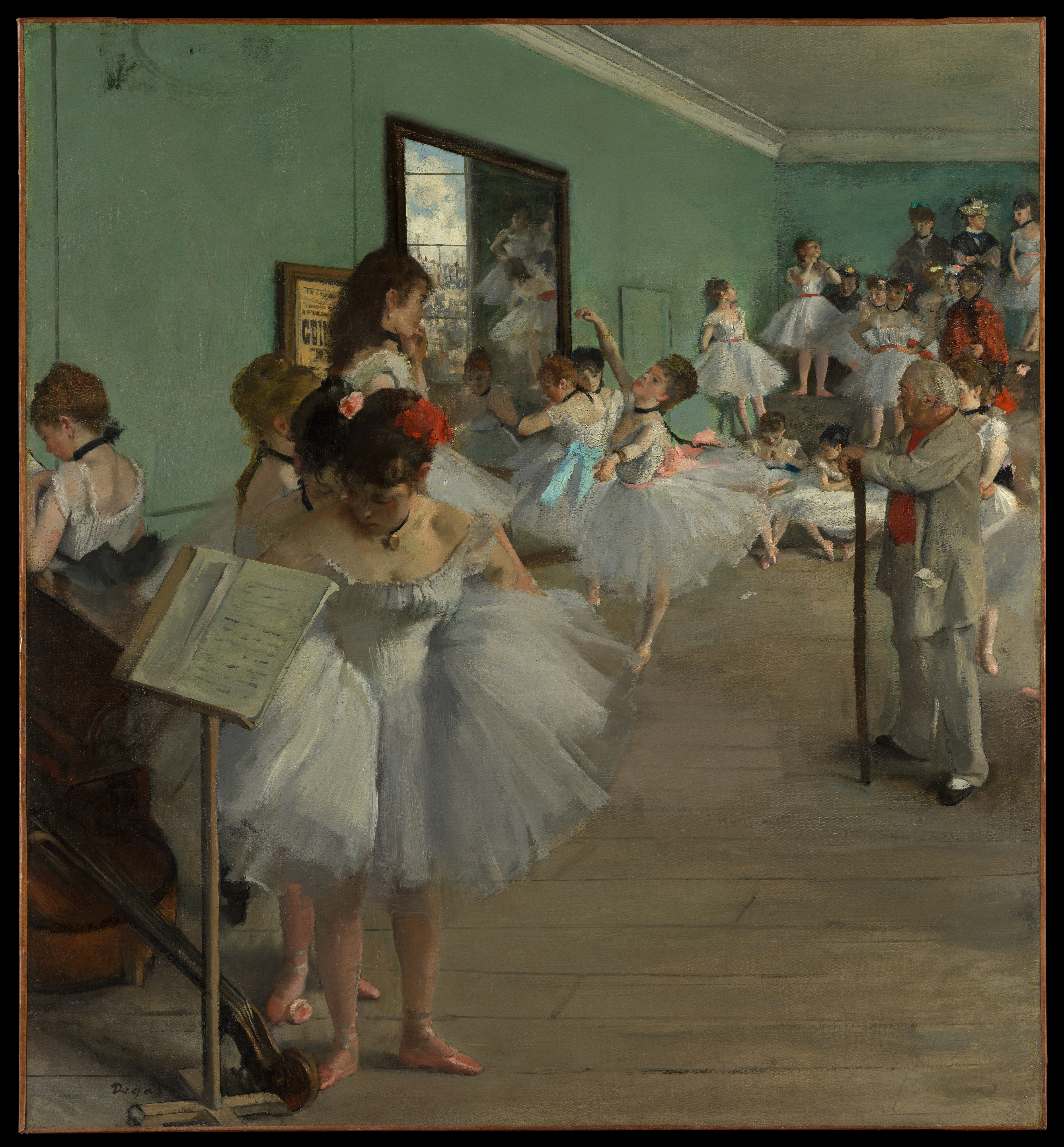
Edgar Degas (1834–1917) was a French artist best known for his paintings, pastels, and sculptures of ballet dancers. Though he exhibited with the Impressionists, he preferred to be called a Realist — a superb draftsman fascinated by movement, rehearsal, and unguarded moments. His dancers, bathers, and racehorses are among the most recognizable images of modern Paris.
Edgar Degas is the painter you think of the moment someone says "ballet." Across paintings, pastels, and small sculptures, he returned again and again to dancers — but the surprise is how little he cared for the pretty, poster version of them, and how much he cared for the sweat and boredom behind the curtain.

Why did Degas paint so many dancers?
Because the ballet gave him everything he loved: disciplined movement, difficult poses, and the unglamorous labor most artists left out. Something like half of his output involves dancers, and he rarely showed them in the glow of a finished performance. He painted the rehearsal, the adjusted slipper, the yawn, the exhausted slump against a wall.
He was fascinated by bodies in motion and by the strange angles of the modern eye — figures cropped at the frame's edge as if glimpsed by accident.

Was he an Impressionist?
He exhibited with them, but he rejected the label — and not quietly. Degas helped organize the independent Impressionist exhibitions and showed in most of them, yet he called himself a Realist and reportedly bristled at the group's name. You can see the difference in the work: while Claude Monet and friends chased fleeting light outdoors, Degas prized drawing, worked mostly indoors and from memory, and built his pictures with a draftsman's rigor.
That whole rebellious circle and its clashes with the official Salon are the subject of why the Impressionists were rejected.
What else did he make?
Far more than dancers. Degas was a restless experimenter in pastel, oil, printmaking, and sculpture — most famously the wax Little Dancer Aged Fourteen, a startlingly real figure dressed in a real tutu. He painted racehorses, milliners, laundresses, and the smoky café life of Paris.

The woman in that café scene turns up across the art of the era; we follow her in the actress in three masterpieces. Many of Degas's finest works now hang at The Metropolitan Museum of Art.
As his own eyesight declined in later years, Degas leaned ever more on pastel and sculpture, working the medium in bold, broken strokes of color. Notoriously private and sharp-tongued, he never married and grew increasingly solitary, but his fascination with the human body in motion never let up.
Degas rewards the patient viewer who looks past the tutus to the fatigue and effort underneath. Slow down with one of his rehearsal scenes on DiscoverArt, and the whole hidden world of the dance opens up.
Sources
Discussion
Be the first to share your thoughts.
Sign in to join the discussion.