Bather With Outstretched Arms (recto); Study of a Tree (verso)
SEE IT IN PERSON
Not currently on view
In the collection of Art Institute of Chicago, Chicago · as of July 2026
Discussion
FROM THE ART INSTITUTE OF CHICAGO’S CATALOG
In the 1870s Paul Cezanne took up the subject of bathers, an interest that persisted until the end of his career. The artist did not use live models; his impetus was more conceptual than naturalistic, and he treated the human figure above all as an exercise in formal composition. This drawing derives from a group of studies and paintings that feature a single male bather with one arm rigidly outstretched. While the figure’s unconventional pose defies ready explanation, it was inspired by an ancient Roman sculpture of a dancing satyr in the Louvre Museum, Paris. Cezanne’s staccato lines, although they appear quick and spontaneous, were in fact applied carefully and methodically as he slowly explored his subject, endowing his bather with a monumentality that belies the drawing’s modest dimensions.
Be the first to share your thoughts.
Sign in to join the discussion.
More by Paul Cezanne
 The Village of L'Estaque Seen from the Sea (Le village de l'
 River Bend (Coin de rivière)
 Auvers, Panoramic View
 Two and a Half Apples (Deux pommes et demie)
 The Bellevue Plain / The Red Earth (La plaine de Bellevue /
  Madame Cézanne (Hortense Fiquet, 1850–1922) in the Conservat
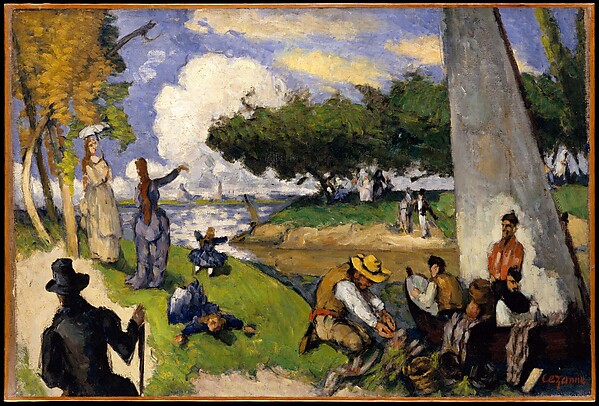 The Fishermen (Fantastic Scene)
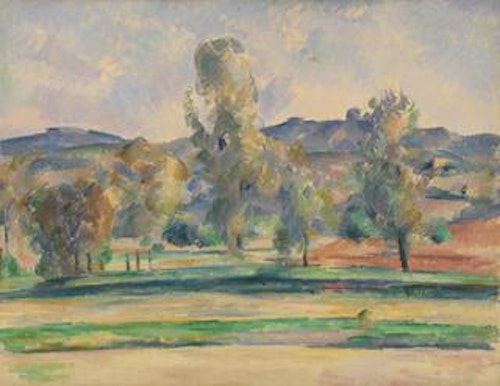 Autumn Landscape (Paysage d'automne)
More like this
 Jean Baptiste Camille Corot — Standing Male Nude
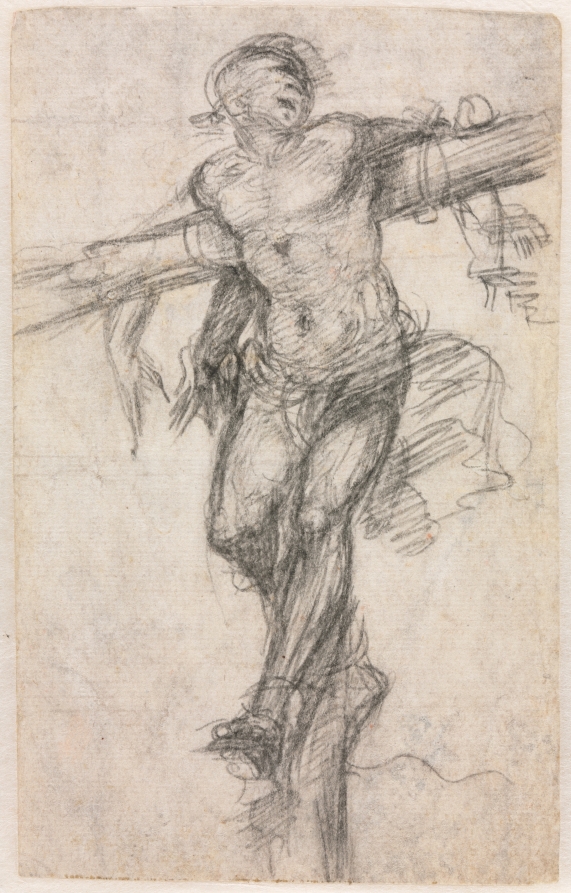 Sodoma (Italian, 1477–1549) — The Unrepentant Thief
 François Le Moyne — Hercules Raising his Club: Study for “He
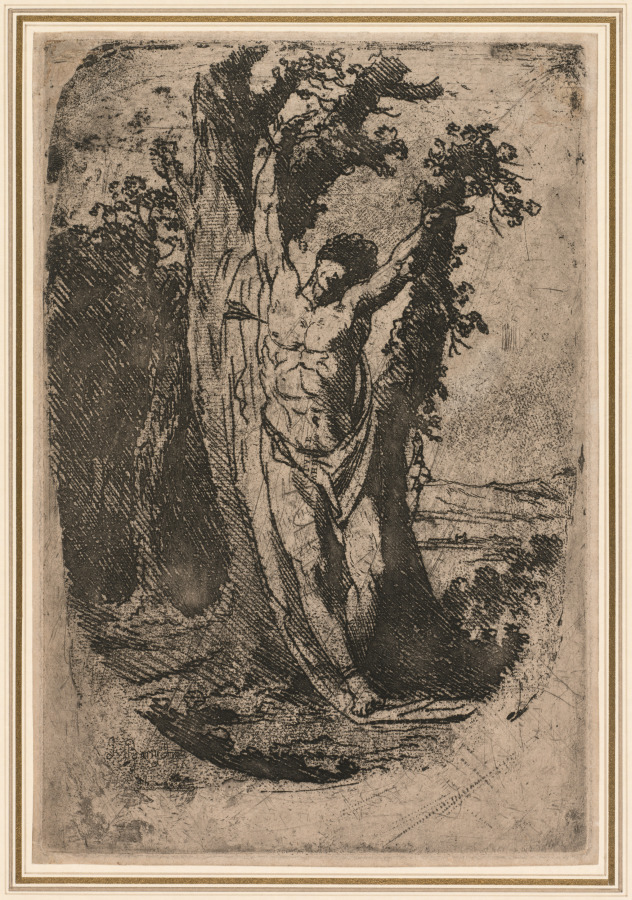 James Barry (Irish, 1741–1806) — Saint Sebastian
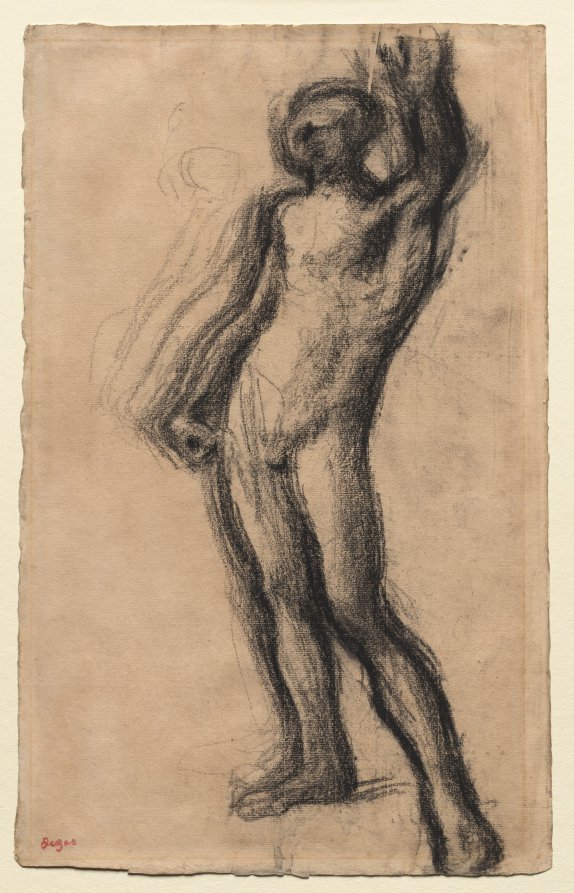 Edgar Degas (French, 1834–1917) — Nude Man Standing, with Le
 Giacomo Zoboli — Christ Blessing
 Alphonse Legros — Study of a Figure
 Aristide Maillol (French, 1861–1944) — Study of a Male Nude
 Pedro Duque Cornejo|Anonymous, Spanish, School of Seville,
  Guercino (Giovanni Francesco Barbieri) — Seated Nude Young M
 Anonymous, Spanish, School of Seville, 17th century|Pedro D
 Jean Restout le jeune — Seated Male Nude