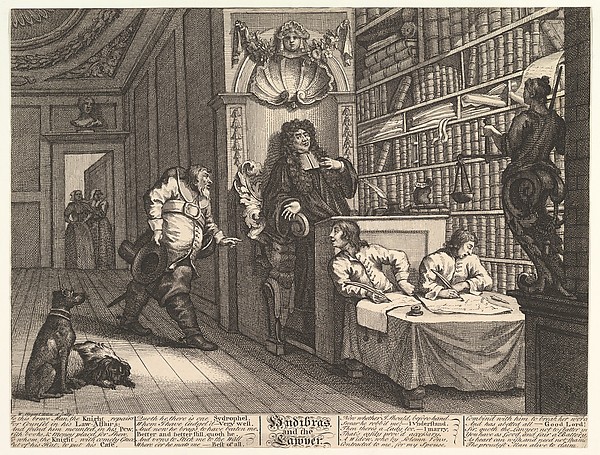
Hudibras and the Lawyer, plate twelve from Hudibras
SEE IT IN PERSON
Not currently on view
In the collection of Art Institute of Chicago, Chicago · as of July 2026
Discussion
FROM THE ART INSTITUTE OF CHICAGO’S CATALOG
William Hogarth here depicted Hudibras’s visit to a lawyer who encourages the knight to write a letter to the woman he is courting. Just as Hudibras is a play on the popular figure of the “heroic knight,” Samuel Butler used his past experience in law to satirize the lawyer. Hogarth translated Butler’s humorous critique into the engraving by showing a robed and wigged lawyer sitting in his office like a king on his throne. Hogarth’s engravings of Butler’s satirical epic summarize the social and political environment in England with the same cleverness and wit seen in his later works, including the Marriage à la Mode and A Harlot’s Progress .
Be the first to share your thoughts.
Sign in to join the discussion.
More by William Hogarth


More like this
 Philip Overton|John Cooper|William Hogarth|Samuel Butler — H
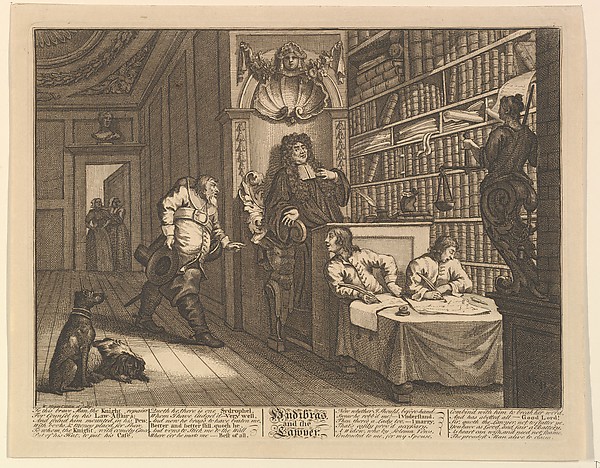 William Hogarth|Samuel Butler — Hudibras and the Lawyer (Twe
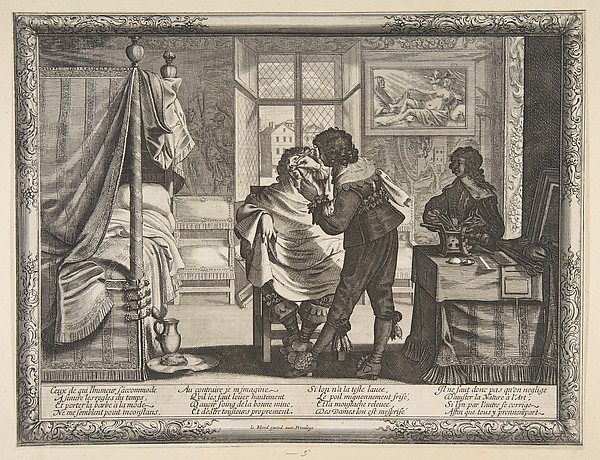 Abraham Bosse|Jean I Leblond — The Barber (le Barbier)
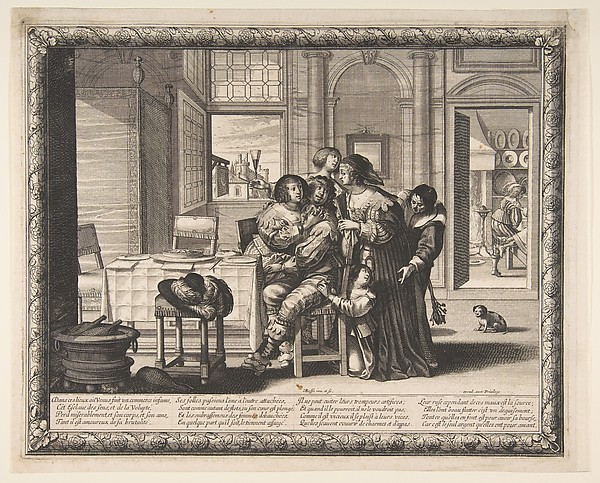 Abraham Bosse|Jean I Leblond — The Prodigal Son in a House o
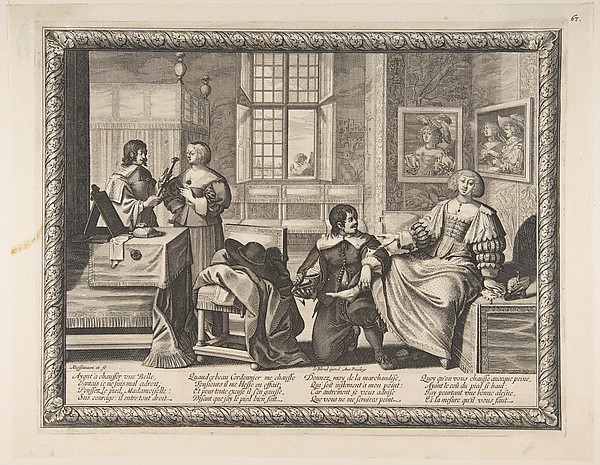 Abraham Bosse|Jean I Leblond — The Shoemaker
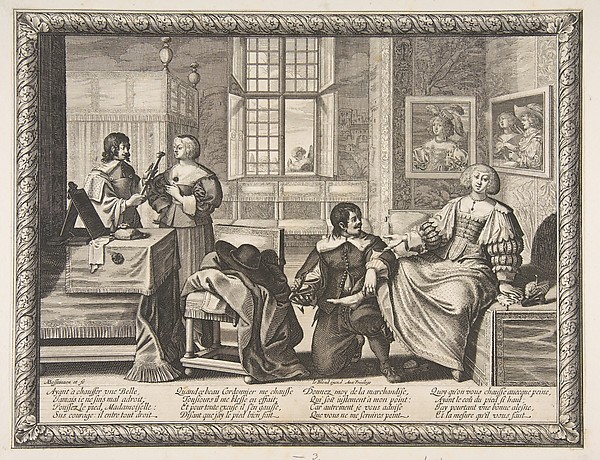 Abraham Bosse|Jean I Leblond — Shoemaker (Le Cordonnier)
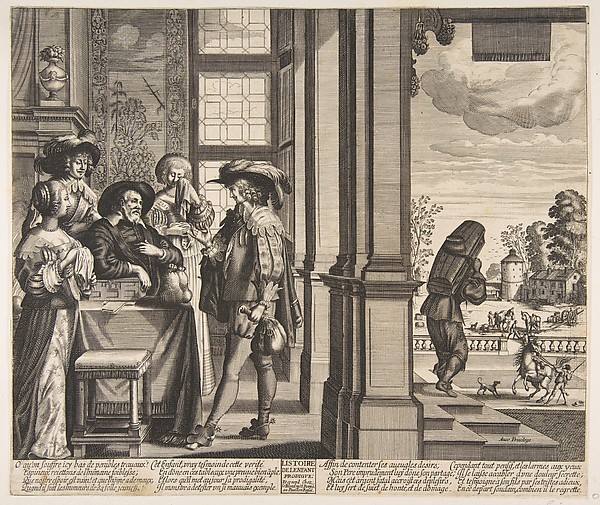 Anonymous|Abraham Bosse — The Prodigal Son Leaves Home
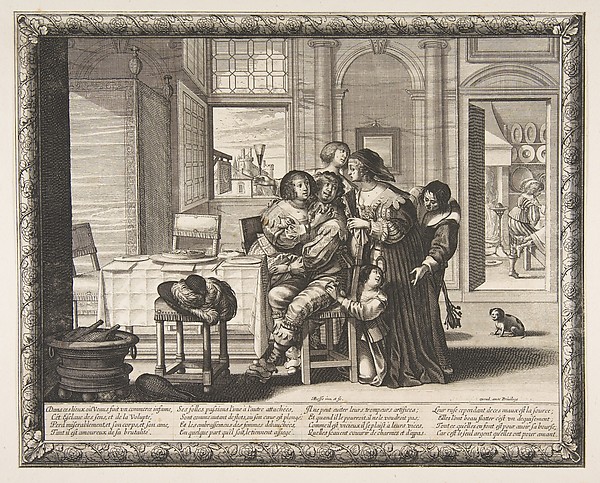 Abraham Bosse|Jean I Leblond — The Prodigal Son in a House o
 Abraham Bosse — Old Age, plate four from Depicting the Four
  Abraham Bosse|Jean I Leblond — The Gallery of the Palace of
  Abraham Bosse (French, 1602–1676) — The Prodigal Son
 Abraham Bosse|Jean I Leblond — The Prodigal Son Changes His