In the collection of Cleveland Museum of Art, Cleveland — check current display status with the museum.
FROM THE CLEVELAND MUSEUM OF ART’S CATALOG
Such depictions of the God of Thunder originated in Buddhist art. Here, the image was painted on paper covered with gold dust, a technique often found in paintings by Tawaraya Sotatsu or of the Sotatsu school. This gold technique and the "Inen" seal here suggest that the anonymous painter of this screen was probably associated with the Sotatsu workshop. The artist used a prototype borrowed from earlier Japanese narrative painting—rather than mechanically reproducing Sotatsu’s image—and created a bold, innovative image that served the world of play and leisure in early Edo Japan. The theme of "God of Thunder" was often paired with "God of Wind" and has been frequently reinterpreted by generations of Rimpa artists. Unfortunately, the screen God of Wind which would have accompanied this God of Thunder cannot be located.
Be the first to share your thoughts.
Sign in to join the discussion.
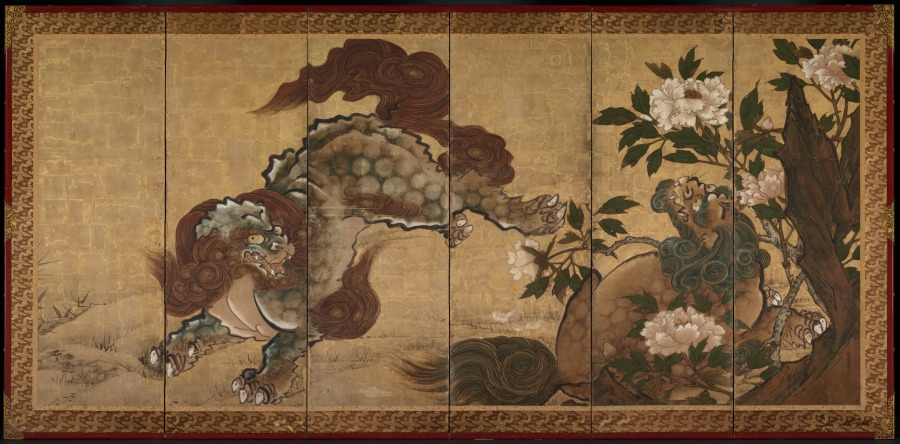 Yamaguchi Sekkei (Japanese, 1644–1732) — Lions and Tigers in
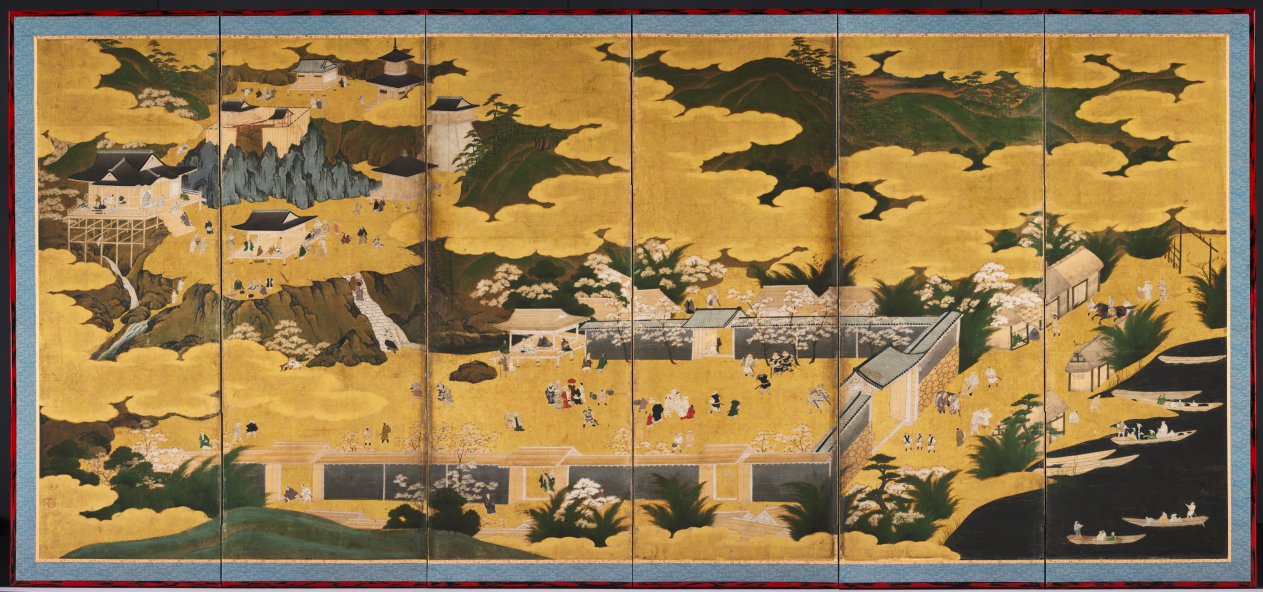 Famous Views of Ōmi
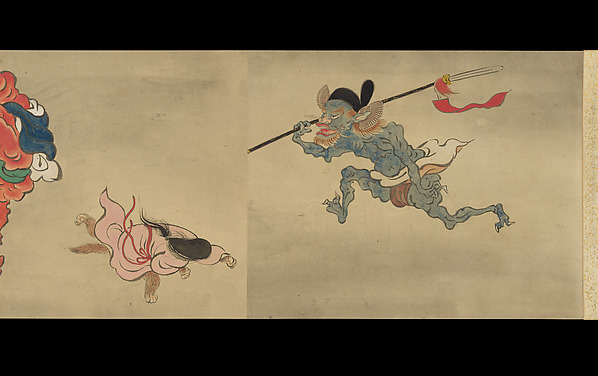 Mochizuki Gyokusen — 望月玉蟾筆 真珠庵蔵百鬼夜行絵巻図|Copy of Night Parade
 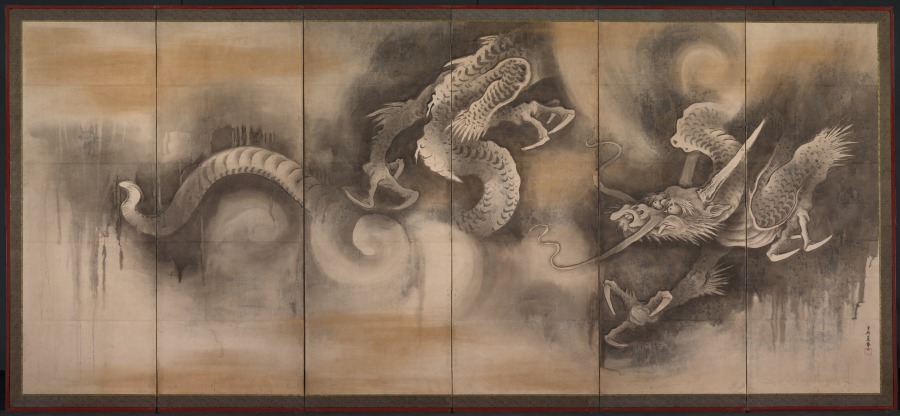 Soga Nichokuan (Japanese) — Dragon
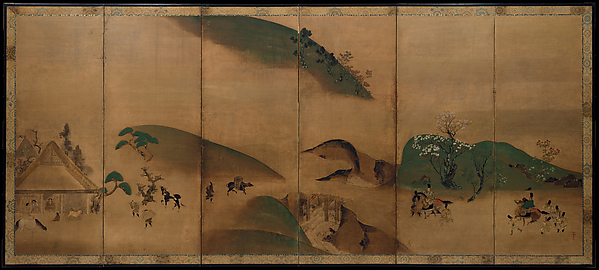
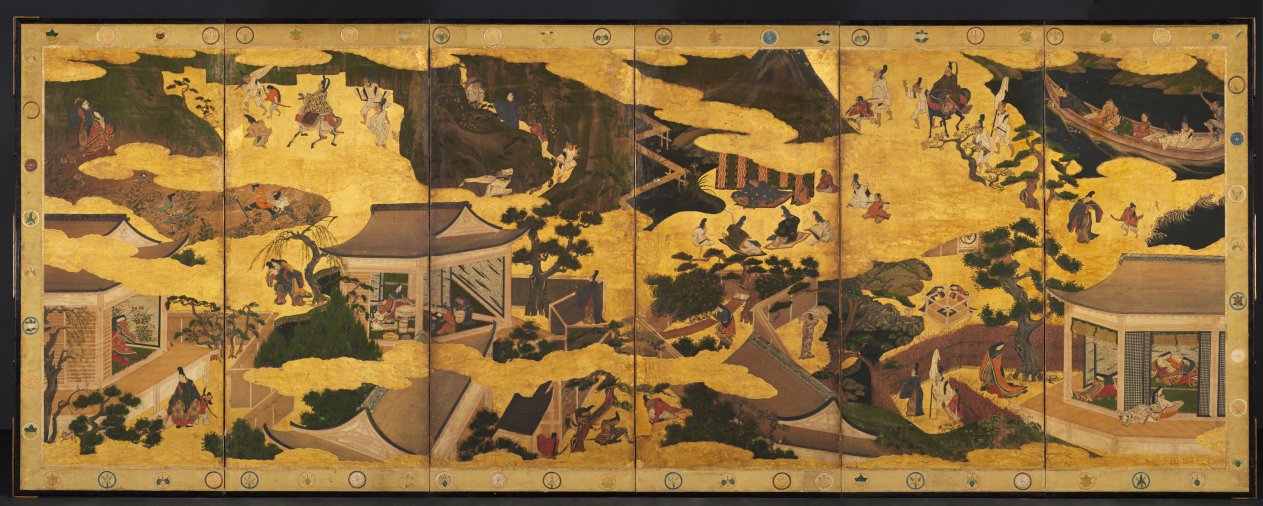 Scenes from the Tales of Ise
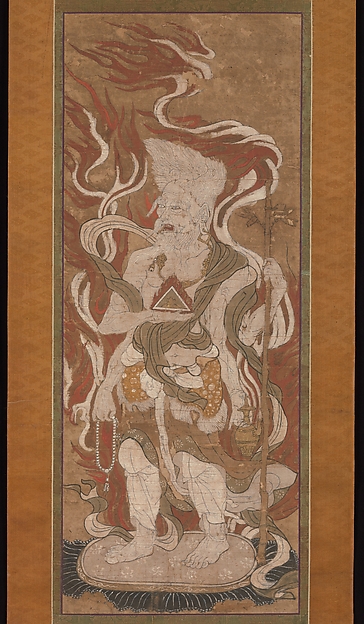 十二天像(火天)|One of the Twelve Devas: Katen
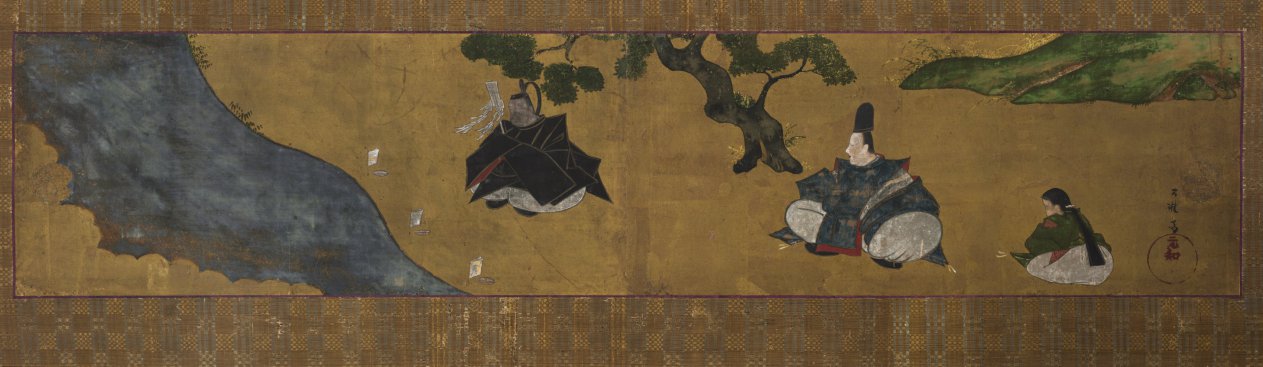 Tawaraya Sōri (Japanese, active late 1700s) — Ablution Scene
 Tosa School — 土佐派 屋島合戦図屏風|The Battle of Yashima, from The
 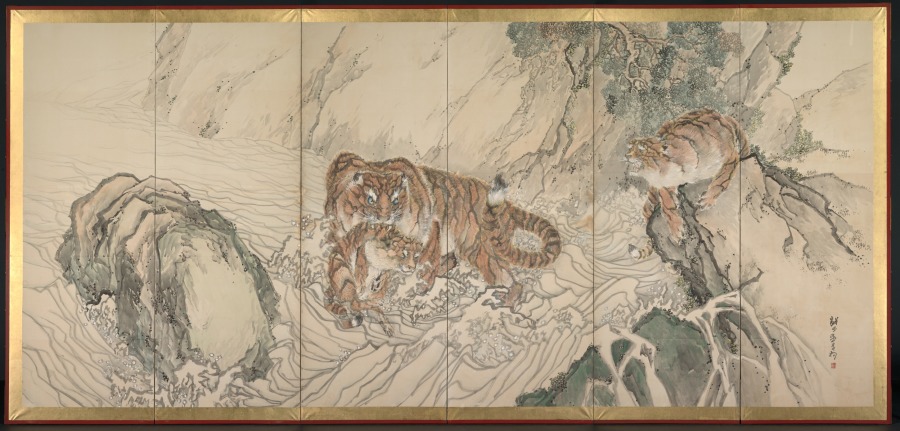 Kishi Ganku (Japanese, 1749/56–1838) — Tiger Family
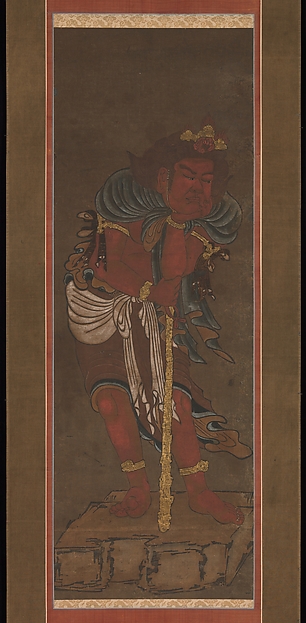 Ryūshū Shūtaku (Myōtaku) — 龍湫周沢写 不動明王二童子像|Fudō Myōō and Two
 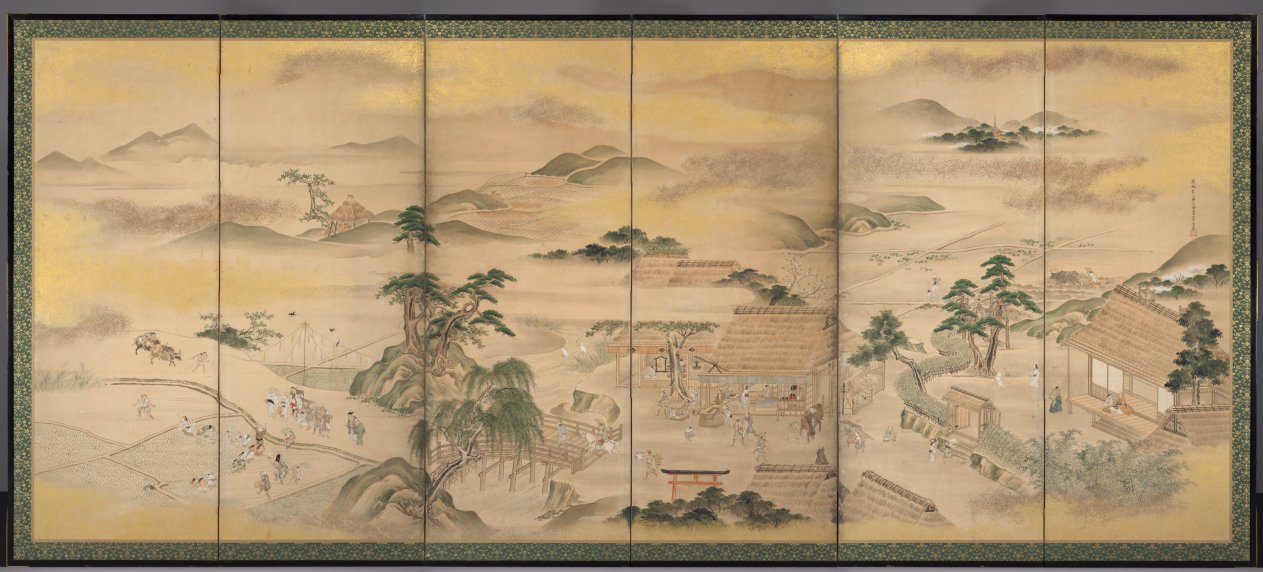 Kō Sūkoku (Japanese, 1730–1804) — Spring and Autumn Farming
 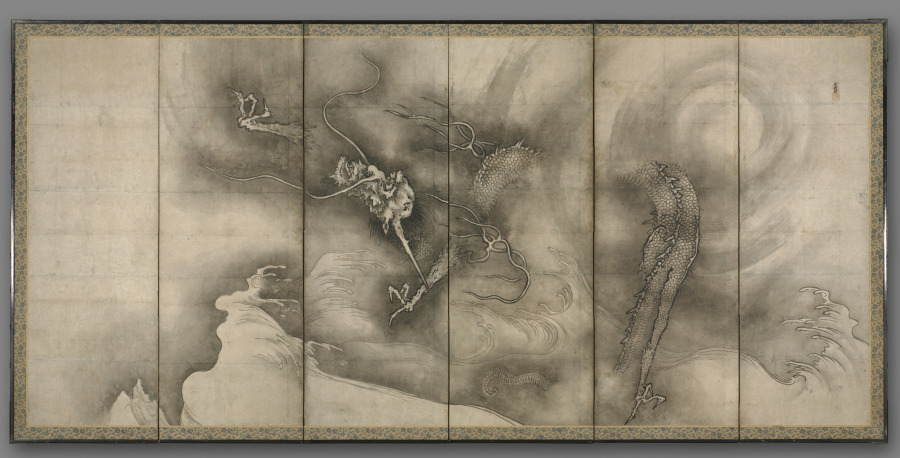 Sesson Shūkei (Japanese, c. 1492–c. 1577) — Dragon and Tiger