The Bay of Marseille, Seen from L'Estaque
SEE IT IN PERSON
● On view now — Gallery 248
Art Institute of Chicago, Chicago · verified July 2026
Discussion
FROM THE ART INSTITUTE OF CHICAGO’S CATALOG
In a letter to his friend and teacher Camille Pissarro , Paul Cézanne compared the view of the sea from L’Estaque to a playing card, with its simple shapes and colors. The landscape’s configuration and color fascinated him. This painting is one of more than a dozen such vistas created by the artist during the 1880s. Cézanne divided the canvas into four zones—architecture, water, mountain, and sky. Although these four elements are seen repeatedly in Impressionist paintings, Cézanne’s work is very different from that of his fellow artists. Whereas their primary purpose was to record the transient effects of light, Cézanne was interested in the underlying structure and composition of the views he painted. Filling the canvas with shapes defined by strong, contrasting colors and a complex grid of horizontal, vertical, and diagonal lines, he created a highly compact, dynamic pattern of water, sky, land, and village that at once refers back to traditionally structured landscape paintings and looks forward to the innovations of Cubism. Using blocklike brushstrokes to build the space, Cézanne created a composition that seems both two- and three-dimensional. Not locked tightly in place, his
Be the first to share your thoughts.
Sign in to join the discussion.
More by Paul Cezanne
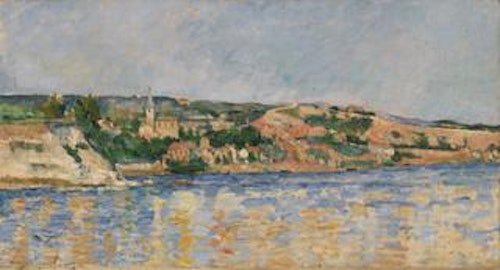 The Village of L'Estaque Seen from the Sea (Le village de l'
 River Bend (Coin de rivière)
 Auvers, Panoramic View
 Two and a Half Apples (Deux pommes et demie)
 The Bellevue Plain / The Red Earth (La plaine de Bellevue /
  Madame Cézanne (Hortense Fiquet, 1850–1922) in the Conservat
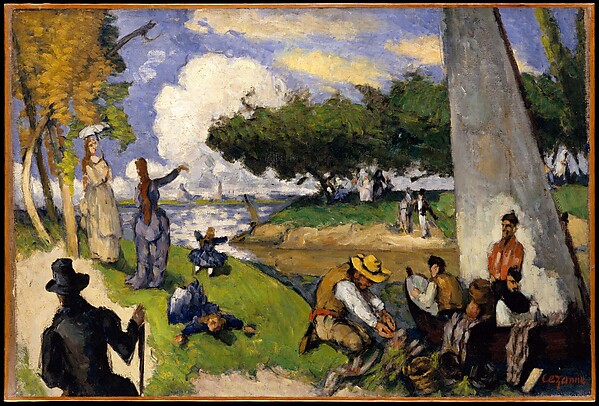 The Fishermen (Fantastic Scene)
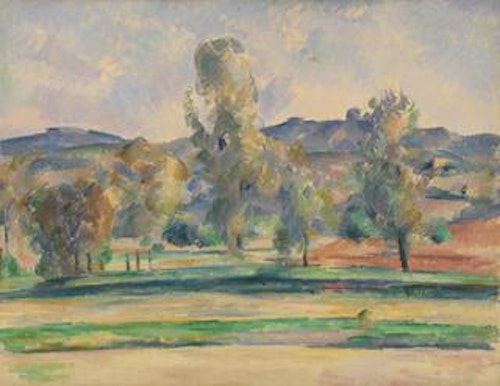 Autumn Landscape (Paysage d'automne)
More like this
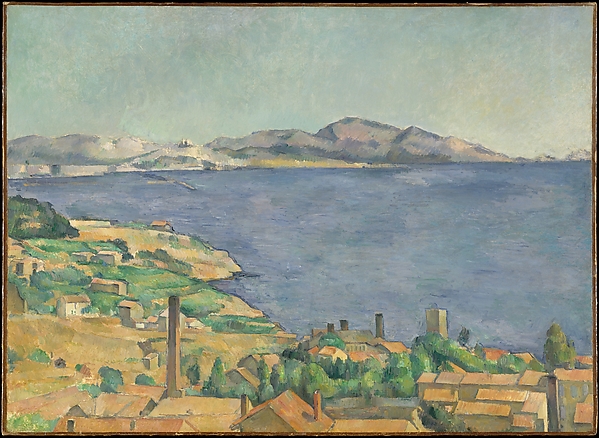 Paul Cézanne — The Gulf of Marseilles Seen from L'EstaquePaul Cézanne — The Bellevue Plain / The Red Earth (La plaine
 Paul Cézanne — View of the Domaine Saint-Joseph
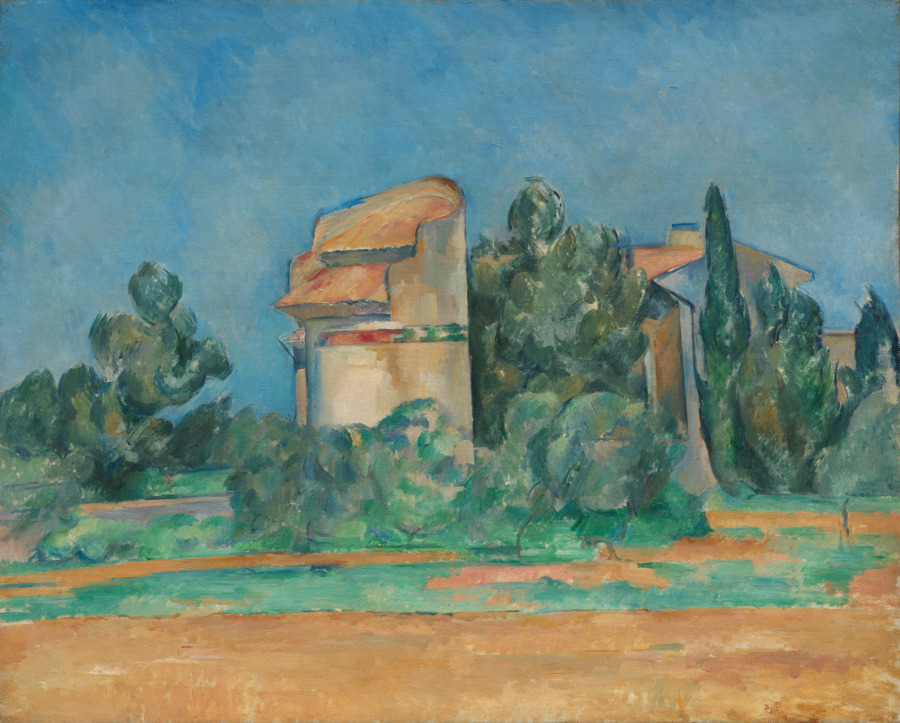 Paul Cezanne (French, 1839–1906) — The Pigeon Tower at Belle
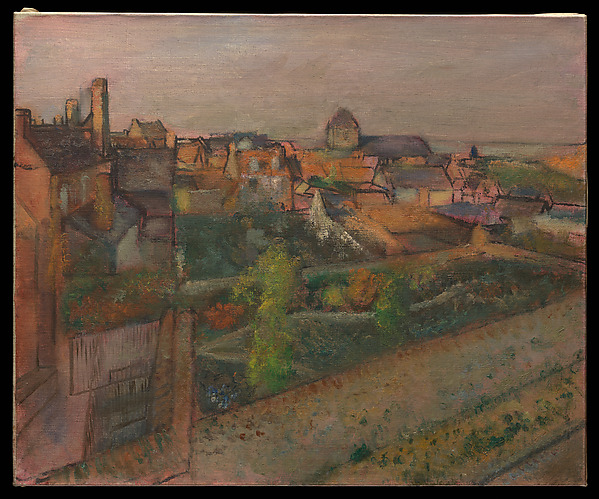 Edgar Degas — View of Saint-Valéry-sur-Somme
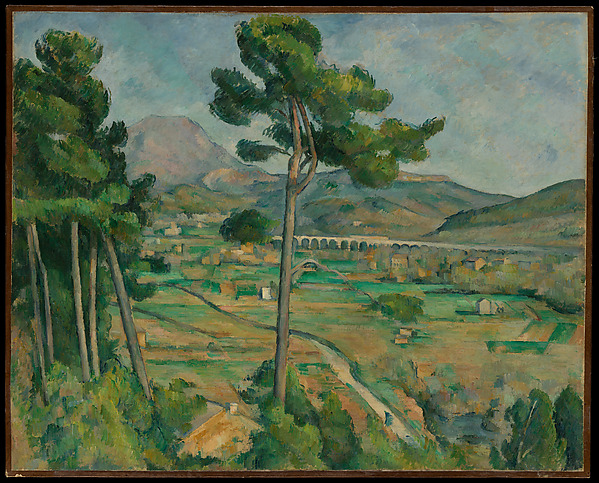 Paul Cézanne — Mont Sainte-Victoire and the Viaduct of the APaul Cézanne — The Village of L'Estaque Seen from the Sea (L
 Henri Matisse — The Sea Seen from Collioure (La Mer vue de C
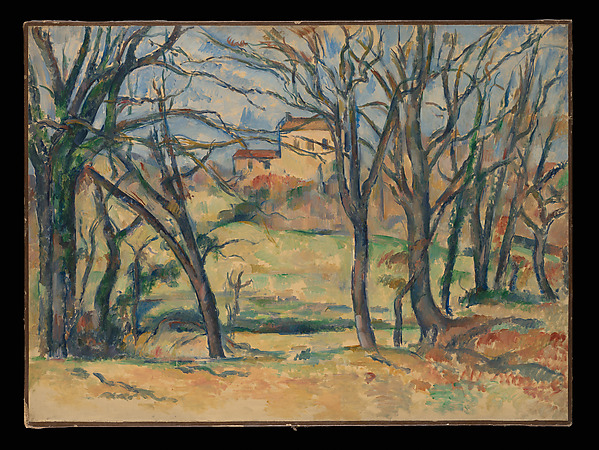 Paul Cézanne — Trees and Houses Near the Jas de Bouffan
 Paul Cézanne — Mont Sainte-Victoire (La Montagne Sainte-Vict
 Claude Monet — View of the village Giverny
 Paul Cézanne — Toward Mont Sainte-Victoire (Vers la Montagne