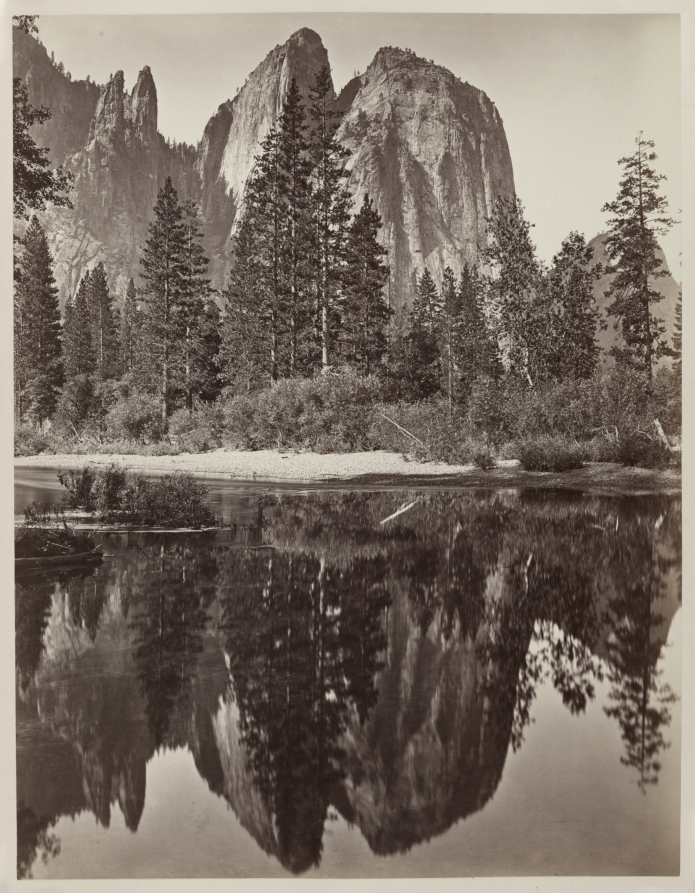
In the collection of Cleveland Museum of Art, Cleveland — check current display status with the museum.
FROM THE CLEVELAND MUSEUM OF ART’S CATALOG
In 1859, Charles L. Weed made the first photographs of the wild and breathtakingly beautiful Yosemite region in California. These pioneering photographs spoke of the area's splendors to future visitors and artists. Probably five years later, he returned to Yosemite to begin creating his remarkable mammoth plate views (roughly 17x22 inches). This celebrated vista of the distant, mountainous, forest scene is the best known of Weed's modest production of large-scale photographs. The serenity and order of the composition is punctuated by an isolated, spindly tree perched at a cliff's edge, asymmetrically dividing the composition while uniting the blank sky with the mountainous landscape below. The figure leaning against the tree in the foreground gives scale to the scene and suggests human isolation in the vastness of nature.
Be the first to share your thoughts.
Sign in to join the discussion.
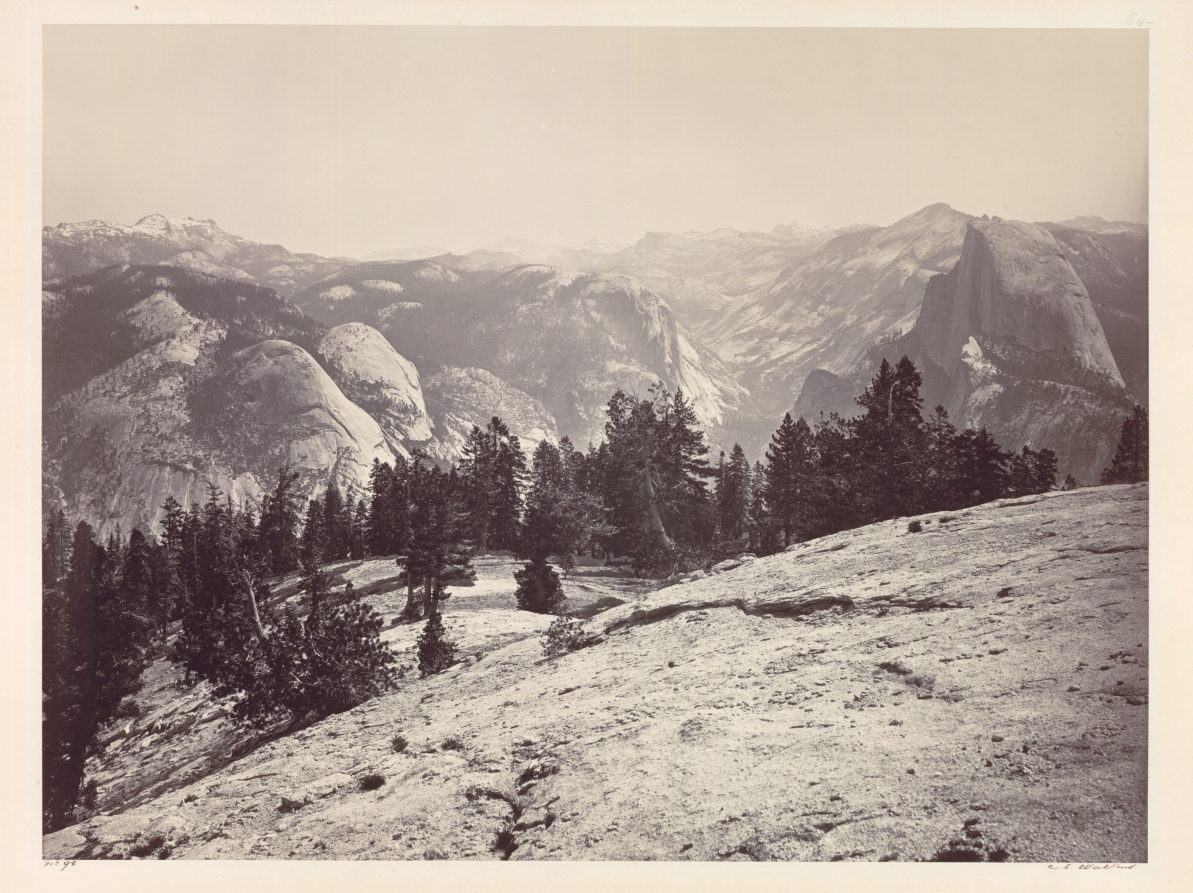 Carleton E. Watkins (American, 1829–1916) — The Domes, from
 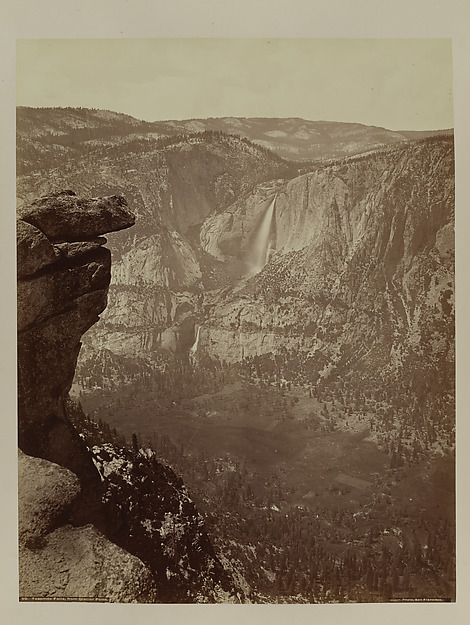 Carleton E. Watkins — Yosemite Falls from Glacier Point
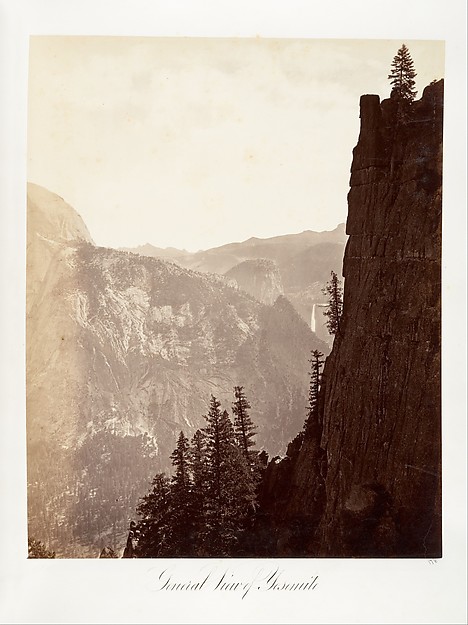 Carleton E. Watkins — General View of Yosemite
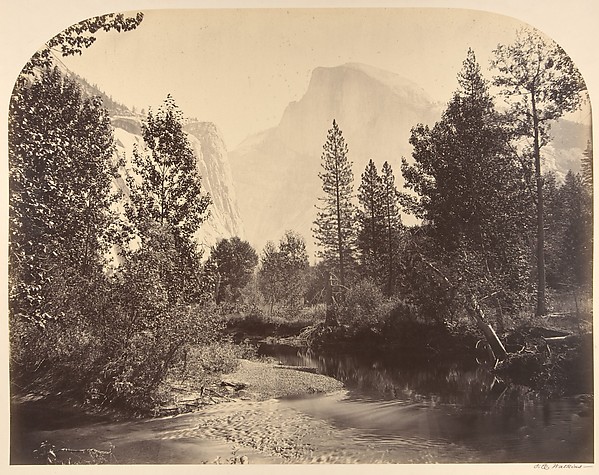 Carleton E. Watkins — Tasayac, or the Half Dome, 4967 Feet
 Carleton E. Watkins — El Capitan, Yosemite
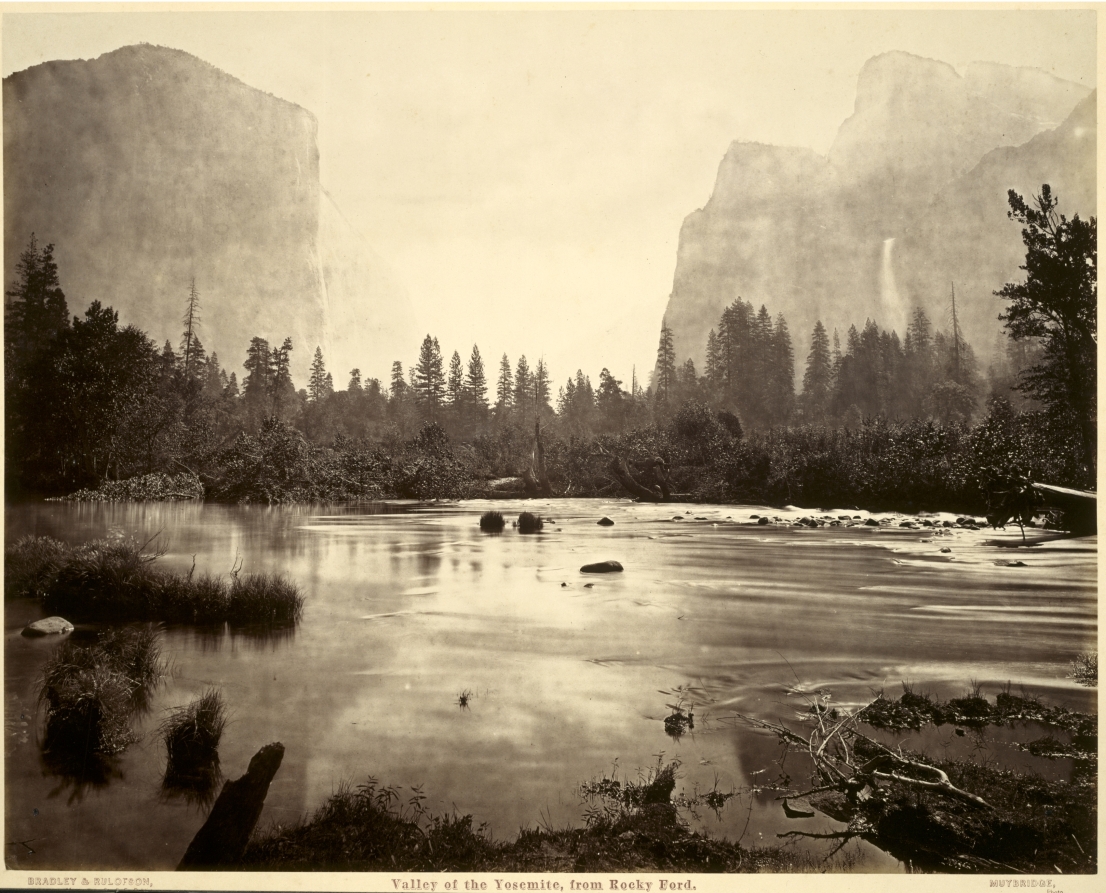 Eadweard J. Muybridge (American, 1830–1904) — Valley of the
 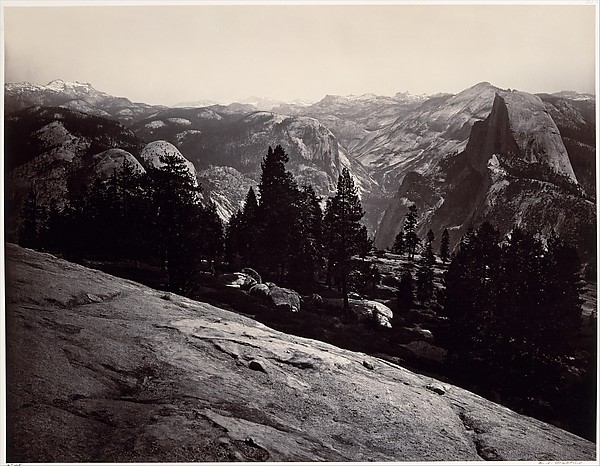 Carleton E. Watkins — View from the Sentinel Dome, Yosemite
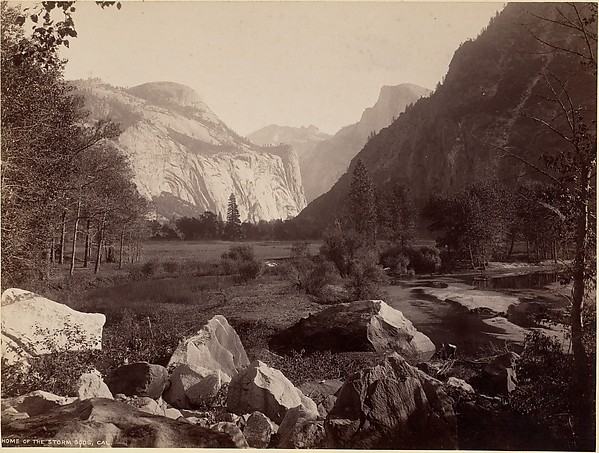 Unknown — Home of the Storm Gods, California
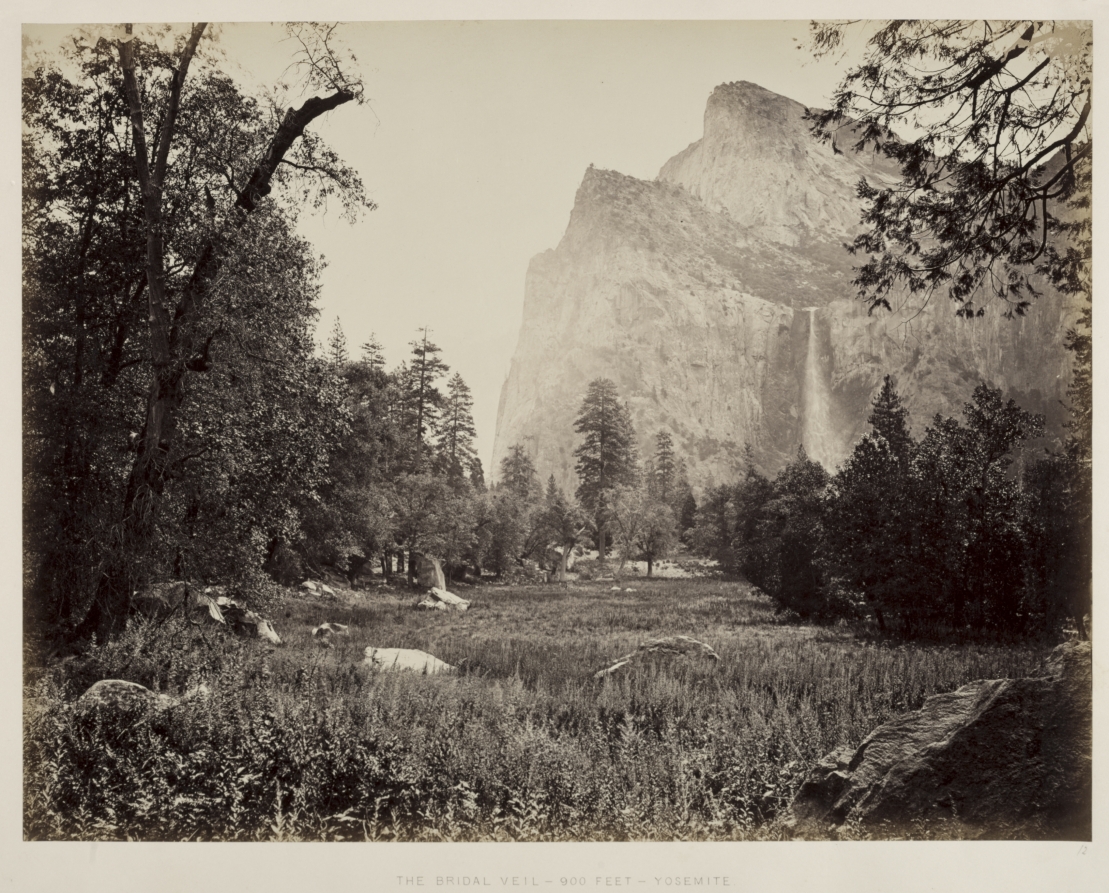 Carleton E. Watkins (American, 1829–1916) — Bridal Veil, Yos
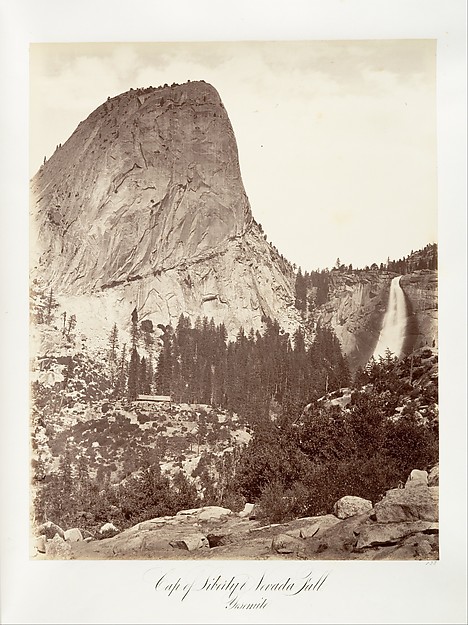 Carleton E. Watkins — Cap of Liberty and Nevada Fall, Yosemi
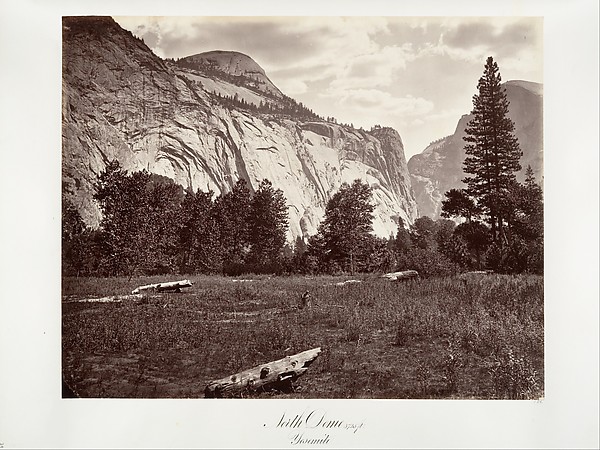 Carleton E. Watkins — North Dome, 3,725 feet, Yosemite
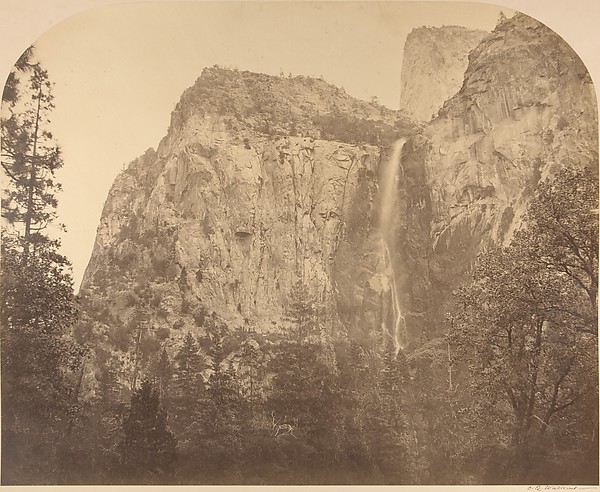 Carleton E. Watkins — Pohono, Bridal Veil, 900 Feet, Yosemit