In the collection of Cleveland Museum of Art, Cleveland — check current display status with the museum.
FROM THE CLEVELAND MUSEUM OF ART’S CATALOG
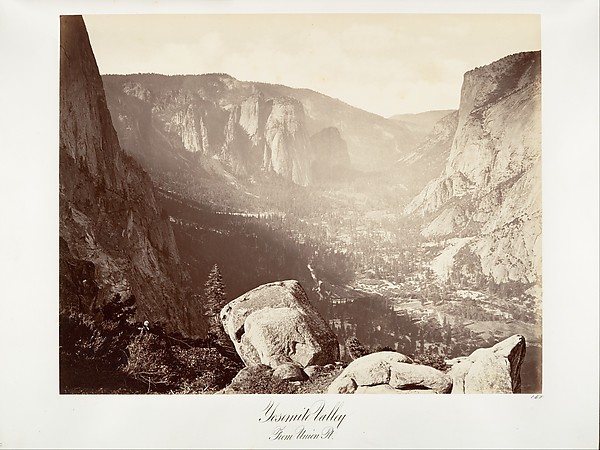
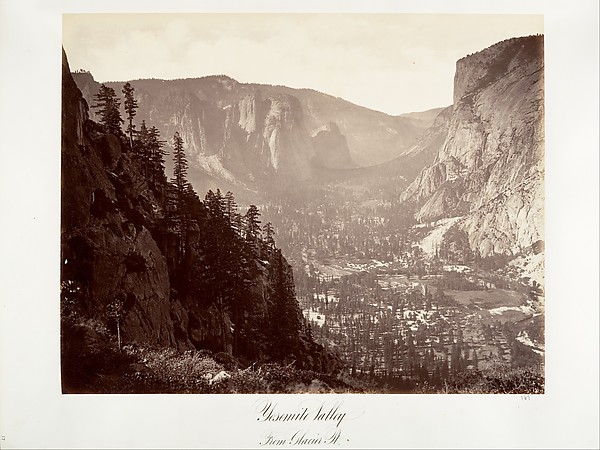
Although prolific in all types of commercial photography, Carleton Watkins was best known for his majestic images of Yosemite Valley. He first transported his mammoth-plate camera there in 1861 and returned many times to record America's natural treasure. Besides establishing aesthetic and technical standards of excellence for landscape photography, Watkins's work was instrumental in passing the 1864 Congressional bill enacted to protect Yosemite from development. In this panoramic view, he displayed elegantly curved rock formations in the foreground. The photograph was structured in overlapping planes, which effectively depicted the seemingly limitless gradations and undulations in the landscape. His skillful suggestion of atmospheric perspective made the mountains and trees appear less clearly visible in the background, enhancing the sense of a vast, pristine landscape.
Be the first to share your thoughts.
Sign in to join the discussion.
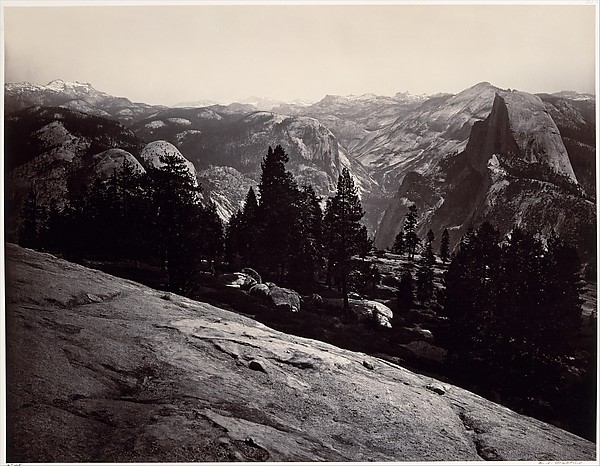 Carleton E. Watkins — View from the Sentinel Dome, Yosemite
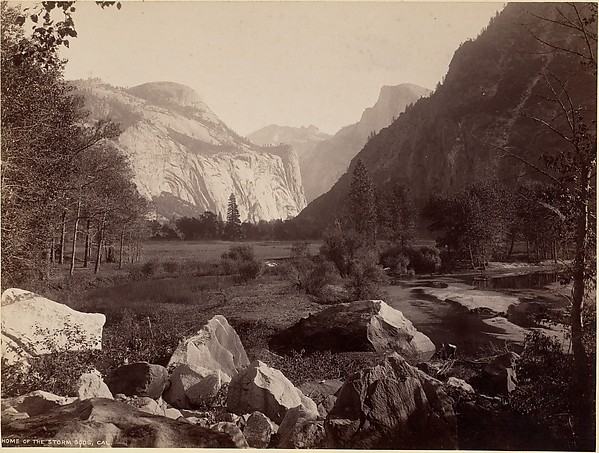 Unknown — Home of the Storm Gods, California
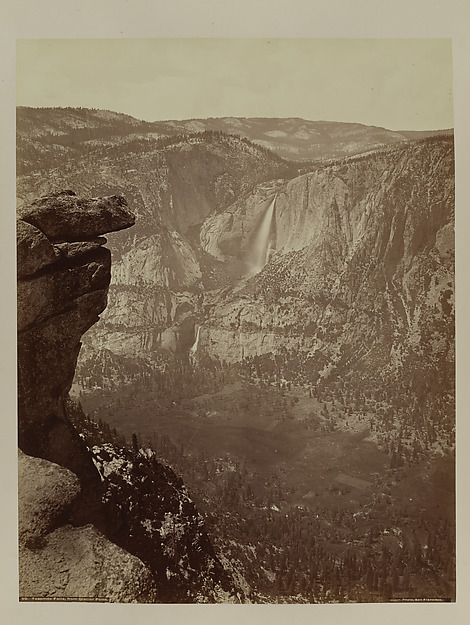 Carleton E. Watkins — Yosemite Falls from Glacier Point
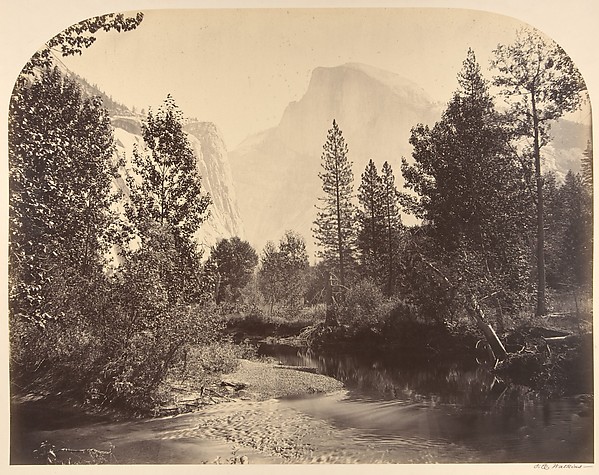 Carleton E. Watkins — Tasayac, or the Half Dome, 4967 Feet
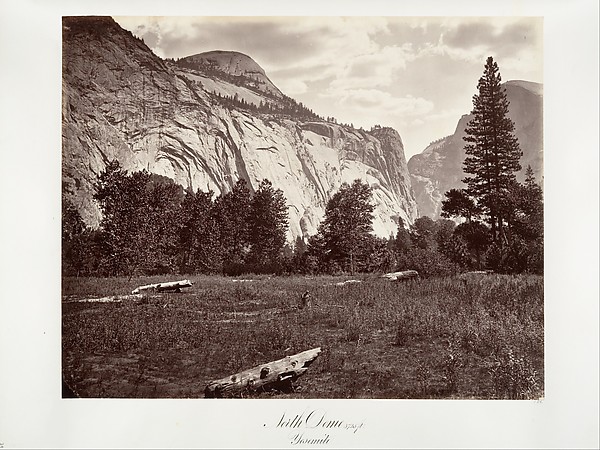 Carleton E. Watkins — North Dome, 3,725 feet, Yosemite
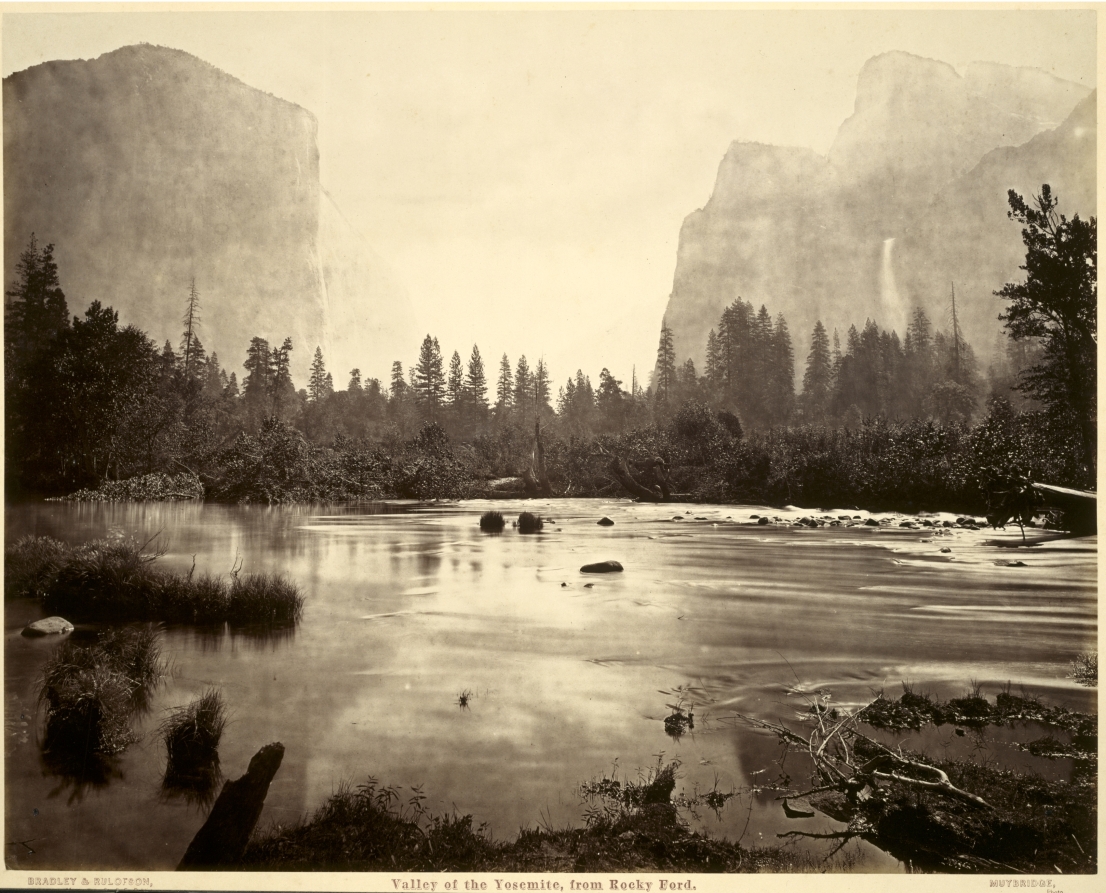 Eadweard J. Muybridge (American, 1830–1904) — Valley of the
 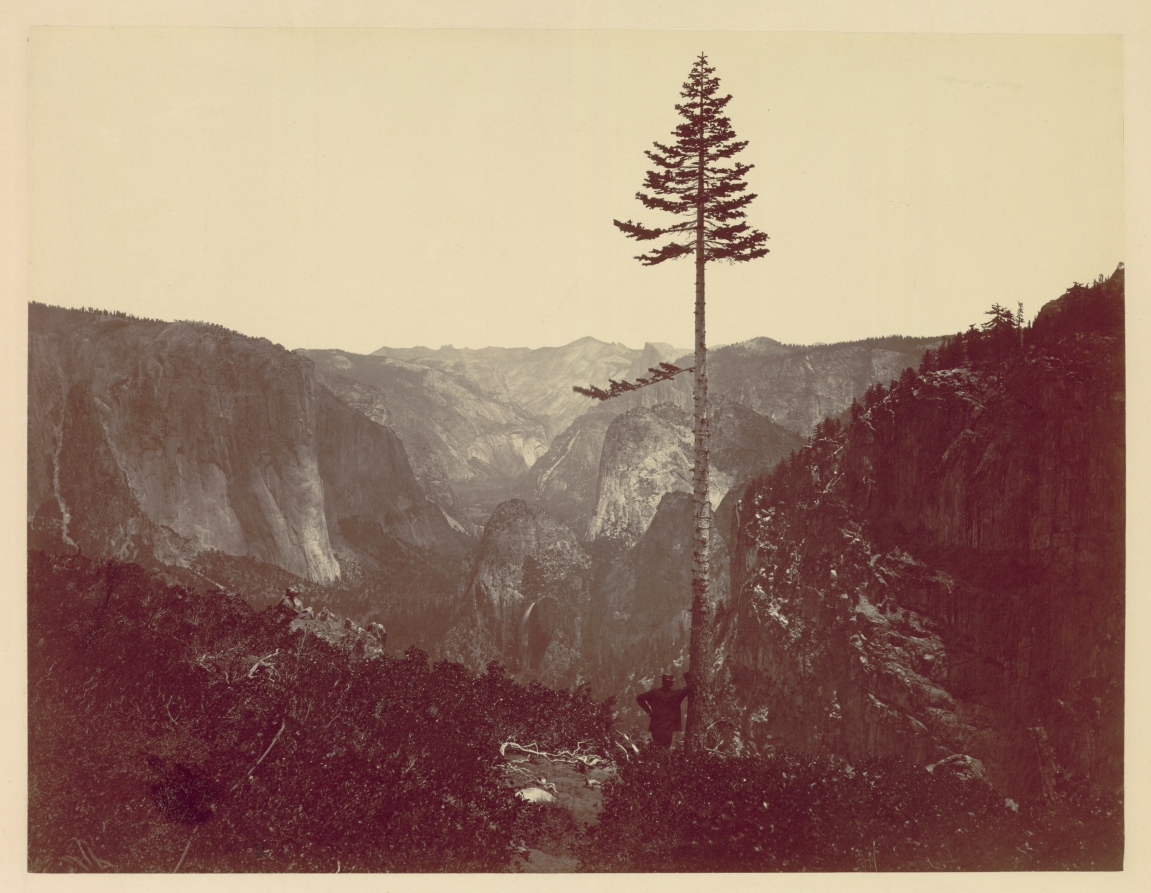 Charles Leander Weed (American, 1824–1903) — Yosemite Valley
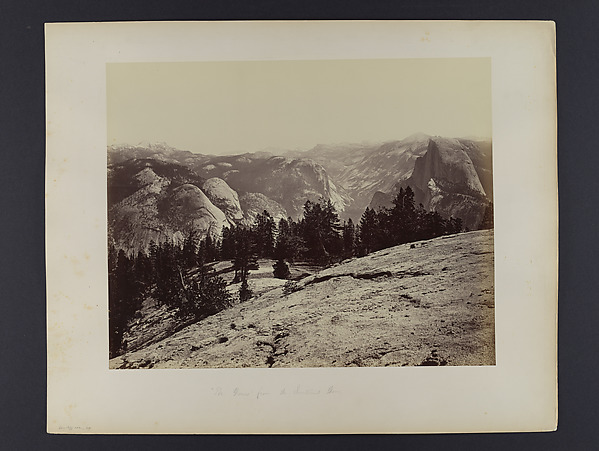 Carleton E. Watkins — The Domes from Sentinel Dome
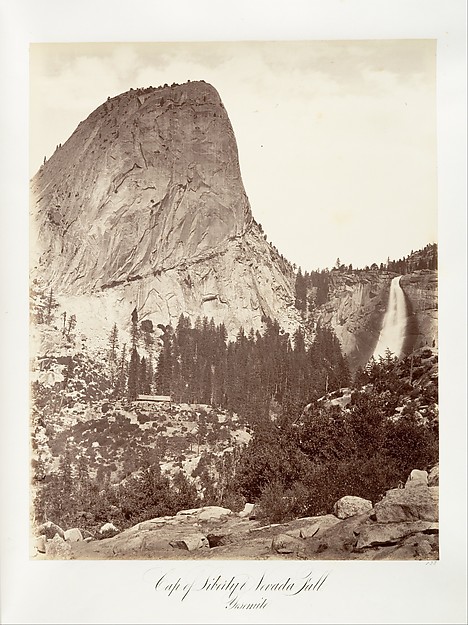 Carleton E. Watkins — Cap of Liberty and Nevada Fall, Yosemi
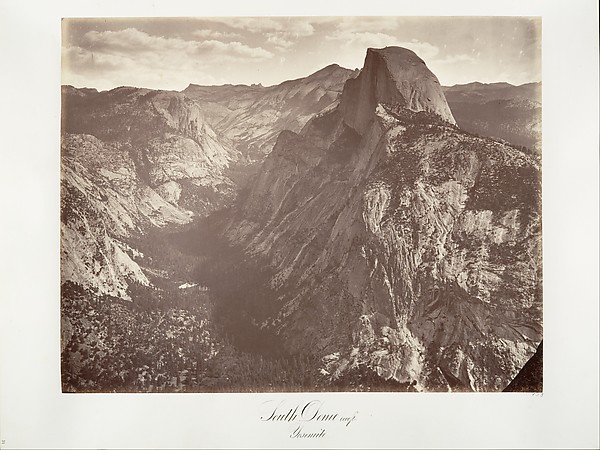 Carleton E. Watkins — South Dome, 6,000 feet
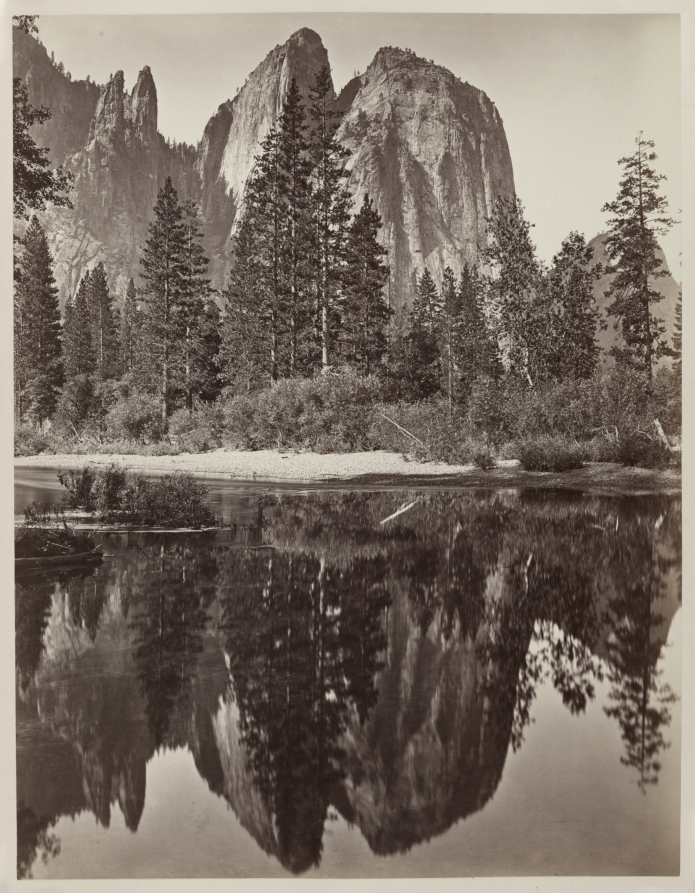 Charles Leander Weed (American, 1824–1903) — Cathedral Rocks
 Carleton E. Watkins — El Capitan, Yosemite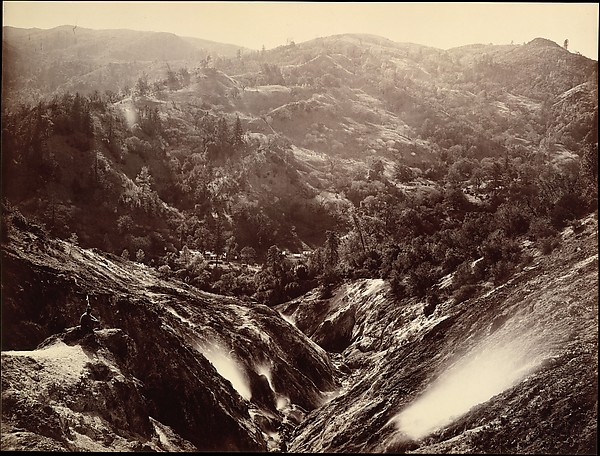
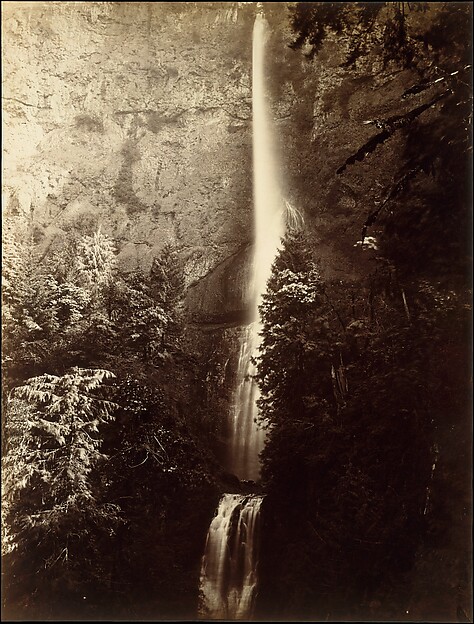
![[Yosemite National Park, California]](https://images.metmuseum.org/CRDImages/ph/web-large/DP136839.jpg)
![[Yosemite National Park, California]](https://images.metmuseum.org/CRDImages/ph/web-large/DP136829.jpg)
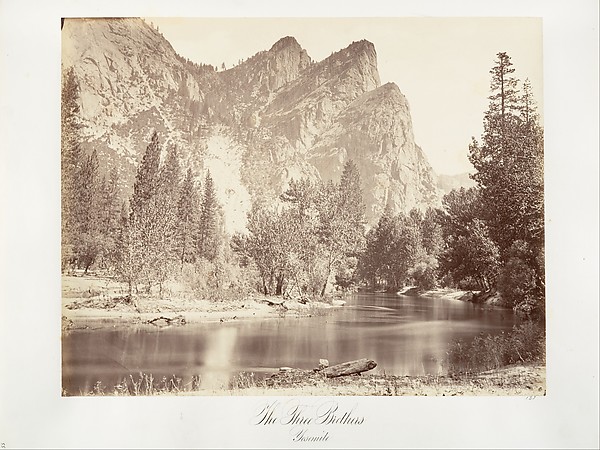
![[Yosemite National Park, California]](https://images.metmuseum.org/CRDImages/ph/web-large/DP136825.jpg)