What Makes a Painting Famous?
It's rarely just the painting. Fame is made of theft, scandal, reproduction, and luck.

A painting usually becomes famous through a mix of artistic breakthrough and outside forces: technical brilliance, a dramatic backstory, scandal, theft, endless reproduction, and sheer luck. The Mona Lisa's fame, for instance, was supercharged by a 1911 theft. Fame and quality overlap but aren't the same — countless masterpieces stay quietly overlooked, which is exactly what discovery is for.
Ask why a painting is famous and the honest answer is rarely "because it's the best." Fame is made of forces that have little to do with brushwork — theft, scandal, reproduction, timing, and luck — layered on top of real artistic achievement. Understanding that mix is oddly freeing, because it means the most famous painting and the best painting for you may be two entirely different pictures.

Does fame mean a painting is "better"?
No — fame and quality overlap, but they are not the same thing. Plenty of dazzling paintings hang in near-anonymity while a handful of images get printed on ten million mugs. Fame is partly a measure of exposure: how many people have seen a work, how often, and in how many contexts. That's a real thing worth respecting, but it's a poor guide to what will move you. For every household name there are a hundred quietly astonishing pictures waiting for someone to notice them — which is the whole reason a discovery habit is worth building.
What actually drives fame?
Art historians point to a recurring set of ingredients, usually several at once:
- Genuine innovation — a technique or idea that changed what came after, from Vermeer's light to Seurat's dots.
- A dramatic story or scandal — a painting that shocked its first audience, or whose making is a legend in itself.
- Theft and forgery — nothing spreads an image like a heist and the news coverage that follows.
- Reproduction and merchandising — prints, posters, ads, and parodies that put the image everywhere.
- Champions — an influential critic, dealer, or collector who insists, loudly and for years, that this work matters.
- A famous home — placement in a great, heavily visited museum, which becomes part of the work's aura.
Notice how few of these live inside the frame. Most fame is built around a painting, over decades, by other people.
The Mona Lisa example
The clearest case is the most famous painting of all. Leonardo's Leonardo da Vinci portrait was admired for centuries, but its leap to global celebrity is often traced to a single event: in 1911 it was stolen from the Louvre, and the two-year manhunt turned an empty wall into front-page news around the world. By the time it returned, the Mona Lisa was famous for being famous — a self-reinforcing loop the full story lays out in why the Mona Lisa is so famous.
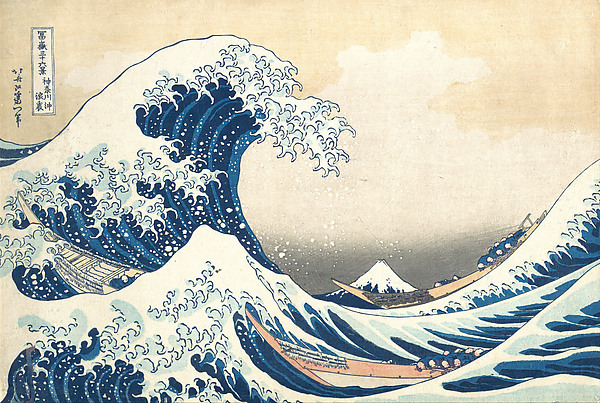
Scandal works the same way. When Édouard Manet showed Olympia in 1865, its frank, unidealized nude staring straight back at the viewer caused an uproar that guaranteed the painting would be remembered — see why Manet's Olympia was so scandalous. Reproduction is the quieter engine: Katsushika Hokusai's Great Wave was designed as a mass-produced woodblock print from the very start, which is a large part of why it became the most reproduced image in the world.

So what should you look for?
If fame is mostly built by history and luck, then the paintings the world hasn't crowned are not lesser — they're just unpromoted. The best painting for you may be one you've never heard of, by an artist no algorithm has pushed at you yet. That's exactly what discovery is for: start looking on DiscoverArt, or begin with the most famous paintings in the world and then wander off the list.
Sources
Discussion
Be the first to share your thoughts.
Sign in to join the discussion.