Farhad Carrying Shirin and Her Horse, from a copy of the Khamsa of Nizami
Timurid dynasty (ca. 1370–1507), dated 1485 (890 A.H.)
Opaque watercolor on paper
27.9 × 17.8 cm (11 × 7 in)
SEE IT IN PERSON
Not currently on view
In the collection of Art Institute of Chicago, Chicago · as of July 2026
Discussion
Be the first to share your thoughts.
Sign in to join the discussion.
More by Islamic


More like this
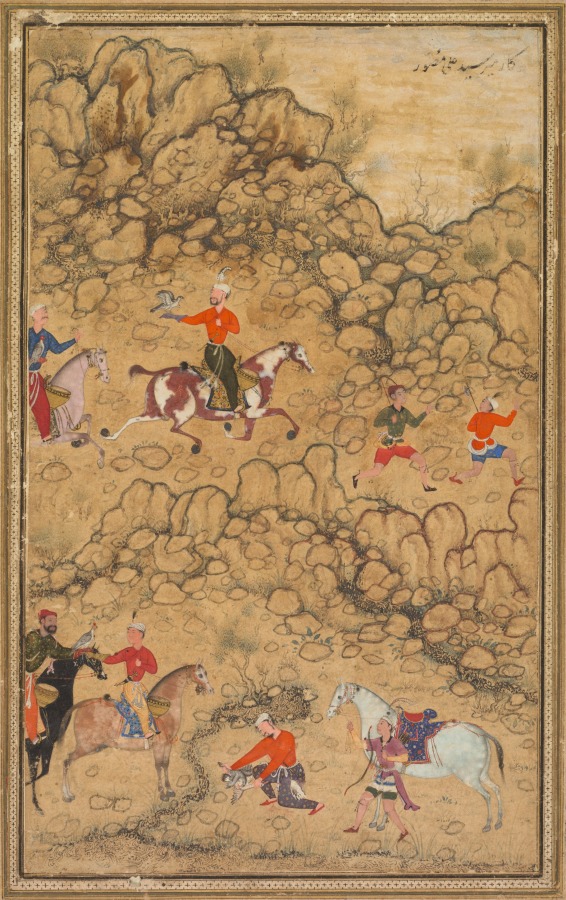 Abd al-Samad (Persian, c. 1510–1600) — Hunting with falcons
 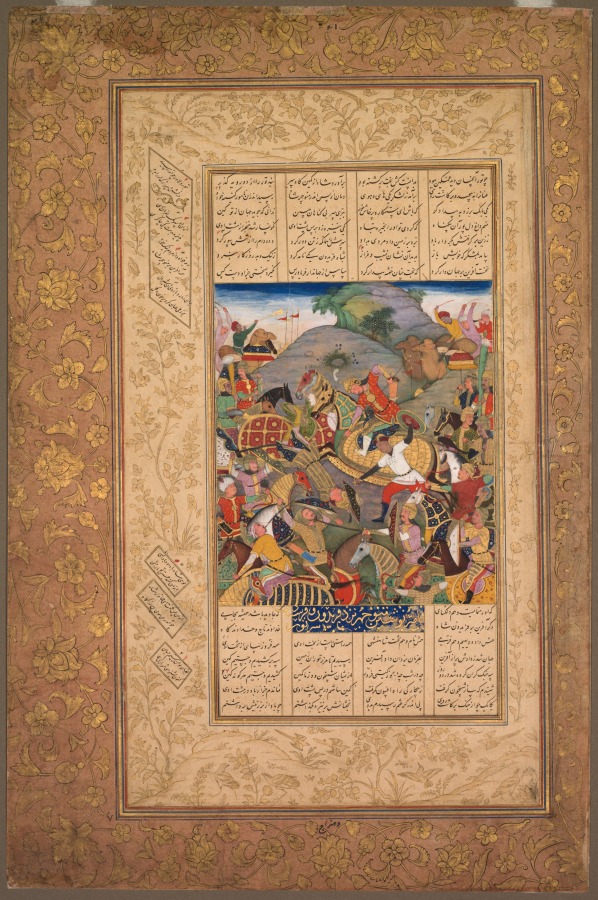 Battle between Manuchihr and Tur, from a Shah-nama (Book of
 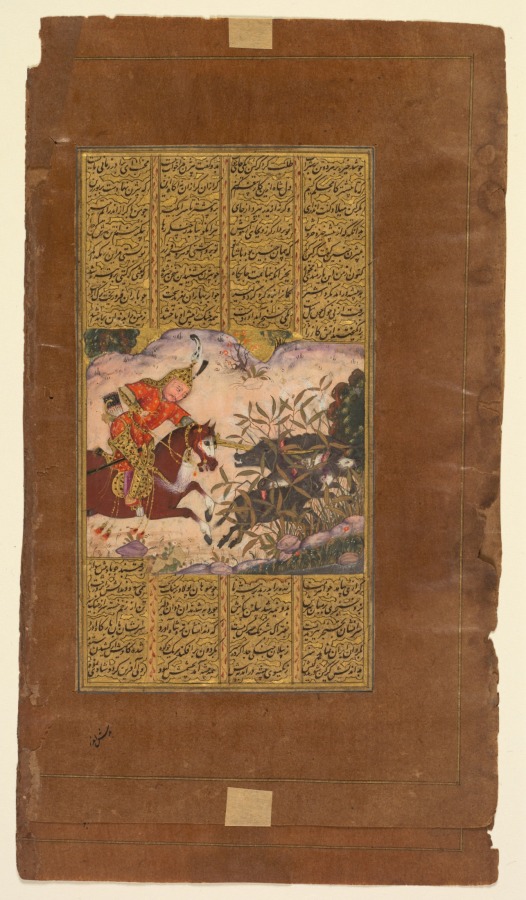 Bijan killing the wild boars of Irman, from a Shah-nama (Boo
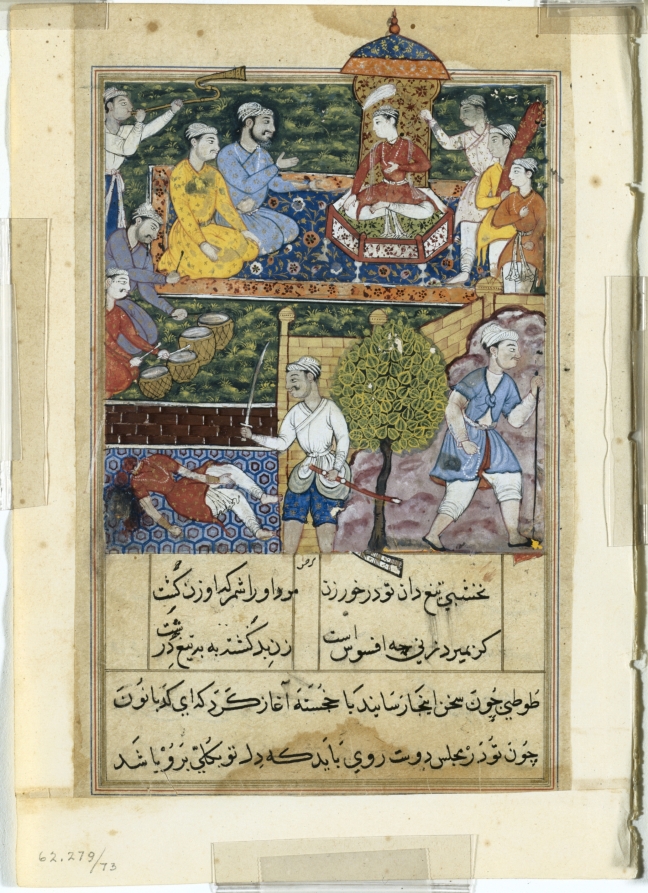 Suraju (Indian) — The young prince is crowned and the wicked
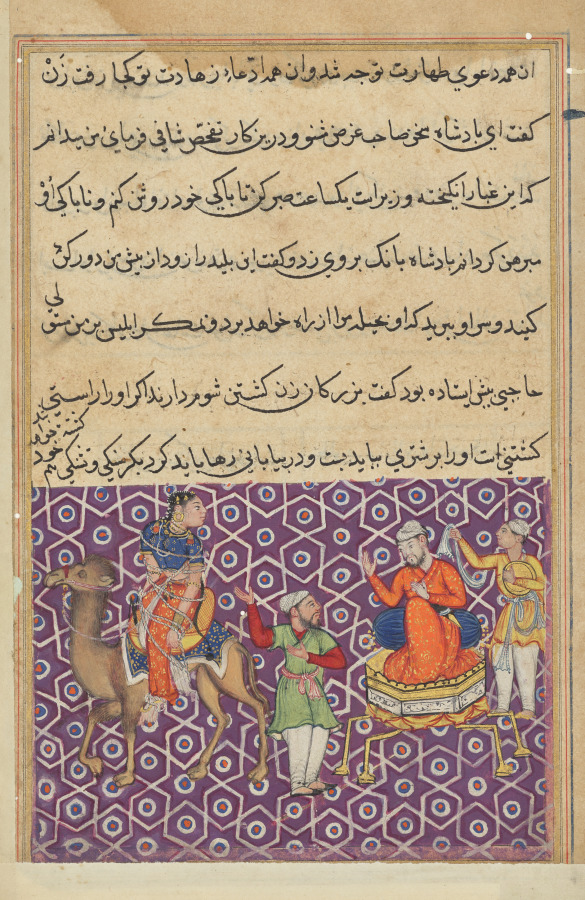 King Bahram, who has married Khassa’s daughter, has her tied
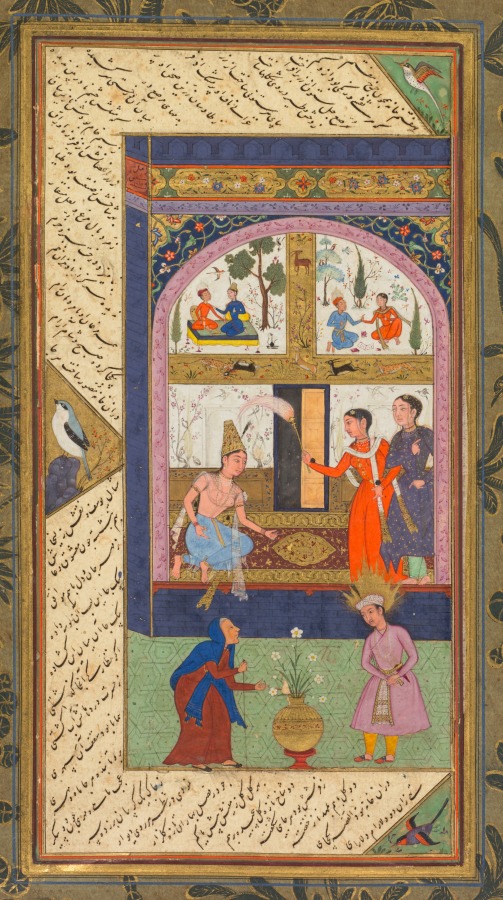 Mushfiq (Indian, active early 1600s) — Zulaykha in her palac
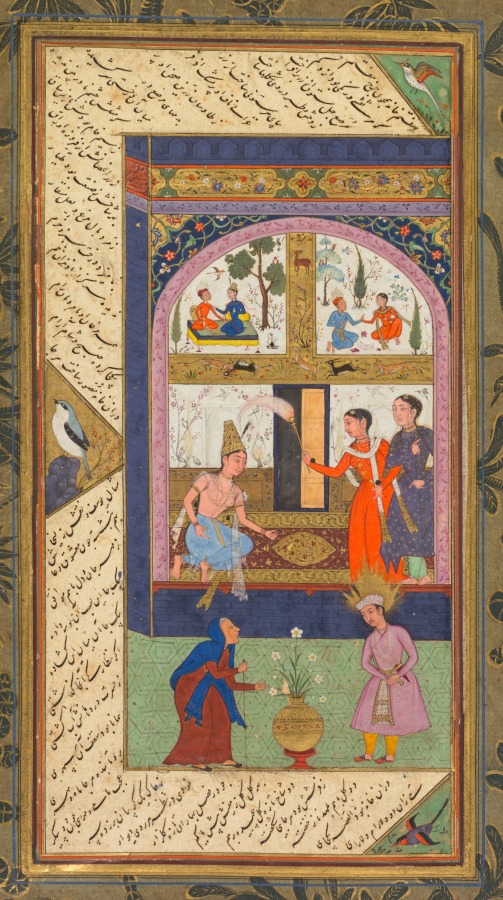 Mushfiq (Indian, active early 1600s) — Folios A and B from t
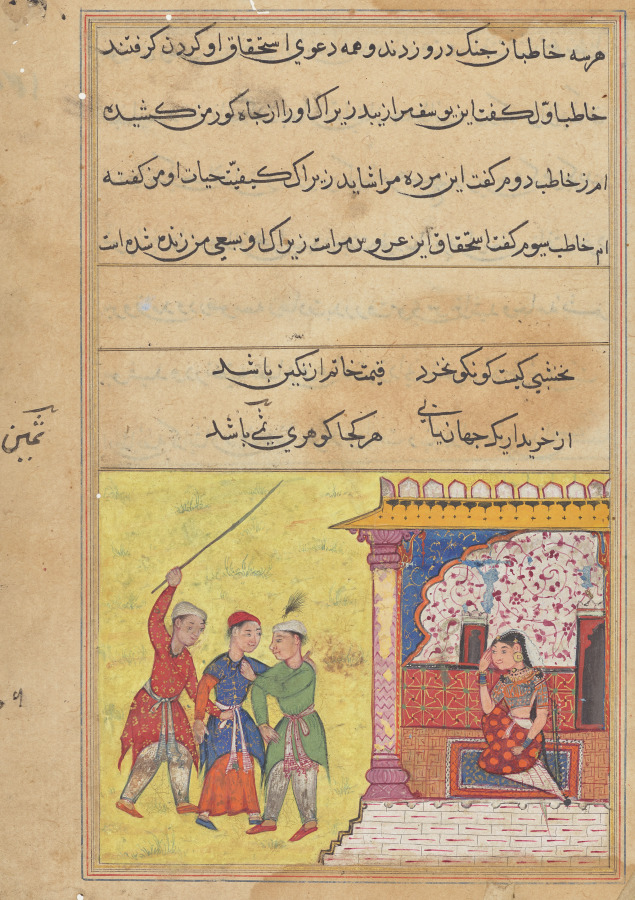 The three suitors again begin to quarrel among themselves fo
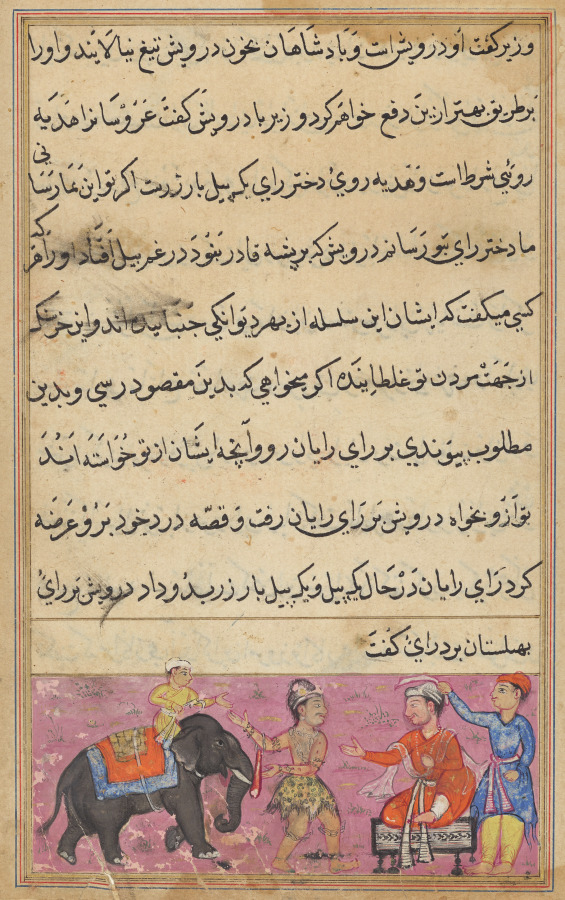 The dervish brings in as dowry an elephant laden with gold,
  Uzbekistan
Bukhara — Old Man Attended by Visitors
Uzbekistan
Bukhara — Old Man Attended by Visitors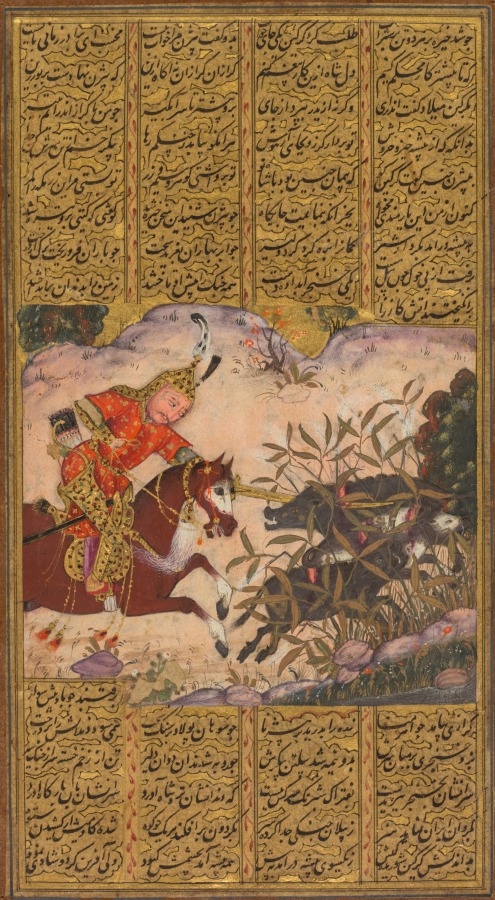 Bijan killing the wild boars of Irman, from a Shah-nama (Boo
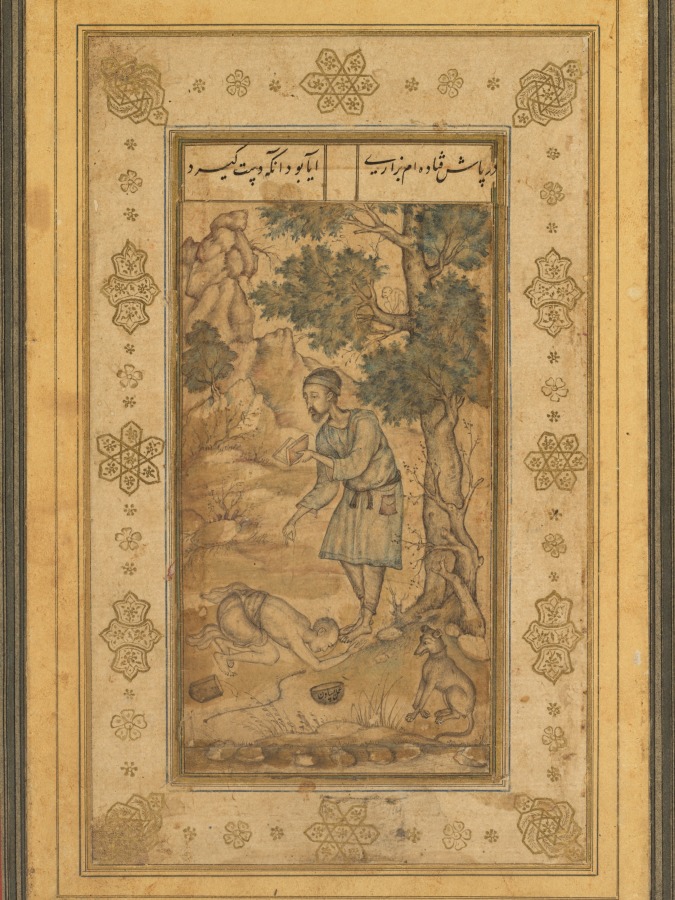 Basavana (Indian, active c. 1560–1600) — A mendicant bowing