An Album Page with a Battle Scene from Borzunama
Safavid dynasty (1521-1722), 16th century
Ink, watercolor, and gold on paper
36.3 × 25.4 cm (14.3 × 10 in)
SEE IT IN PERSON
Not currently on view
In the collection of Art Institute of Chicago, Chicago · as of July 2026
Discussion
Be the first to share your thoughts.
Sign in to join the discussion.
More by Islamic


More like this
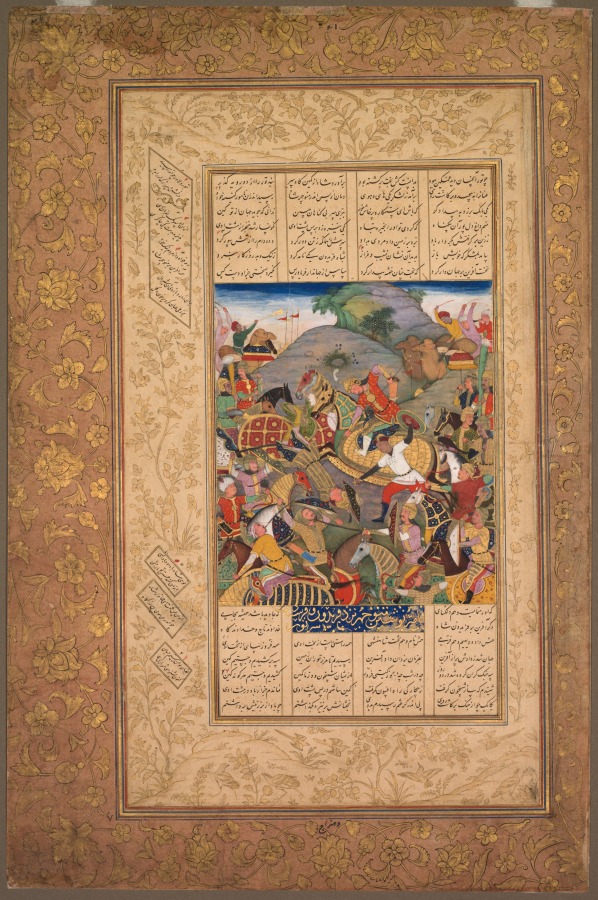 Battle between Manuchihr and Tur, from a Shah-nama (Book of
 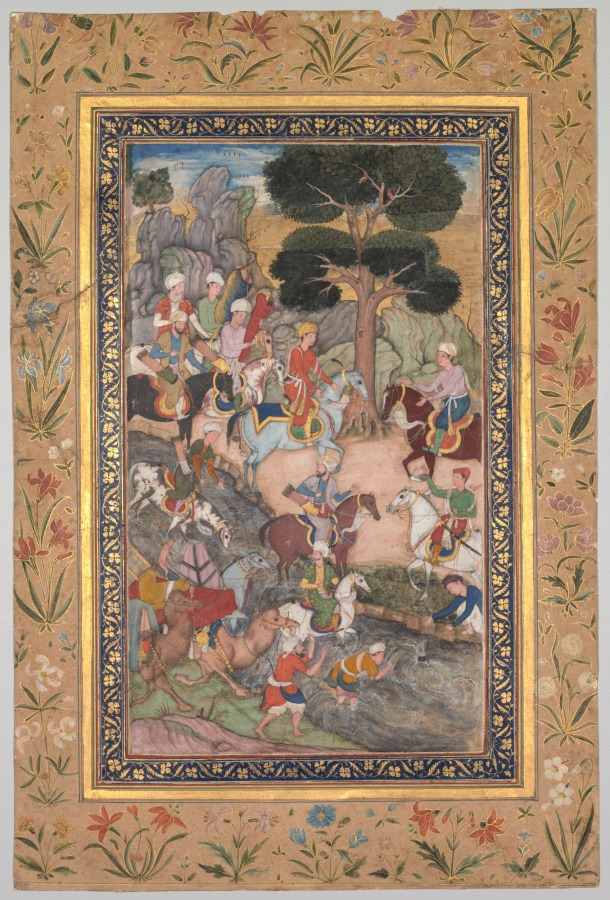 Babur meeting with Sultan Ali Mirza at the Kohik River, from
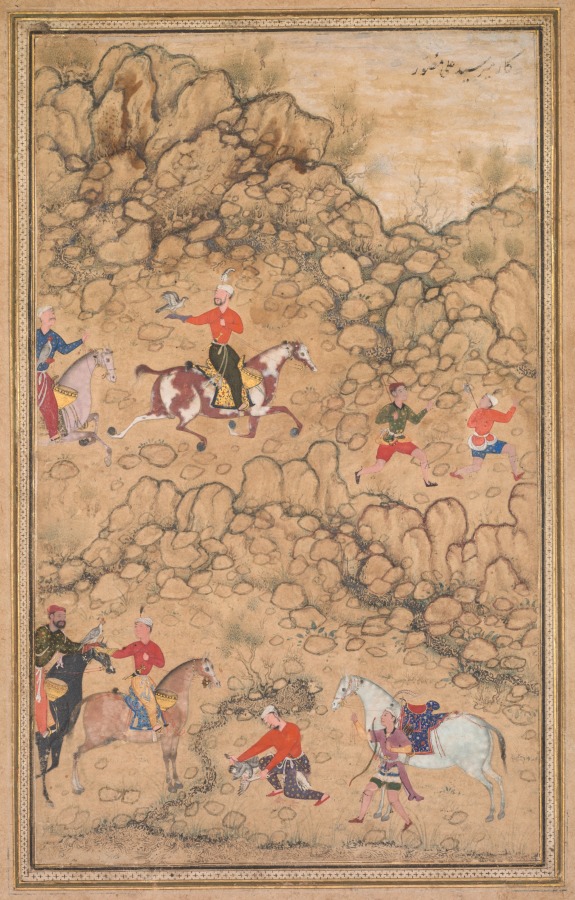 Abd al-Samad (Persian, c. 1510–1600) — Hunting with falcons
 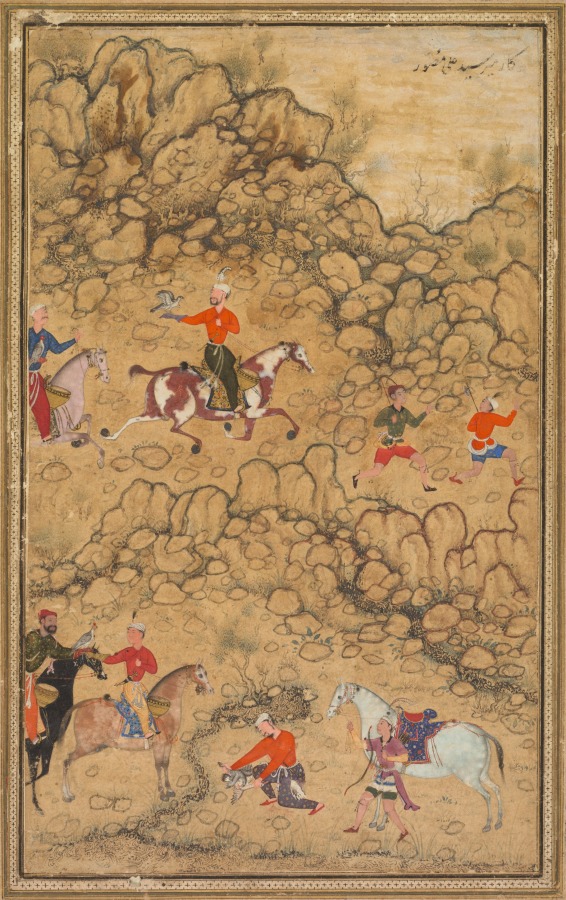 Abd al-Samad (Persian, c. 1510–1600) — Hunting with falcons
 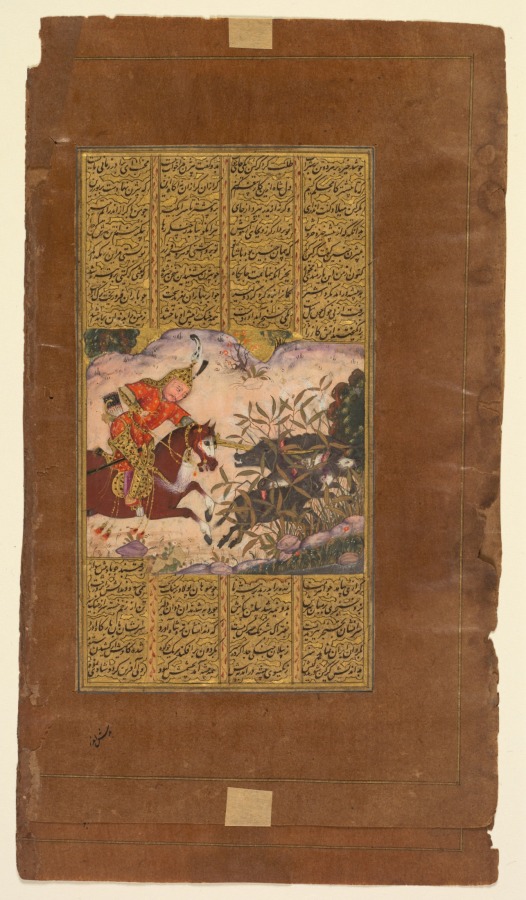 Bijan killing the wild boars of Irman, from a Shah-nama (Boo
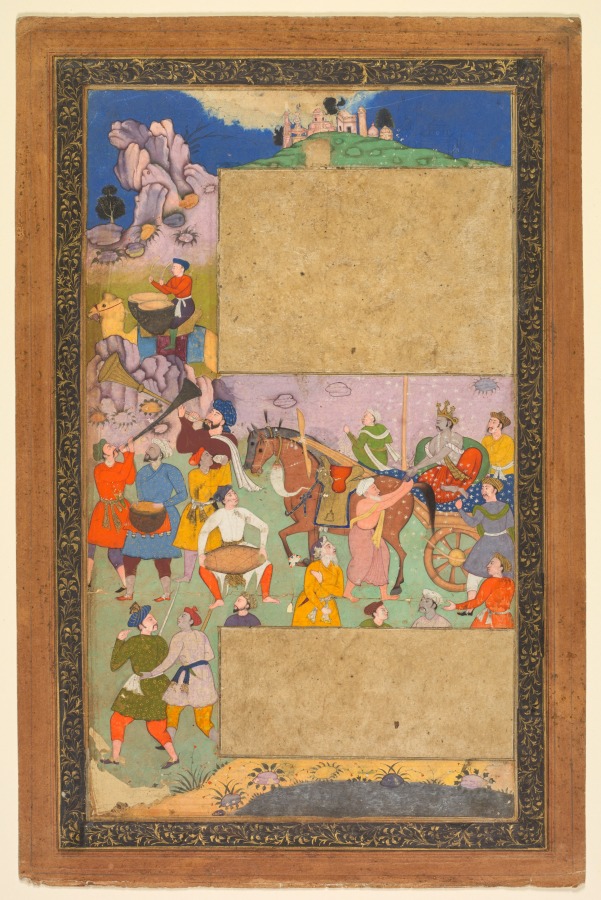 Yusuf Ali (Indian, active early 1600s) — A charioteer riding
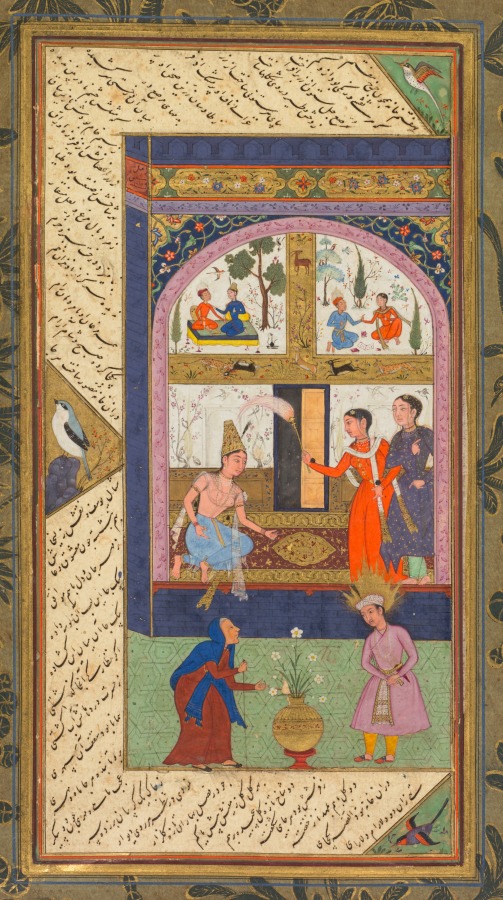 Mushfiq (Indian, active early 1600s) — Zulaykha in her palac
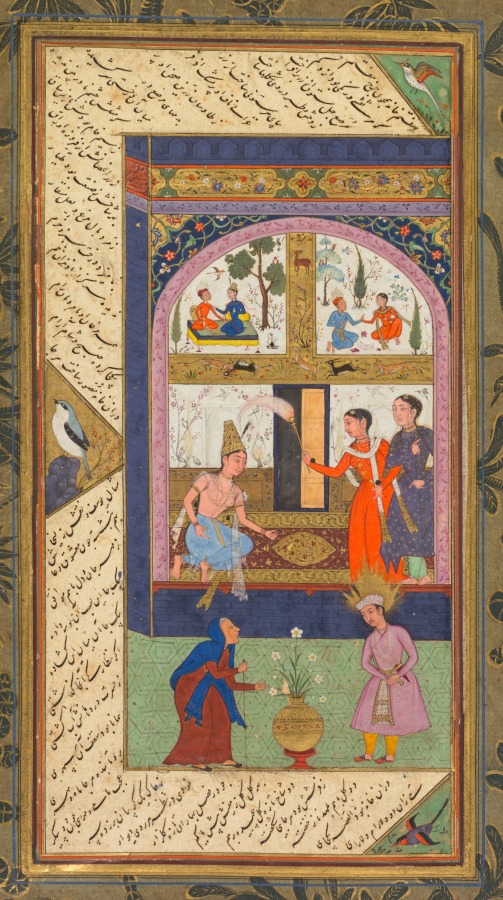 Mushfiq (Indian, active early 1600s) — Folios A and B from t
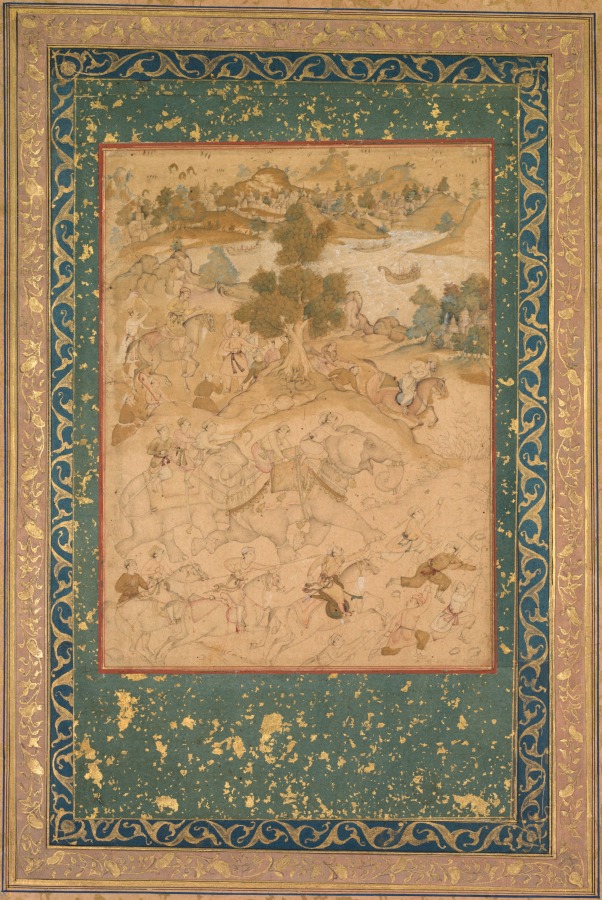 Farukh Chela (Indian) — Akbar supervising the capture of wil
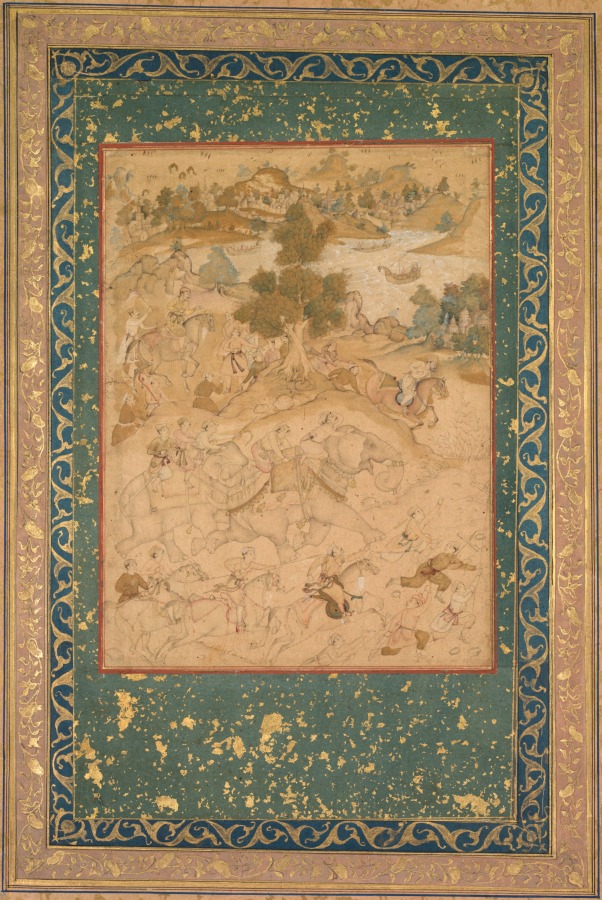 Farukh Chela (Indian) — Akbar supervising the capture of wil
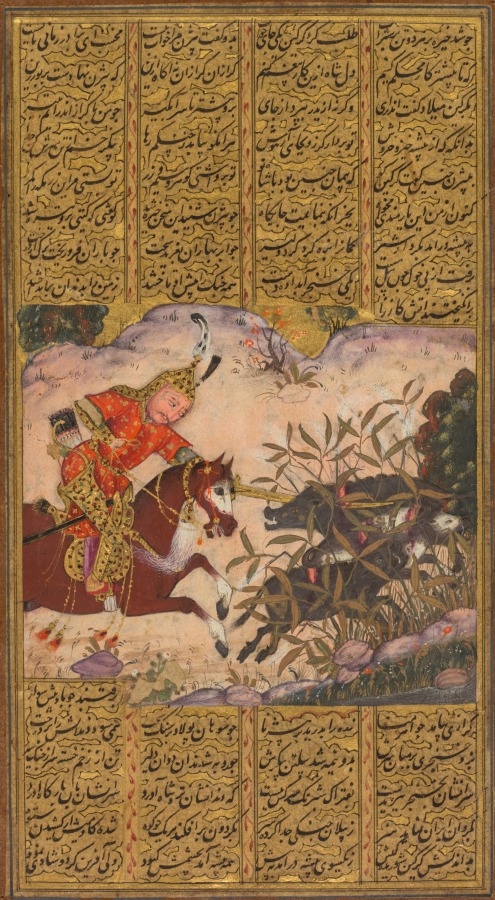 Bijan killing the wild boars of Irman, from a Shah-nama (Boo
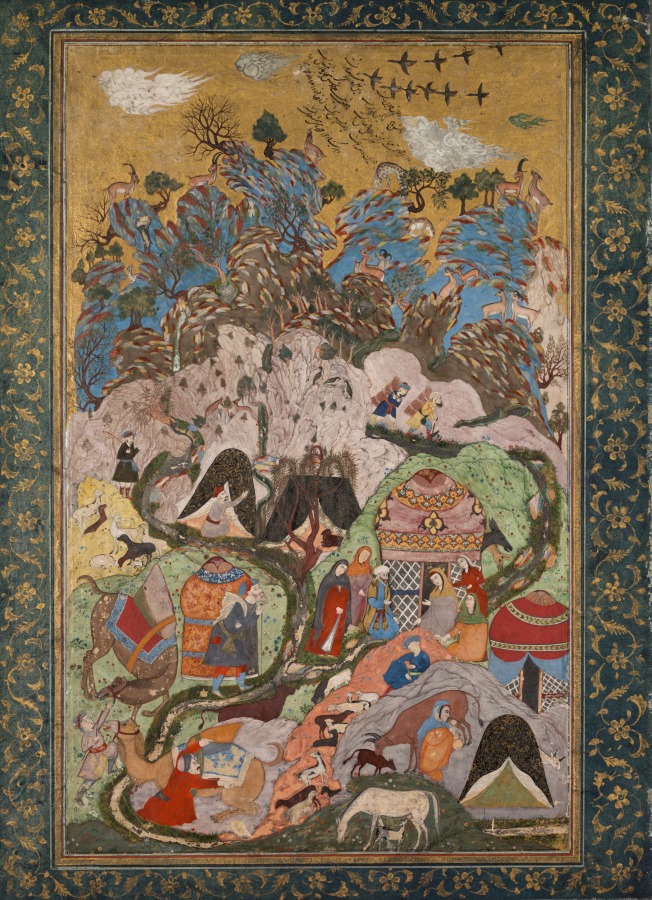 Encampment in the Mountains