In the collection of Cleveland Museum of Art, Cleveland — check current display status with the museum.
FROM THE CLEVELAND MUSEUM OF ART’S CATALOG
Long-armed gibbons form a chain to reach down from a tree, hoping to touch what they believe is the moon. In fact, the orb remaining beyond their grasp is the full moon’s reflection in the still surface of a pond or lake. The image is a common metaphor for the deluded mind in Buddhist thought. Gibbons do not live in Japan but were known to Japanese painters of the premodern era through paintings brought from China.
Be the first to share your thoughts.
Sign in to join the discussion.
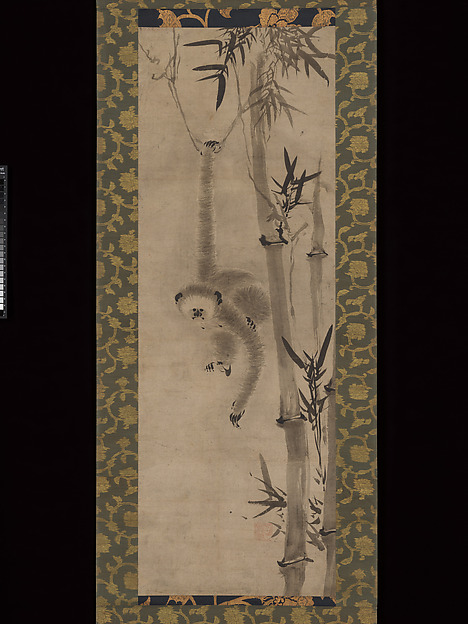 Sesson Shūkei 雪村周継 — 竹猿猴図 (Chikuenkō zu)|Gibbon and Bamboo
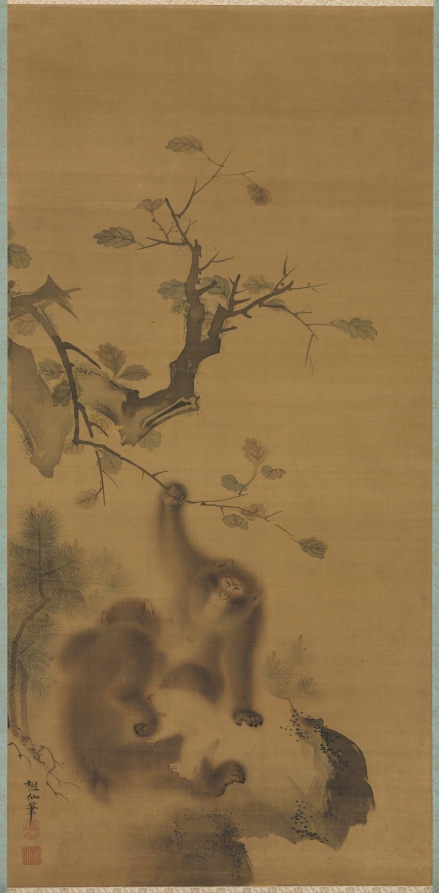 Mori Sosen (Japanese, 1747–1821) — Monkeys on a Rock Ledge
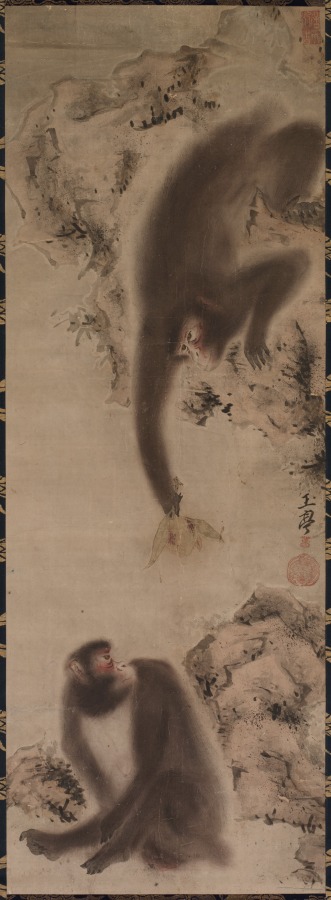 Gyokutei Katsu (Japanese) — Monkeys
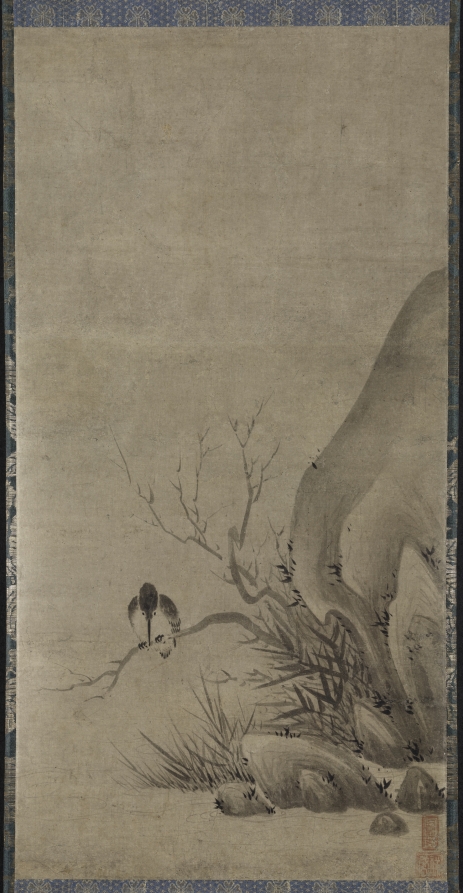 Kenkō Shōkei (Japanese, active 1478–1506) — Kingfisher Perch
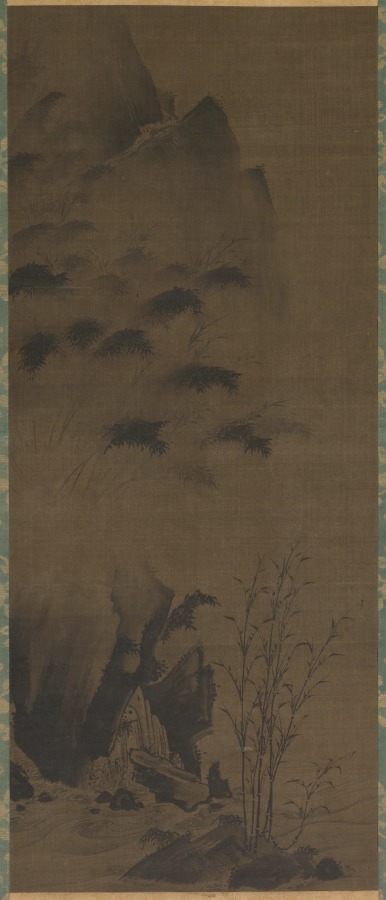 Genga (Japanese) — Bamboo in Rain
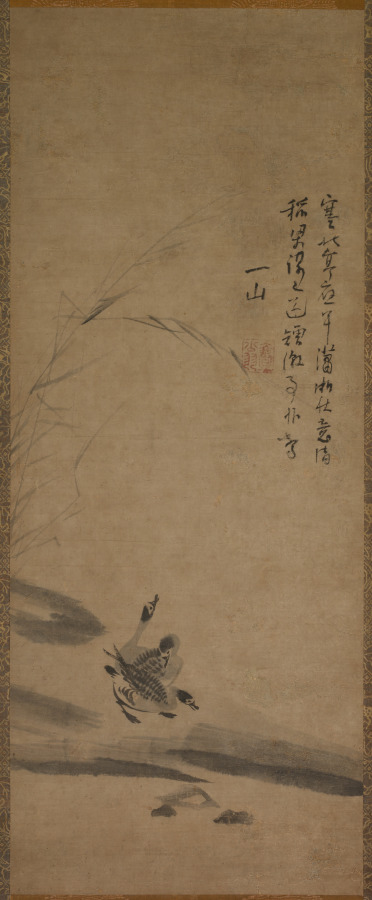 Yishan Yining [Issan Ichinei] (Chinese, 1247–1317) — Reeds a
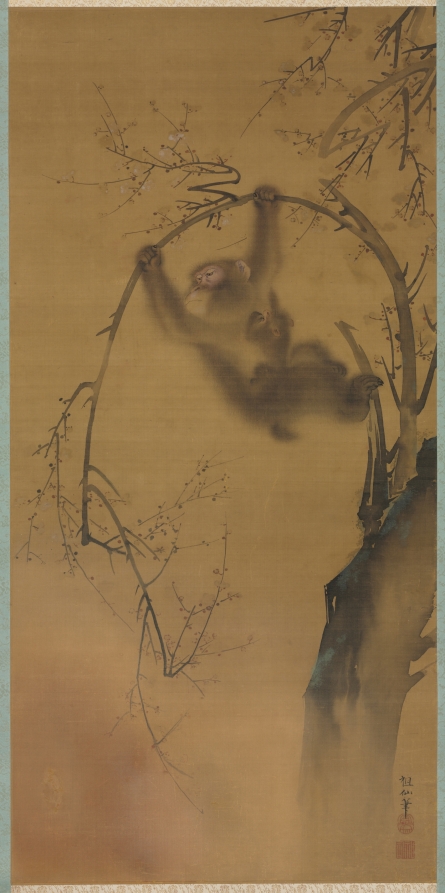 Mori Sosen (Japanese, 1747–1821) — Monkeys in a Cherry Tree
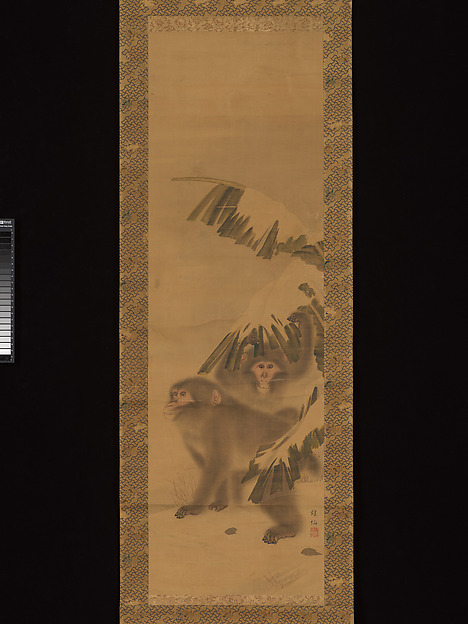 Mori Yūsen
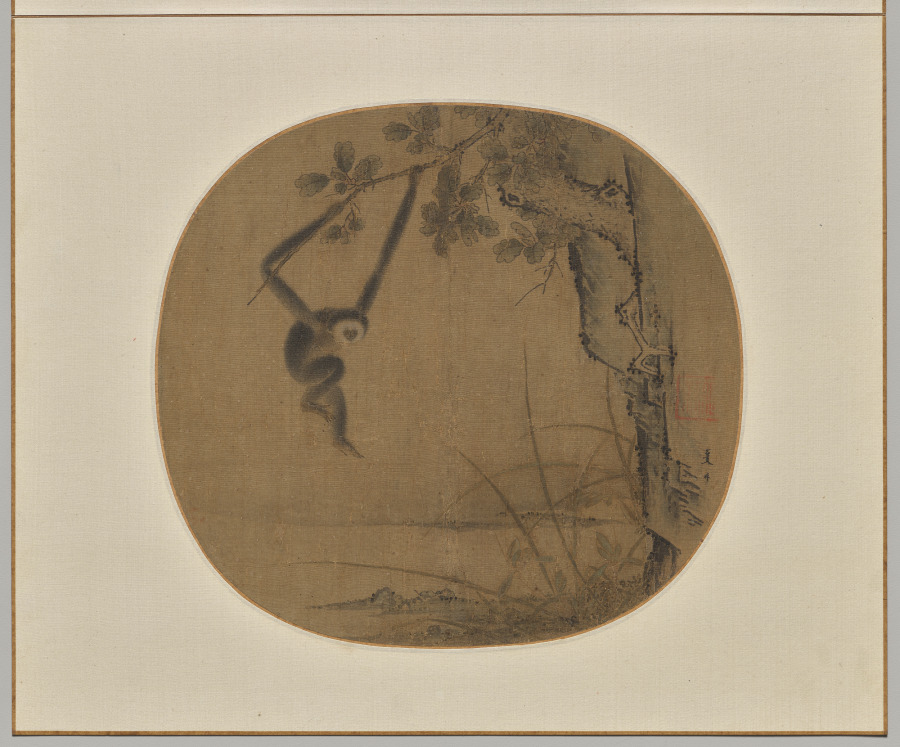 Xia Gui (Chinese, active c. 1209–c. 1243) — Swinging Gibbon
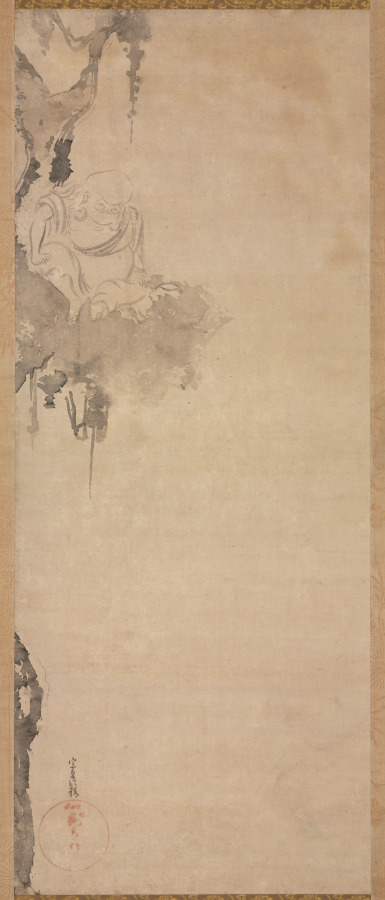 Tawaraya Sōtatsu (Japanese, c. 1570–c. 1640) — The Bird's Ne
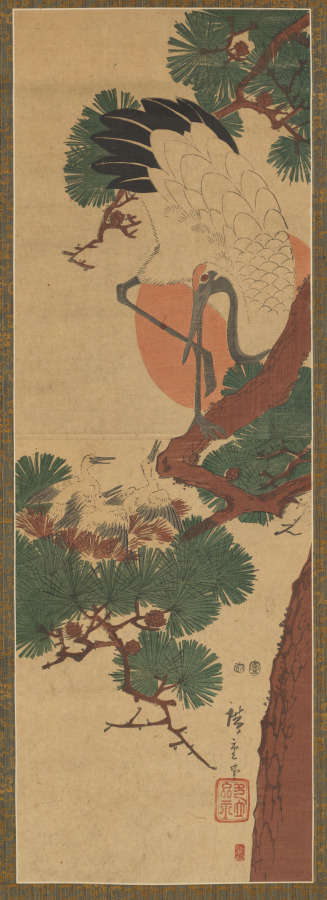 Utagawa Hiroshige II (Japanese, 1826–1869) — Stork, Sun, and
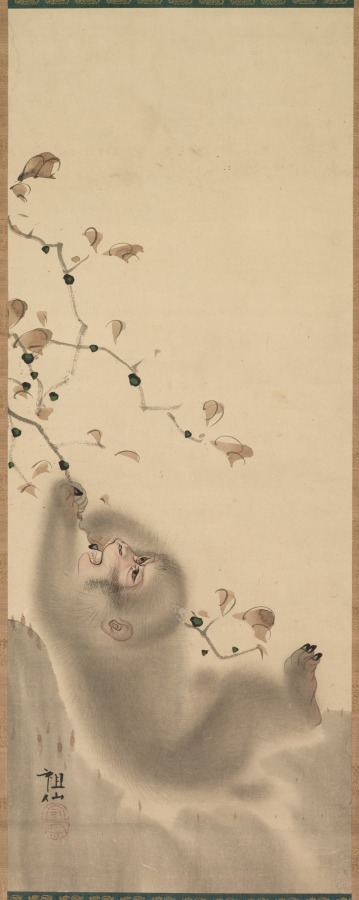 Mori Sosen (Japanese, 1747–1821) — Monkey Hanging on to a Br