More by Utagawa Hiroshige
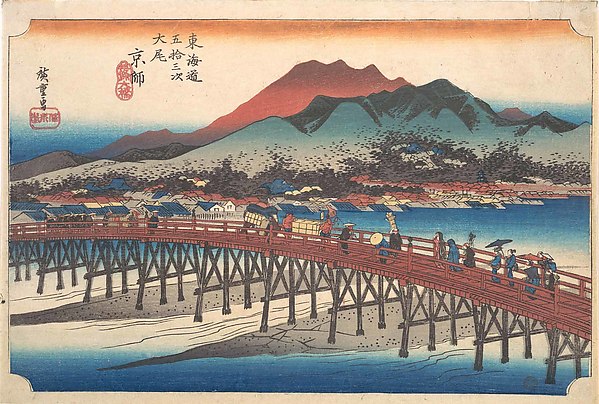 歌川広重画 「東海道五十三次 大尾 京師 三条大橋」|Kyoto: The Great Bridge at Sanjō
 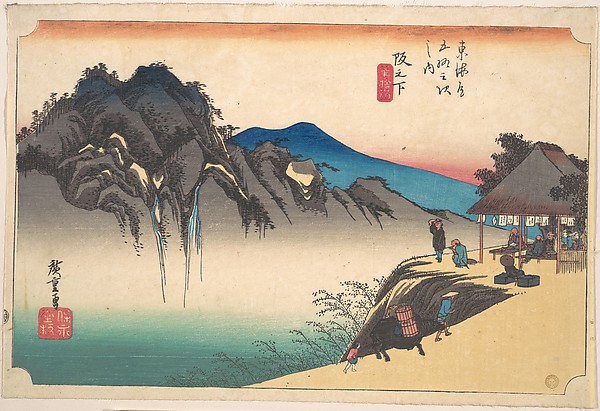 東海道五十三次之内 阪之下 筆捨嶺|Saka-no-shita, Fude-sute Mine
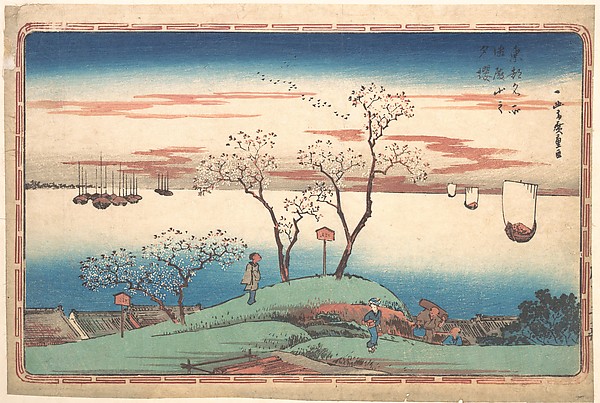 Gotenyama no yu-zakura|東都名所 御殿山之夕桜|Evening Cherry Blossoms a
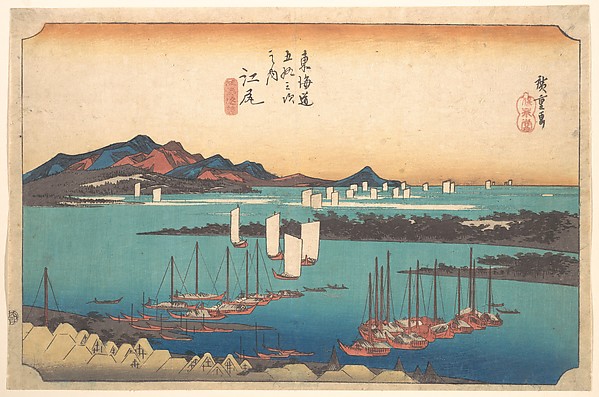 東海道五十三次之内 江尻 三保遠望|Panorama of Miwo Pine Wood from Ejiri
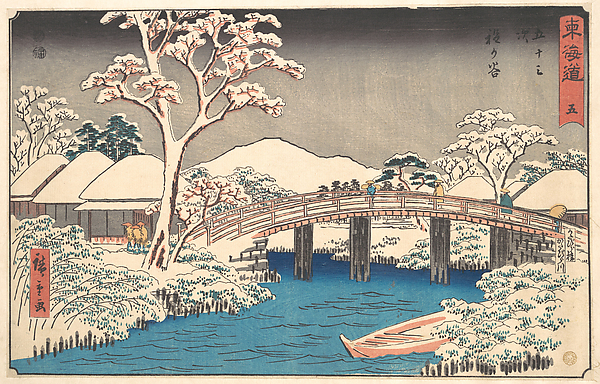 東海道五十三次 程ヶ谷 かたびら橋 かたびら川|Hodogaya
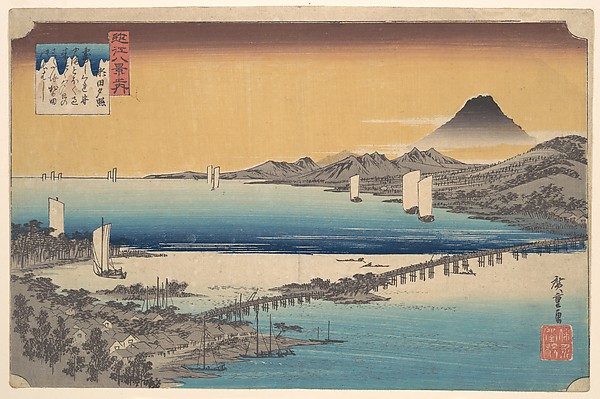 近江八景之内 瀬田夕照|Long Bridge of Seta
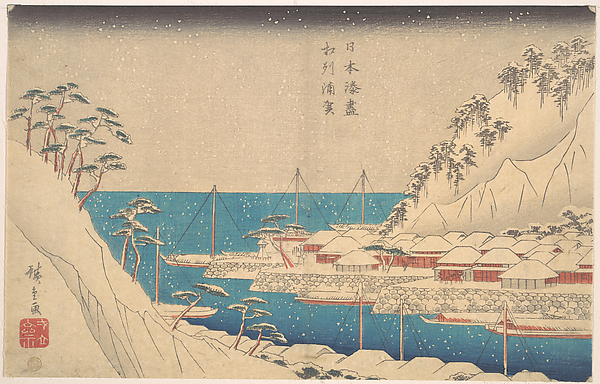 日本湊尽 相州浦賀|Uraga Harbor
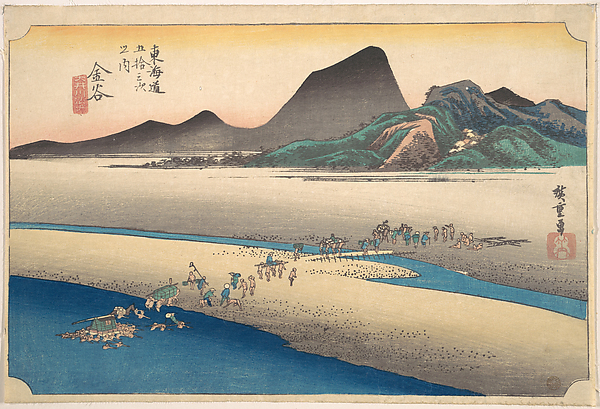 東海道五十三次之内 金谷 大井川遠岸|Kanaya, Oigawa Em Gan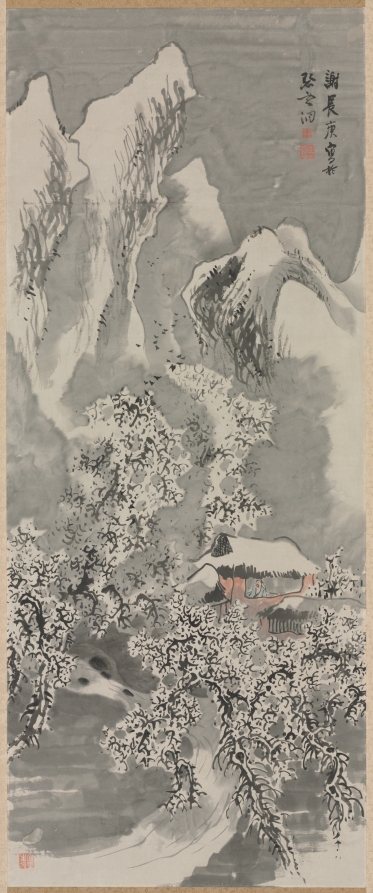
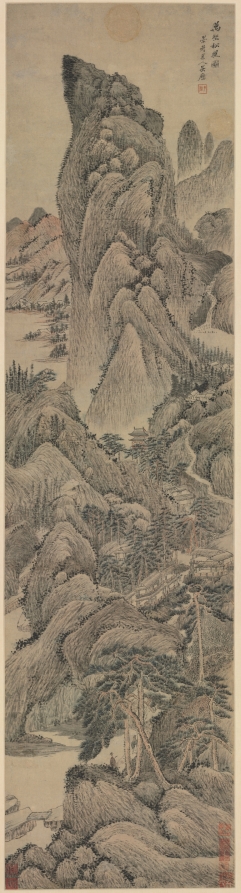
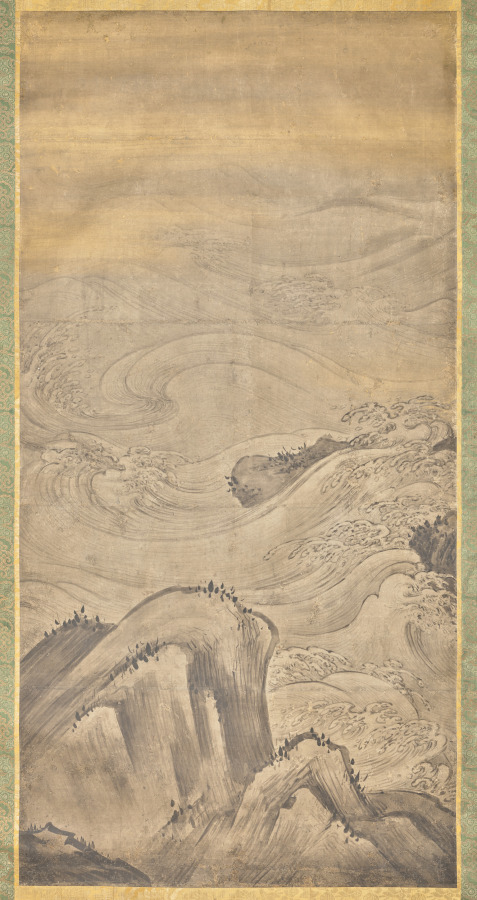
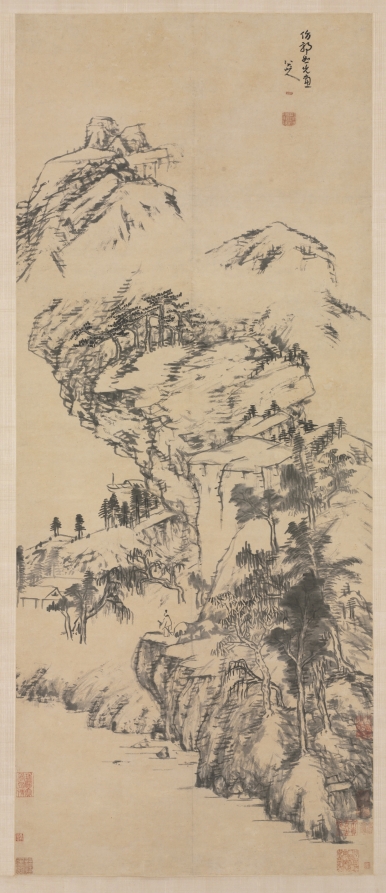
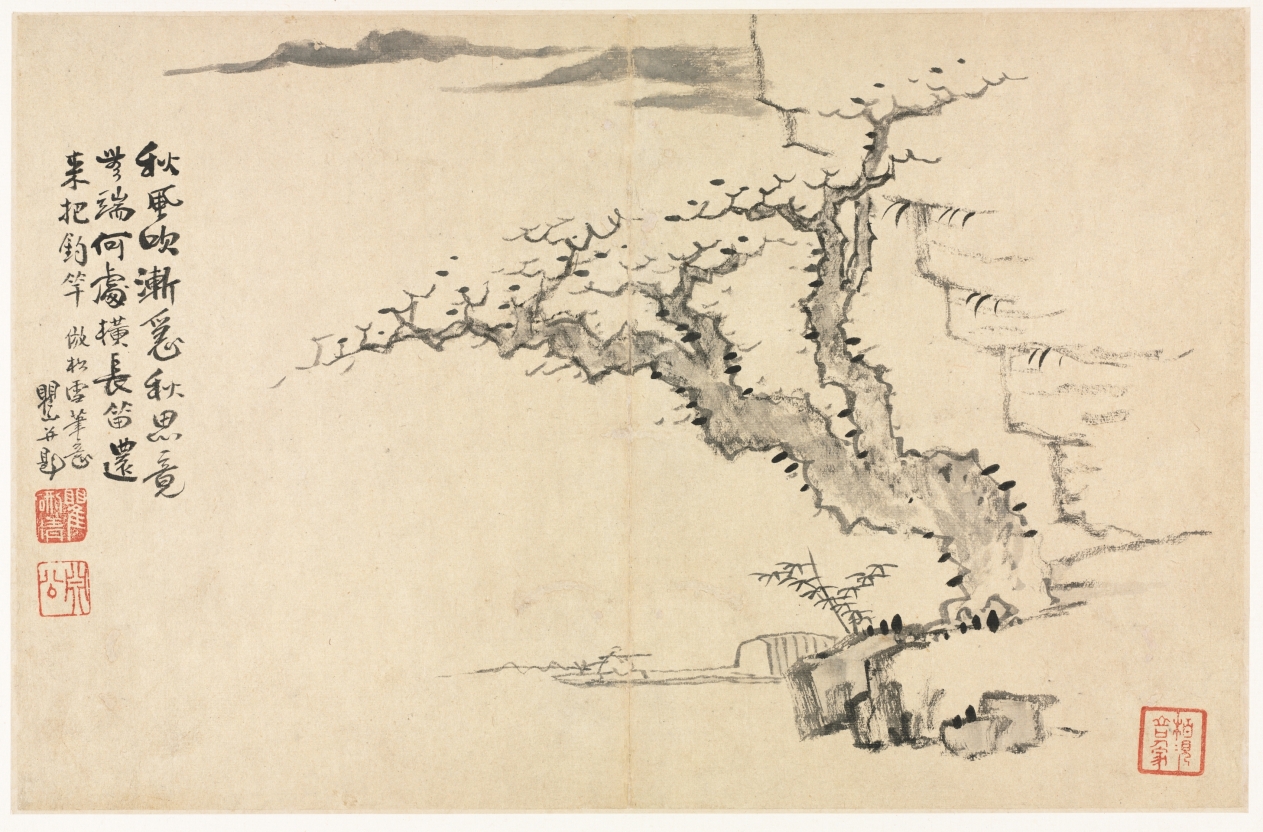
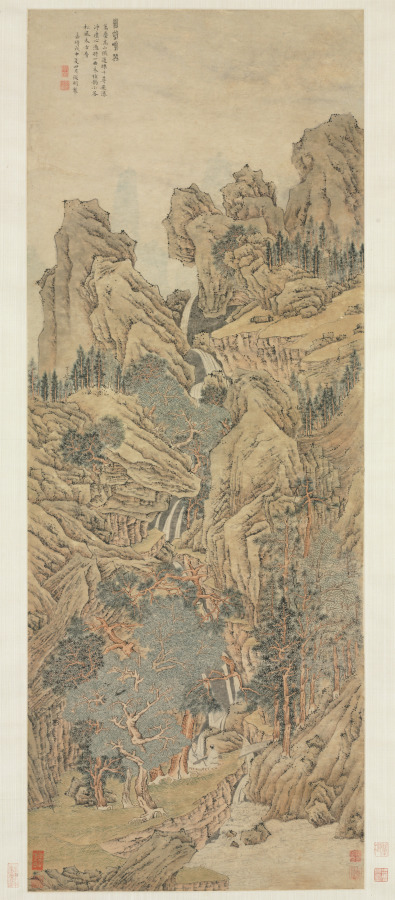
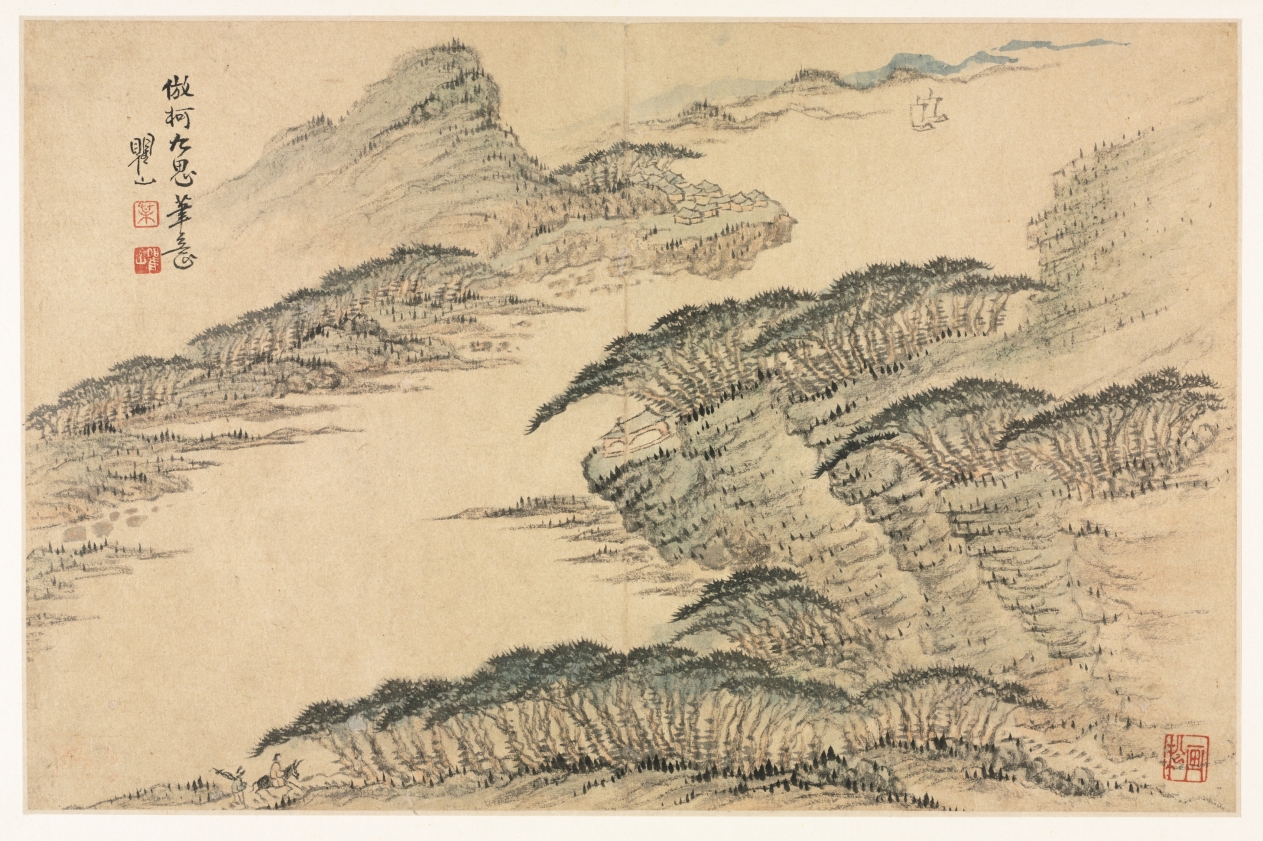
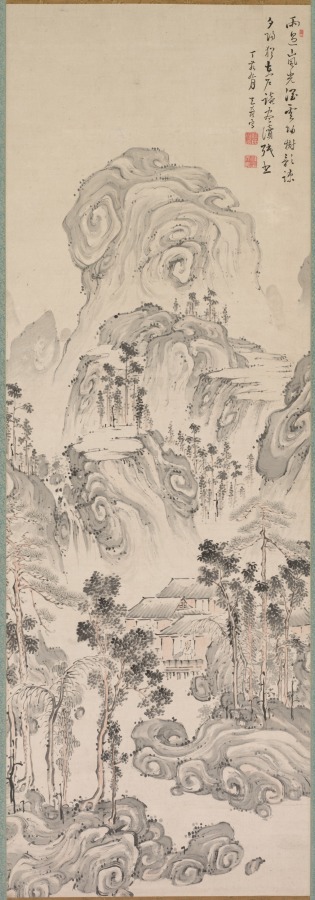
![Daoist Retreat in Mountain and Stream (Landscape after Ni Zan [1301–1374])](https://openaccess-cdn.clevelandart.org/1962.43/1962.43_web.jpg)