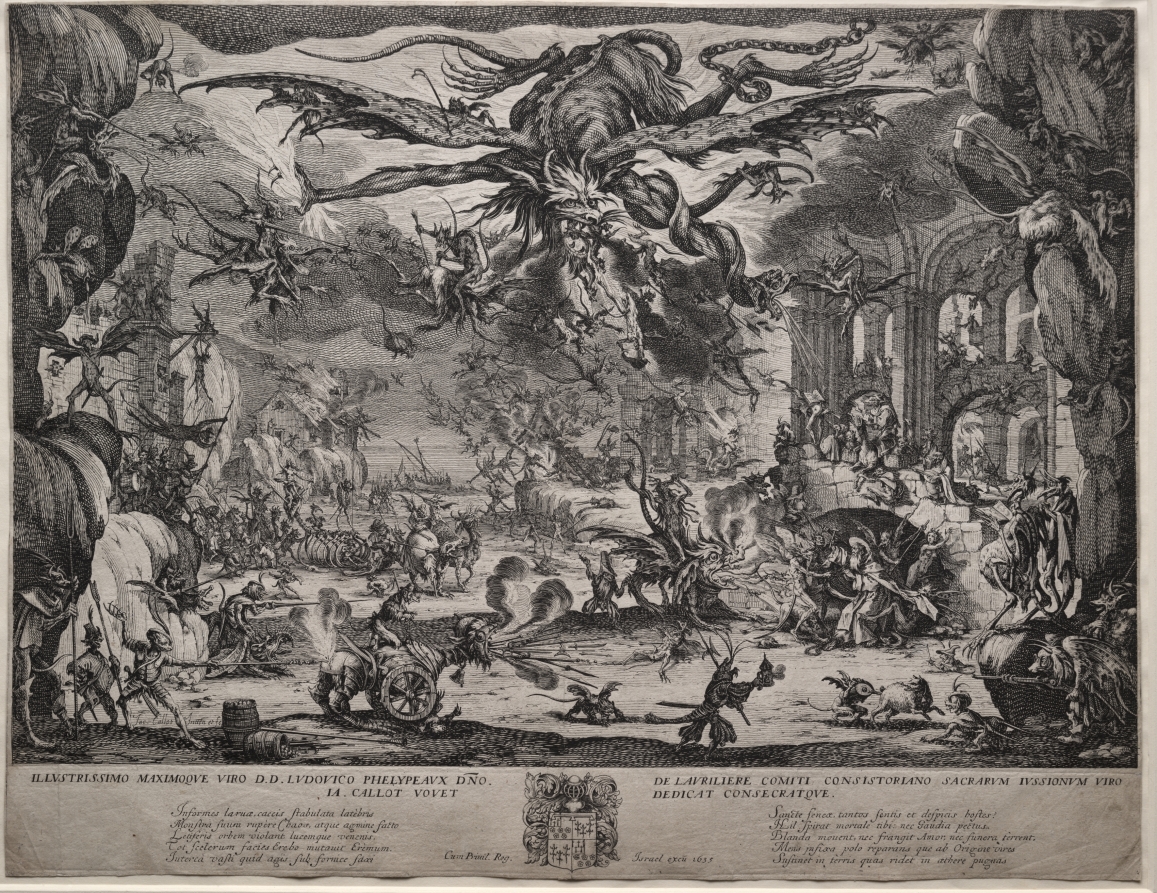
The Temptation of Saint Anthony
SEE IT IN PERSON
Not currently on view
In the collection of Art Institute of Chicago, Chicago · as of July 2026
Discussion
FROM THE ART INSTITUTE OF CHICAGO’S CATALOG
Jacques Callot studied painting in his native Lorraine before going to Italy. He worked first in Rome, and was later appointed to the Florentine court, where he made prints of their festivals and theatrical productions. He returned to Nancy in 1621, renowned as a printmaker of innovative technique. His oeuvre consists of more than 1,400 prints. Callot returned to this ambitious, cataclysmic subject, which he had treated in 1617, just before his death. It may reflect his horror at the plague that had taken his father's life in 1631, or his own battle with stomach cancer.
Be the first to share your thoughts.
Sign in to join the discussion.
More by Jacques Callot
 Sketches for the Balli di Sfessania (recto) Sketches of Danc
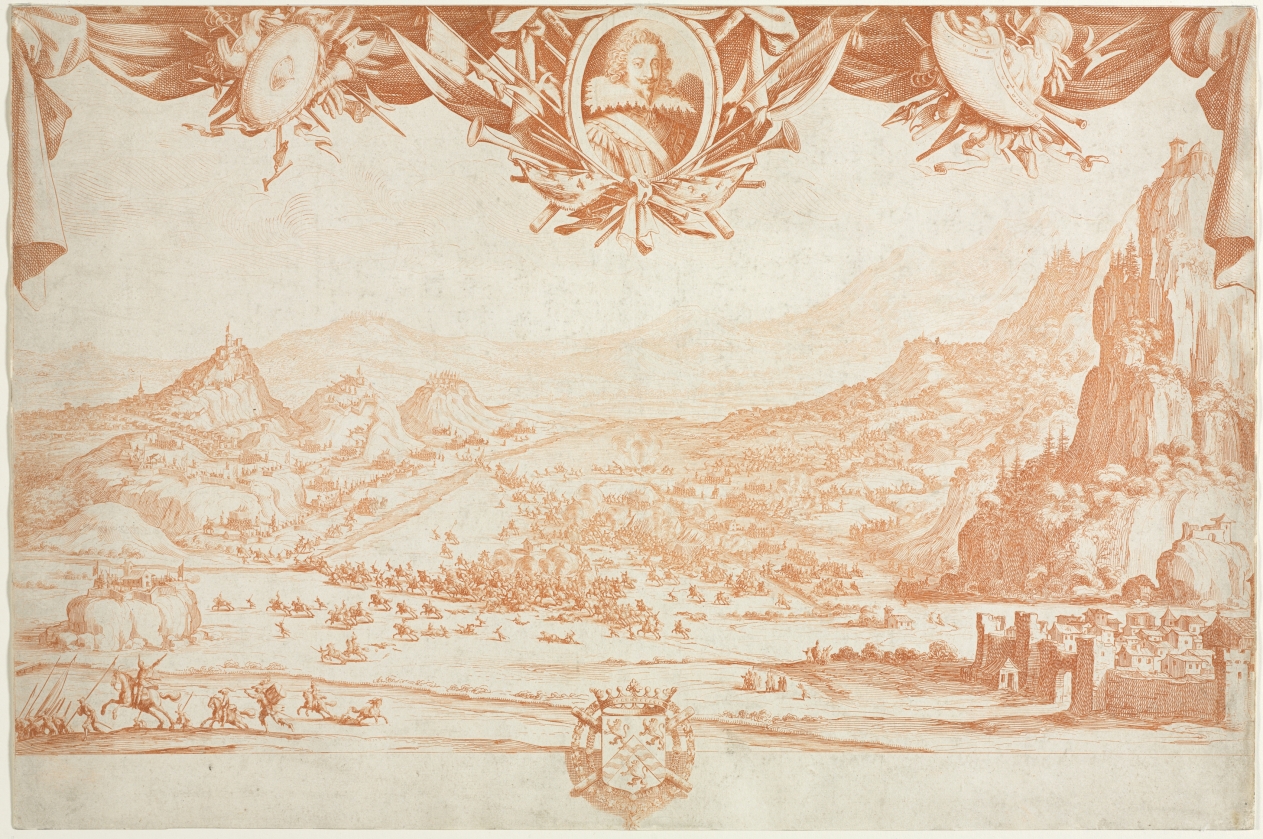 The Combat of Avigliamo
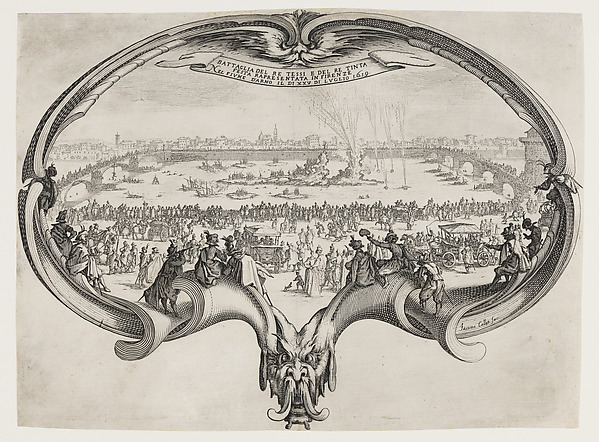 The Feast of Saint James, Florence, July 25, 1619
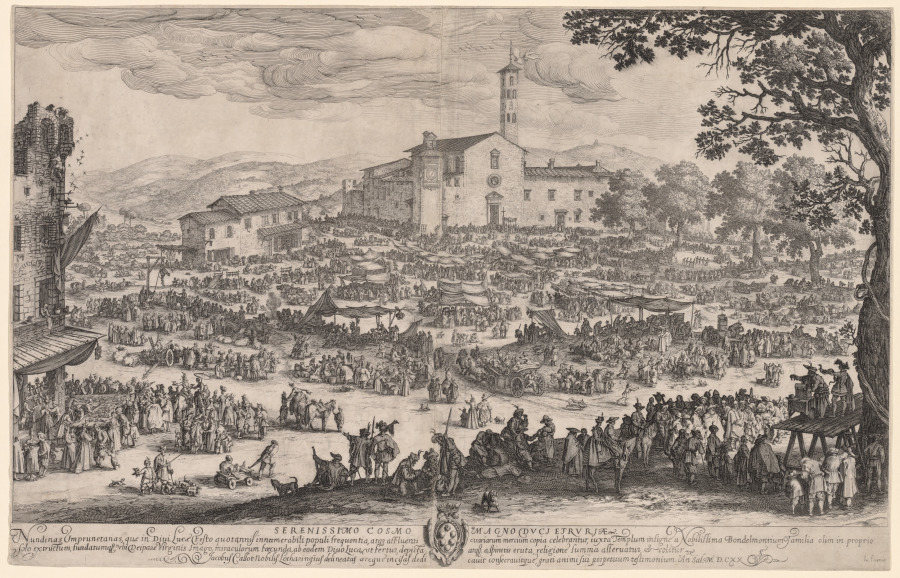 The Fair at Impruneta
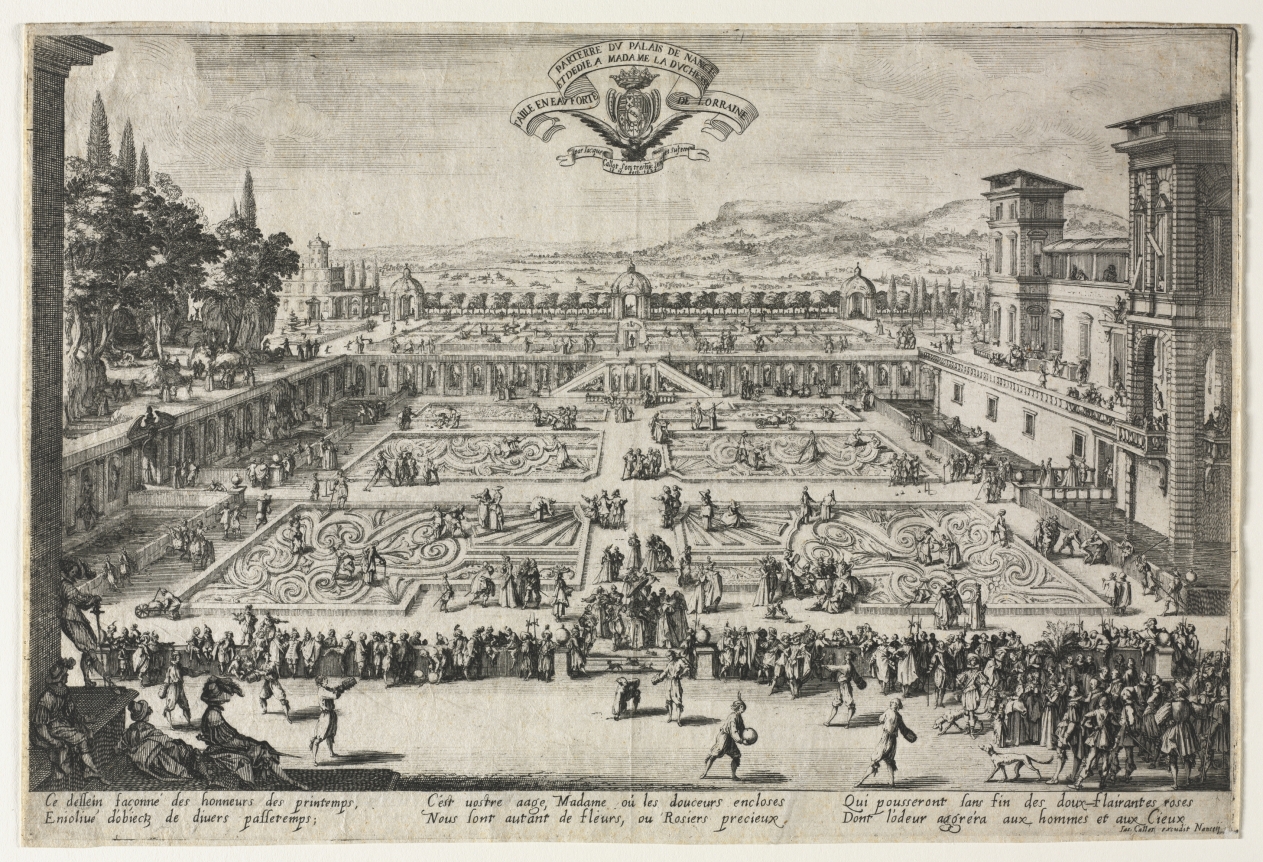 The Palace Gardens at Nancy
 Les Miseres Et Les Mal-Heurs De La Guerre...Israel
 The Temptation of Saint Anthony (second version)
 Franca Trippa - Fritellino, from the Balli di Sfessania
More like this
Jacques Callot (French, 1592–1635) — The Temptation of Saint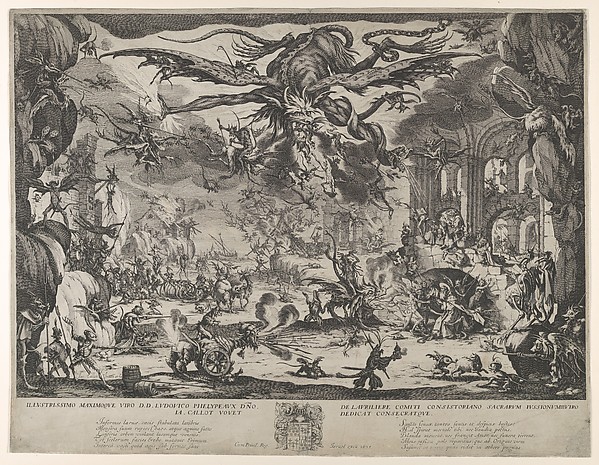 Jacques Callot|Israël Henriet — The Temptation of St. Anthon
 Daniel van den Bremden — The Triumphal Car of Prince Hendrik
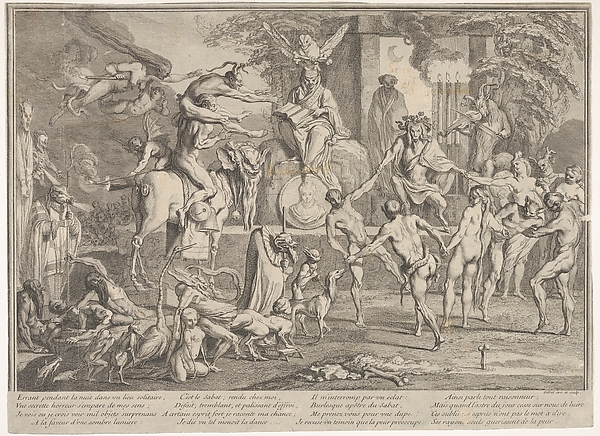 Claude Gillot — Witches' Sabbath, within a nocturnal landsca
 Cornelis Dusart — The Village Festival
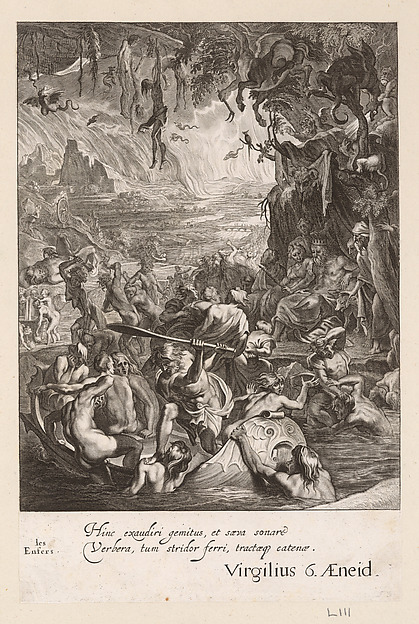 Abraham van Diepenbeeck — Hell
 Gerrit Lucasz van Schagen — Plundering a Large Farmhouse, pl
 Jean Barbault|Louis Jean Desprez — The Triumph of Modern Art
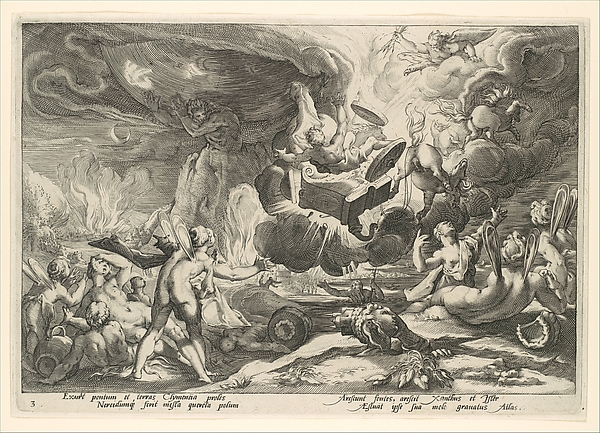 Hendrick Goltzius|Anonymous, Netherlandish, 17th century — T
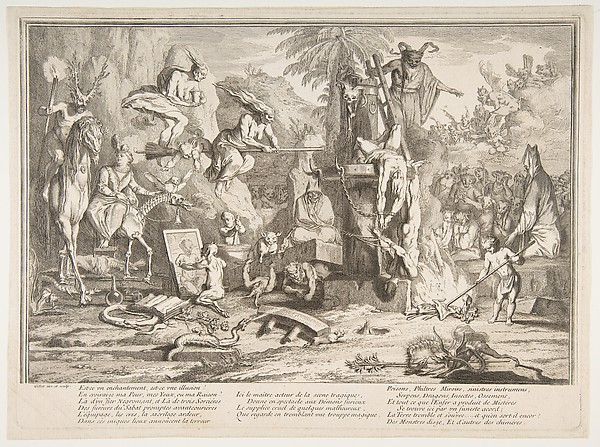 Claude Gillot — Est-ce un enchantment...
 Gerrit de Heer — The Resting Gypsy Family in Front of a Ruin
 Franz Joachim Beich — Maximilian Emanuel and the Bavarian Ar