FROM THE CLEVELAND MUSEUM OF ART’S CATALOG
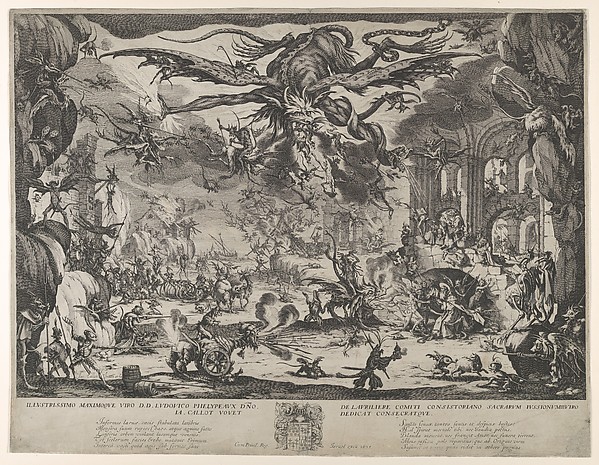
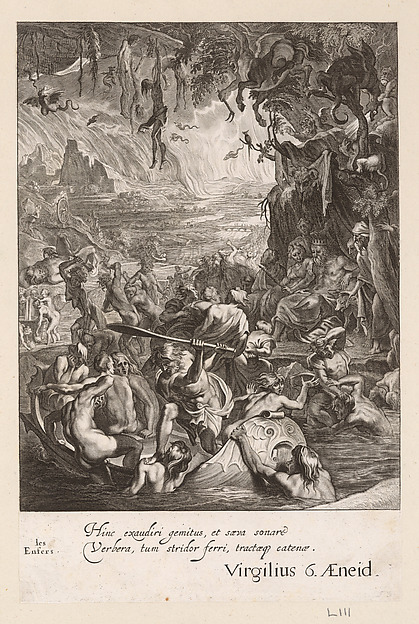
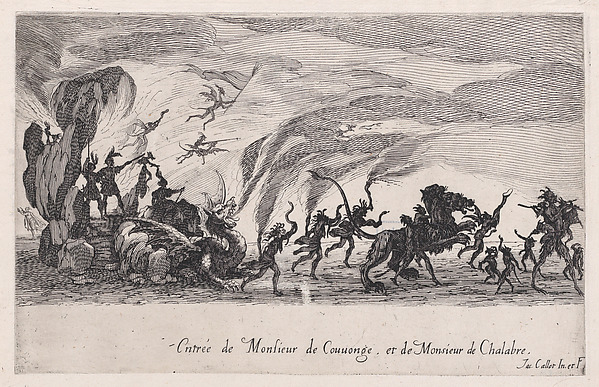
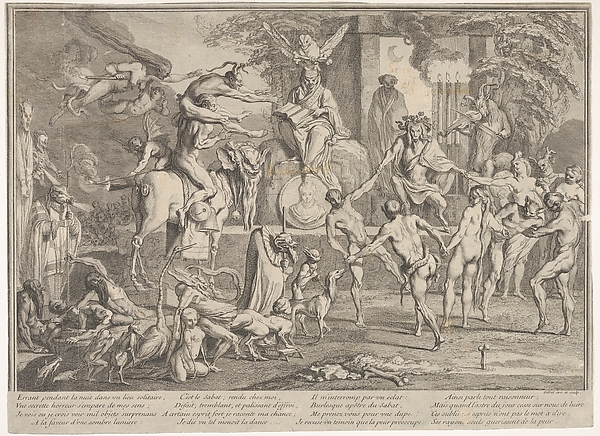
The Witches' Sabbath was said to be the meeting of sinister forces for devil worship through dancing, feasting, or sacrifices. In depicting this orgy of bodies and monsters, artists often borrowed from religious imagery. Numerous Renaissance images provided Jacques Callot with a litany of fantastic creatures for his widely influential Temptation of Saint Anthony , depicting the steadfast saint as he endures the mental and spiritual tortures of hell.
Source ↗︎
Be the first to share your thoughts.
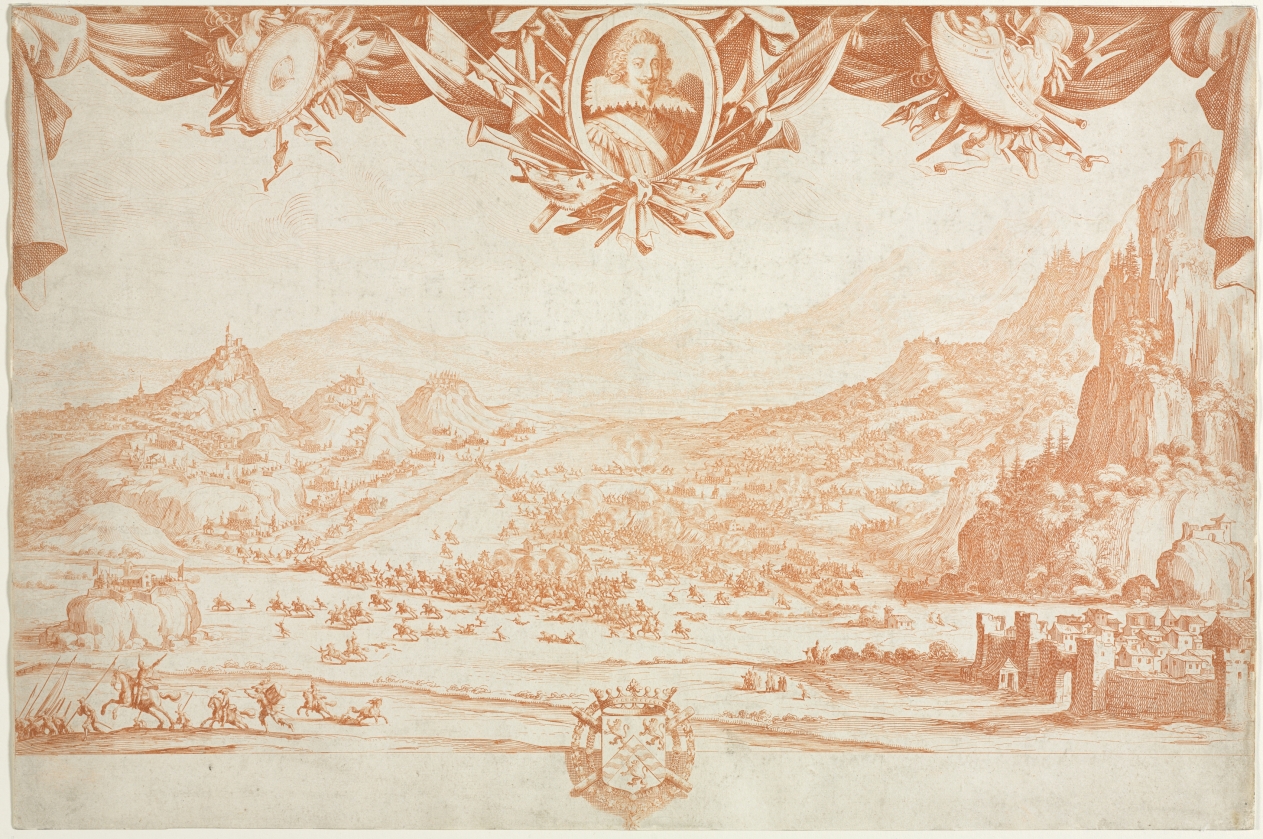 The Combat of Avigliamo
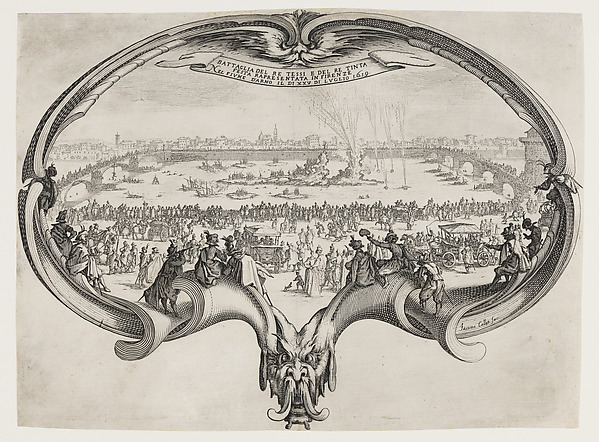 The Feast of Saint James, Florence, July 25, 1619
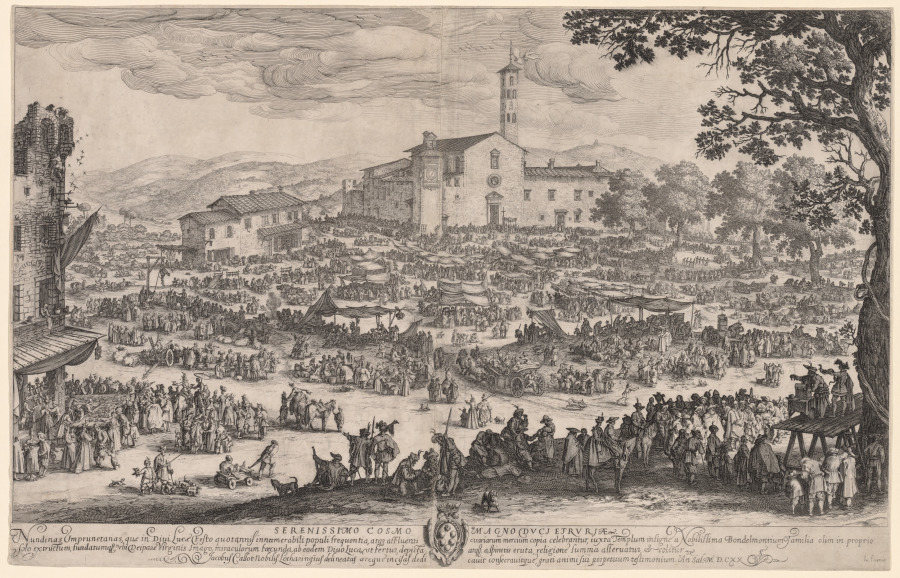 The Fair at Impruneta
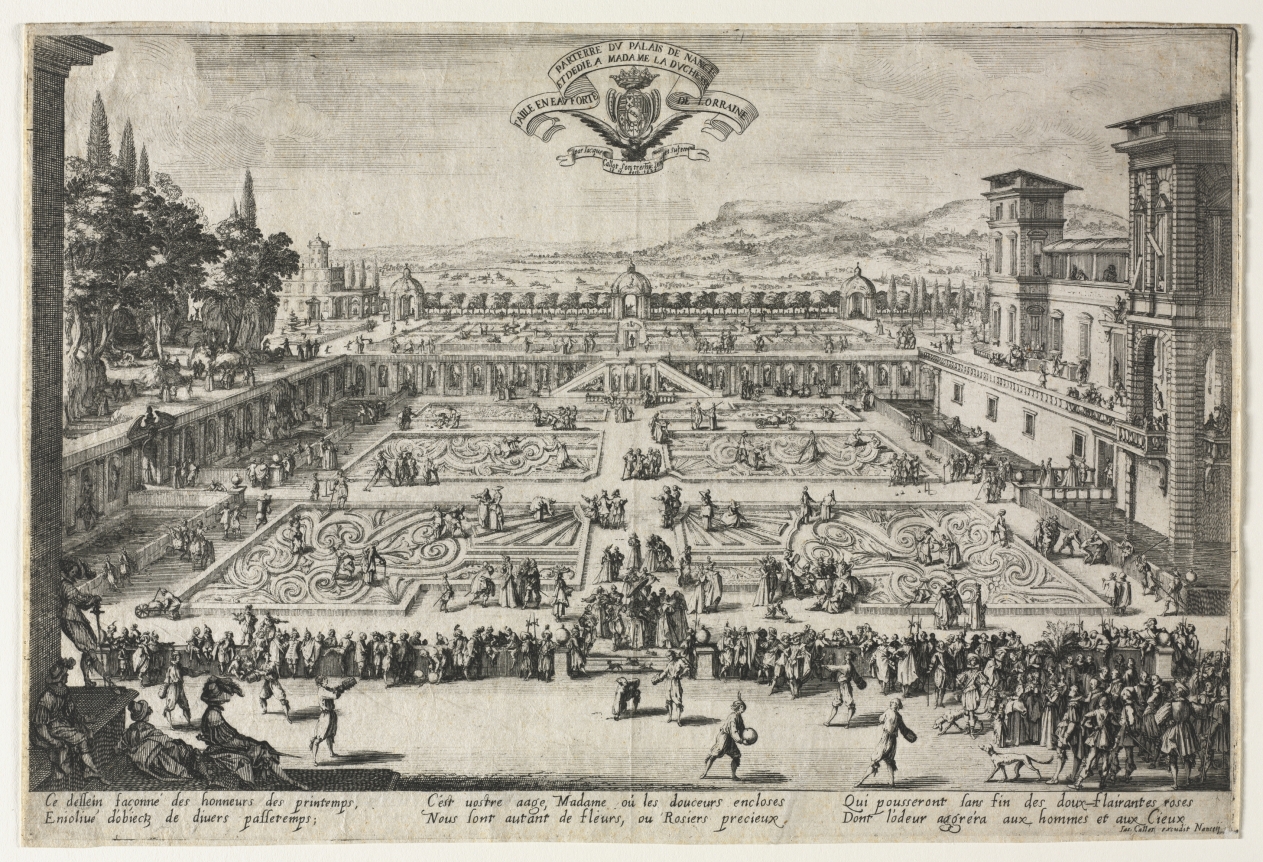 The Palace Gardens at Nancy
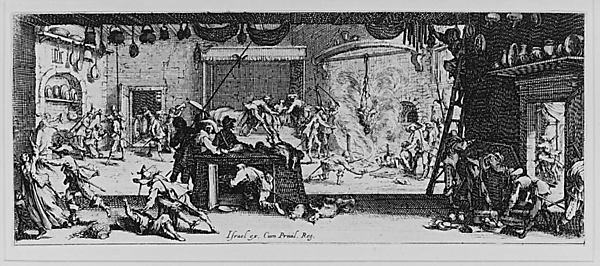 Les Miseres Et Les Mal-Heurs De La Guerre...Israel
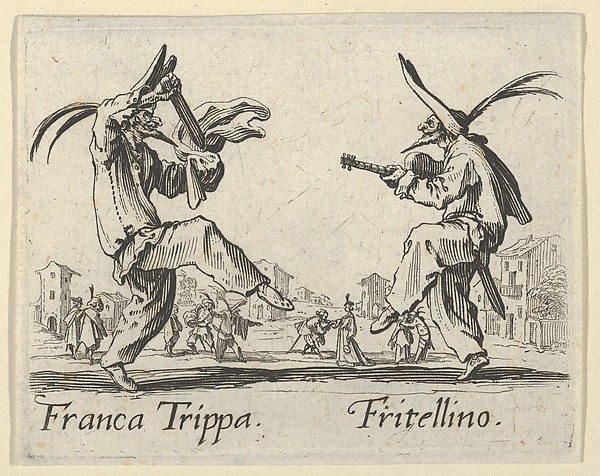 Franca Trippa - Fritellino, from the Balli di Sfessania
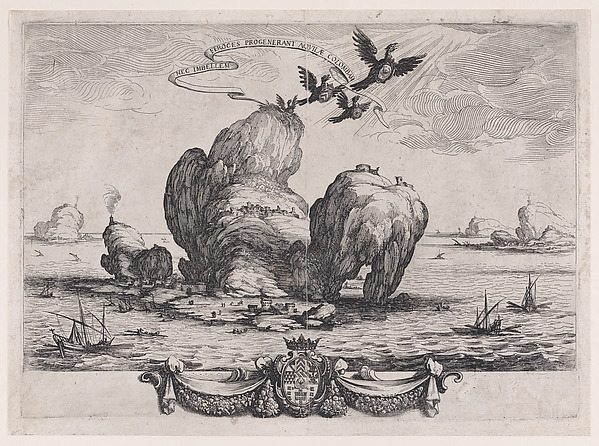 Le Grand Rocher (The Great Rock)
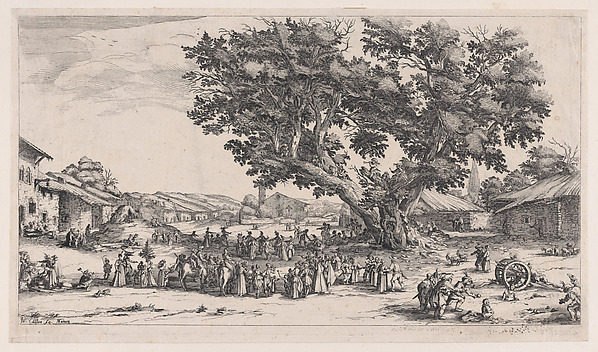 La Fiore de Gondreville pièce appelée aussi La Fête du Villa