FROM THE CLEVELAND MUSEUM OF ART’S CATALOG
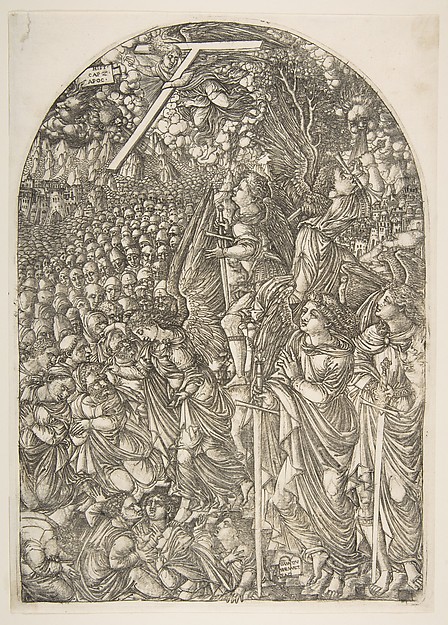
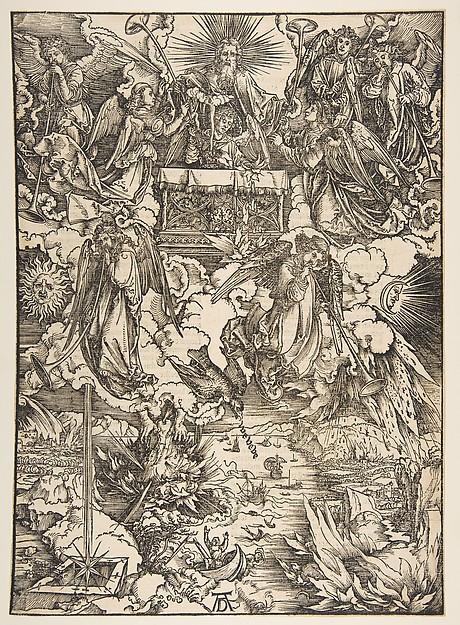
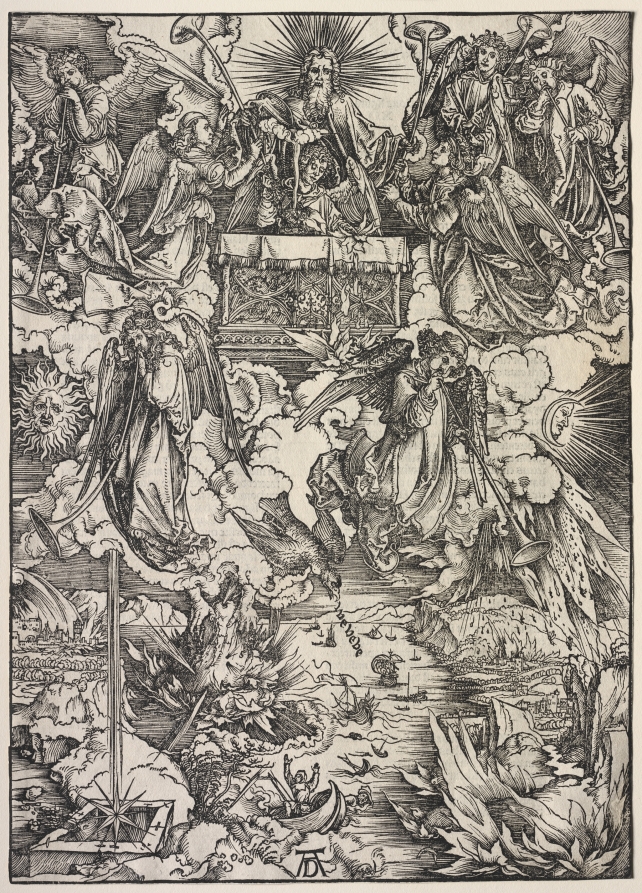
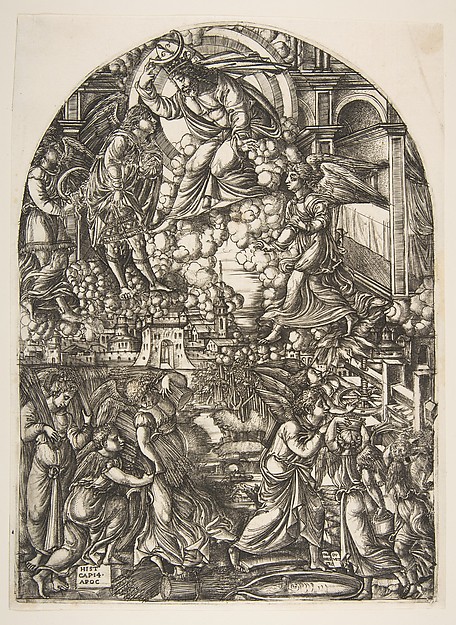
Jean Duvet was a goldsmith in Dijon, France, before taking up engraving. The relationship between the goldsmith’s art and that of the engraver is easily observed in this image of the opening of the seventh seal, a dramatic apocalyptic event at the end of the Book of Revelation from the New Testament. Figures crowd onto the image’s surface as they might appear on a metal plaque. Working outside the primary printmaking centers of Northern Europe and Italy, Duvet had little access to other printmakers and probably learned to engrave by studying prints by other masters. This is evident in his reliance on compositional elements derived from Albrecht Dürer’s woodcut series The Apocalypse .
Source ↗︎
Be the first to share your thoughts.
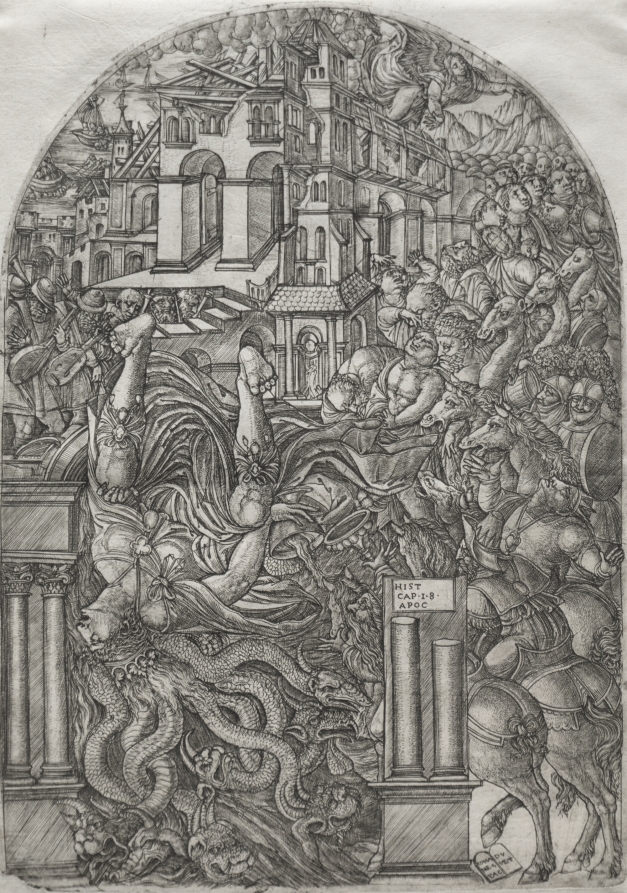 The Fall of Babylon
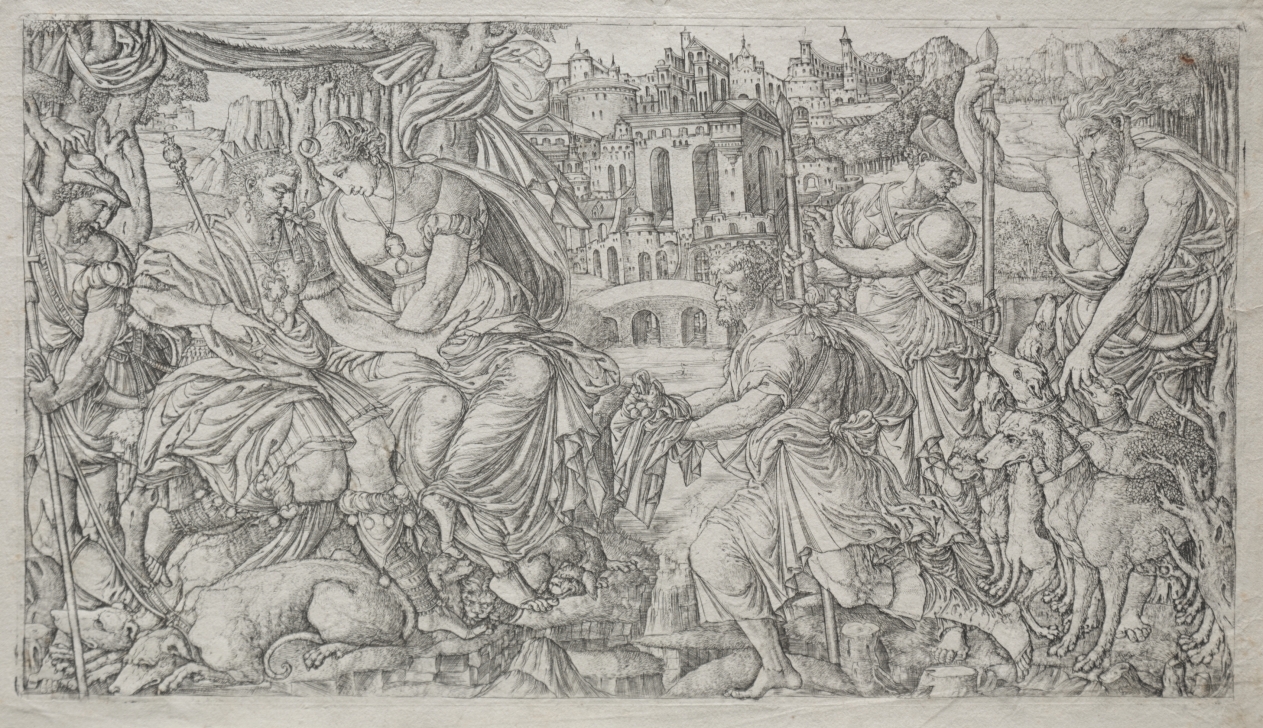 Huntsman Presenting a Gift to a King
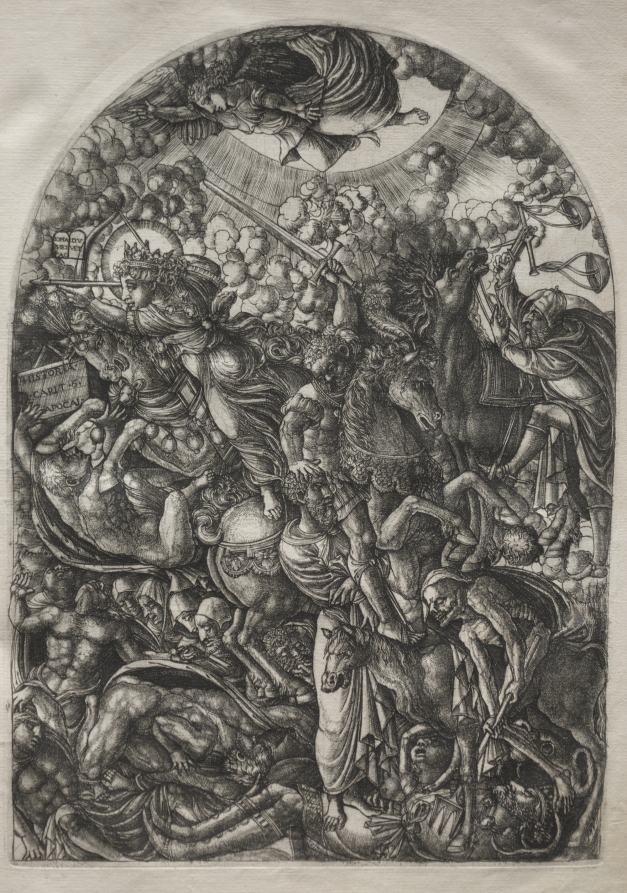 The Apocalypse: St. John Sees the Four Riders
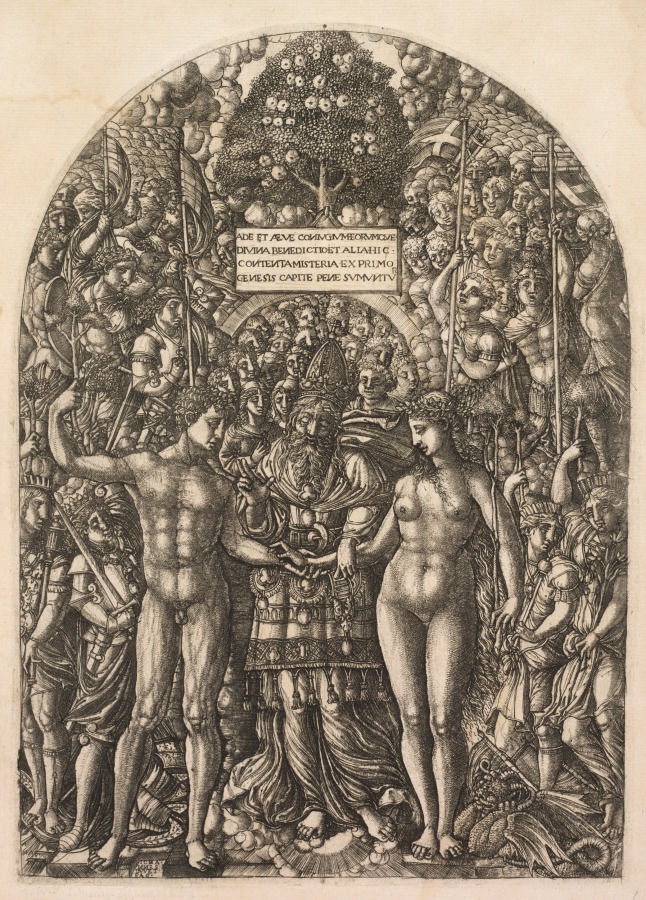 Marriage of Adam and Eve
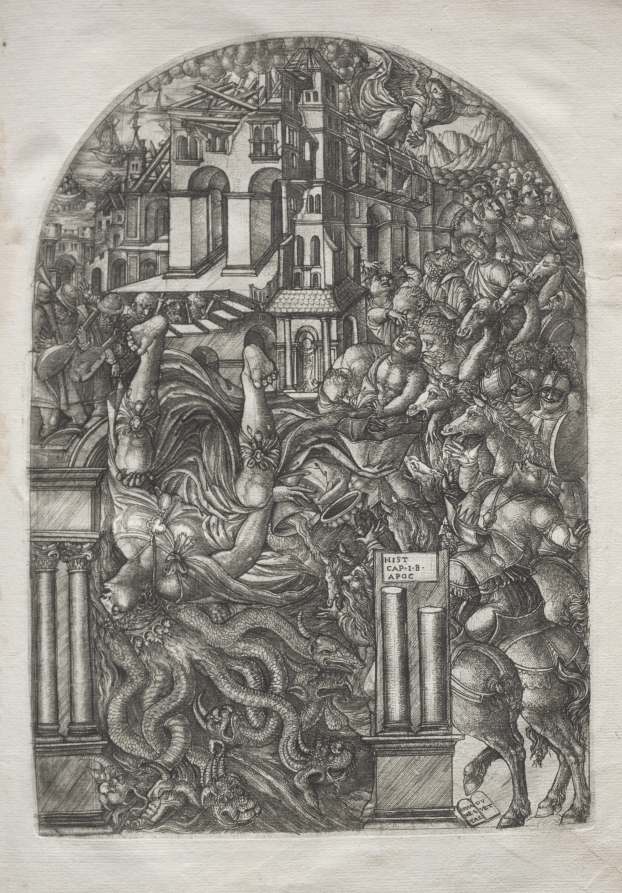 The Apocalypse: The Fall of Babylon
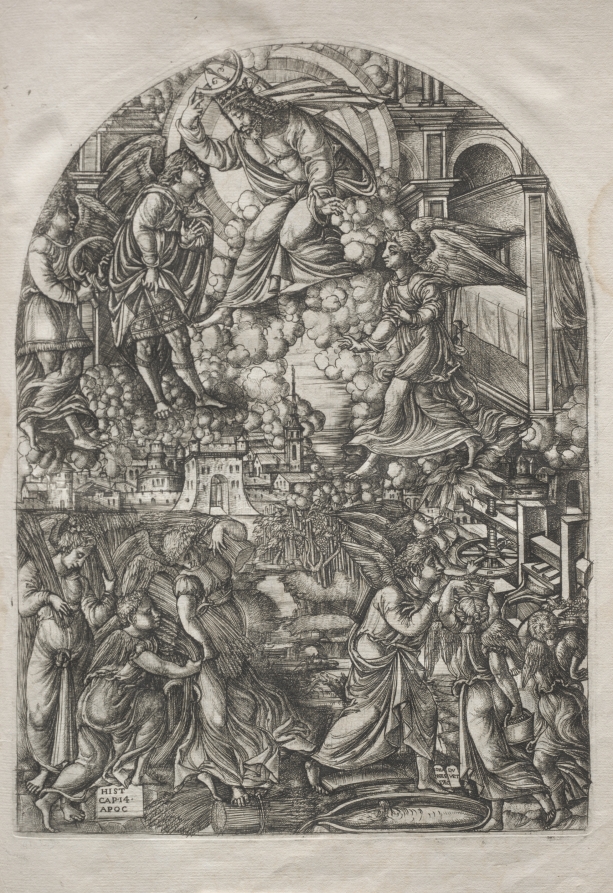 The Apocalypse: The Winepress of the Wrath of God
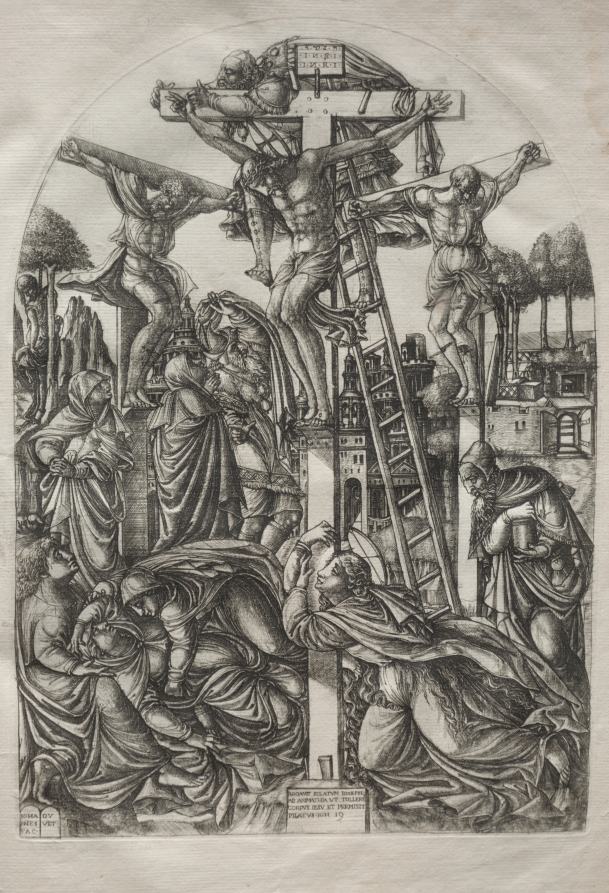 Christ on the Cross between the Two Thieves
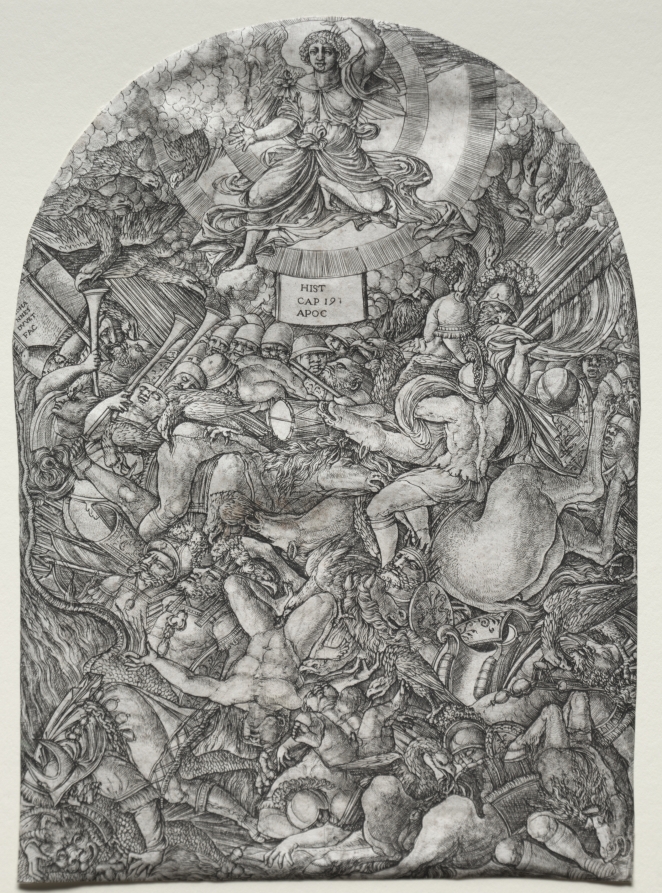 The Apocalypse: The Angel in the Sun Calling the Birds of Pr