Prince Visiting an Ascetic during a Hunt
Mughal dynasty (1526-1857), c. 1625-1650
Opaque watercolor, gold, and ink on paper
26.5 × 15.2 cm (10.4 × 6 in)
SEE IT IN PERSON
Not currently on view
In the collection of Art Institute of Chicago, Chicago · as of July 2026
Discussion
Be the first to share your thoughts.
Sign in to join the discussion.
More by India Kashmir


More like this
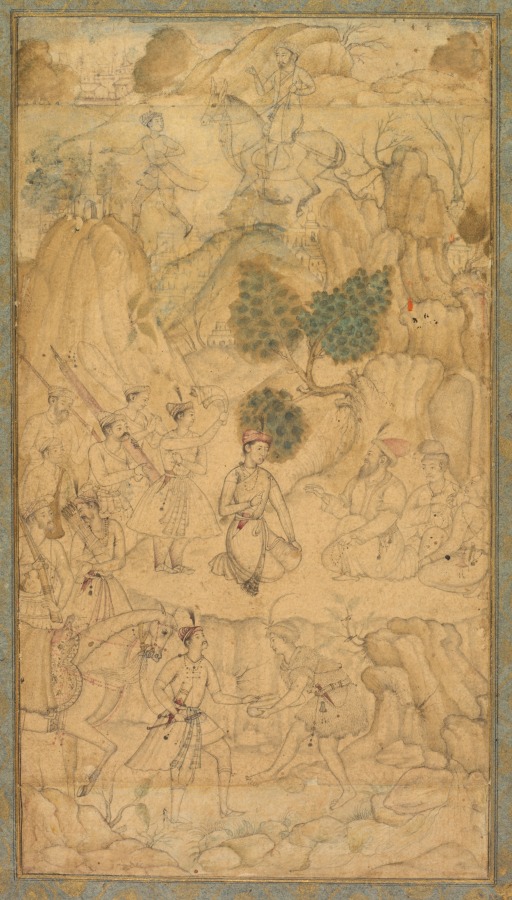 A prince visiting a holy man in a rocky landscape
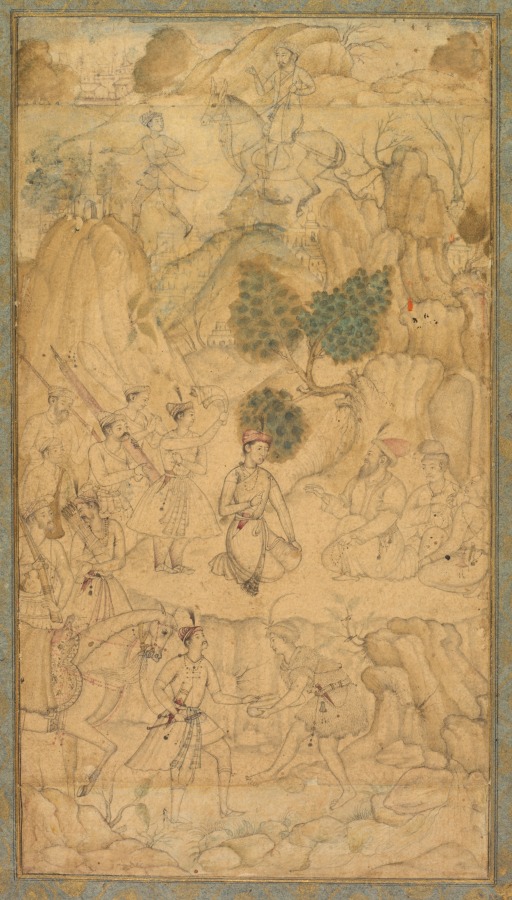 A Prince Visiting a Holy Man in a Rocky Landscape (recto)
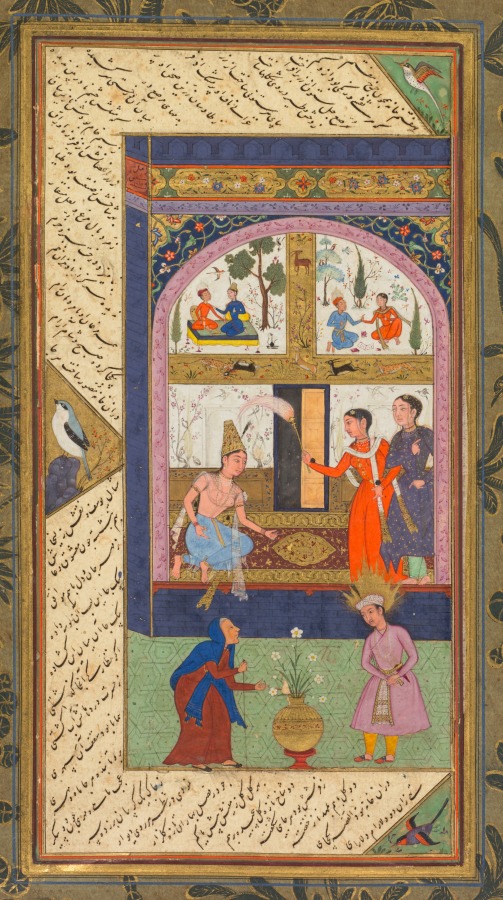 Mushfiq (Indian, active early 1600s) — Zulaykha in her palac
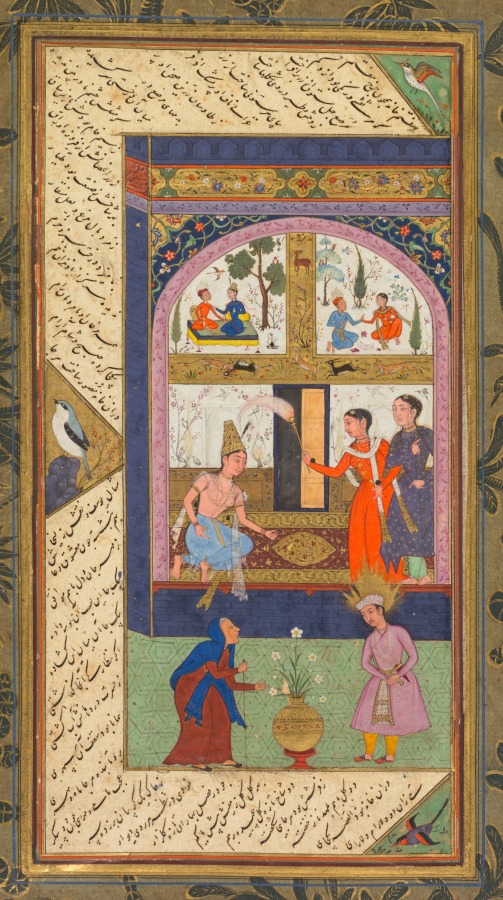 Mushfiq (Indian, active early 1600s) — Folios A and B from t
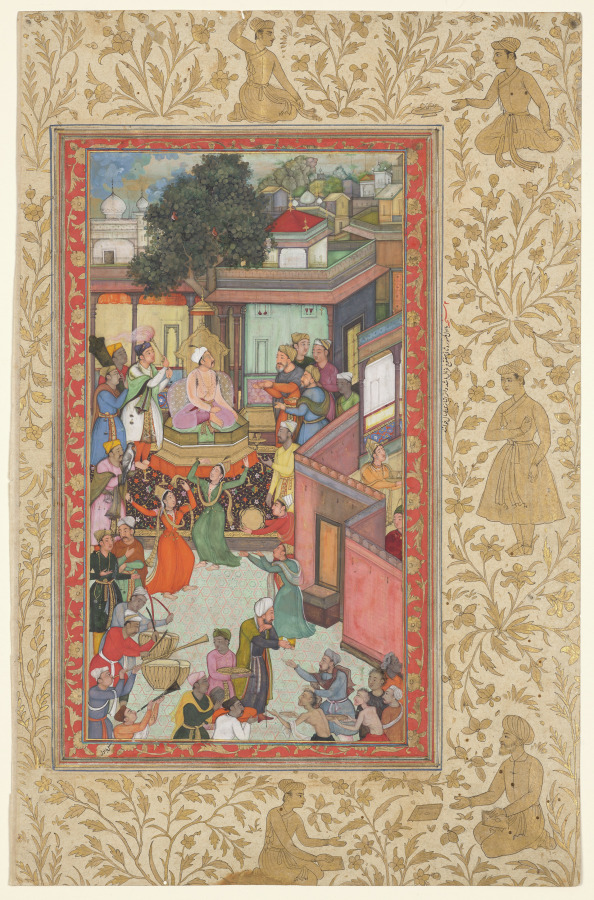 Dharam Das (Indian, active c. 1580–1605) — Circumcision cere
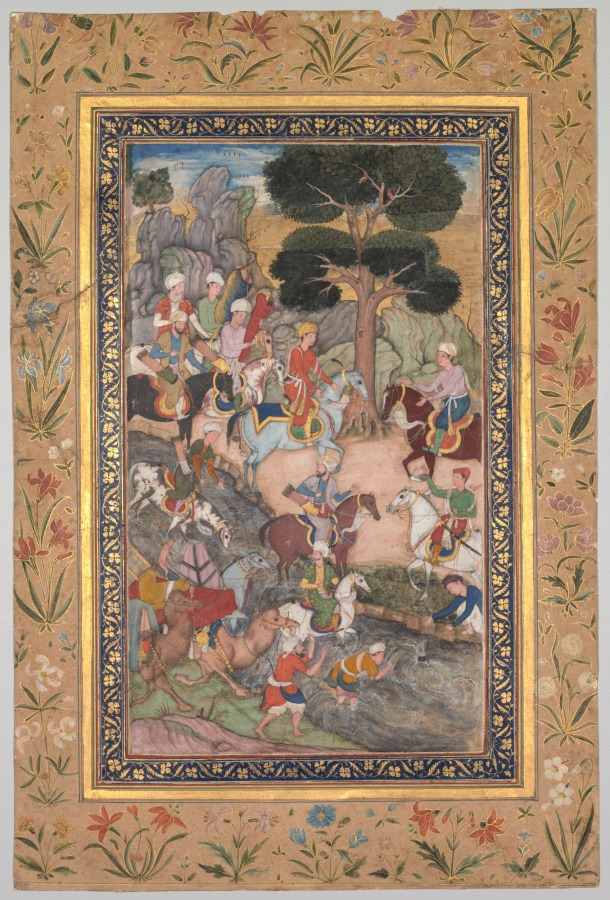 Babur meeting with Sultan Ali Mirza at the Kohik River, from
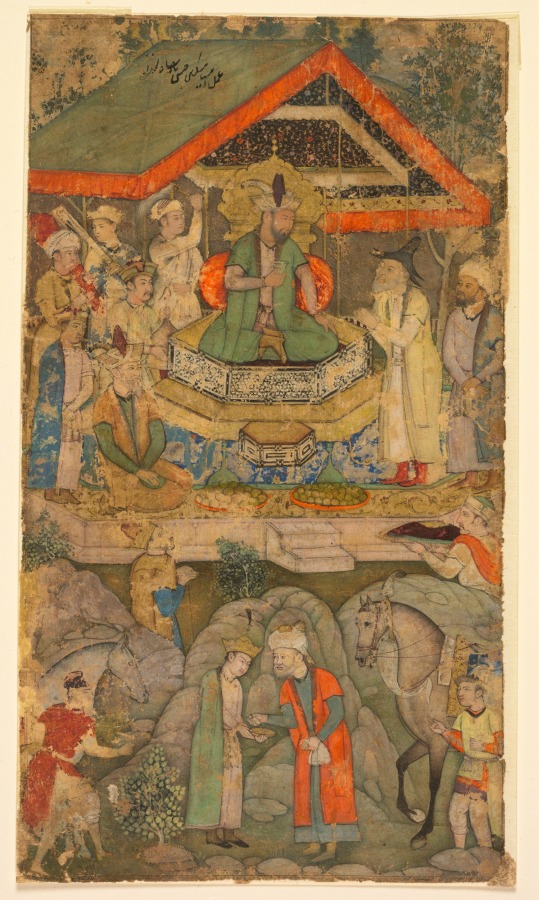 Miskin (Indian, active 1570s–c. 1604) — An Ambassador before
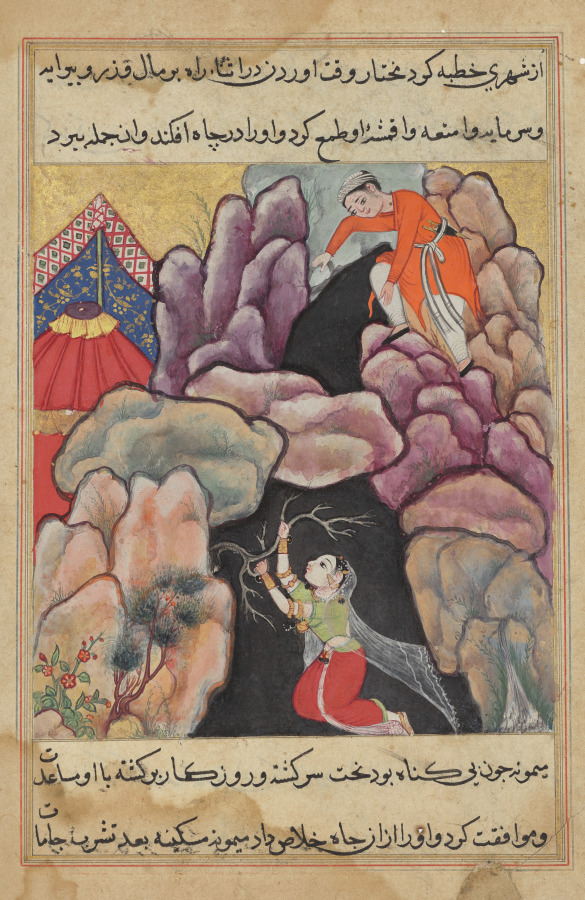 Mukhtar throws his wife Maimuna into the pit, but she saves
 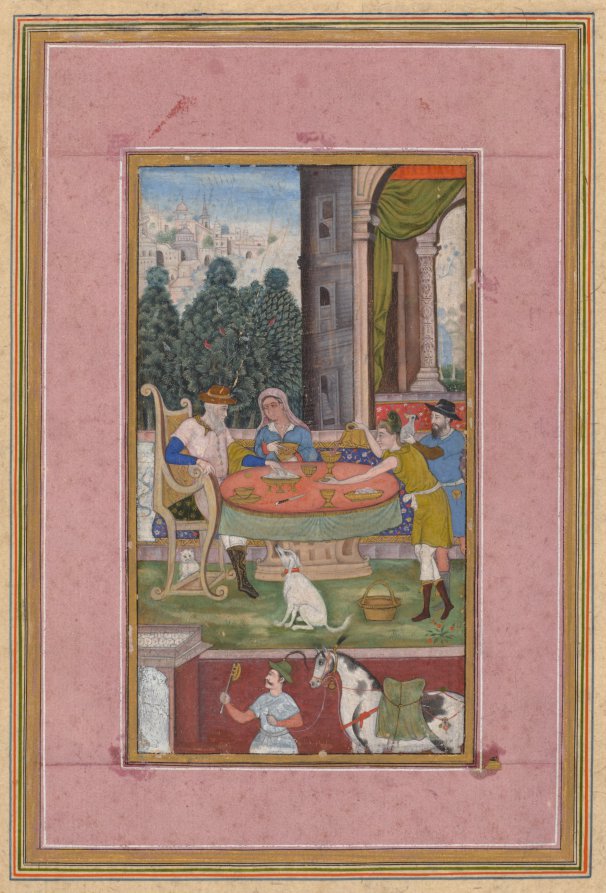 Dining Scene with European Elements
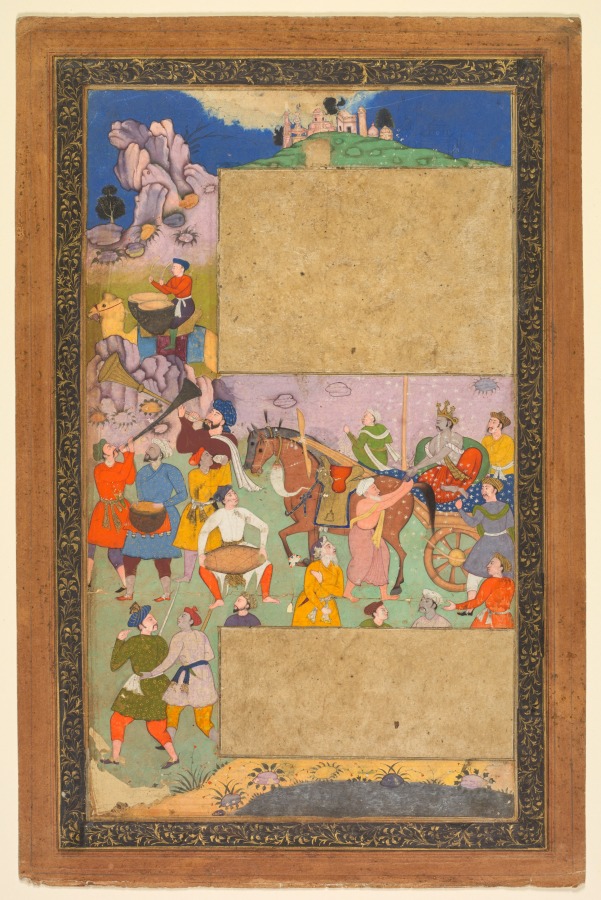 Yusuf Ali (Indian, active early 1600s) — A charioteer riding
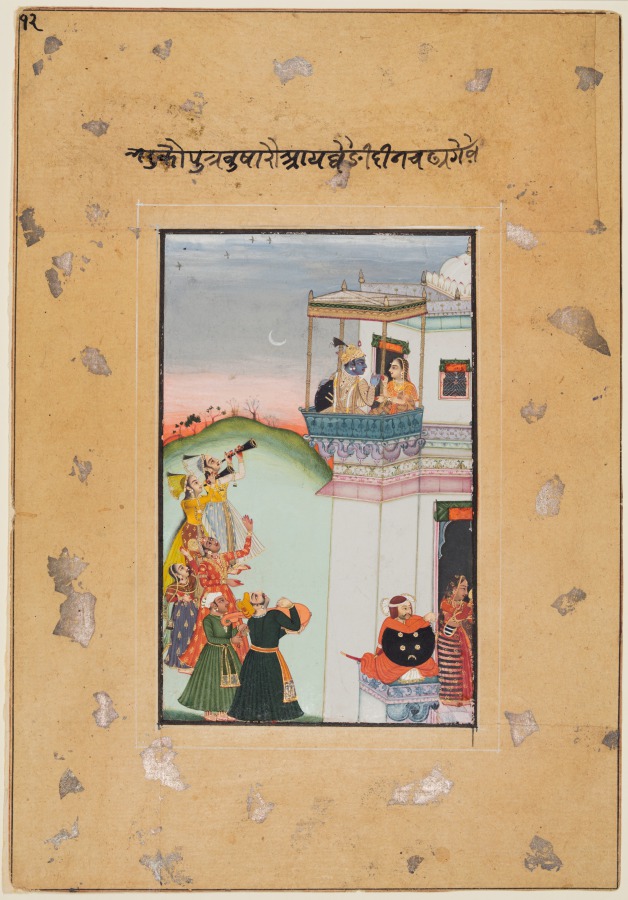 Krishna and Consort on a Palace Balcony with Musicians: Vukh
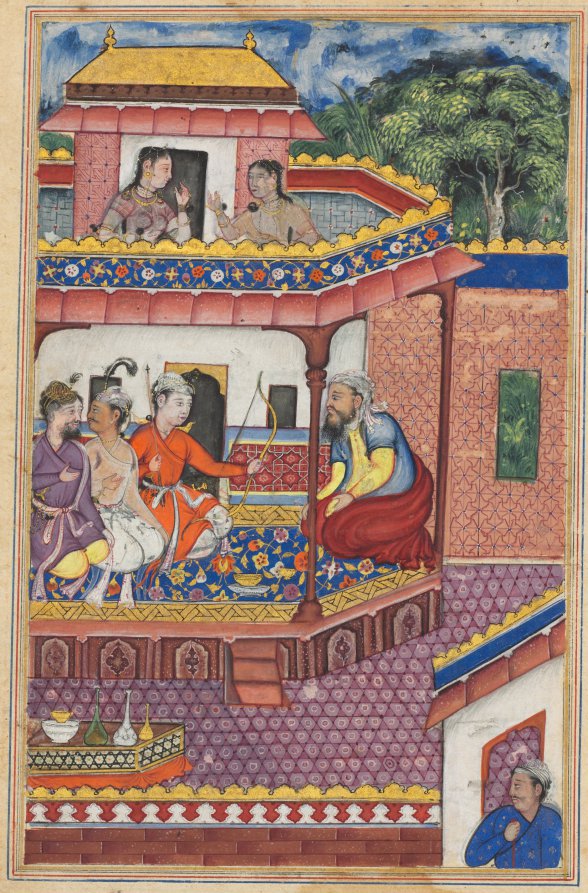 The three young men present themselves as suitors for the ha