The Blind Man and his Companion, plate nine from The Beggars
c. 1622
Etching on paper
13.8 × 9 cm (5.4 × 3.5 in)
SEE IT IN PERSON
Not currently on view
In the collection of Art Institute of Chicago, Chicago · as of July 2026
Discussion
Be the first to share your thoughts.
Sign in to join the discussion.
More by Jacques Callot
 Sketches for the Balli di Sfessania (recto) Sketches of Danc
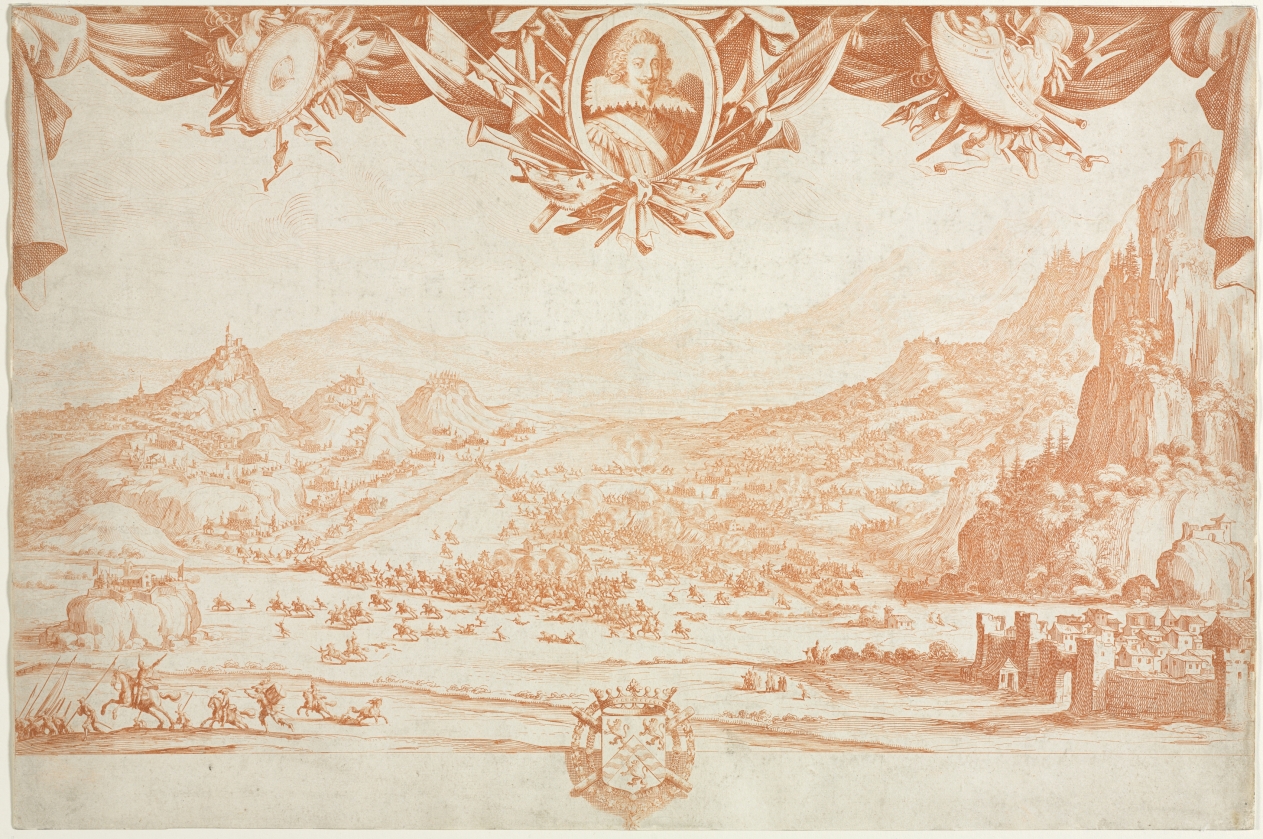 The Combat of Avigliamo
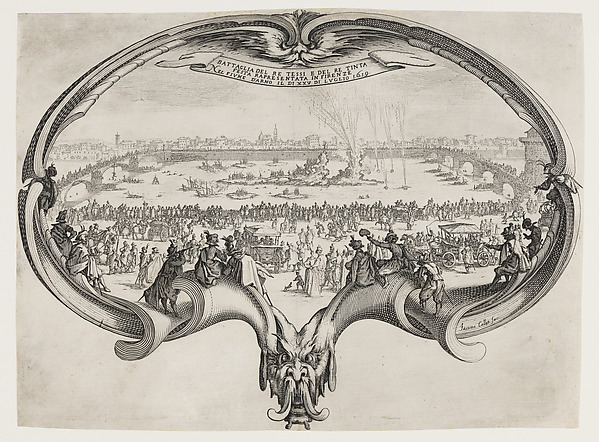 The Feast of Saint James, Florence, July 25, 1619
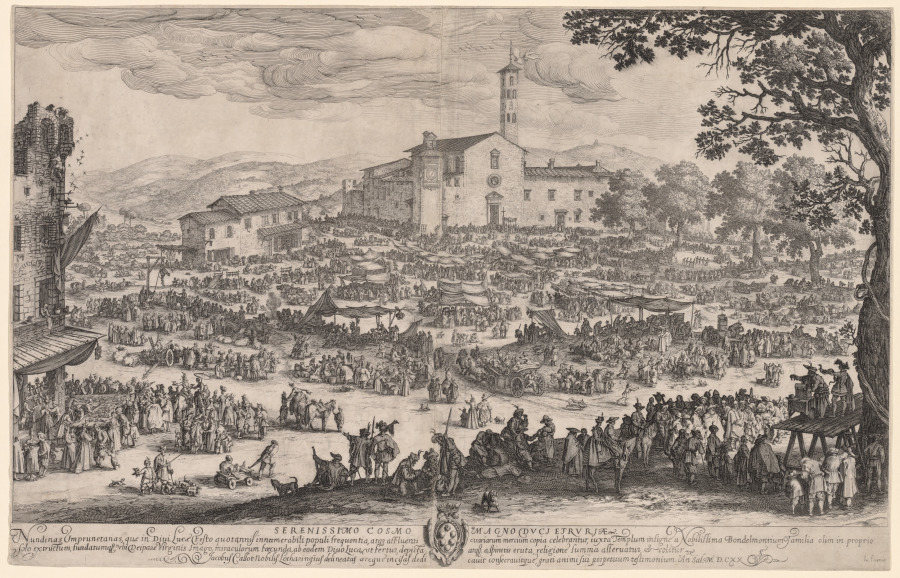 The Fair at Impruneta
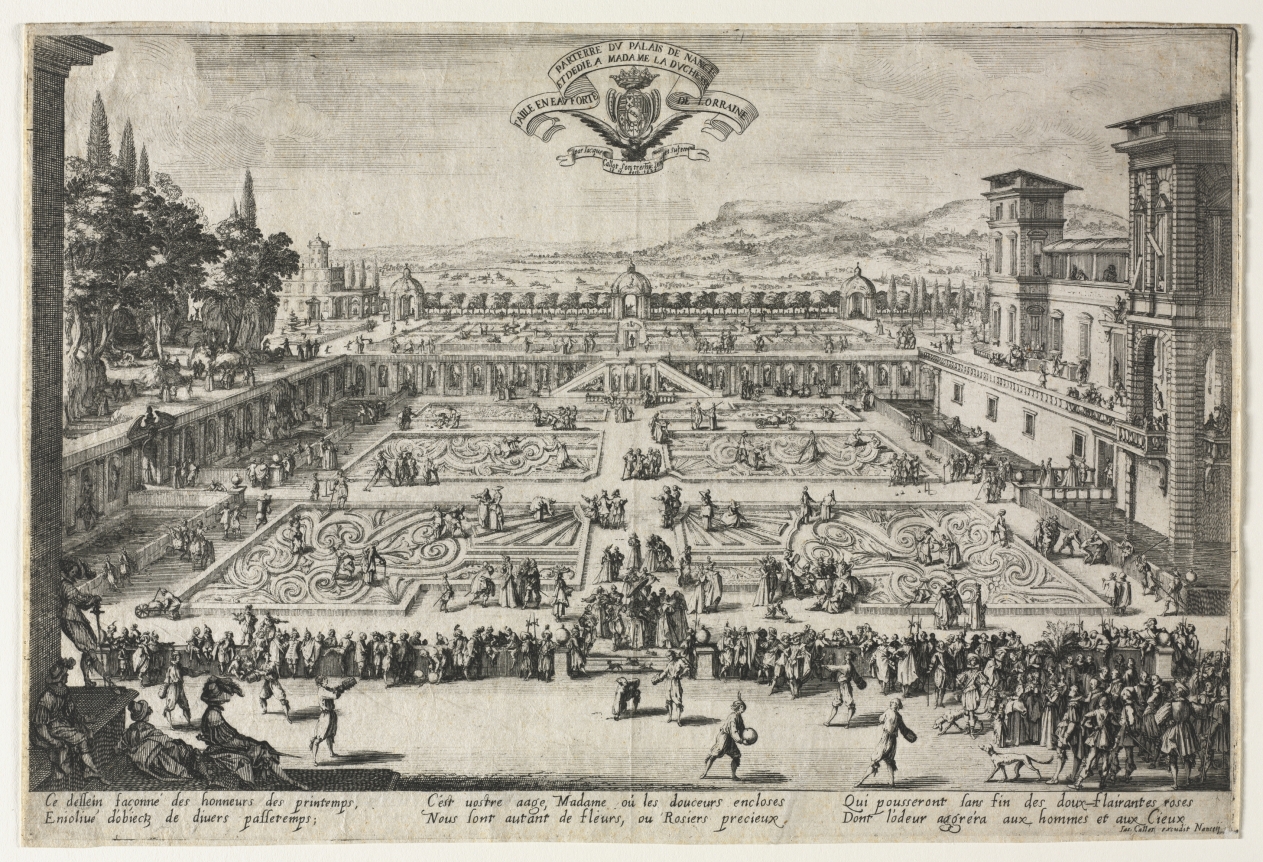 The Palace Gardens at Nancy
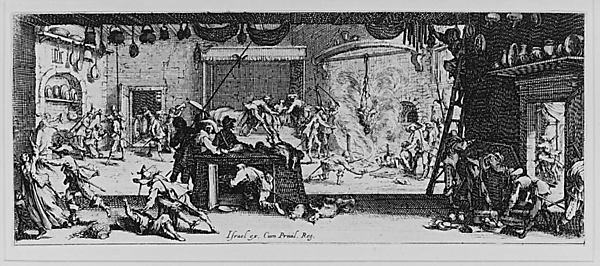 Les Miseres Et Les Mal-Heurs De La Guerre...Israel
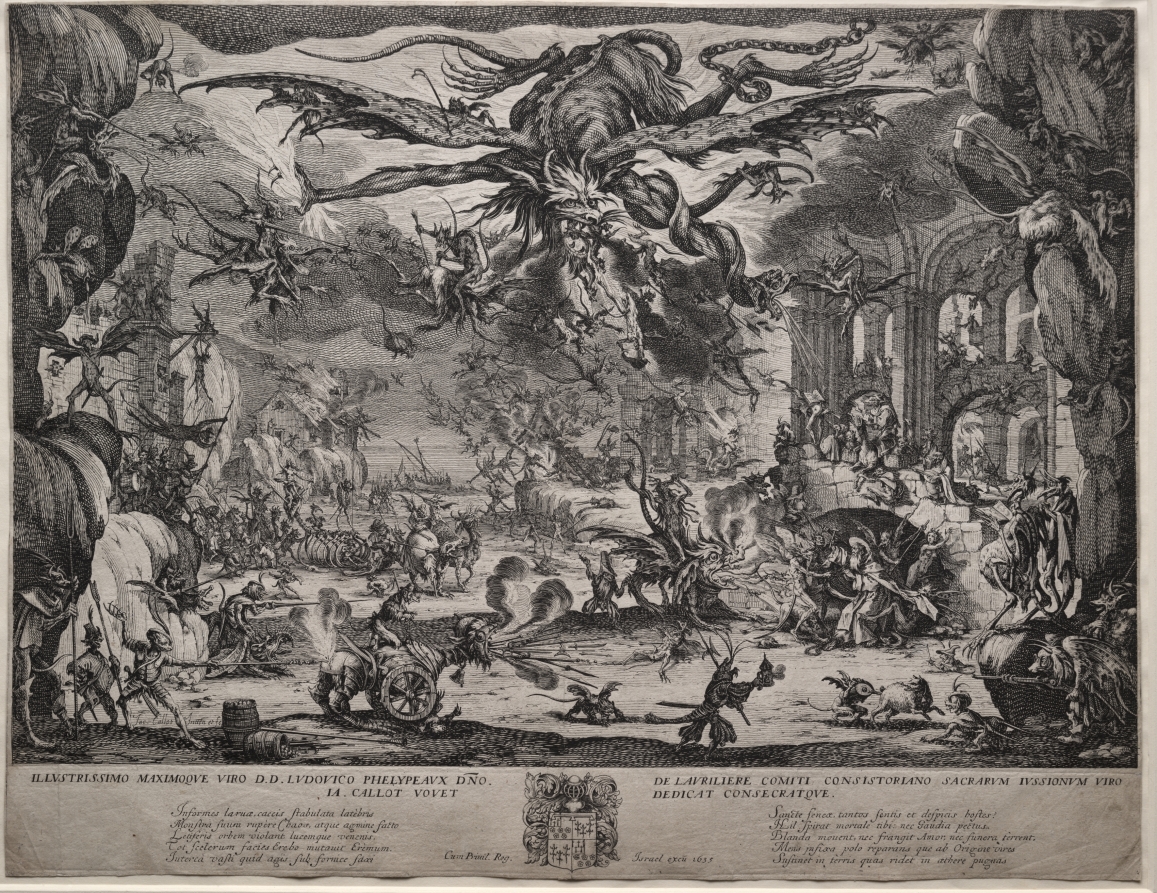 The Temptation of Saint Anthony (second version)
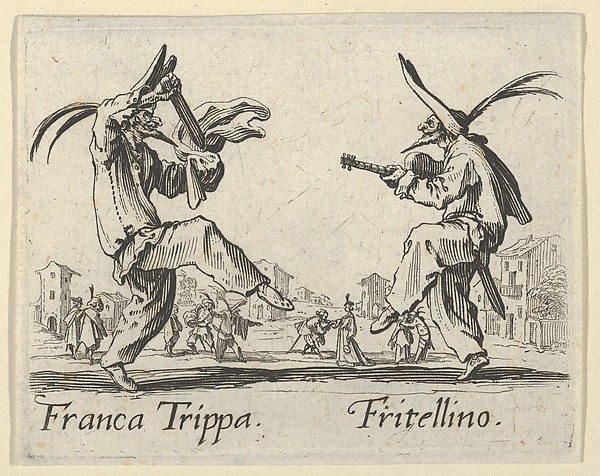 Franca Trippa - Fritellino, from the Balli di Sfessania
More like this
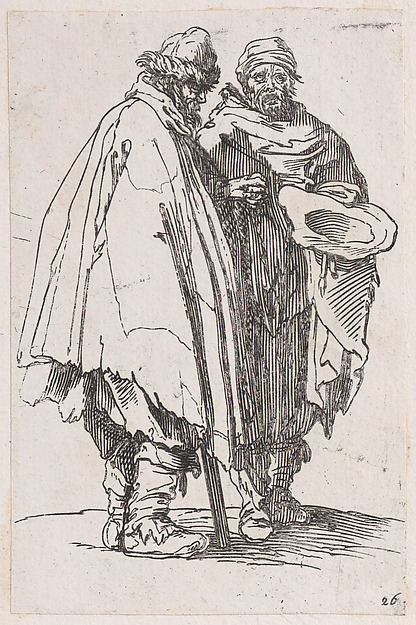 Jacques Callot|Anonymous — Reverse Copy of L'Aveugle et son
 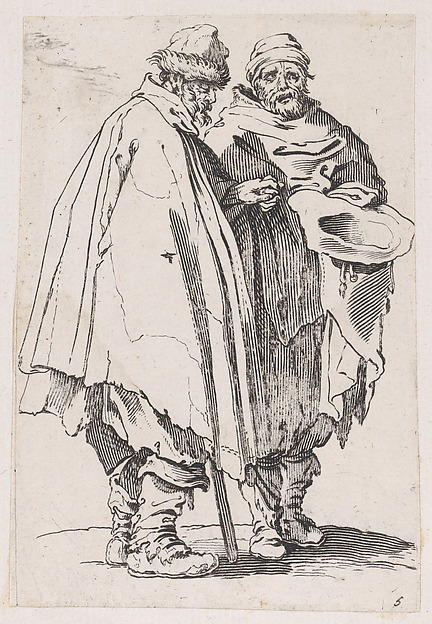 Jacques Callot|Anonymous — Reverse Copy of L'Aveugle et son
 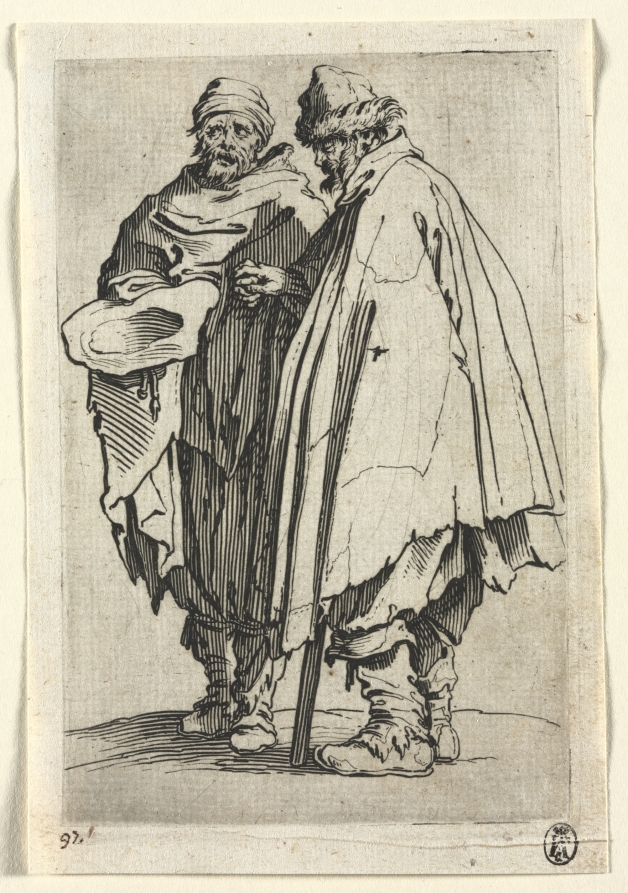 Jacques Callot (French, 1592–1635) — The Beggars: The Blind
 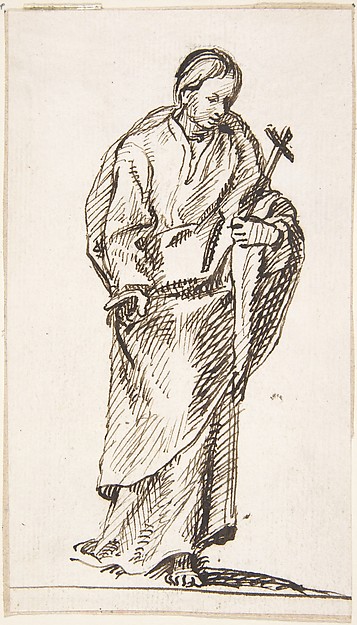 Pedro Duque Cornejo|Anonymous, Spanish, School of Seville,
 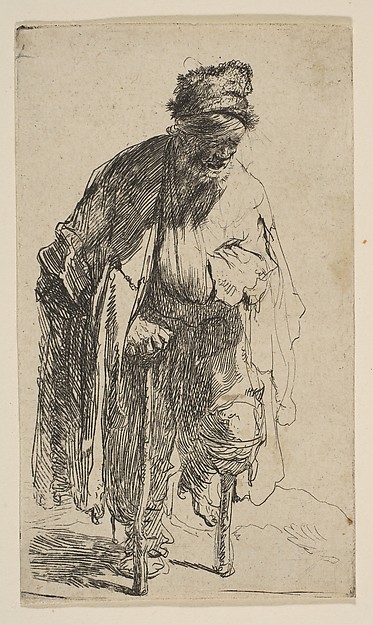 Rembrandt (Rembrandt van Rijn) — Beggar with a Wooden Leg
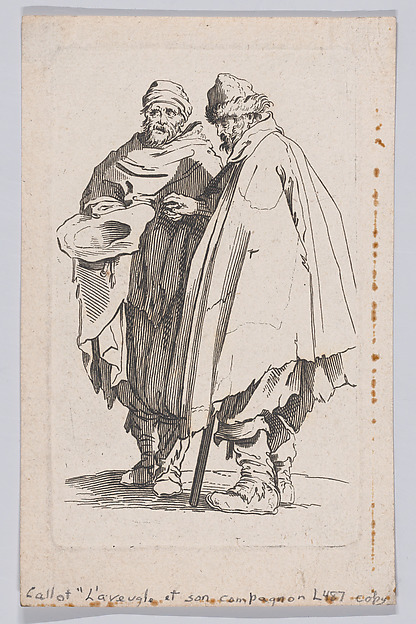 Jacques Callot|Anonymous — Copy of L'Aveugle et son Compagno
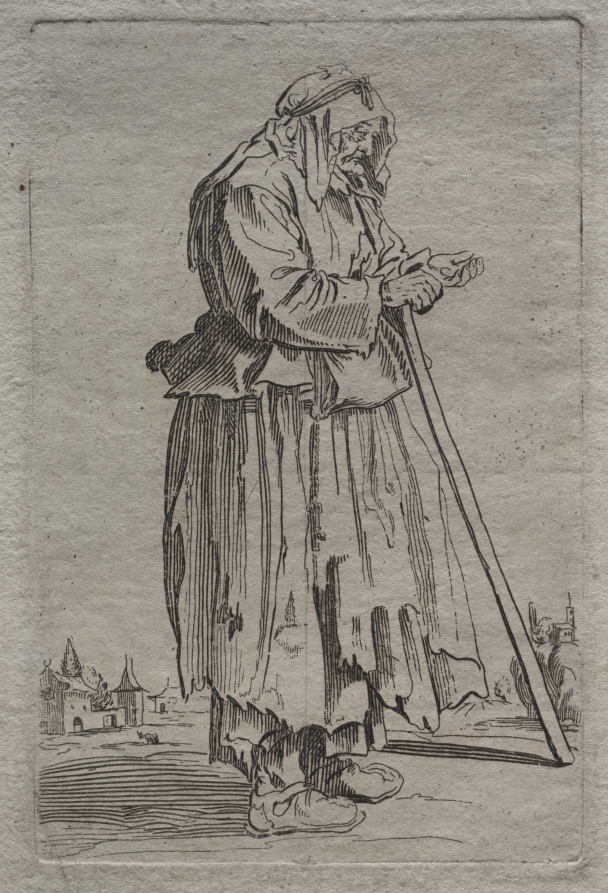 Old Beggar Woman
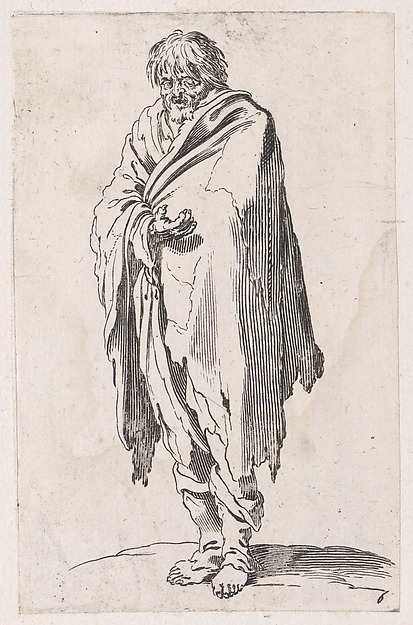 Jacques Callot|Anonymous — Reverse Copy of Le Mendiant a la
 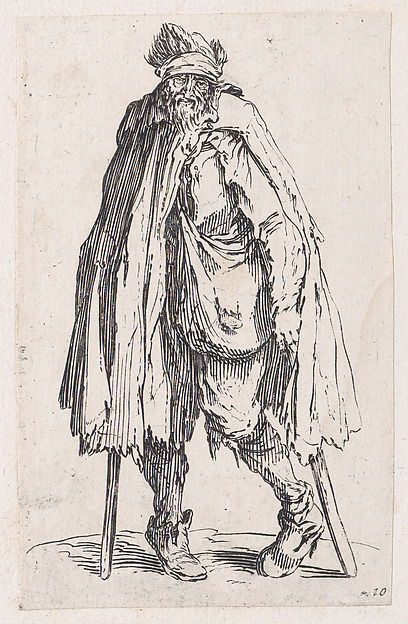 Jacques Callot|Anonymous — Reverse Copy of Le Mendiant aux B
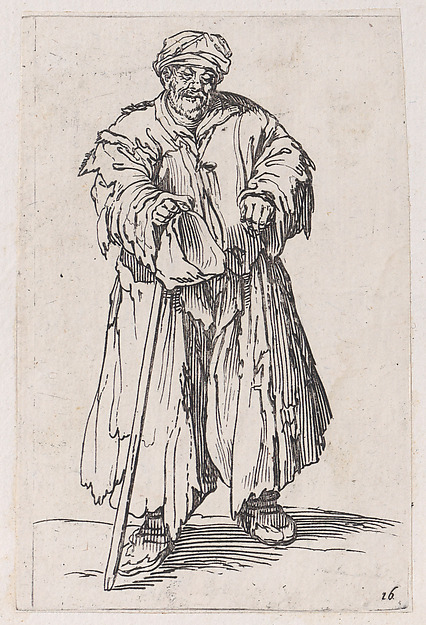 Jacques Callot|Anonymous — Reverse Copy of Le Mendiant Obèse
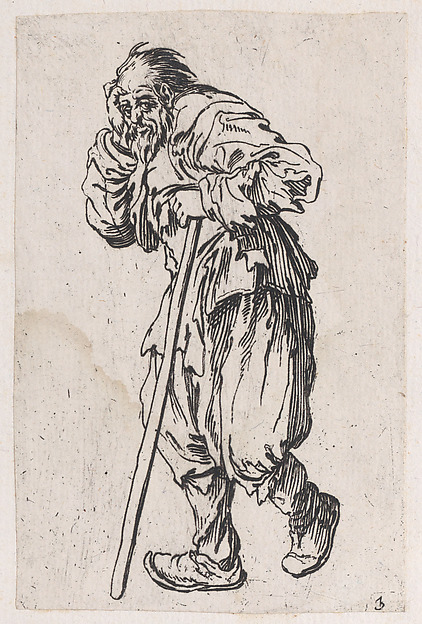 Jacques Callot|Anonymous — Reverse Copy of Le Gueux Appuyé s
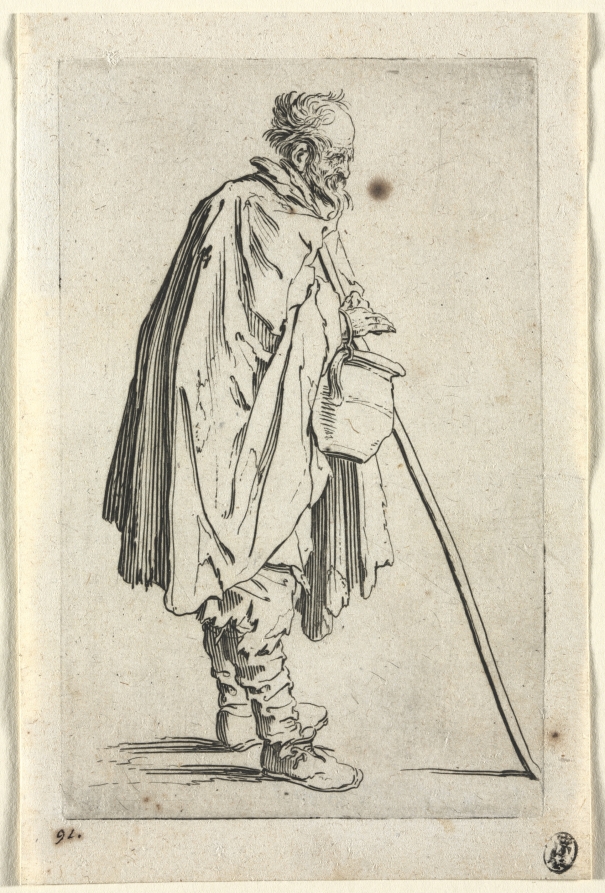 Jacques Callot (French, 1592–1635) — The Beggars: Beggar wit