FROM THE CLEVELAND MUSEUM OF ART’S CATALOG
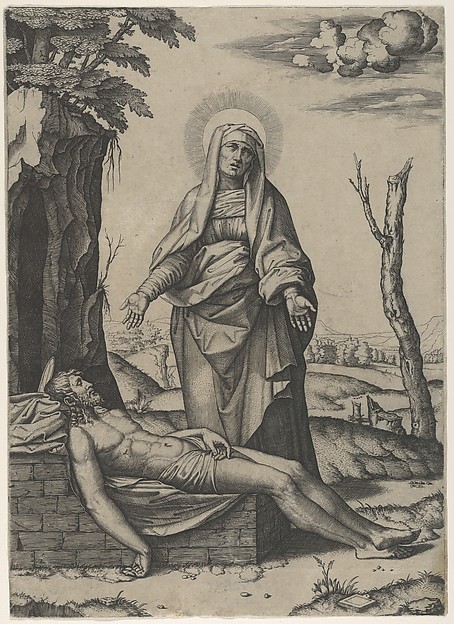
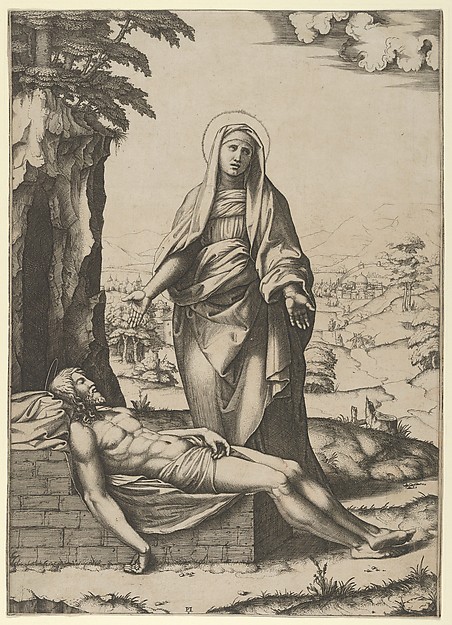
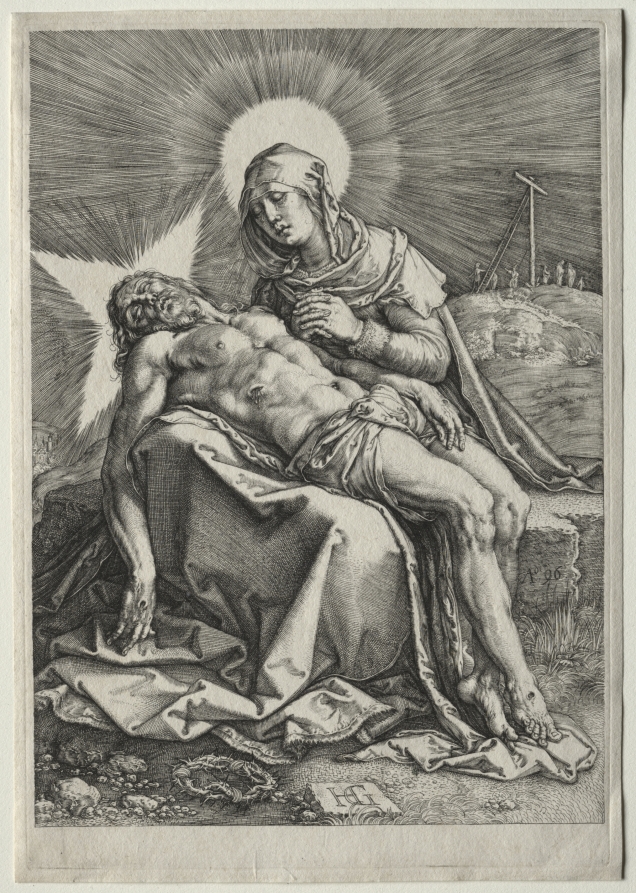
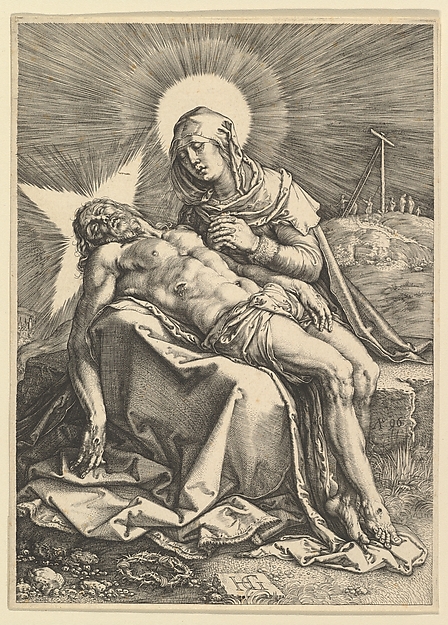
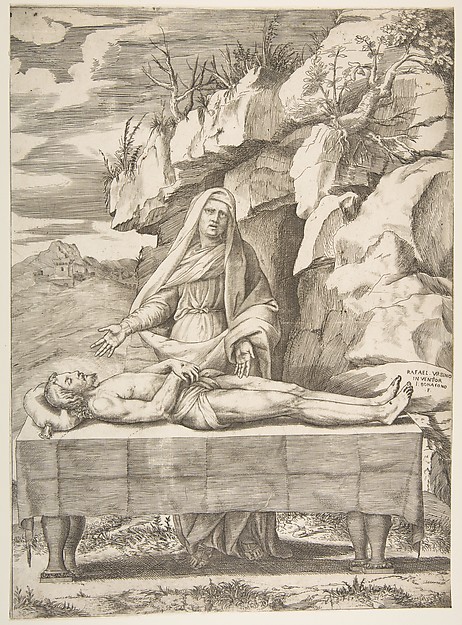
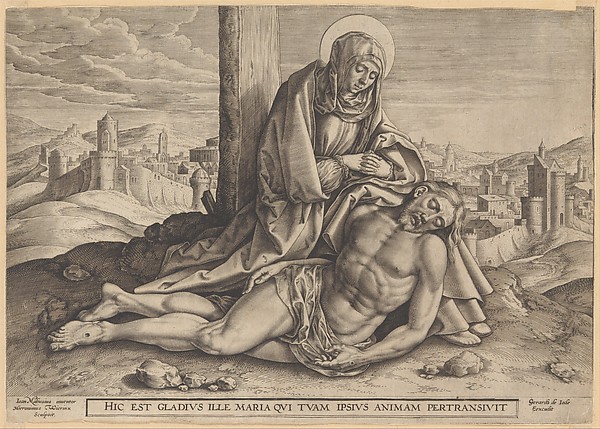
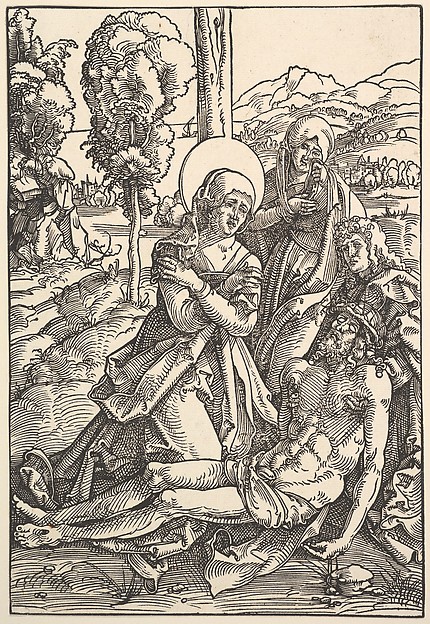
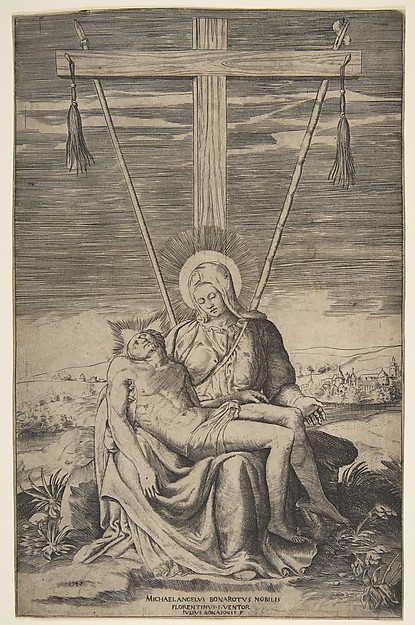
The pietà—a scene of the Virgin Mary holding the dead body of Christ—was a traditional subject for sculpture in Northern Europe. Michelangelo’s sculpted Pietà of 1498 brought the composition to Italy and infused it with the idealism of classical sculpture. His contemporary, Raphael, designed this version of the scene two decades later, which was then engraved by Marcantonio Raimondi. It builds upon Michelangelo’s sculpted version but focuses on Mary’s statuesque pose and her intense expression of grief. The dead Christ—still idealized and classical in form—is laid before her rather than held in her lap.
Source ↗︎
Be the first to share your thoughts.
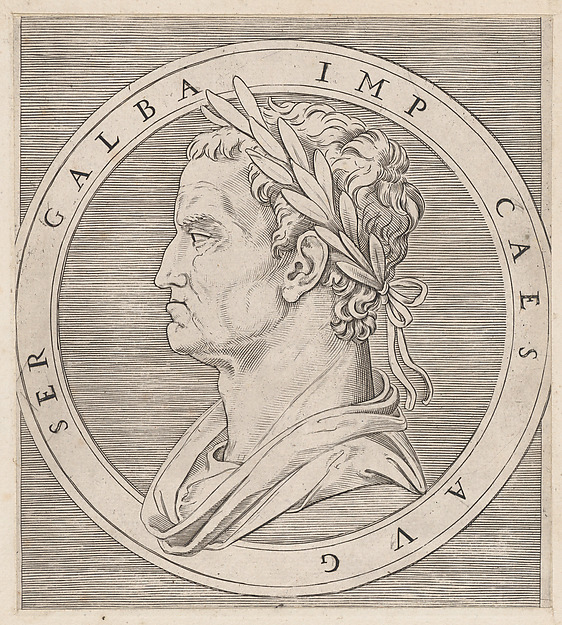 Speculum Romanae Magnificentiae: Galba, from The Twelve Caes
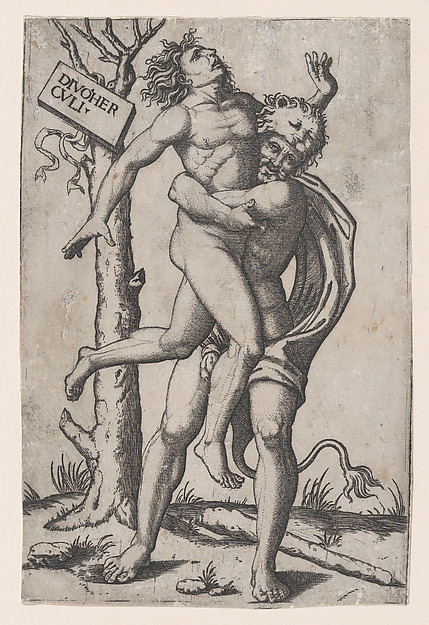 Hercules, grasping Antaeus at the waist with both arms and l
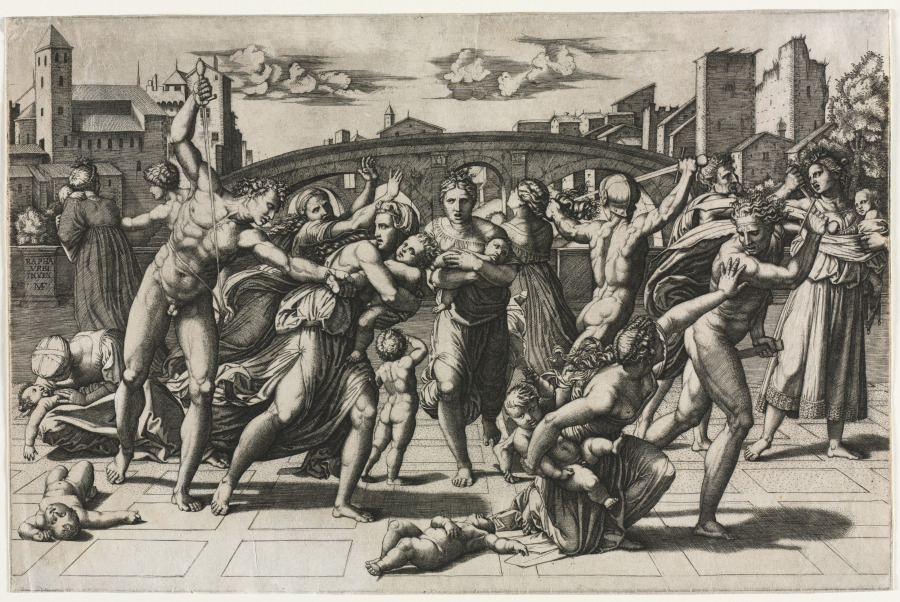 The Massacre of the Innocents (Without the Fir Tree)
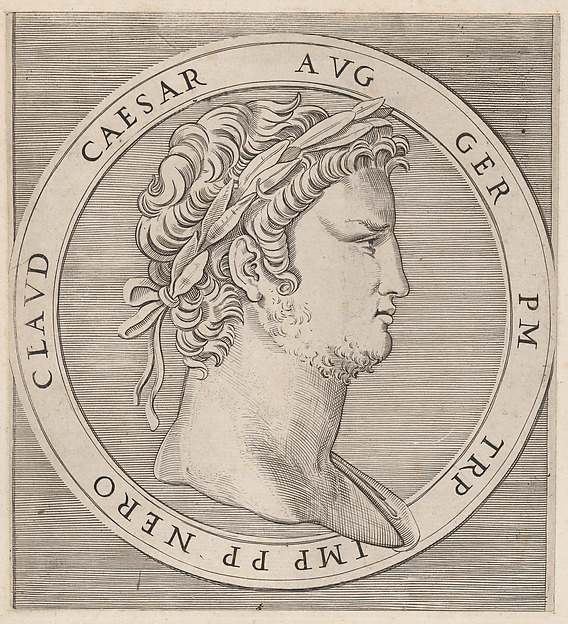 Speculum Romanae Magnificentiae: Nero, from The Twelve Caesa
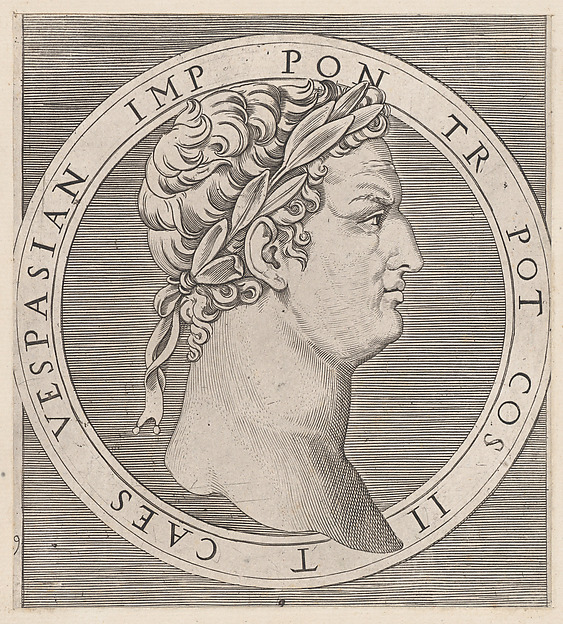 Speculum Romanae Magnificentiae: Vespasian, from The Twelve
 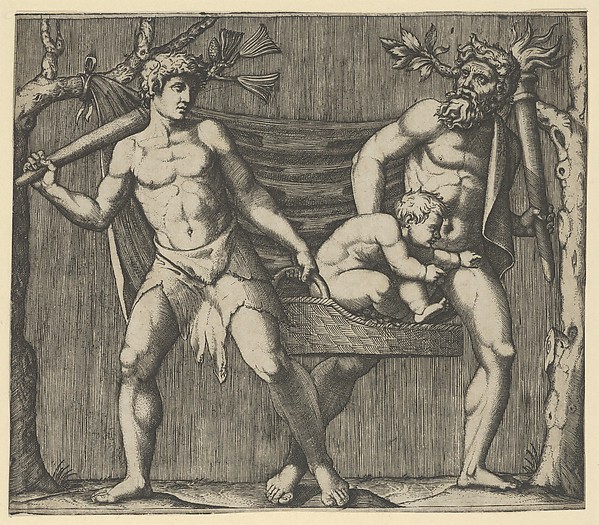 Two Fauns Carrying a Child
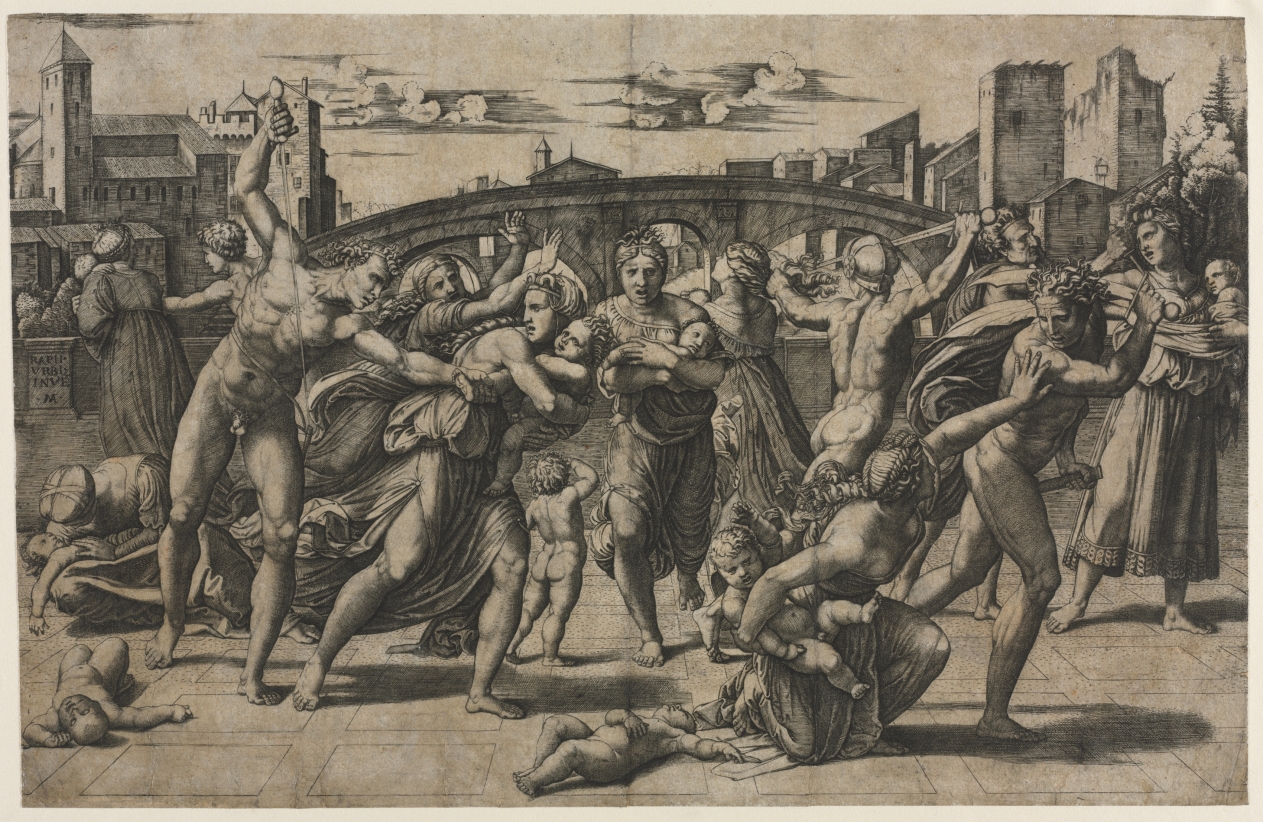 Massacre of the Innocents (With the Fir Tree)
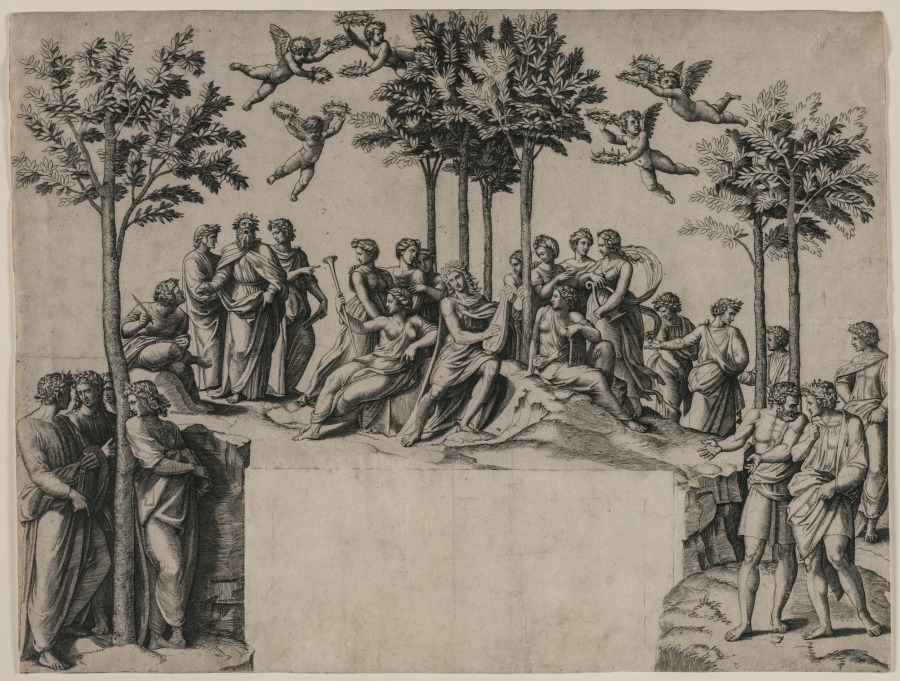 Apollo on Parnassus