Francisco José de Goya y Lucientes
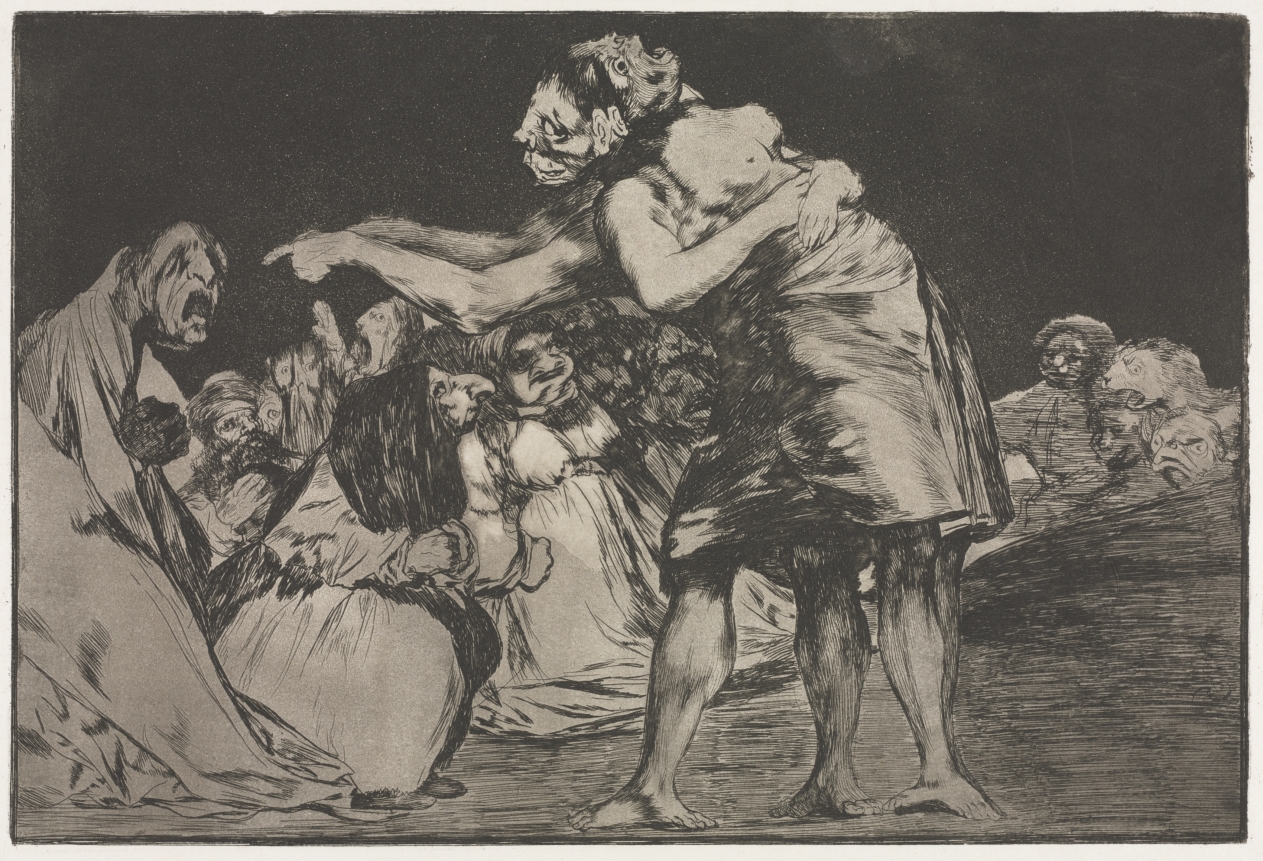
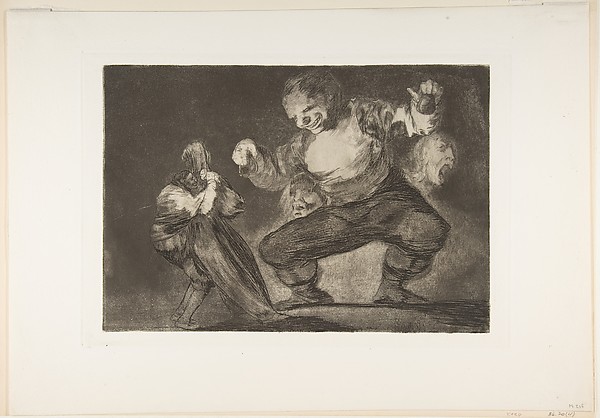
Disorderly Folly, plate seven from The Proverbs
1815/24, published 1864
Etching, aquatint and drypoint on ivory wove paper
21.8 × 32.5 cm (8.6 × 12.8 in)
SEE IT IN PERSON
Not currently on view
In the collection of Art Institute of Chicago, Chicago · as of July 2026
Discussion
FROM THE ART INSTITUTE OF CHICAGO’S CATALOG
The double-bodied creature in this scene likely represents duplicity; literally two-faced, even its feet point in multiple directions. The distorted group kneeling beside the figure suggests a critique of misguided worship. This print has also been associated with the Spanish proverb “she who is ill wed never misses a chance to say so,” implying the folly of matrimony.
Be the first to share your thoughts.
Sign in to join the discussion.
More by Francisco José de Goya y Lucientes
 The Hanged Monk
 Friar Pedro Wrests the Gun from El Maragato
 Friar Pedro Shoots El Maragato as His Horse Runs Off
 Portrait of Isidoro Maiquez
 Winter Scene
 Friar Pedro Offers Shoes to El Maragato and Prepares to Push
 Friar Pedro Clubs El Maragato with the Butt of the Gun
 Friar Pedro Binds El Maragato with a Rope
More like this
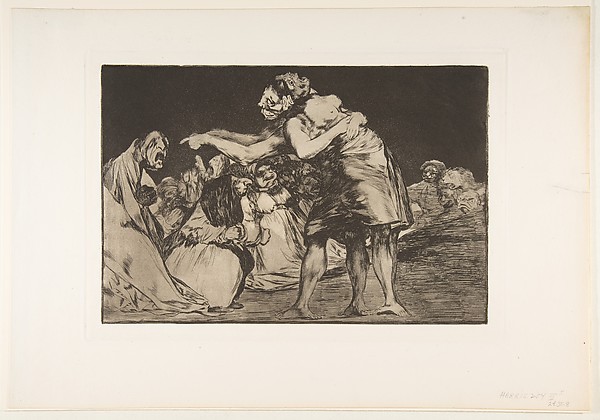 Goya (Francisco de Goya y Lucientes) — 'Disorderly Folly' fr
 Francisco de Goya (Spanish, 1746–1828) — The Proverbs: Matr
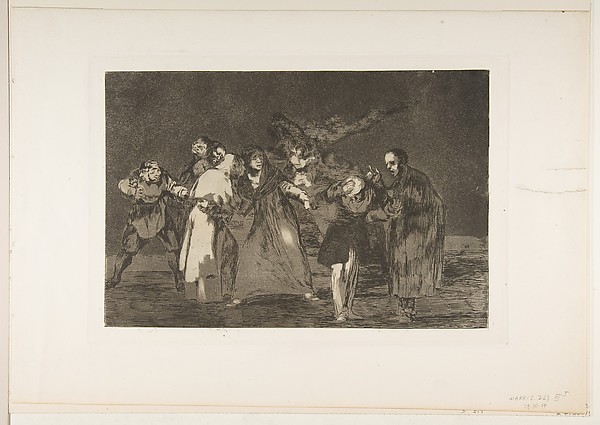 Goya (Francisco de Goya y Lucientes) — 'The Exhortations' fr
 Goya (Francisco de Goya y Lucientes) — 'Loyalty' from the 'D
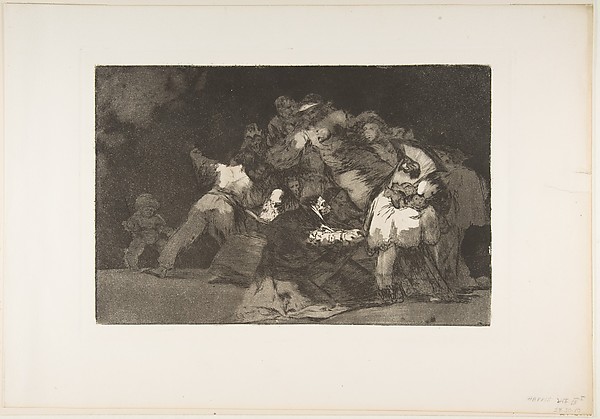 Goya (Francisco de Goya y Lucientes) — 'General Folly' from
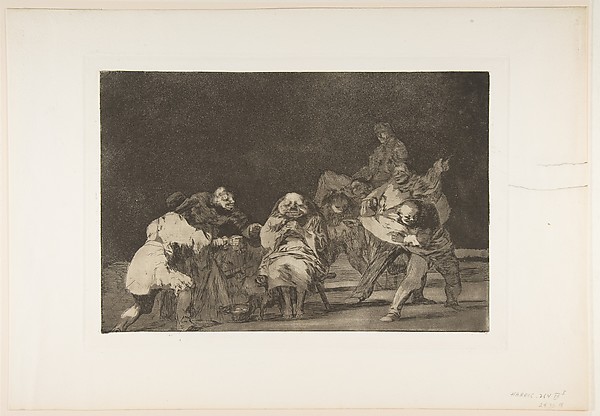 Goya (Francisco de Goya y Lucientes) — 'Loyalty' from the 'D
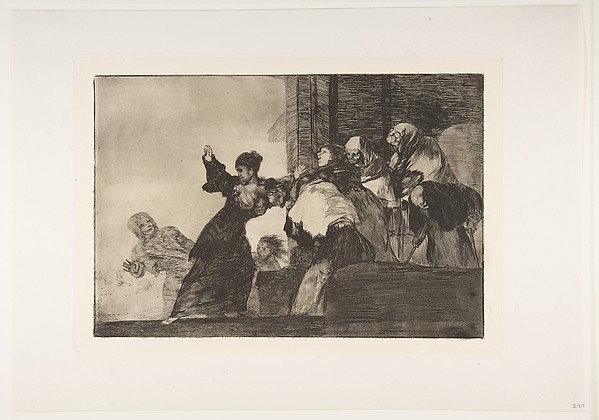 Goya (Francisco de Goya y Lucientes) — 'Poor Folly' from the
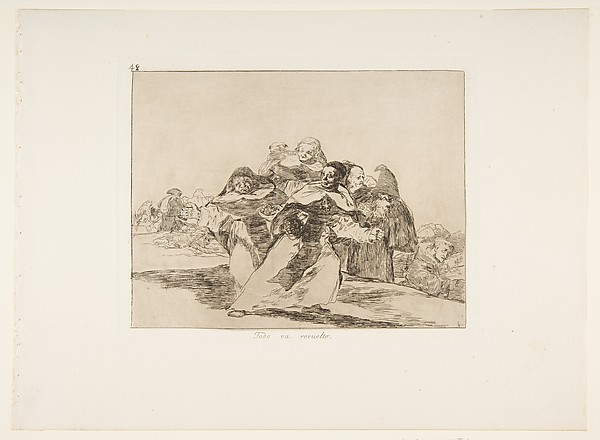 Goya (Francisco de Goya y Lucientes) — Plate 42 from "The Di
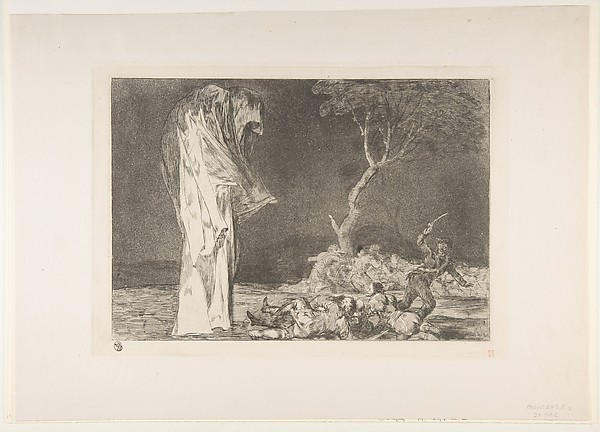 Goya (Francisco de Goya y Lucientes) — 'Folly of Fear' from
  Goya (Francisco de Goya y Lucientes) — 'Dancing Giant' from
 ![Plate 10 from "The Disasters of War" (Los Desastres de la Guerra): 'Nor [do these] either' (Tampoco)](https://images.metmuseum.org/CRDImages/dp/web-large/DP817149.jpg) Goya (Francisco de Goya y Lucientes) — Plate 10 from "The Di
Goya (Francisco de Goya y Lucientes) — Plate 10 from "The Di Goya (Francisco de Goya y Lucientes) — 'Cruel Folly', from t