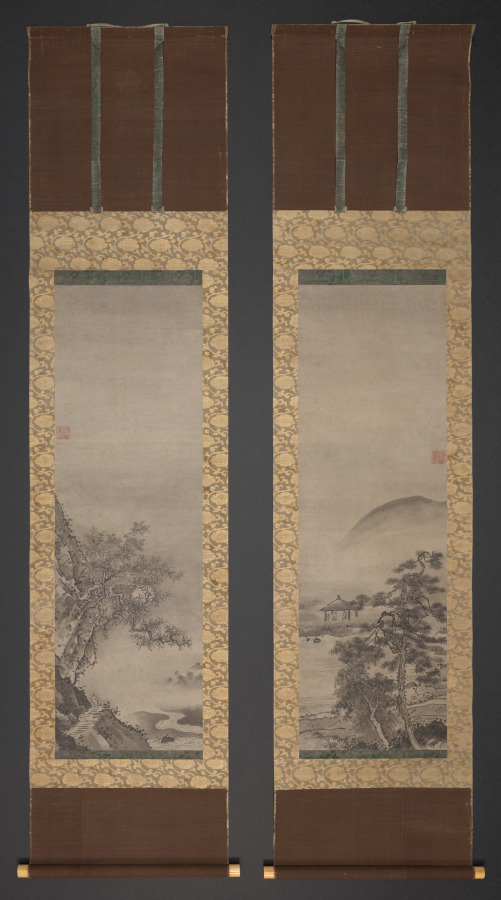
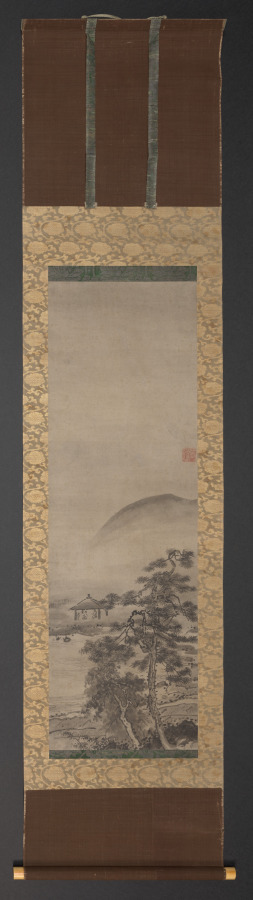
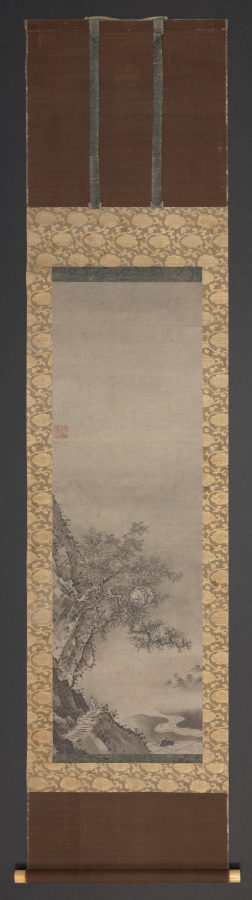
In the collection of Cleveland Museum of Art, Cleveland — check current display status with the museum.
FROM THE CLEVELAND MUSEUM OF ART’S CATALOG
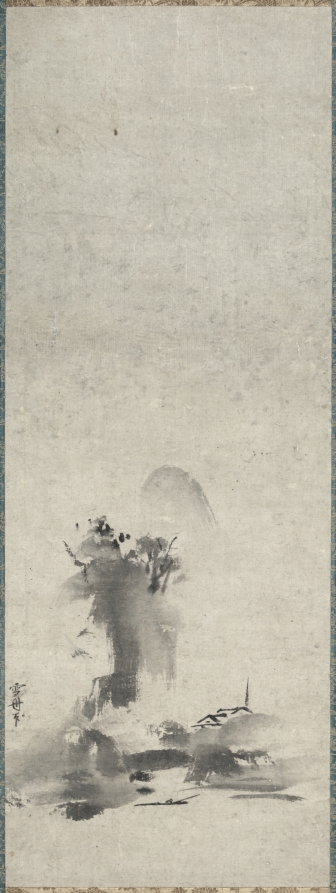
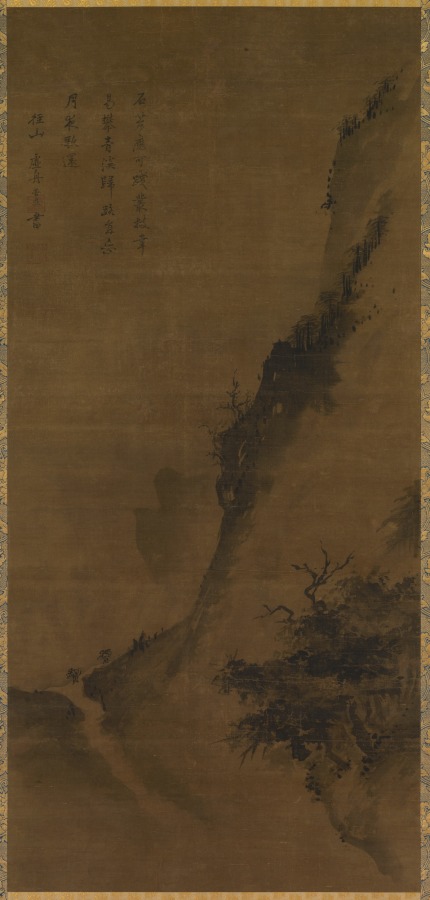
This vague but energetically rendered landscape highlights the brush: the messenger for a moment’s emotional or spiritual state. The painting represents one of many subjects and styles Shugetsu studied and absorbed from the great practitioners of Ming-dynasty China in the late 1400s and early 1500s. The technique of "flung ink," or haboku, disguises purposeful composition as an almost random, distracted series of brushstrokes. Close inspection reveals tonalities and strokes brushed onto a soft, absorbent paper in a range from heavy and wet to crisp ink charges. Not surprisingly, amateur and professional Zen monk-painters favored this "impressionistic" style as an exercise in seeing meaningful detail slowly emerge from what at first seems unclear.
Be the first to share your thoughts.
Sign in to join the discussion.
 Kanō Naonobu — Summer and Winter Landscapes
 Sesshū Tōyō (Japanese, 1420–1506) — Haboku, Splashed Ink Lan
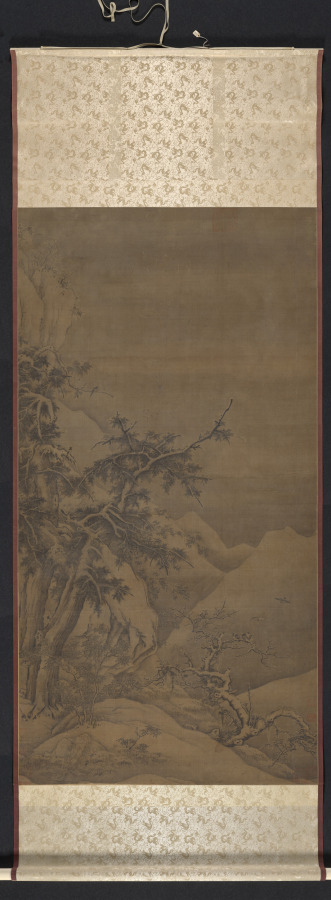 Gao Tao (Chinese, 1100s) — Birds in a Grove in a Mountainous
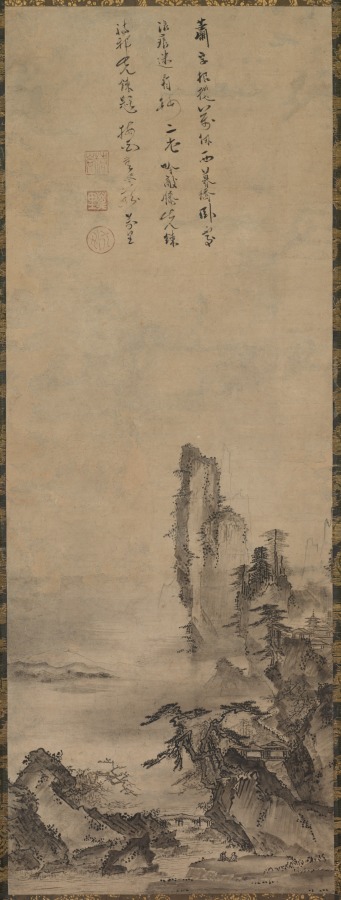 Kenkō Shōkei (Japanese, active 1478–1506) — Lonely Temple an
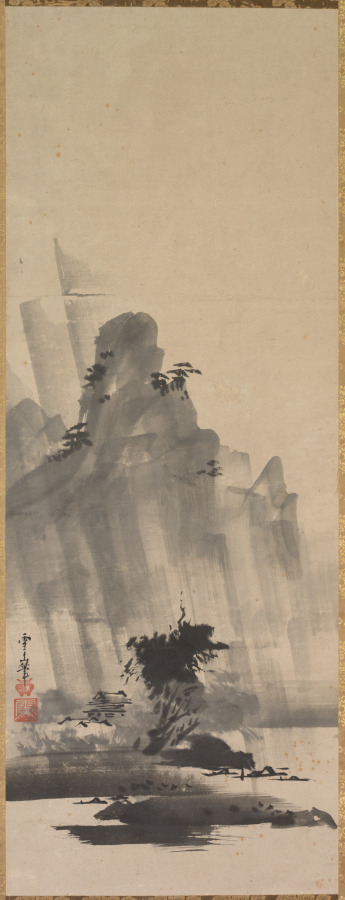 Hirowatari Setsuzan (Japanese, ?-1674) — Mountain and River
 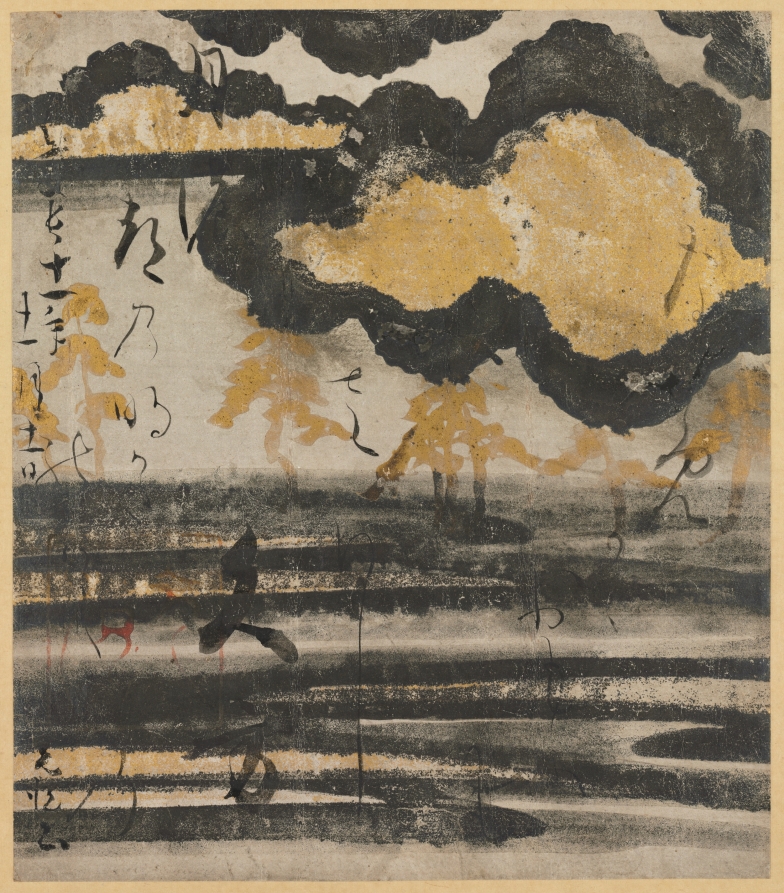 Hon'ami Kōetsu (Japanese, 1558–1637) — Poem-card from the Sh
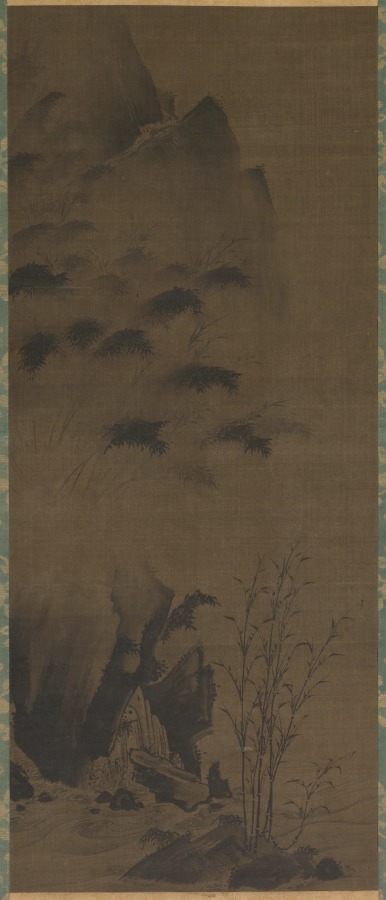 Genga (Japanese) — Bamboo in Rain
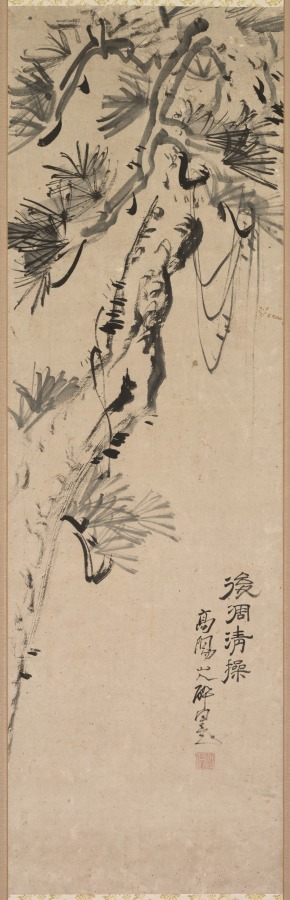 Nakayama Kōyō (Japanese, 1717–1780) — Aged Pine
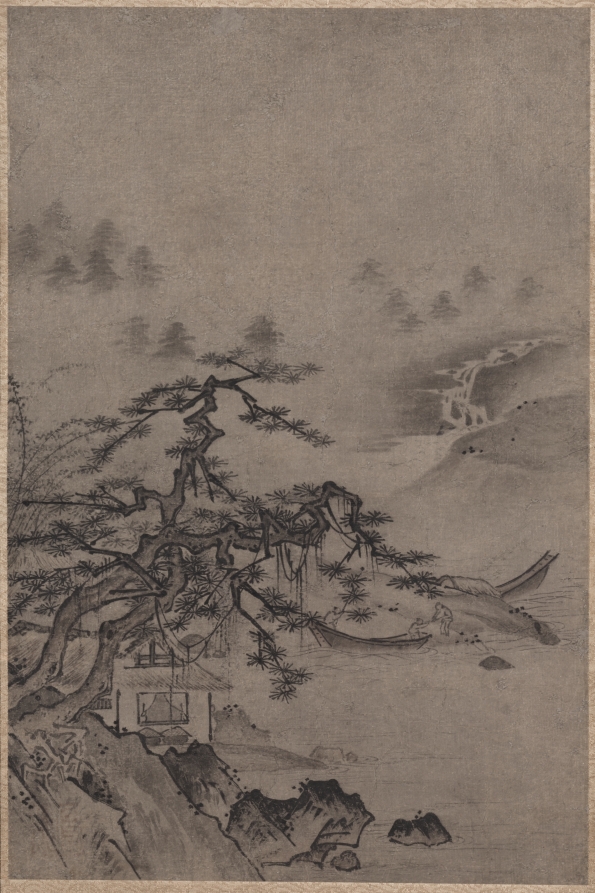 Thatched Hut by Water's Edge
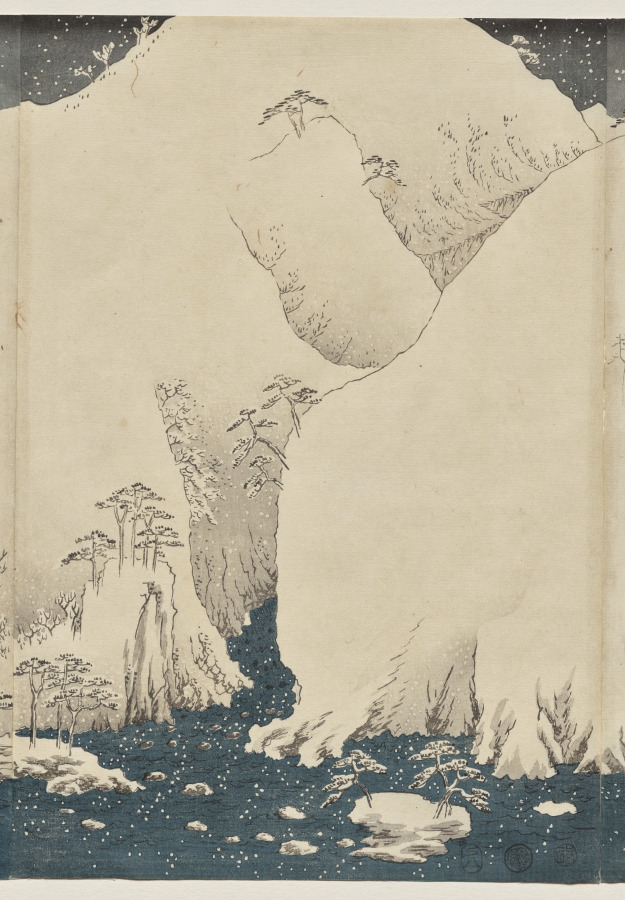 Utagawa Hiroshige (Japanese, 1797–1858) — Mountain and River
 Landscape with Woodcutters Returning Home
 Fachang Muqi (Chinese, 1220–1280) — Dragon