Francisco José de Goya y Lucientes
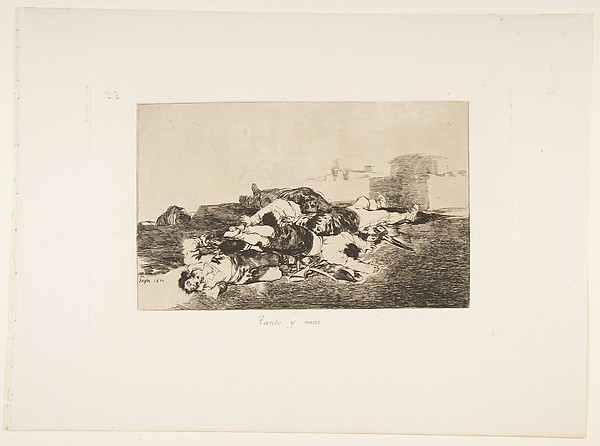
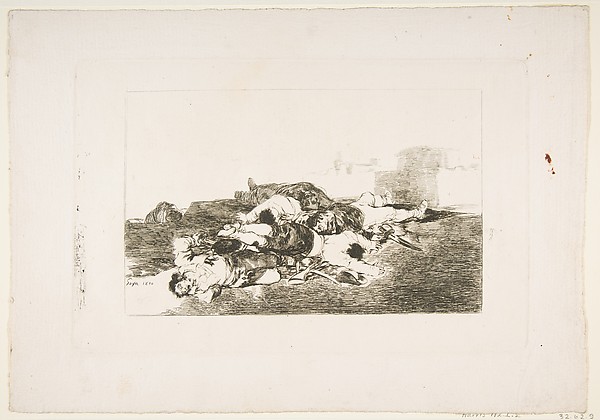
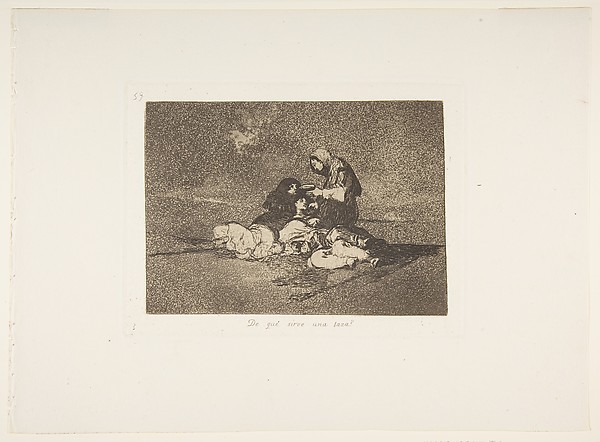
Even Worse, plate 22 from The Disasters of War
SEE IT IN PERSON
Not currently on view
In the collection of Art Institute of Chicago, Chicago · as of July 2026
Discussion
FROM THE ART INSTITUTE OF CHICAGO’S CATALOG
Many in Francisco de Goya’s coterie were afrancesados (supporters of French rule in Spain). They believed that Spanish politics could not be reformed without Napoleonic intervention. Not surprisingly, Goya never publicly declared where he stood in the fray; as a court painter, he needed a court to paint and thus it was pragmatic of him to remain noncommittal during this uncertain time. The artist’s ambivalence shows in his Disasters of War series. He generalized atrocities by both the French and Spanish, portraying them as physically interchangeable, equating their sins, and leaving their bodies unidentified.
Be the first to share your thoughts.
Sign in to join the discussion.
More by Francisco José de Goya y Lucientes
 The Hanged Monk
 Friar Pedro Wrests the Gun from El Maragato
 Friar Pedro Shoots El Maragato as His Horse Runs Off
 Portrait of Isidoro Maiquez
 Winter Scene
 Friar Pedro Offers Shoes to El Maragato and Prepares to Push
 Friar Pedro Clubs El Maragato with the Butt of the Gun
 Friar Pedro Binds El Maragato with a Rope
More like this
 Goya (Francisco de Goya y Lucientes) — Plate 22 from "The Di
 Goya (Francisco de Goya y Lucientes) — Plate 22 from "The Di
![Plate 10 from "The Disasters of War" (Los Desastres de la Guerra): 'Nor [do these] either' (Tampoco)](https://images.metmuseum.org/CRDImages/dp/web-large/DP817149.jpg) Goya (Francisco de Goya y Lucientes) — Plate 10 from "The Di
Goya (Francisco de Goya y Lucientes) — Plate 10 from "The Di Goya (Francisco de Goya y Lucientes) — Plate 58 from "The Di
 Goya (Francisco de Goya y Lucientes) — Plate 18 from "The Di
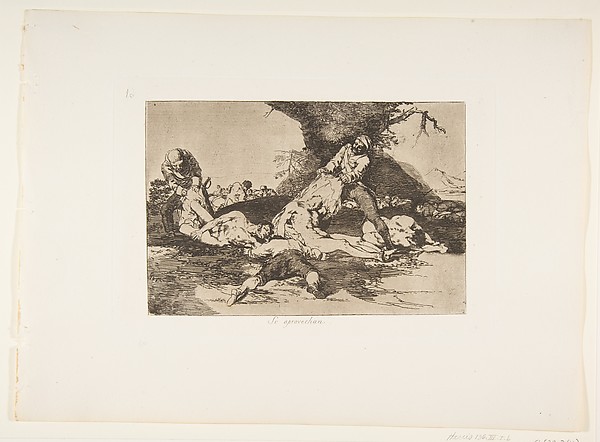 Goya (Francisco de Goya y Lucientes) — Plate 16 from "The Di
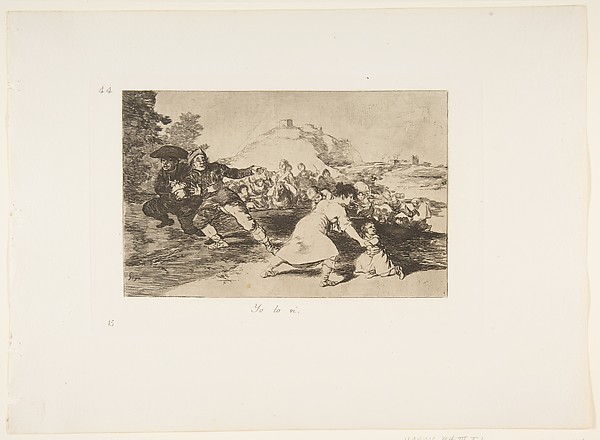 Goya (Francisco de Goya y Lucientes) — Plate 44 from "The Di
 Goya (Francisco de Goya y Lucientes) — Plate 12 from "The Di
 Goya (Francisco de Goya y Lucientes) — Plate 16 from "The Di
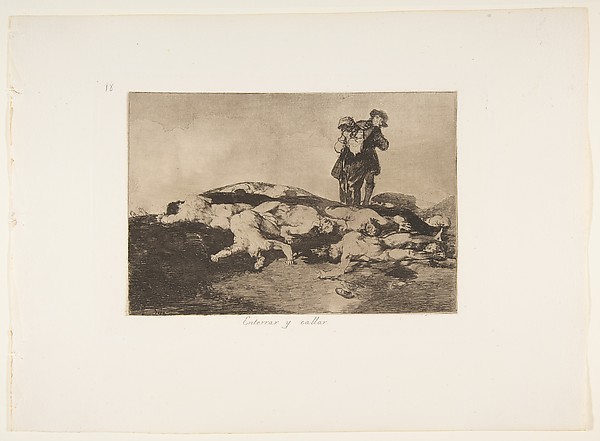 Goya (Francisco de Goya y Lucientes) — Plate18 from "The Dis
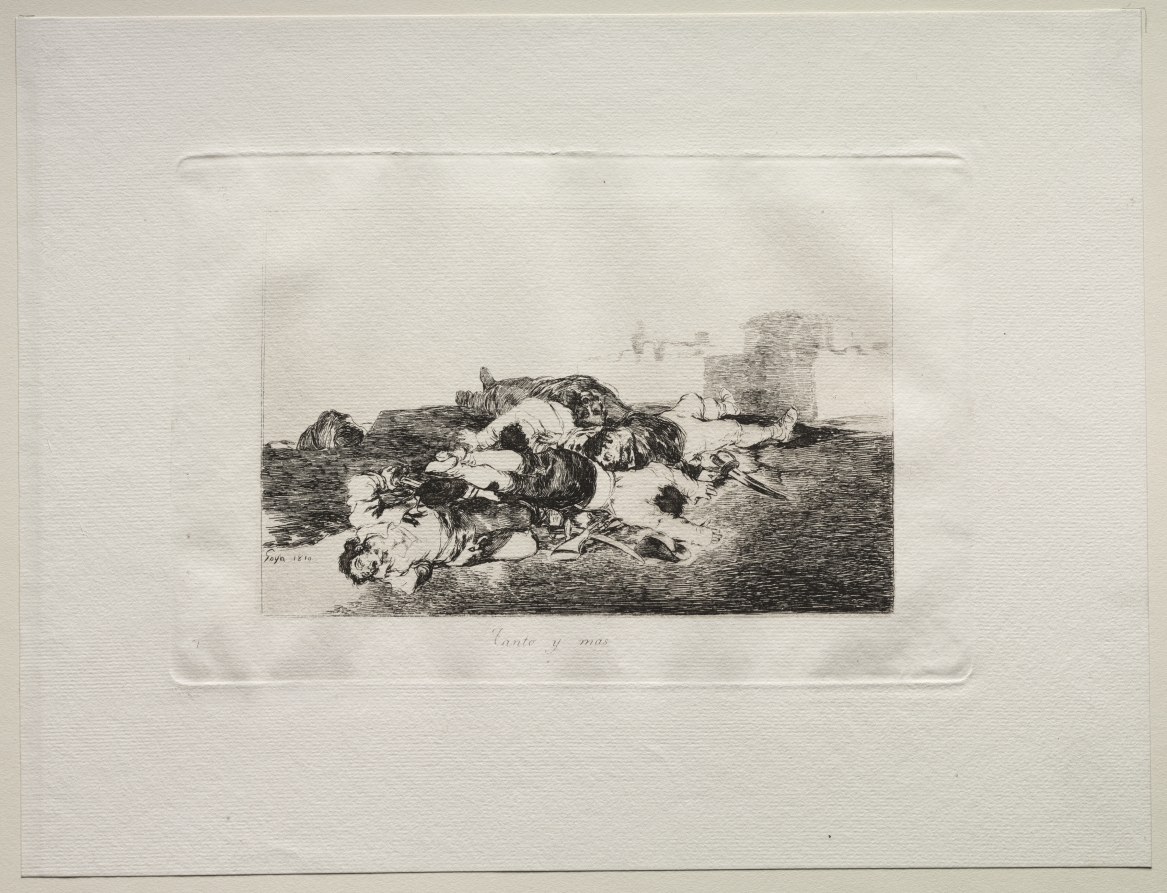 Francisco de Goya (Spanish, 1746–1828) — The Horrors of War:
 Goya (Francisco de Goya y Lucientes) — Plate 59 from "The D