Georg Dionysius Ehret

Plantae Selectae: No. 37 - Yucca

published 1750–73
engraving, hand-colored

SEE IT IN PERSON

Not currently on view

In the collection of Cleveland Museum of Art, Cleveland · as of July 2026

View at clevelandart.orgPlan a visit ↗

Discussion

FROM THE CLEVELAND MUSEUM OF ART’S CATALOG

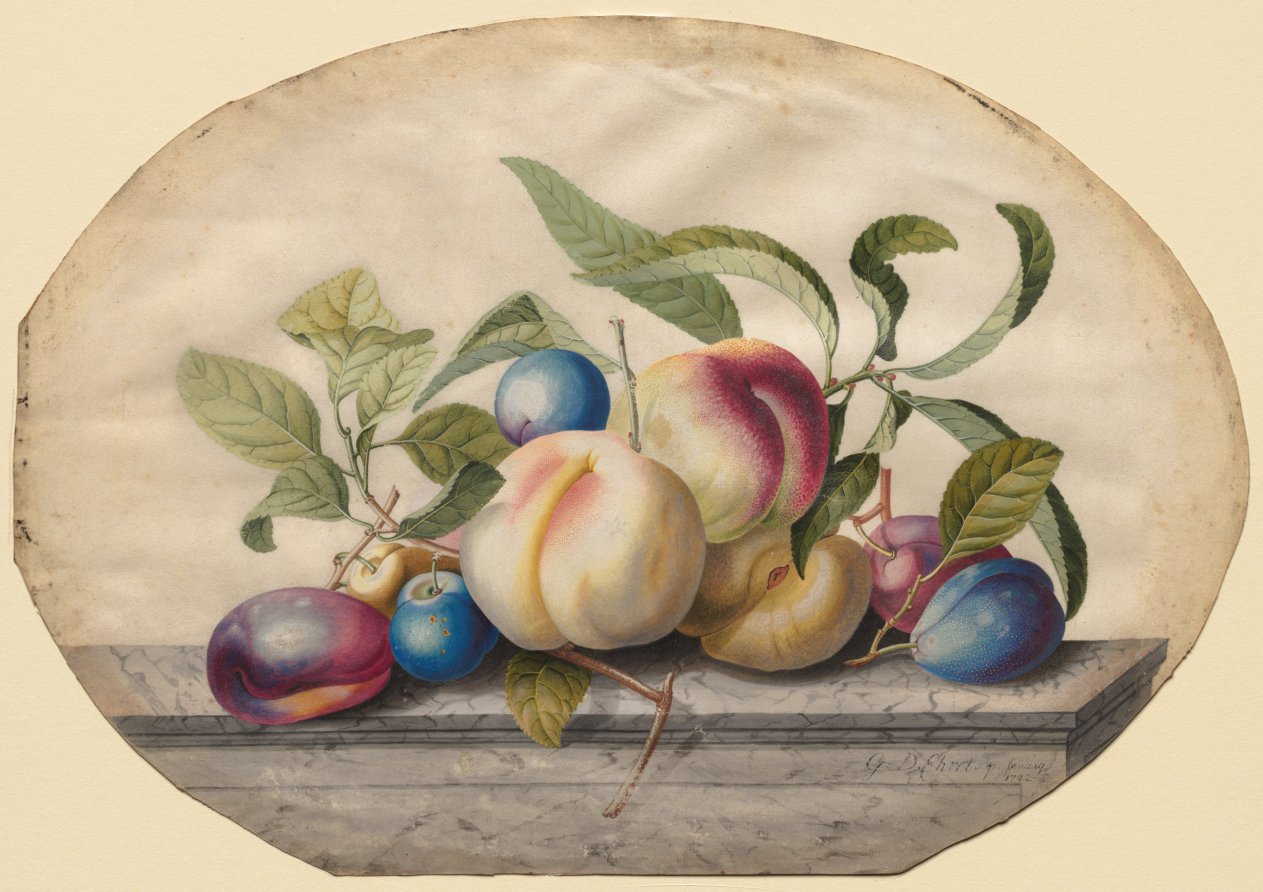
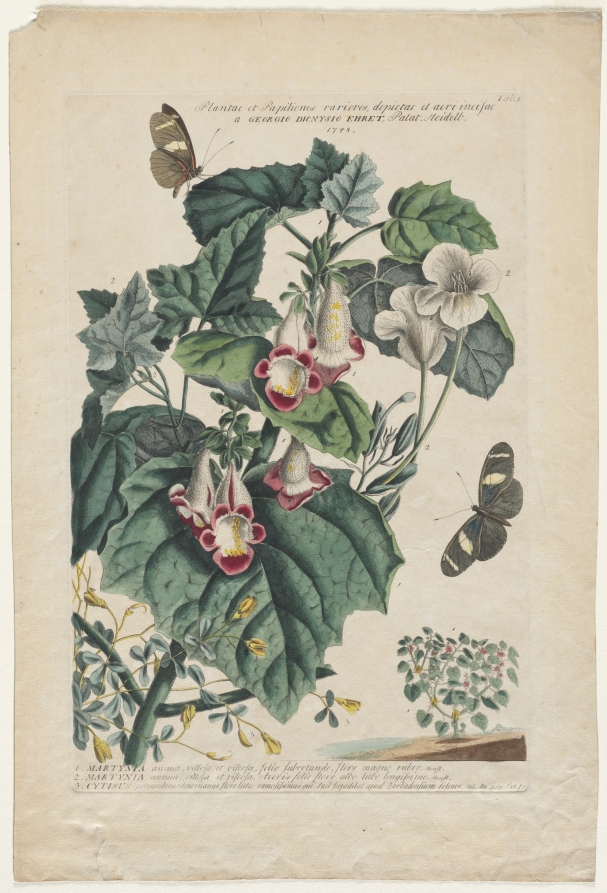
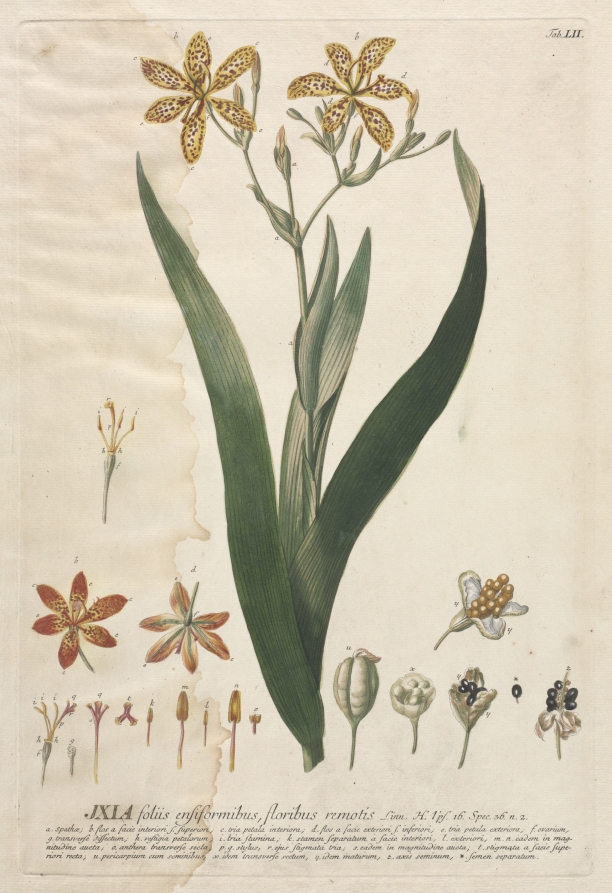
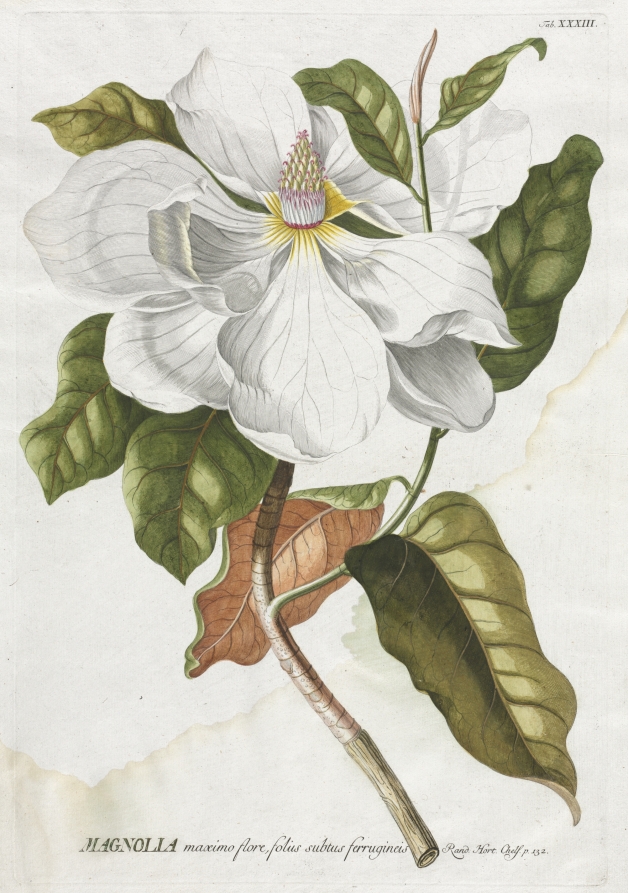
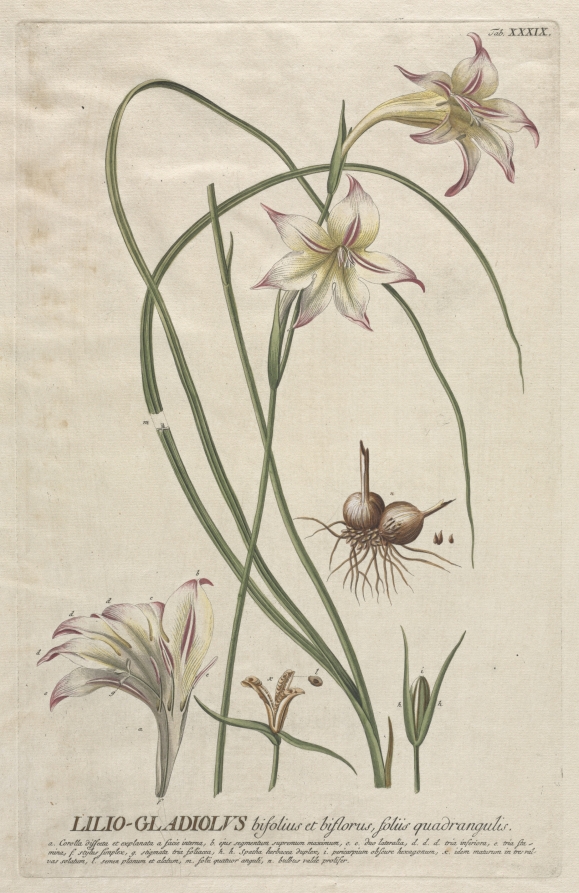
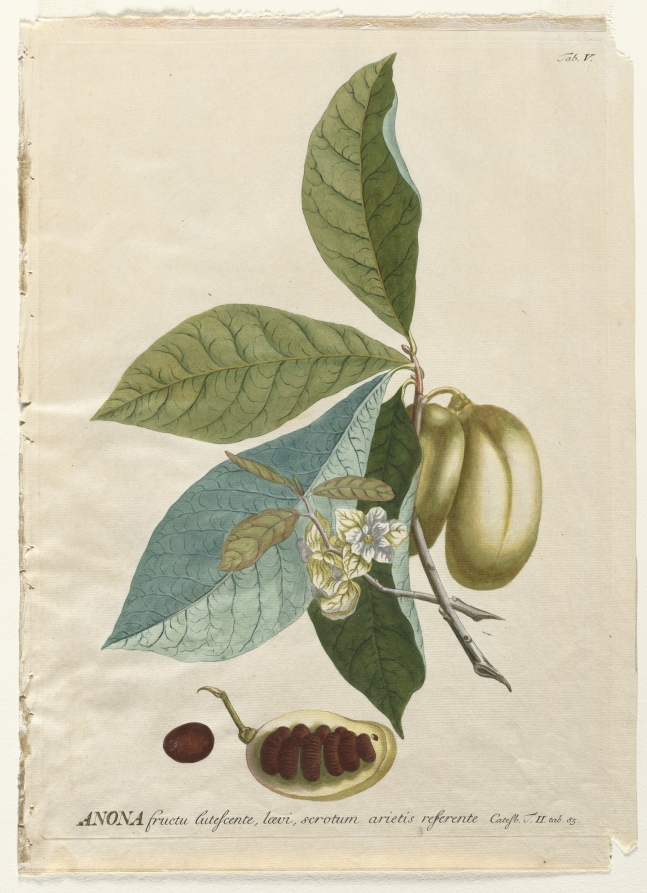
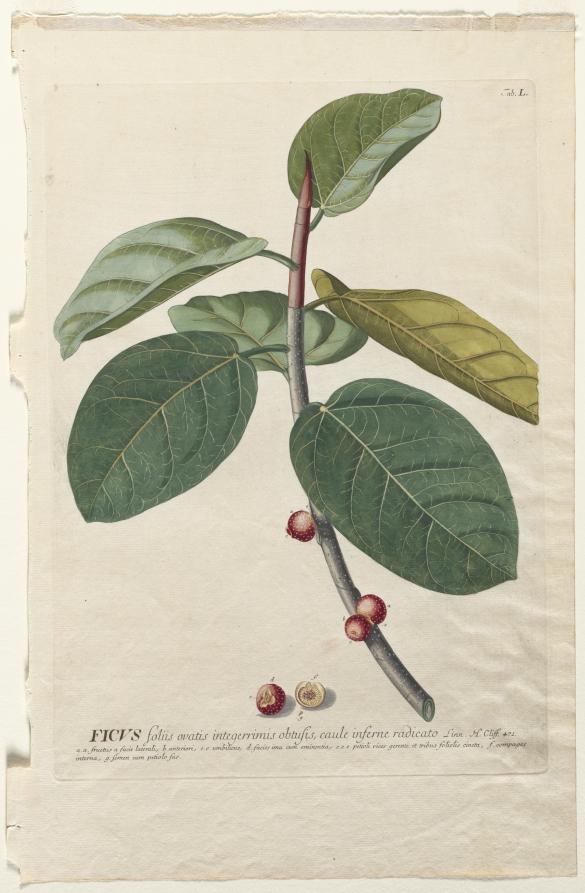
A major problem in horticulture was the lack of a consistent system of classification. The first successful attempt to establish a common nomenclature was in 1724 when 20 London nurserymen published a list of all plants grown in their nurseries. Swedish botanist Carolus Linnaeus’s Systema Naturae was published in 1735; it classified 7,700 plants by their botanic structure and gave them universally applicable two-part Latin names. From then on artists had to combine scientific accuracy with artistic skill. Many of Ehret’s flower portraits were copied by printmakers and published in the great botanical iconographies of his day. His patron Dr. Christoph Jakob Trew engaged the Haids, a distinguished family of Nuremberg etchers, to translate Ehret’s crisp, vigorously drawn paintings into printed illustrations.

Source ↗

Be the first to share your thoughts.

Sign in to join the discussion.

Community guidelines

More by Georg Dionysius Ehret

Fruit Arrangement: Peaches and Plumbs on a Slab of MarbleFruit Arrangement: Peaches and Plumbs on a Slab of MarblePlantae Selectae:  No. 39 - Lilio-GladiolusPlantae Selectae: No. 39 - Lilio-GladiolusPlantae Selectae:  No. 5 - AnonaPlantae Selectae: No. 5 - AnonaPlantae et Papiliones rariores:  MartyniaPlantae et Papiliones rariores: MartyniaPlantae Selectae:  No. 50 - FicusPlantae Selectae: No. 50 - FicusPlantae Selectae:  No. 52 - IxiaPlantae Selectae: No. 52 - IxiaPlantae Selectae:  No. 33 - MagnoliaPlantae Selectae: No. 33 - MagnoliaPlantae et papiliones rariores:  No. 9Plantae et papiliones rariores: No. 9
More like this

AloesBartholomaus Seutter (German, 1678–1754) — AloesThe Botanical Magazine or Flower Garden Displayed:  Smooth-stalked Martagon, Turk's Cap LilyS. Curtis (British) — The Botanical Magazine or Flower GardePhytographia Curiosa:  Acetosa Vulgaris sive Rumex CanpferinusAbraham Munting (Dutch, 1626–1683) — Phytographia Curiosa: Cours d'Histoire Naturelle, contenant les principales espèces du règne animal, classées methodiquemenet:  Martynia or Unicorn PlantGodefroy Engelmann (French, 1788–1839) — Cours d'Histoire NaPhytographia Curiosa:  Horminum Indicum MajusAbraham Munting (Dutch, 1626–1683) — Phytographia Curiosa: Lillium Pomponium (Turban Lily), plate 7 from Les LiliacéesDe Gouy (French, 1670–1830) — Lillium Pomponium (Turban LilyBotanical Studies (recto); Botanical Studies (verso)Anonymous, French, 19th century — Botanical Studies (recto);Les Liliacées:  Tradescantia discolorHenri Joseph Redouté (French, 1766–1853) — Les Liliacées: TAfrican Aloe, plate 47 from Phtanthoza IconographiaJohann Wilhelm Weinmann — African Aloe, plate 47 from PhtantPhytographia Curiosa:  Lapathum Sativum AntiquorumAbraham Munting (Dutch, 1626–1683) — Phytographia Curiosa: The Botanical Magazine or Flower Garden Displayed:  The Mountain Lake LilyS. Curtis (British) — The Botanical Magazine or Flower GardeCrown Imperial FritillaryHenri Joseph Redouté (French, 1766–1853) — Crown Imperial Fr