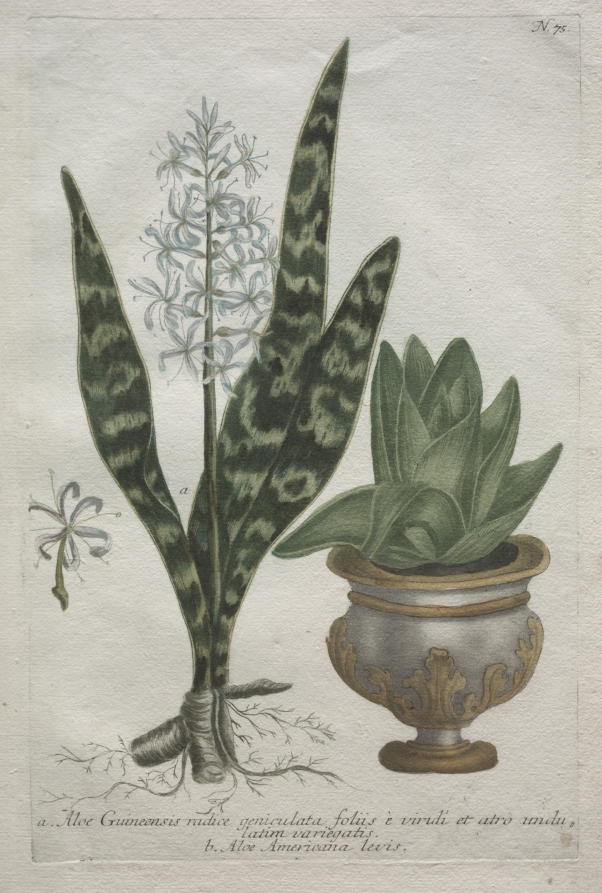
African Aloe, plate 47 from Phtanthoza Iconographia
SEE IT IN PERSON
Not currently on view
In the collection of Art Institute of Chicago, Chicago · as of July 2026
Discussion
FROM THE ART INSTITUTE OF CHICAGO’S CATALOG
The botanist Johann Wilhelm Weinmann employed several German artists to provide unsigned color illustrations for his massive study of the iconography of plants. The artists mentioned on the title page included Bartholmaus Seuter (1678–1754), Johann Elias Ridinger (1698–1767) and Johann Jacob Haid (1704–1767). The mixed technique of mezzotint and engraving in multiple colors had never before been used for botanical publications, and so preceded Jacques Gautier D’Agoty’s 1767 attempt, the Collection of Usual, Curious and Foreign Plants , as well as Robert John Thornton’s more graphically successful 1799 Temple of Flora .
Be the first to share your thoughts.
Sign in to join the discussion.
More like this
 Bartholomaus Seutter (German, 1678–1754) — Aloes
 Georg Dionysius Ehret (German, 1708–1770) — Plantae Selectae
 Abraham Munting (Dutch, 1626–1683) — Phytographia Curiosa:
  Godefroy Engelmann (French, 1788–1839) — Cours d'Histoire Na
 S. Curtis (British) — The Botanical Magazine or Flower Garde
 De Gouy (French, 1670–1830) — Lillium Pomponium (Turban Lily
 Henry C. Andrews — French Rose
 Abraham Munting (Dutch, 1626–1683) — Phytographia Curiosa:
  Abraham Munting (Dutch, 1626–1683) — Phytographia Curiosa:
 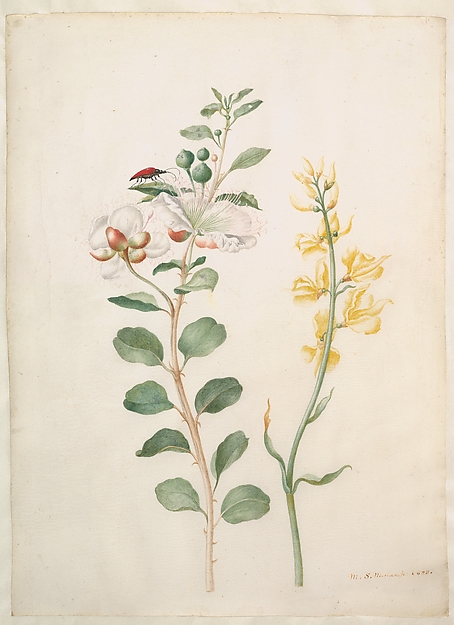 Maria Sibylla Merian — Study of Capers, Gorse, and a Beetle
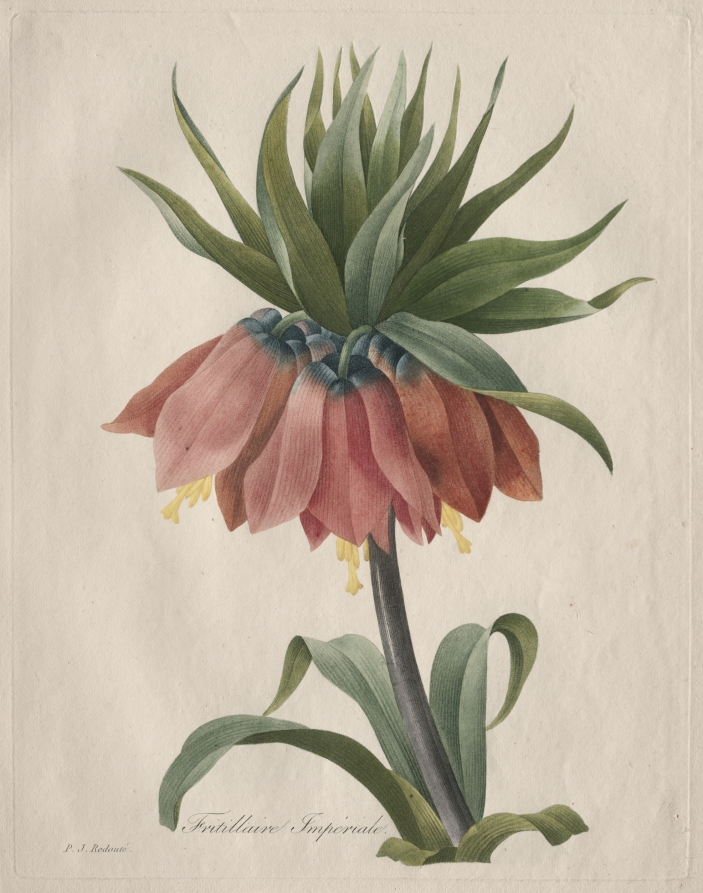 Henri Joseph Redouté (French, 1766–1853) — Crown Imperial Fr
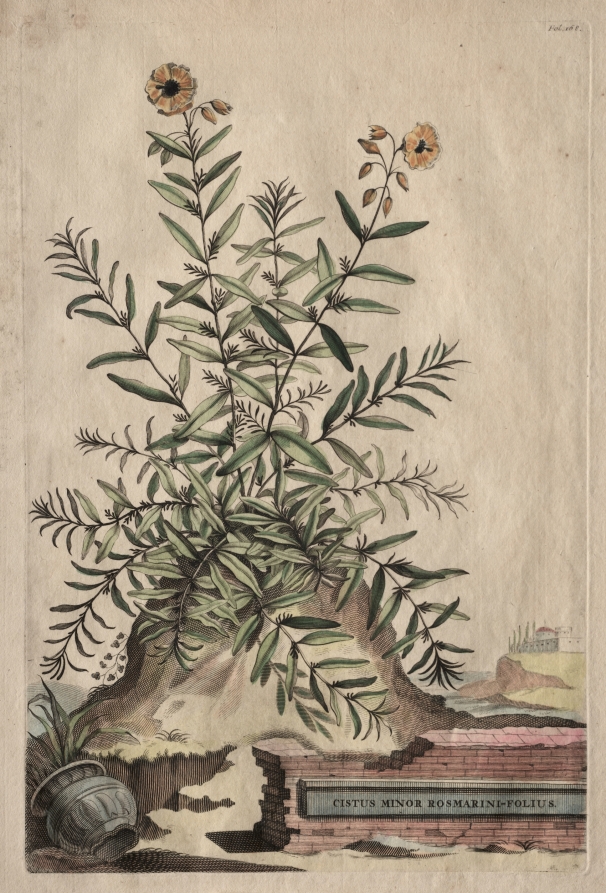 Abraham Munting (Dutch, 1626–1683) — Phytographia Curiosa: