Georg Dionysius Ehret

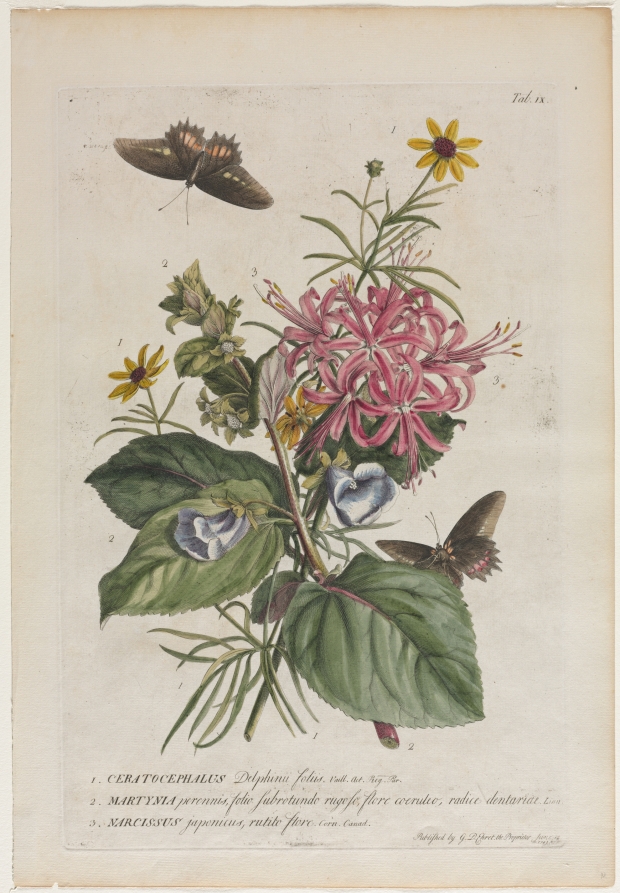
Plantae et Papiliones rariores: Martynia

1748
engraving, hand-colored

SEE IT IN PERSON

Not currently on view

In the collection of Cleveland Museum of Art, Cleveland · as of July 2026

View at clevelandart.orgPlan a visit ↗

Discussion

FROM THE CLEVELAND MUSEUM OF ART’S CATALOG

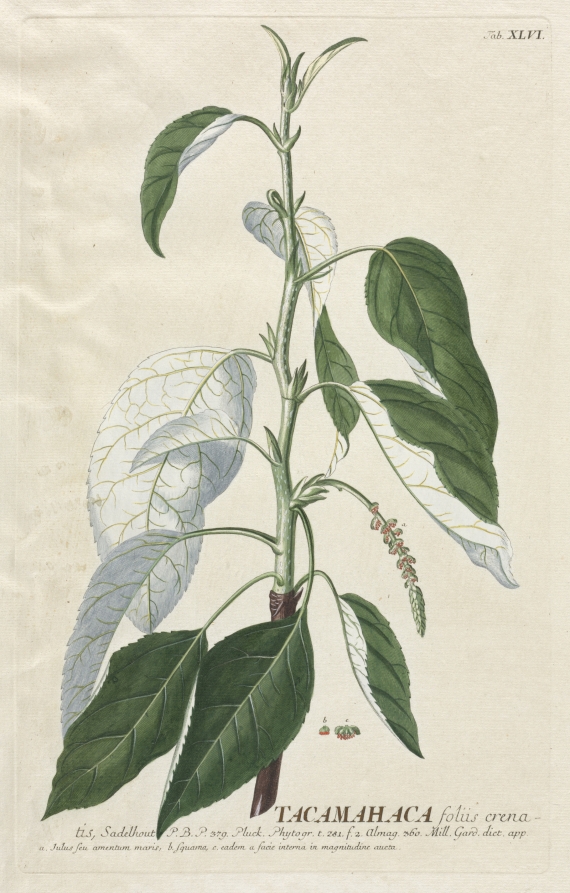
Georg Ehret met Carolus Linnaeus in 1736. The dominant botanical artist in the mid-18th century, Ehret settled in England where the nobility clamored to receive his instruction. He commented in his autobiography, “If I could have divided myself into twenty parts I could still have had my hands full.” Ehret struck a fine compromise between the artist and the scientist. “While he did not slavishly imitate what he saw, neither did he allow his feeling for the color and design of flowers distract him from the fundamentals of plant structure,” confirms Wilfrid Blunt, author of The Art of Botanical Illustration. Ehret’s crisp forms betray a sureness of touch, vigor of handling, and unerring instinct for design.

Source ↗

Be the first to share your thoughts.

Sign in to join the discussion.

Community guidelines

More by Georg Dionysius Ehret

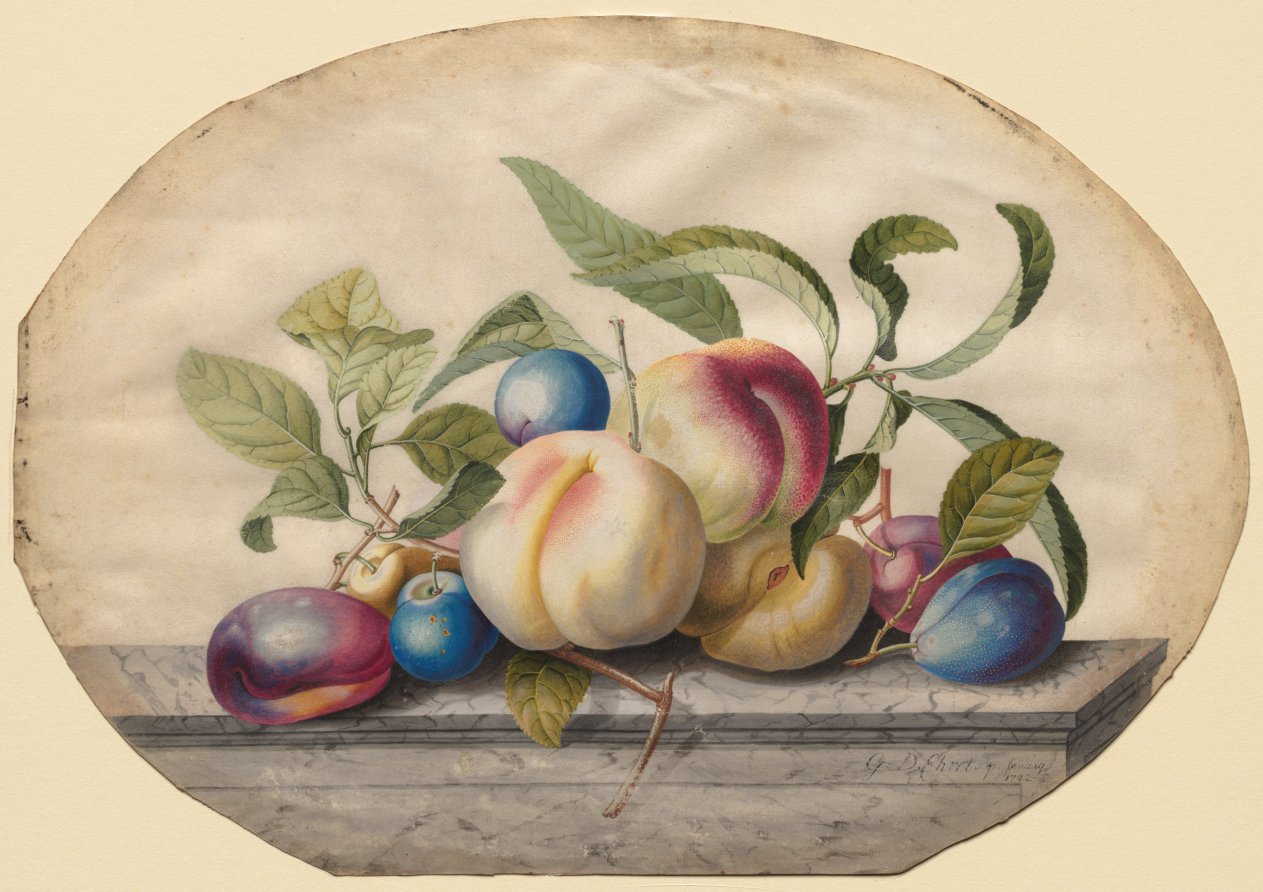
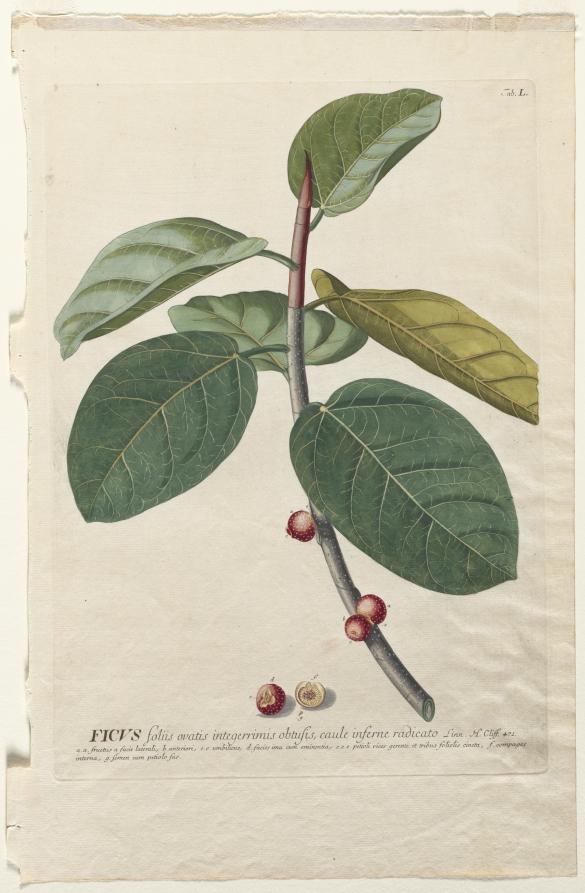
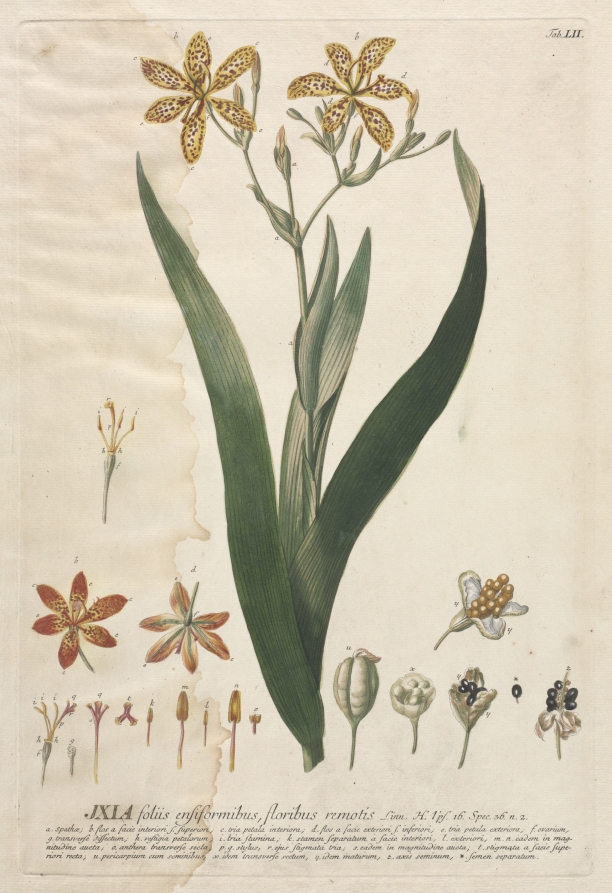
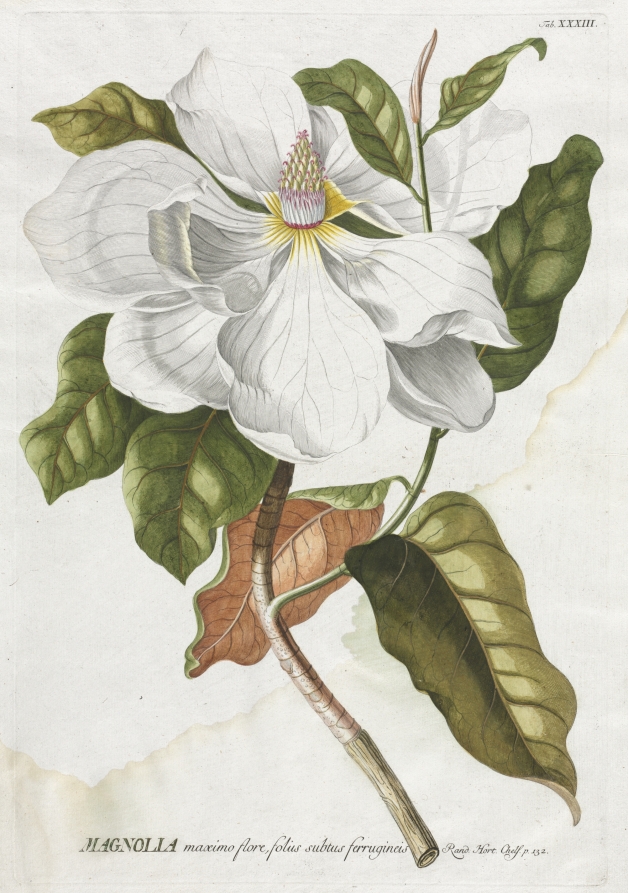
Fruit Arrangement: Peaches and Plumbs on a Slab of MarbleFruit Arrangement: Peaches and Plumbs on a Slab of MarblePlantae Selectae:  No. 39 - Lilio-GladiolusPlantae Selectae: No. 39 - Lilio-GladiolusPlantae Selectae:  No. 5 - AnonaPlantae Selectae: No. 5 - AnonaPlantae Selectae:  No. 50 - FicusPlantae Selectae: No. 50 - FicusPlantae Selectae:  No. 52 - IxiaPlantae Selectae: No. 52 - IxiaPlantae Selectae:  No. 33 - MagnoliaPlantae Selectae: No. 33 - MagnoliaPlantae et papiliones rariores:  No. 9Plantae et papiliones rariores: No. 9Plantae Selectae:  No. 46 - TacamahacaPlantae Selectae: No. 46 - Tacamahaca
More like this

Cours d'Histoire Naturelle, contenant les principales espèces du règne animal, classées methodiquemenet:  Martynia or Unicorn PlantGodefroy Engelmann (French, 1788–1839) — Cours d'Histoire NaThe Temple of Flora, or Garden of Nature: The Obique-leaved BegoniaJames Caldwall (British, 1739–after 1789) — The Temple of FlCours d'Histoire Naturelle, contenant les principales espèces du règne animal, classées methodiquemenet:  Iris, African-hemp and KetmiaGodefroy Engelmann (French, 1788–1839) — Cours d'Histoire NaA Poppy in Three Stages of Flowering, with a Caterpillar, Pupa and ButterflyJohanna Helena Herolt (née Graff) — A Poppy in Three Stages Chalice VineMaria Catharina Prestel (German, 1747–1794) — Chalice VineVlinders, een slang en een schildpad rondom een bloeiende agaveMaria Moninckx — Vlinders, een slang en een schildpad rondom(Botanical: Maurándia semperflorens)Pancrace Bessa (French, 1772–1846) — (Botanical: Maurándia sFlore des Jardiniers, Amateurs et Manufacturiers:  Maurandia semperflorensJean Pierre Frederic Barrois (French, 1786–after 1841) — FloStudy of Capers, Gorse, and a BeetleMaria Sibylla Merian — Study of Capers, Gorse, and a BeetlePassion FlowerSydenham Teak Edwards — Passion FlowerA Sheet of Studies of Flowers: A Rose, a Heartsease, a Sweet Pea, a Garden Pea, and a Lax-flowered OrchidJacques Le Moyne de Morgues — A Sheet of Studies of Flowers:Rose Bush and ButterflyMary Altha Nims (American, 1817–1907) — Rose Bush and Butter