In the collection of The Metropolitan Museum of Art, New York — check current display status with the museum.
Be the first to share your thoughts.
Sign in to join the discussion.
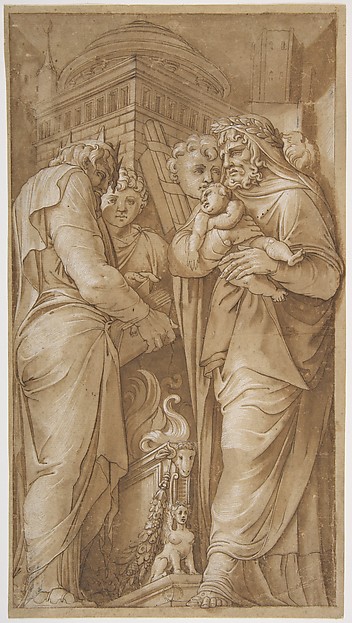
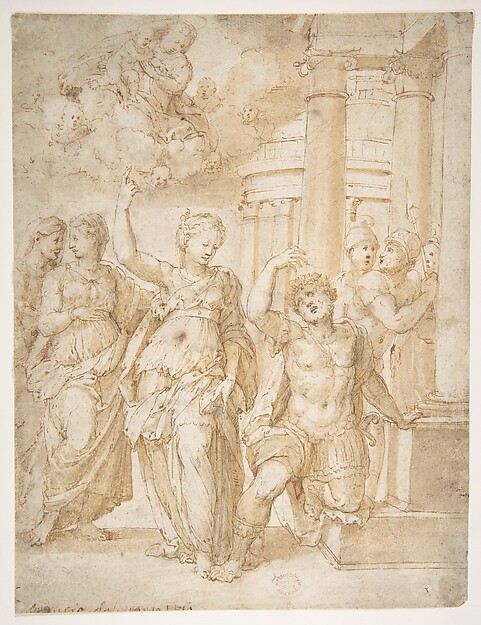 Bartolomeo Neroni (Il Riccio) — Sibyl Announcing the Birth o
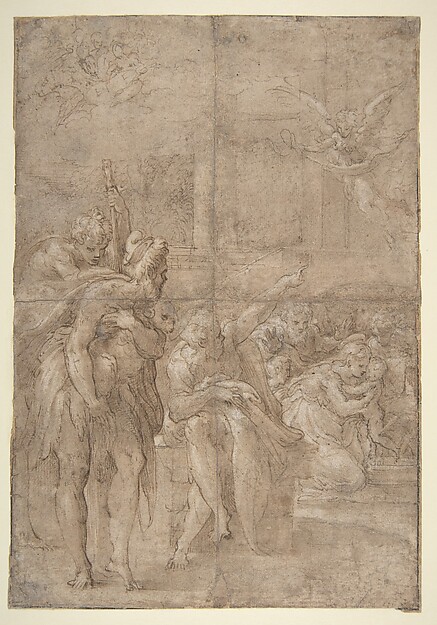 Parmigianino (Girolamo Francesco Maria Mazzola) — The Adorat
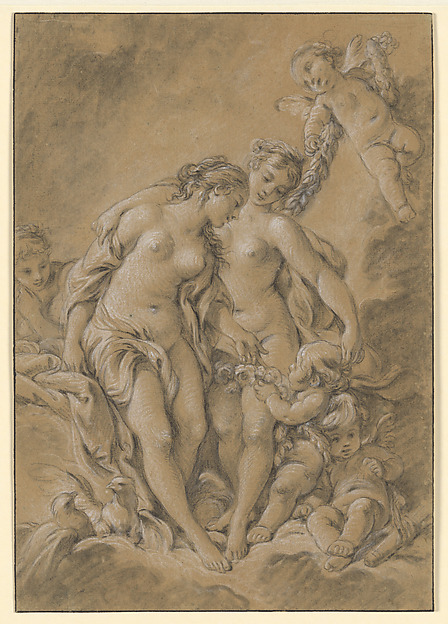 François Boucher — Nymphs and Cupids
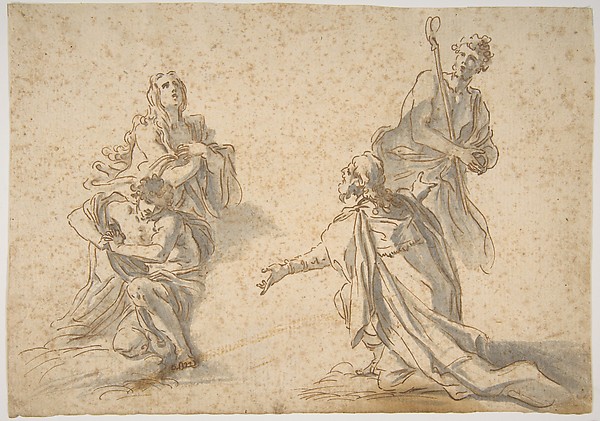 Nicola Maria Rossi — Two Kneeling and Two Standing Figures
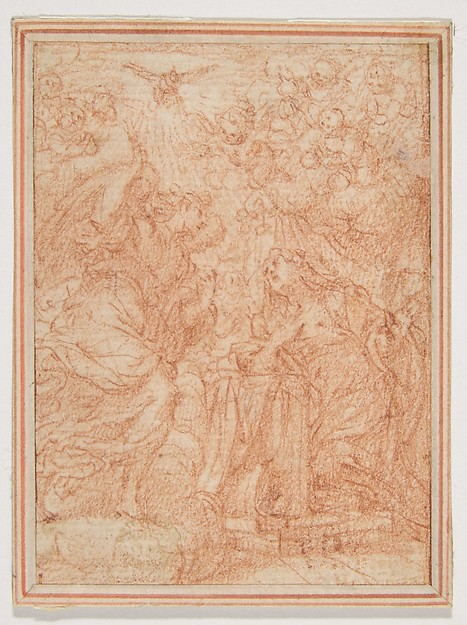 Camillo Procaccini — The Annunciation
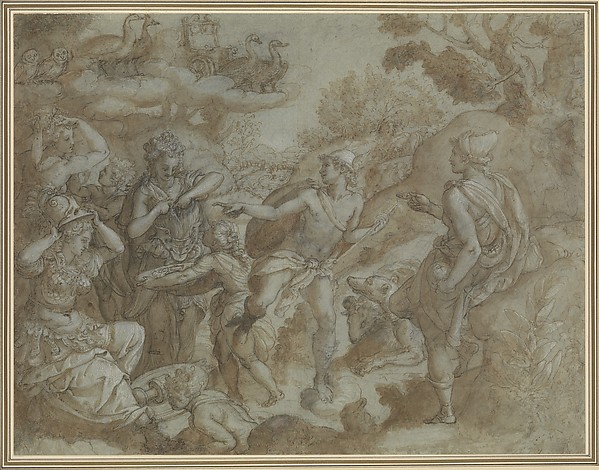 Alessandro Allori — The Judgment of Paris
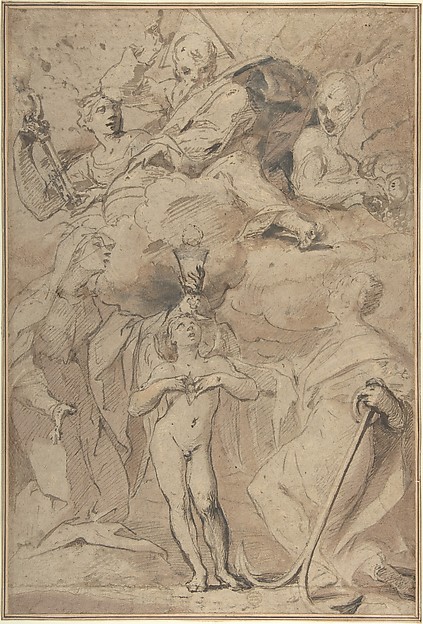 Ludovico Lana — Allegory of Religion (God the Father above,
 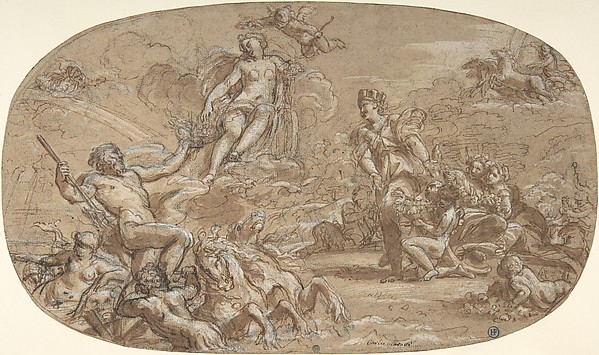 Niccolò Berrettoni — The Birth of Venus, with Neptune, Cybel
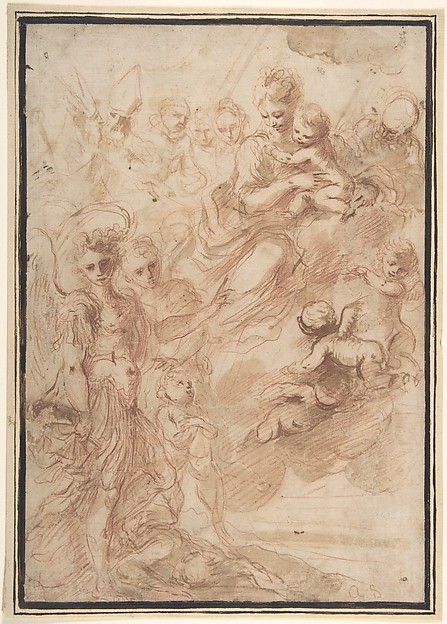 Bartolomeo Biscaino — Saint Michael the Archangel and Anothe
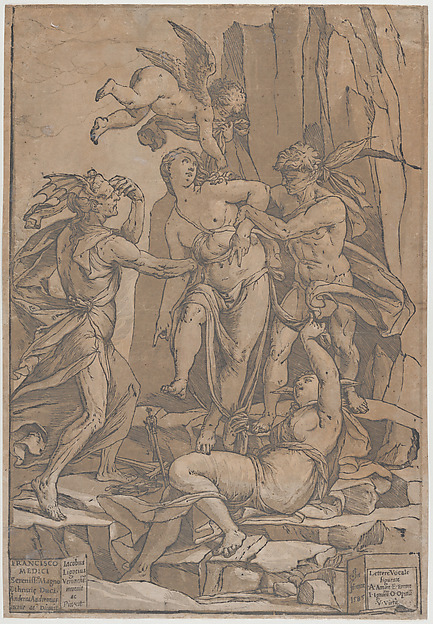 Andrea Andreani|Jacopo Ligozzi — Virtue as a young woman sur
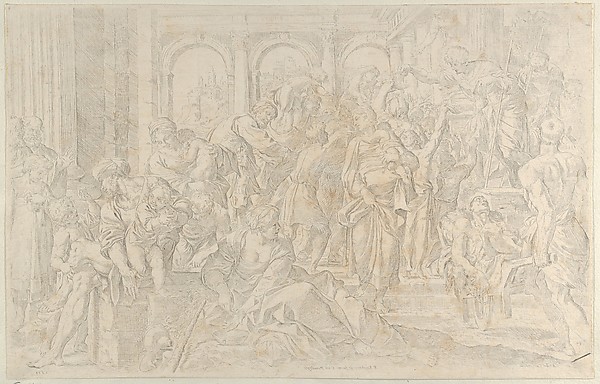 Pietro Stefanoni|Annibale Carracci|Francesco Brizio — Saint
 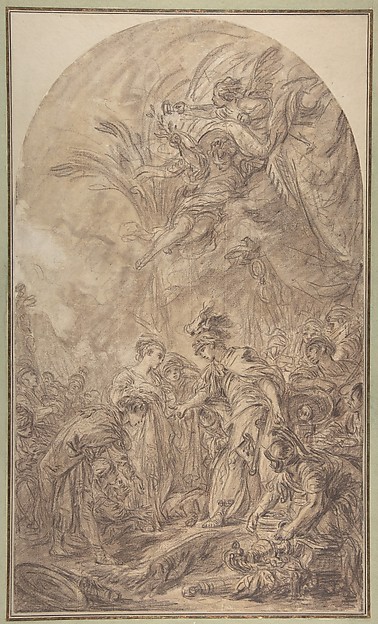 François Boucher — The Continence of Scipio