In the collection of The Metropolitan Museum of Art, New York — check current display status with the museum.
Be the first to share your thoughts.
Sign in to join the discussion.
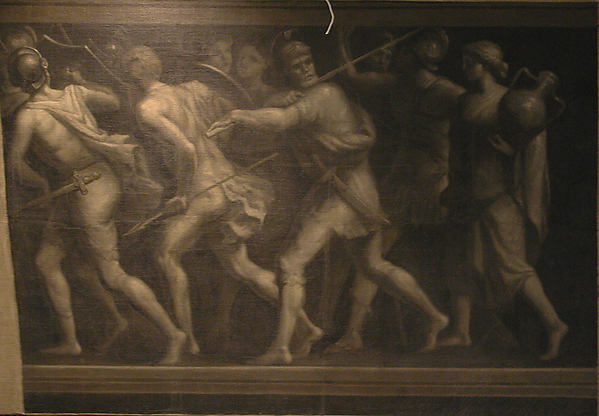
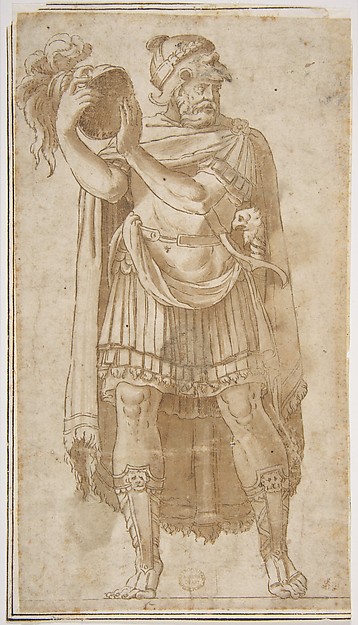
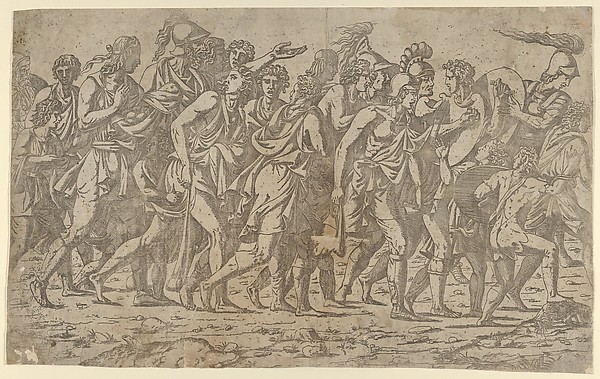 Antonio Fantuzzi|Giulio Romano — A Roman Army on the March -
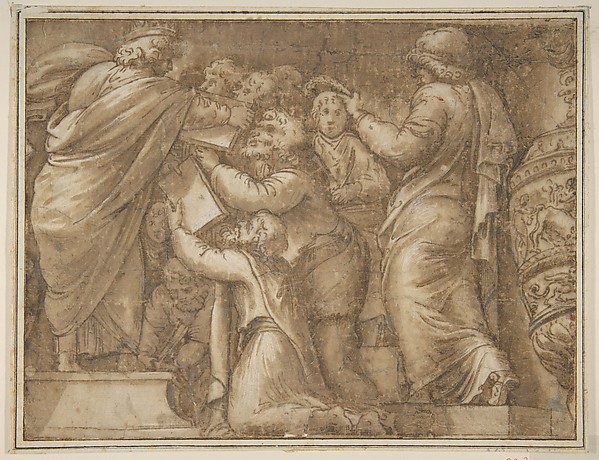
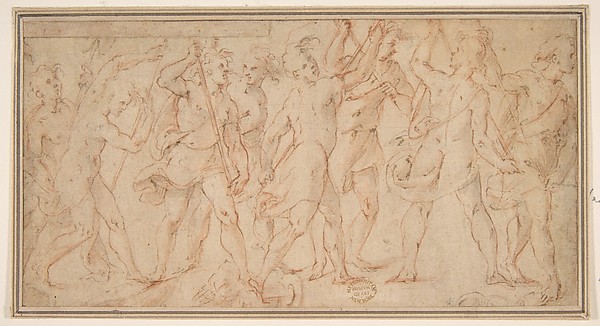 Carlo Urbino — Procession of figures
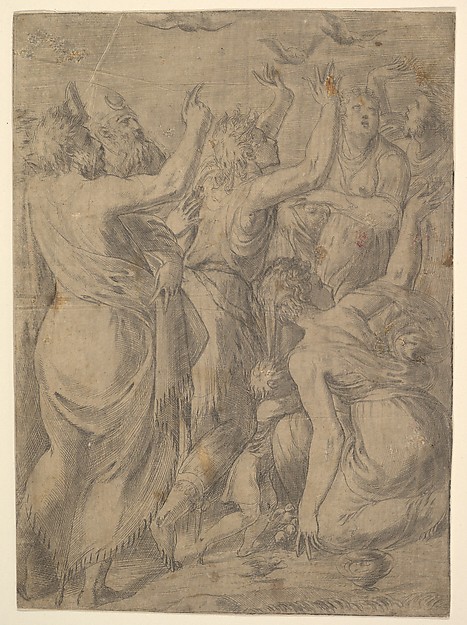 Andrea Schiavone (Andrea Meldola) — Moses showing the quails
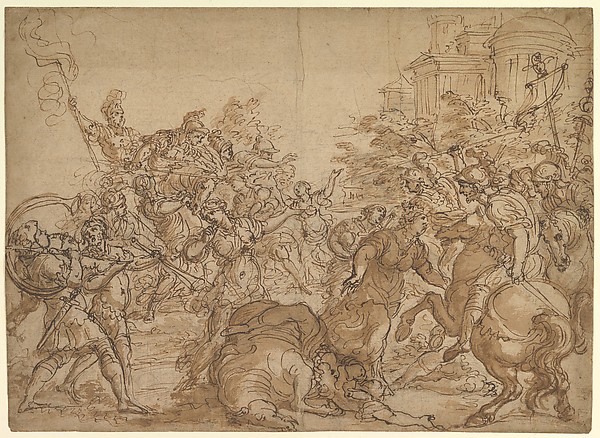 Giovanni Battista Foggini — The Sabine Women Pleading for Pe
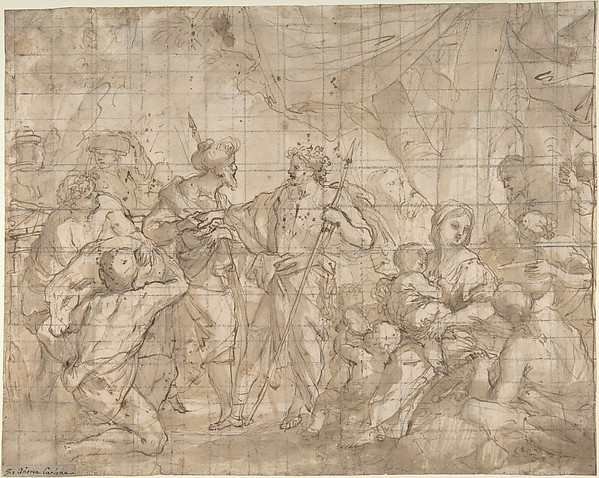 Giovanni Andrea Carlone — Old Testament Scene
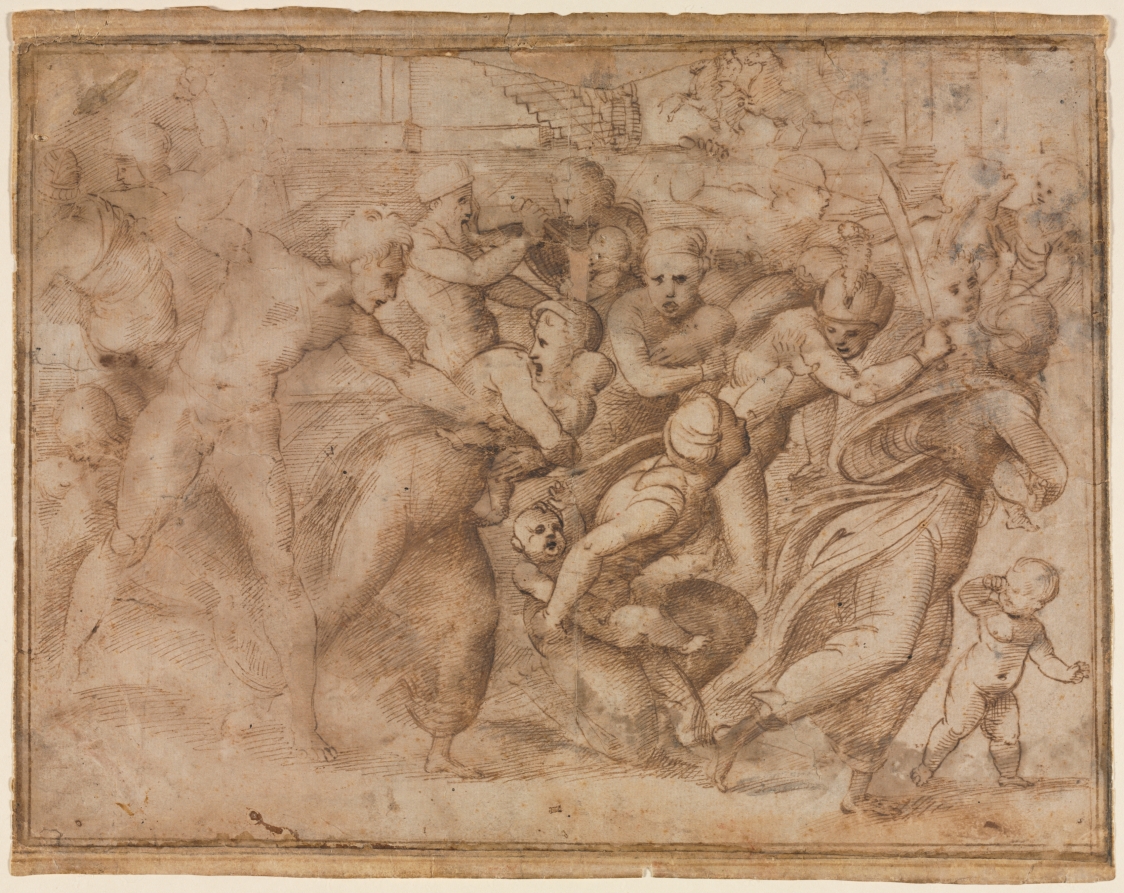 Raphael (Italian, 1483–1520) — Copy of Raphael's Massacre of
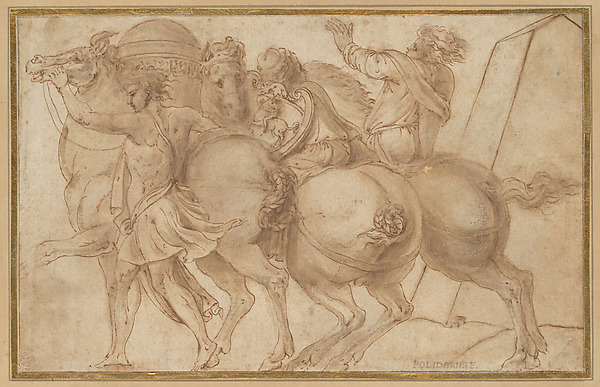
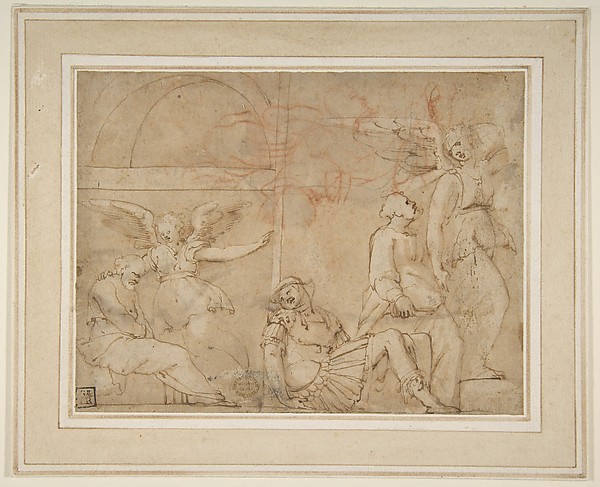
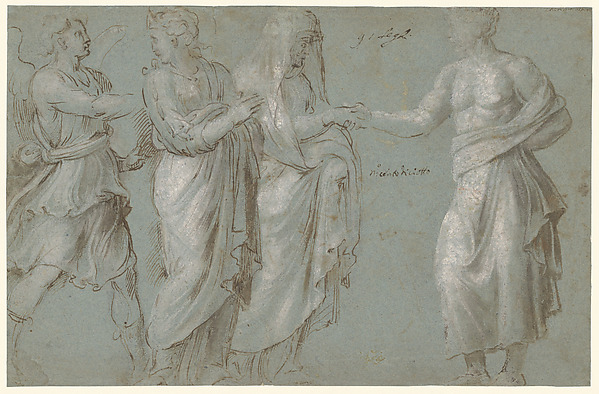 Biagio Pupini|Polidoro da Caravaggio — A Winged Figure, two
 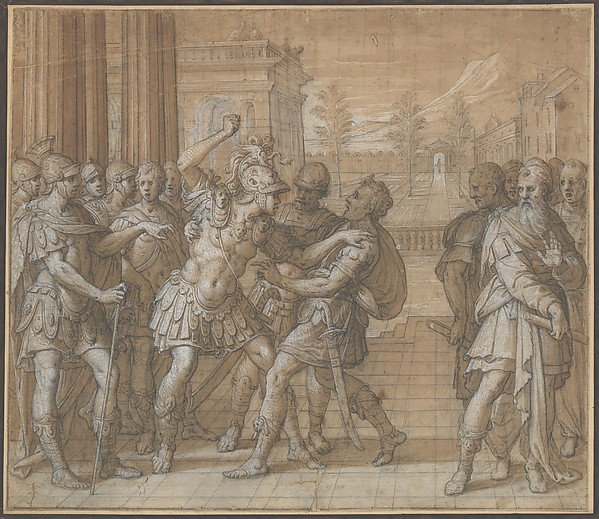 Henri Lérambert — Coriolanus Vows Eternal Hatred to Rome
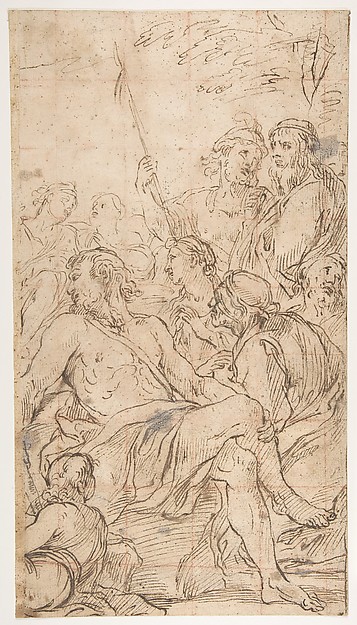 Luca Giordano — Fragment of a Composition with a Reclining S
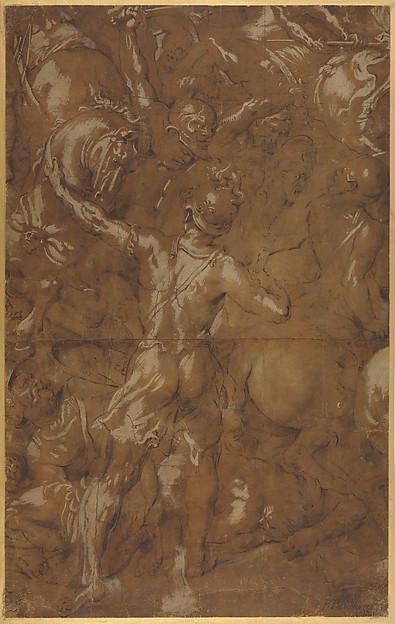 Peter Paul Rubens — Battle Scene
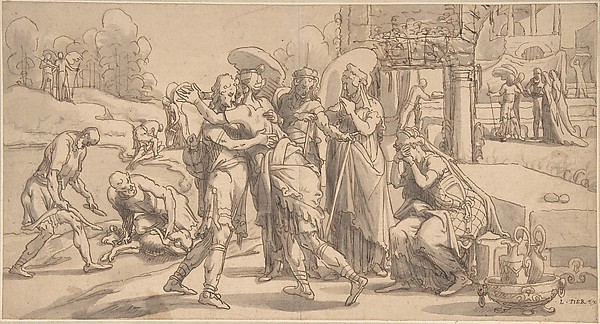 Pieter Aertsen|Maarten van Heemskerck — Raguel's Reception o
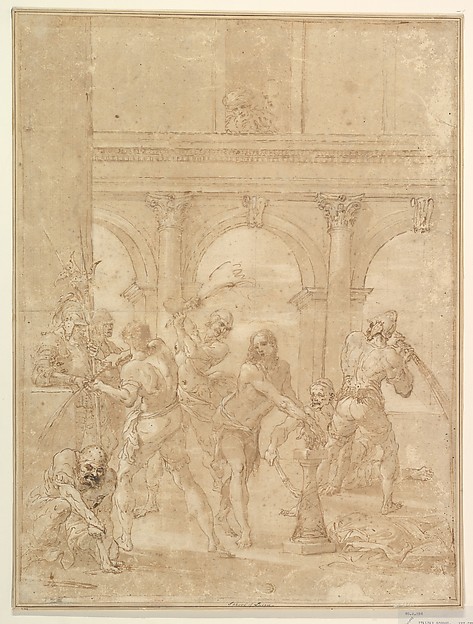 Aureliano Milani — Scourging of Christ