In the collection of Cleveland Museum of Art, Cleveland — check current display status with the museum.
FROM THE CLEVELAND MUSEUM OF ART’S CATALOG
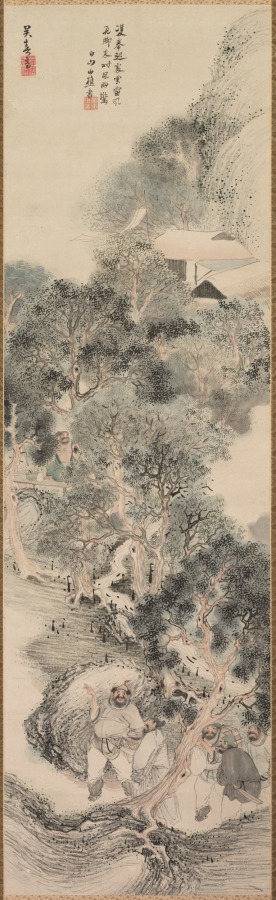
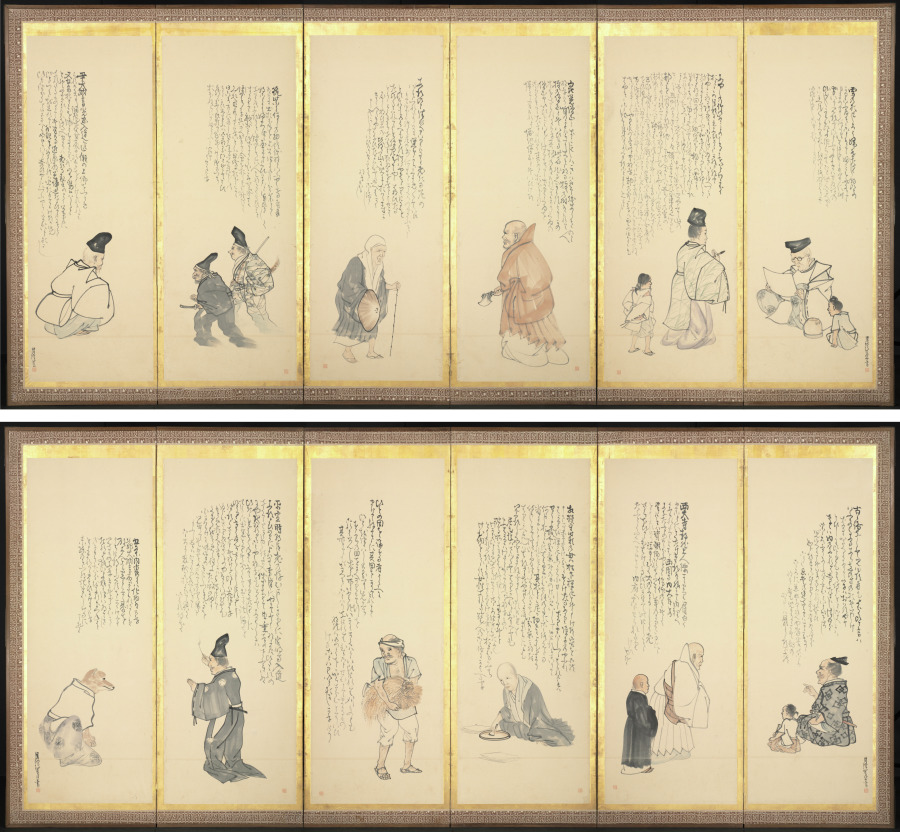
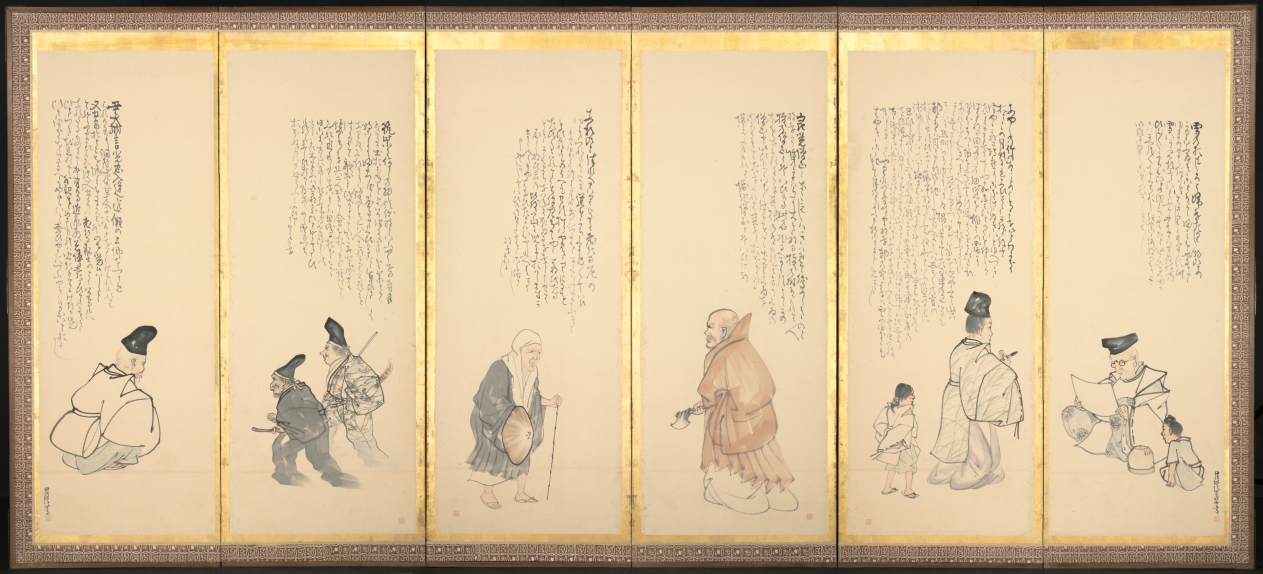
When Yosa Buson died, his students raised funds for his daughter Kuno’s second marriage by selling their own paintings and calligraphies attached to surviving drafts of Buson’s poetry and commentary. Here, beneath a section of Buson’s manuscripts, Matsumura Goshun painted nine of the poets Buson judged to be the best at haikai, a humorous form of poetry in which poets take turns contributing verses to a poem. In his inscription, Goshun explained that his choice of subject relates to the content of Buson’s text.
Be the first to share your thoughts.
Sign in to join the discussion.
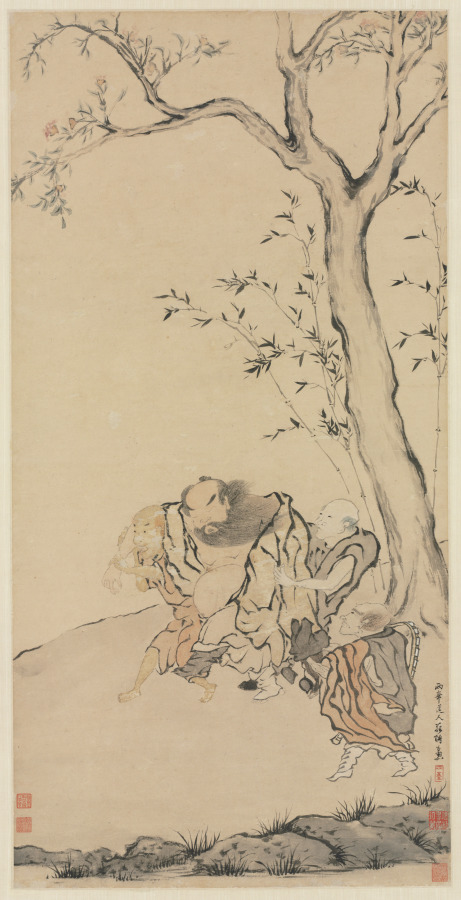 Luo Ping (Chinese, 1733–1799) — Zhong Kui Supported by Ghost
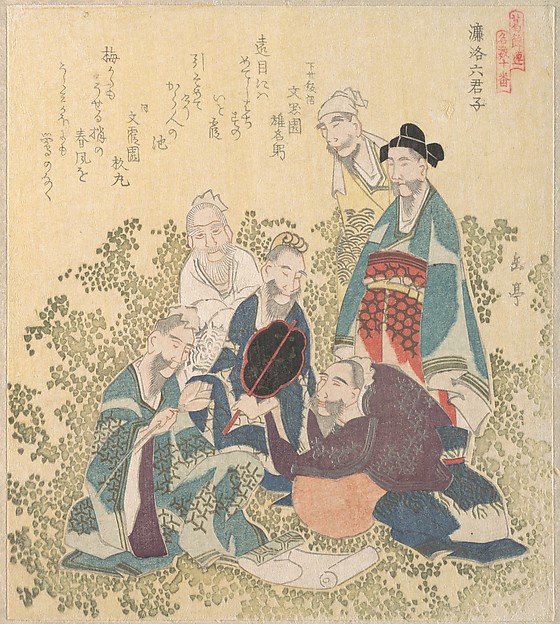 Yashima Gakutei
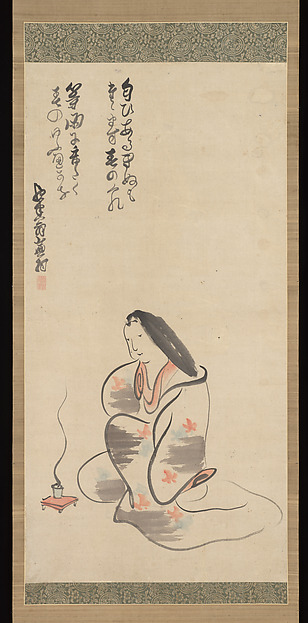 Yosa Buson
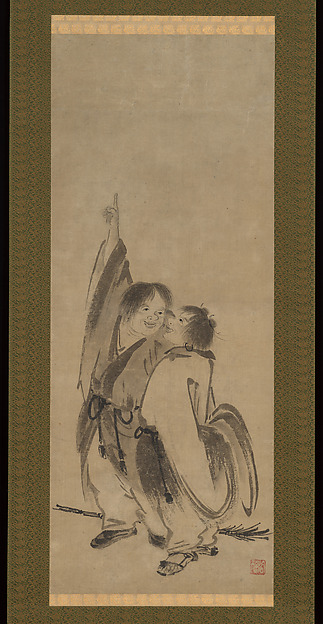 Kenkō Shōkei 賢江祥啓 — 寒山拾得図 (Kanzan Jittoku zu)|Hanshan and Sh
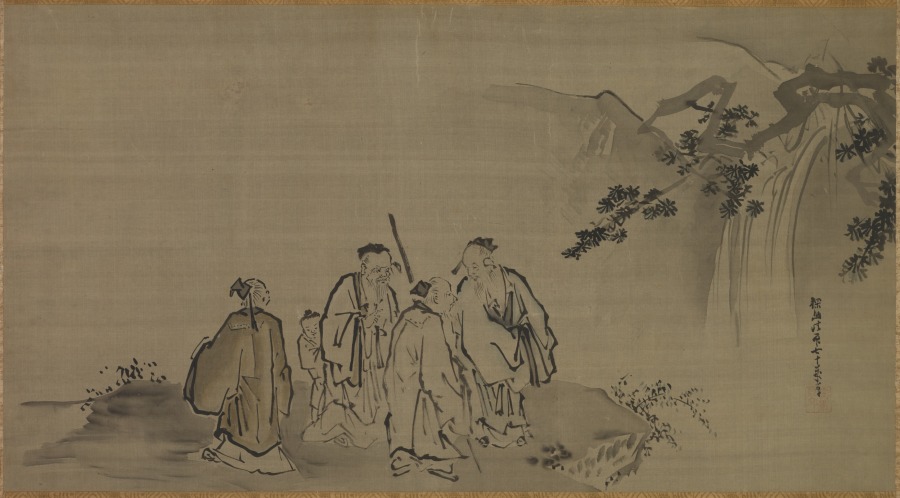 Kano Tan’yū (Japanese, 1602–1674) — Chinese Sages
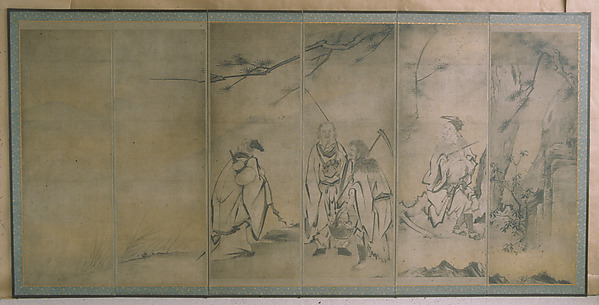 Hasegawa Sakon 長谷川左近 — 群仙図屏風|Immortals
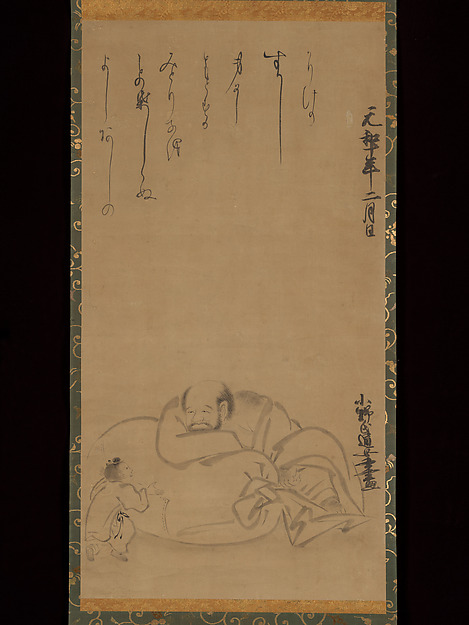 Ono no Ozū (Ono no Tsū) 小野通 — 布袋図 (Hotei zu)|Hotei and a Chi
 Ichijun (Japanese, active 1700s) — Portrait of Basho
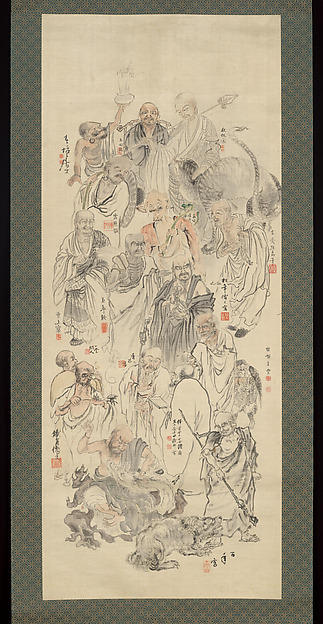 Suzuki Shōnen 鈴木松年|Tomioka Tessai 富岡鉄斎|Murase Gyokuden 村瀬玉田|
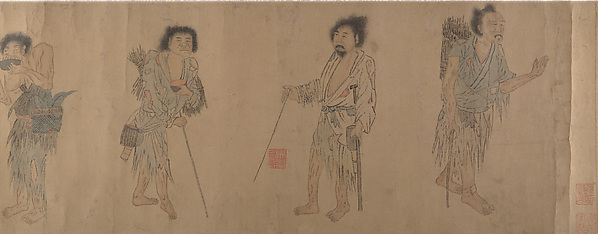 Unidentified artist
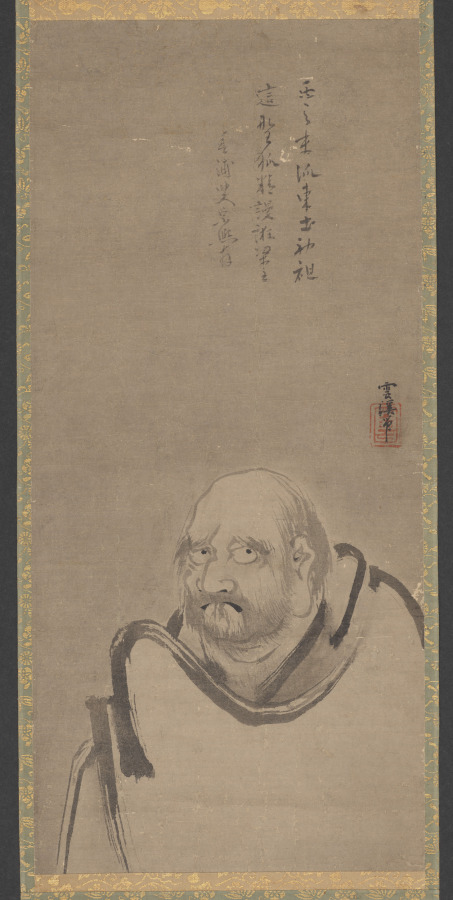 Unkei Eii (Japanese, active 1504–1520) — Bodhidharma
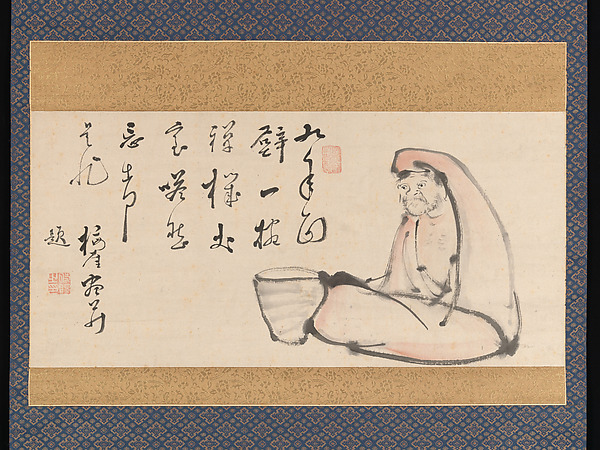 Totoki Baigai