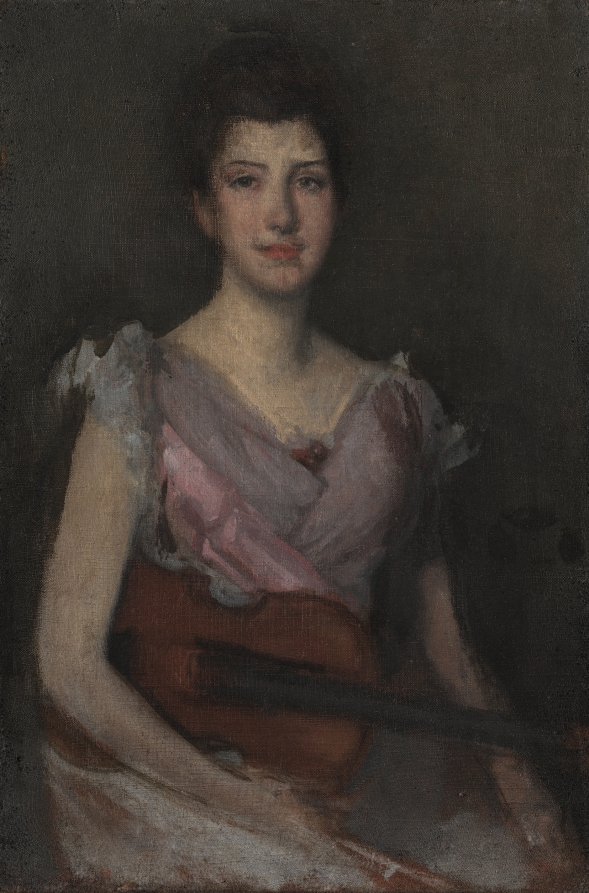
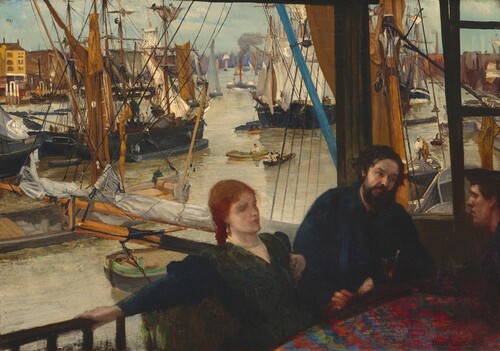
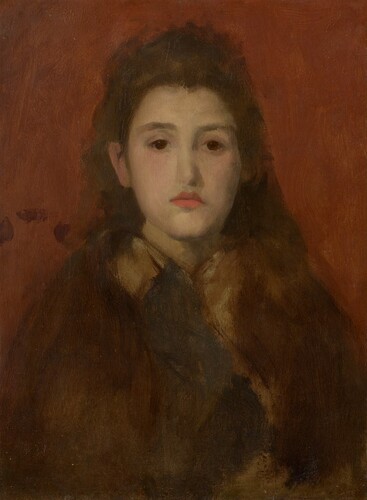
In the collection of Cleveland Museum of Art, Cleveland — check current display status with the museum.
FROM THE CLEVELAND MUSEUM OF ART’S CATALOG
Whistler was the first to borrow musical terms for the titles of his works of art. In 1872, he defined painting as "the exact correlative of music, as vague, as purely emotional, as released from all functions of representation." Whistler’s use of musical terminology was meant to convey the supremacy of color, line, and form over subject matter in his art. The title Nocturne was suggested by the artist’s patron, Frederick Leyland, an enthusiastic amateur pianist who was especially fond of Chopin, whose nocturnes were regarded as the epitome of Romantic mood music—particularly appropriate for Whistler’s moonlit marine views.
Be the first to share your thoughts.
Sign in to join the discussion.
 James McNeill Whistler — Nocturne (Nocturne: The Thames at B
 Otto H. Bacher (American, 1856–1909) — Zaltieri
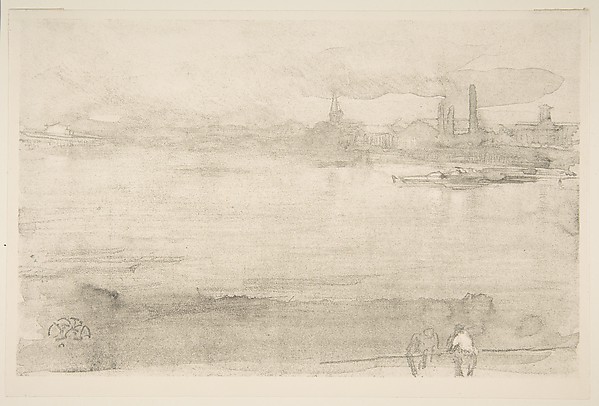 James McNeill Whistler — Early Morning
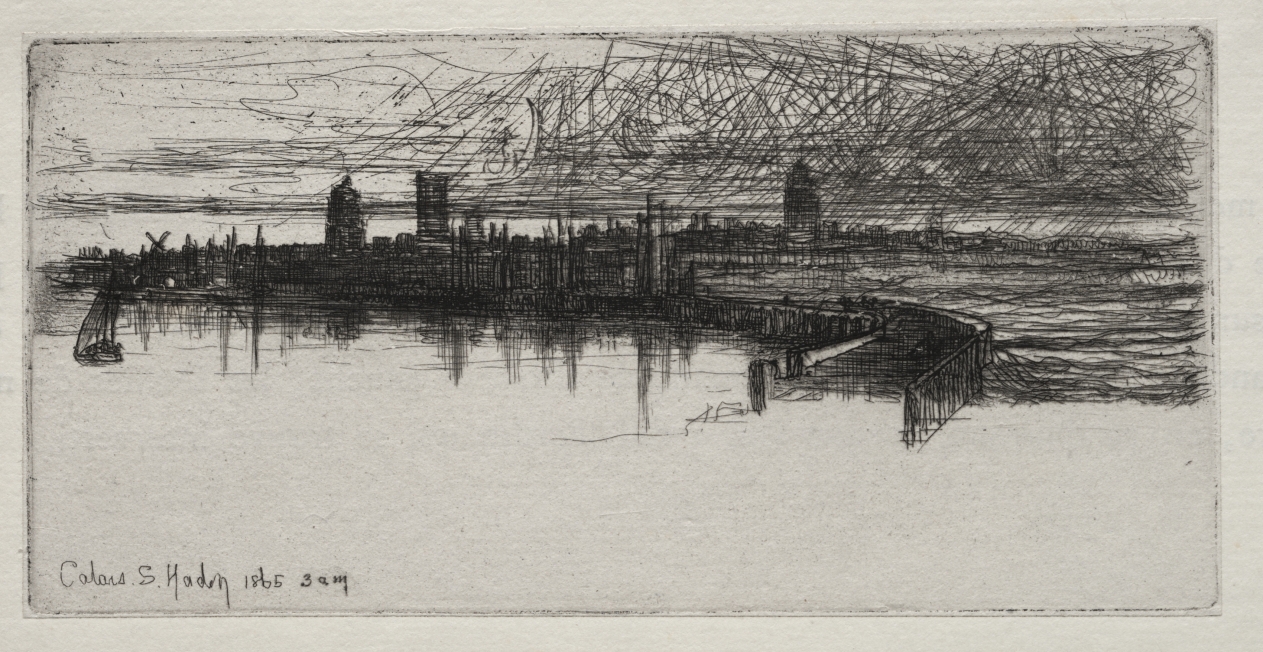 Francis Seymour Haden (British, 1818–1910) — Little Calais P
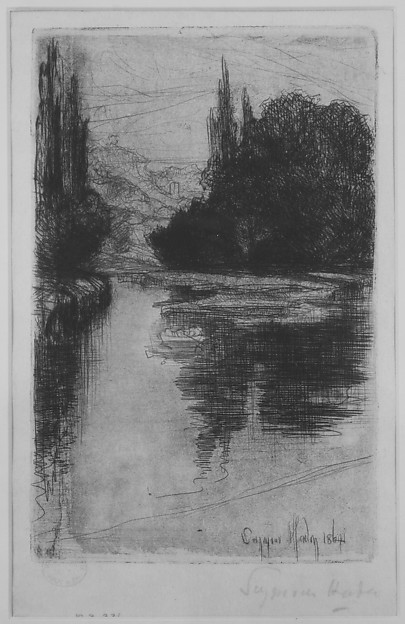 James Sayers|Charles Bretherton — The Charmers of the Age
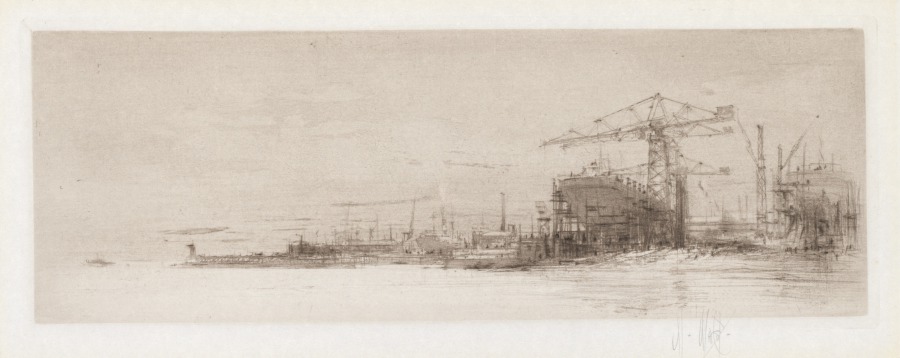 William Walcot (British, 1874–1943) — The Clyde from the ser
 Eugène Carrière — Paysage avec large rivière
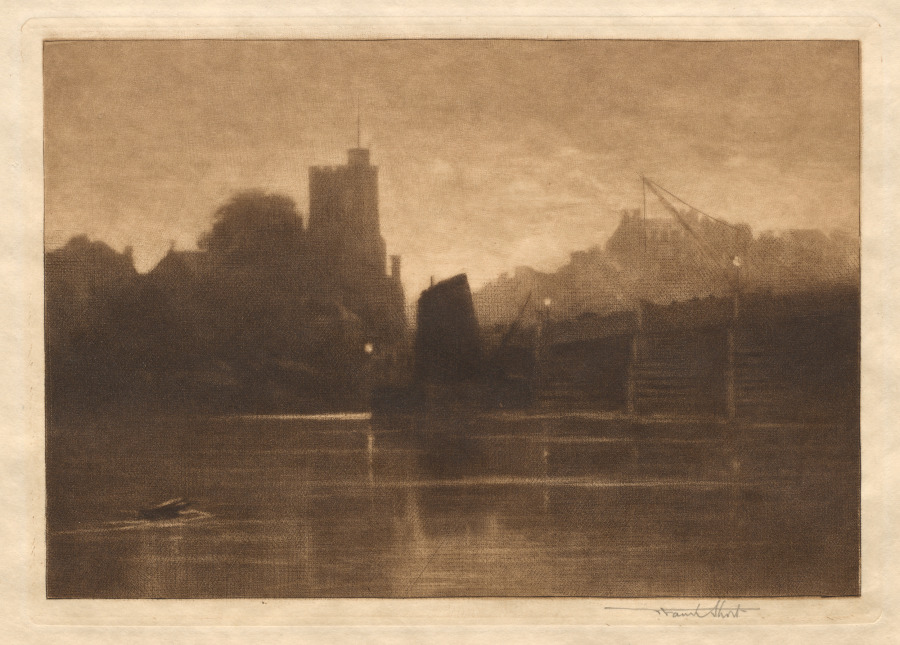 Frank Short (British, 1857–1945) — Ebb Tide, Putney Bridge
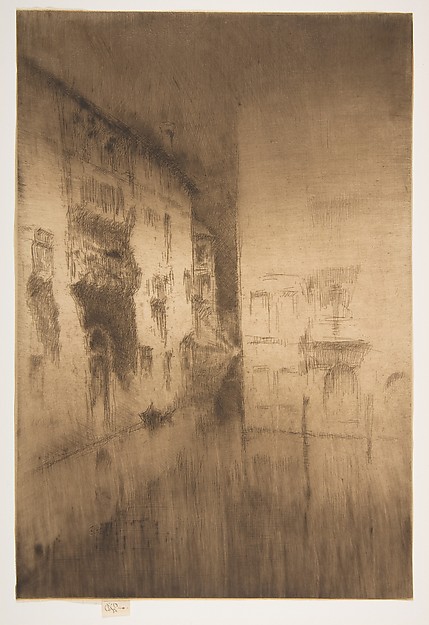 James McNeill Whistler — Nocturne: Palaces
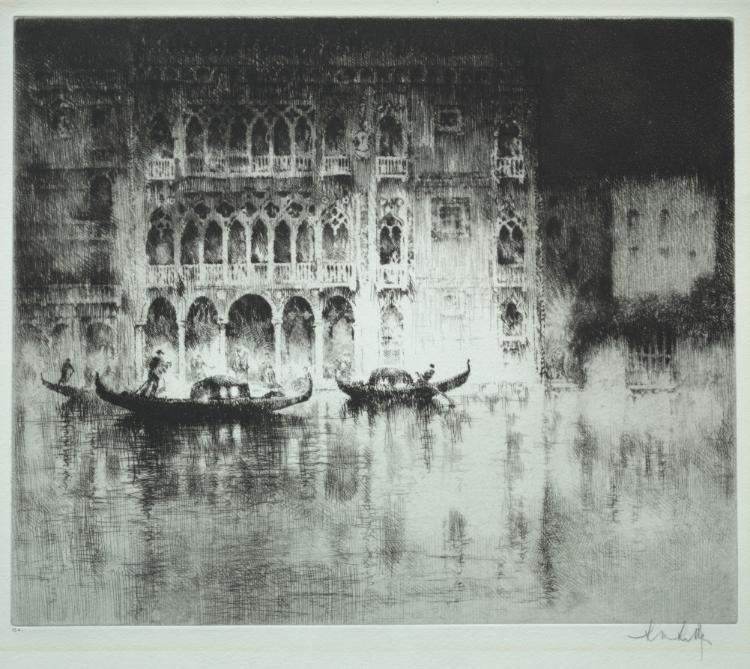 Sidney Mackenzie Litten (British, 1887–1934) — Venetian Set:
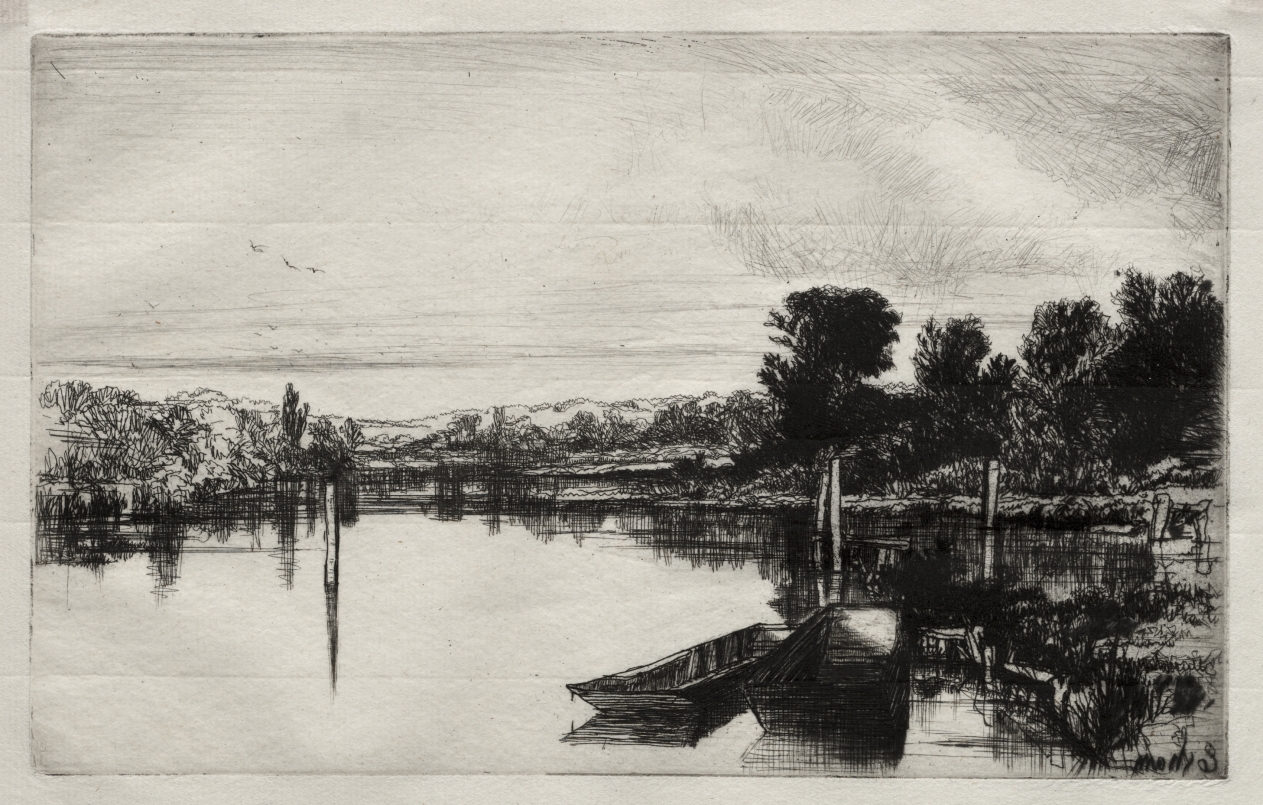 Francis Seymour Haden (British, 1818–1910) — Egham
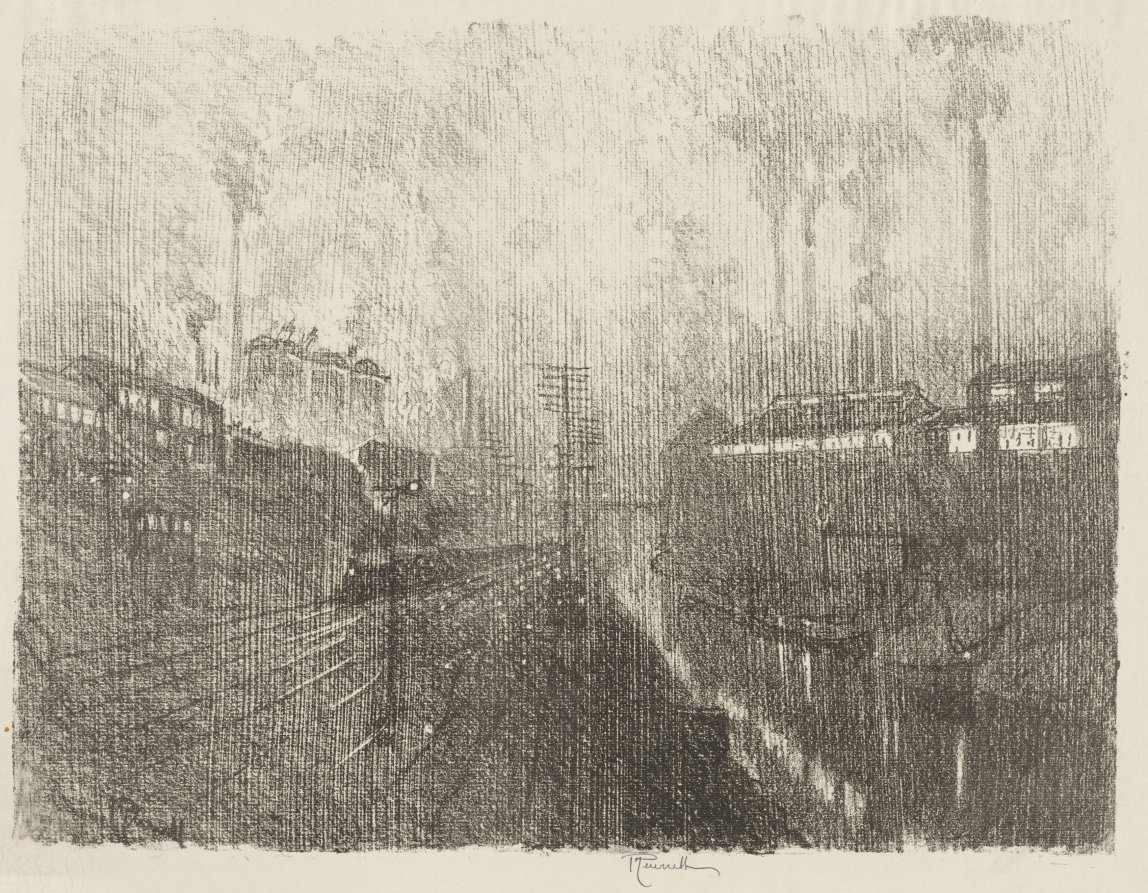 Joseph Pennell (American, 1857–1926) — English War Work: Ev