Early Morning
SEE IT IN PERSON
Not currently on view
In the collection of Art Institute of Chicago, Chicago · as of July 2026
Discussion
FROM THE ART INSTITUTE OF CHICAGO’S CATALOG
Whistler experimented with the expressive potential of lithography, and in the case of his rare lithotints, he applied washes of ink directly to the stone to create veils of pigment. The result is a nuanced representation of light and fog, as is seen in these evocations of life on London’s Thames River. At the time he produced these prints, Whistler was involved in a lawsuit with the famed English art critic John Ruskin, who had argued that the abstraction of one of Whistler’s painted Nocturnes defied the unwritten laws of aesthetics. Despite the notoriety—and bankrupting cost—of the legal case, Whistler persisted in his exploration of abstraction.
Be the first to share your thoughts.
Sign in to join the discussion.
More by James McNeill Whistler




More like this
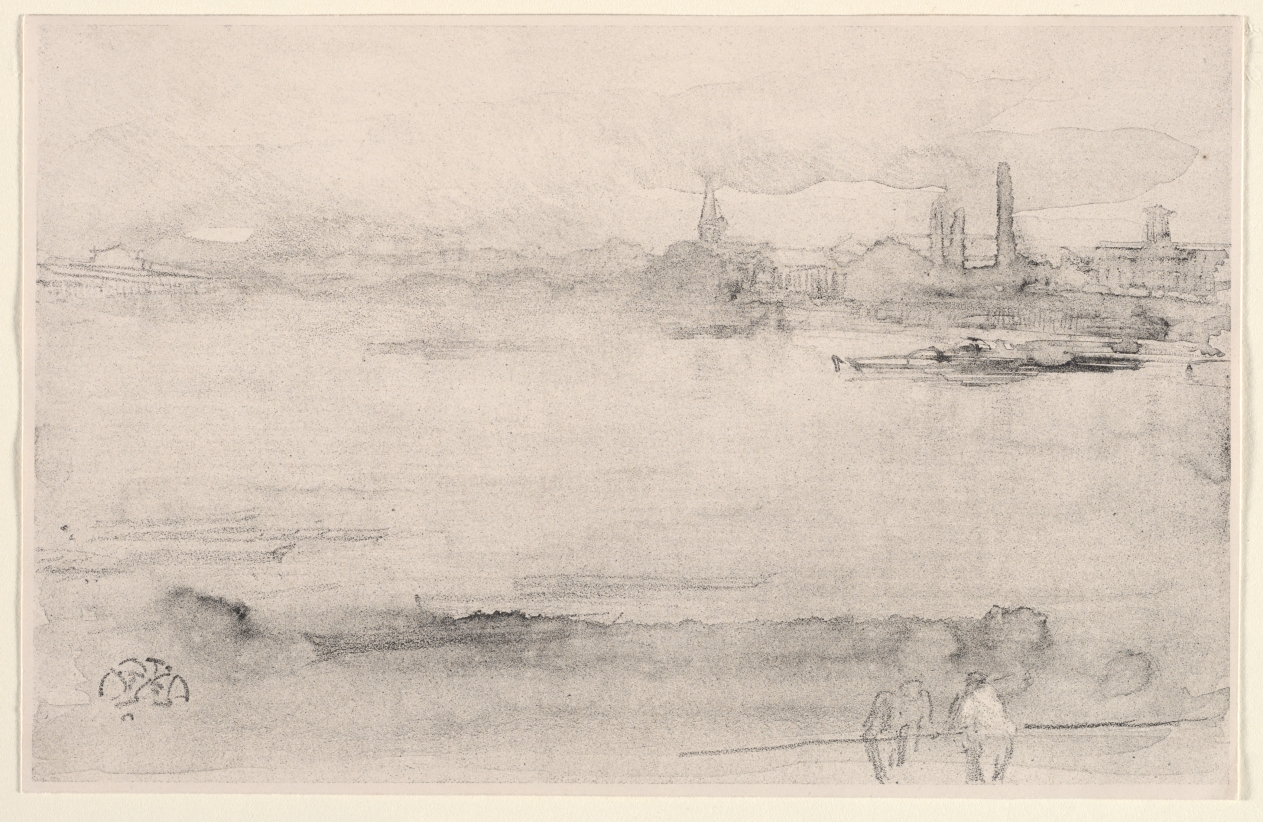 James McNeill Whistler (American, 1834–1903) — Early Morning
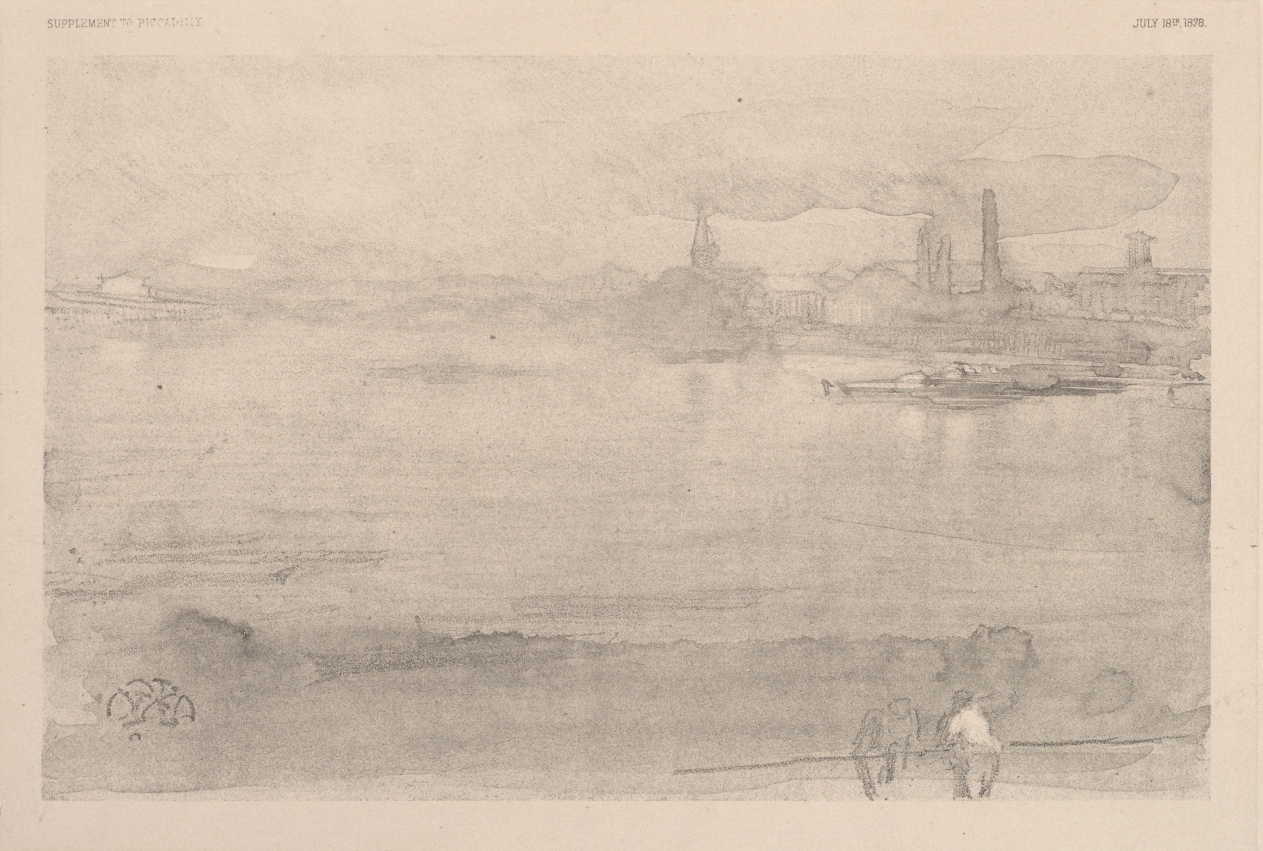 James McNeill Whistler (American, 1834–1903) — Early Morning
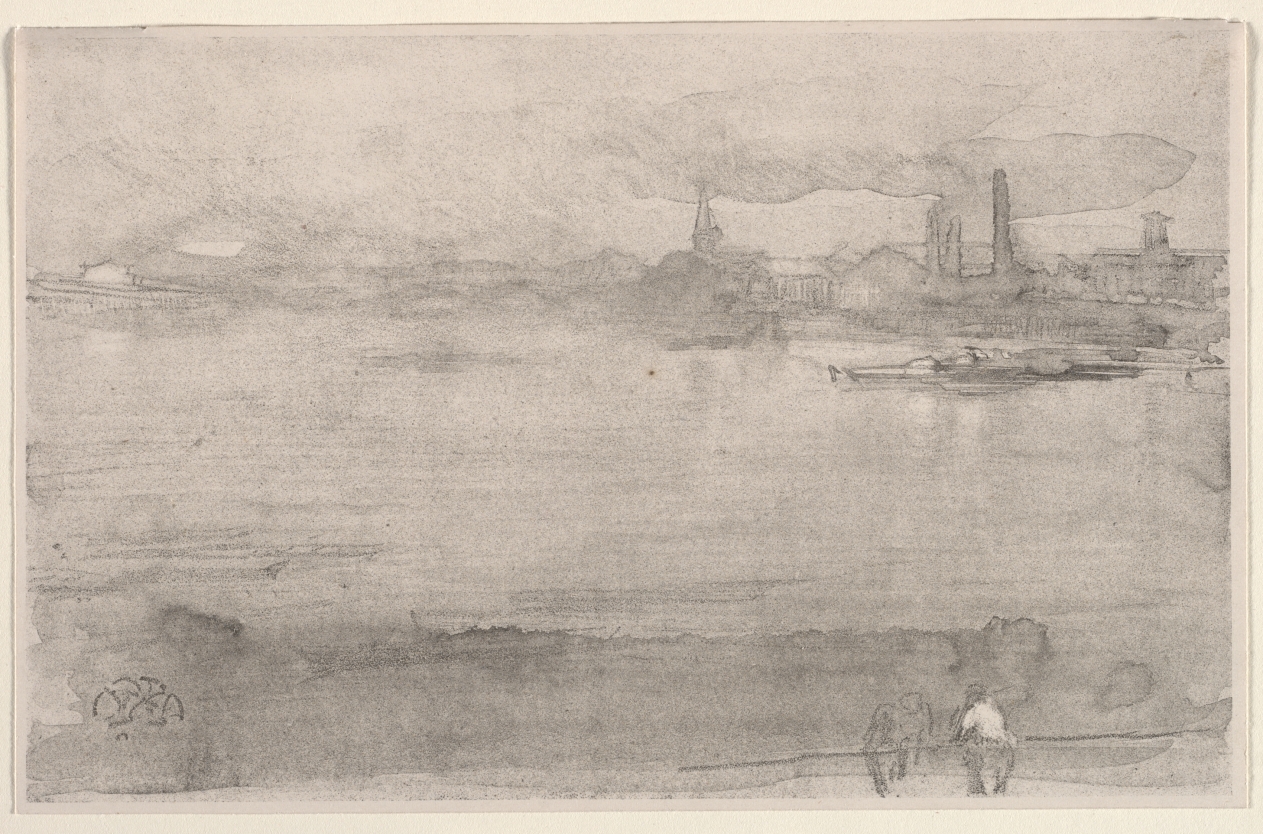 James McNeill Whistler (American, 1834–1903) — Early Morning
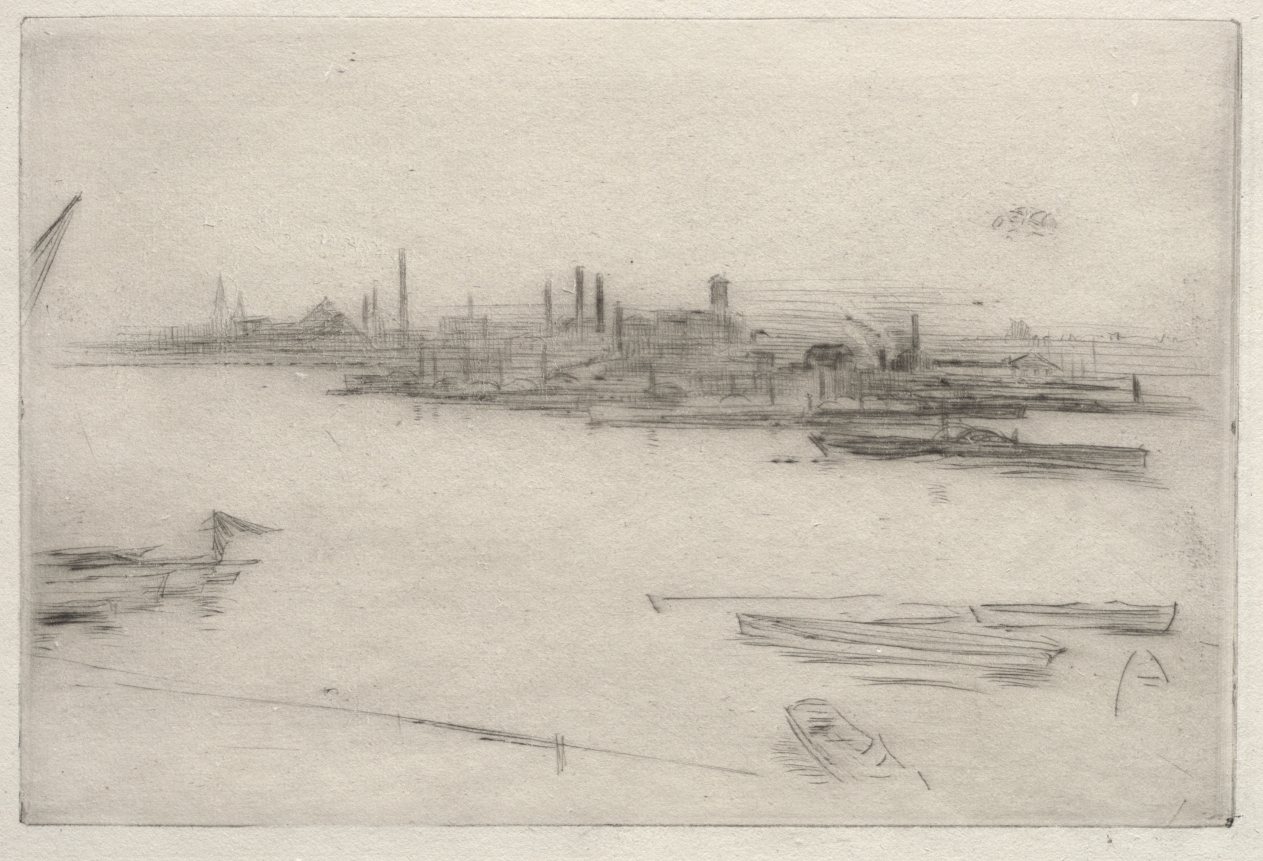 James McNeill Whistler (American, 1834–1903) — Battersea: D
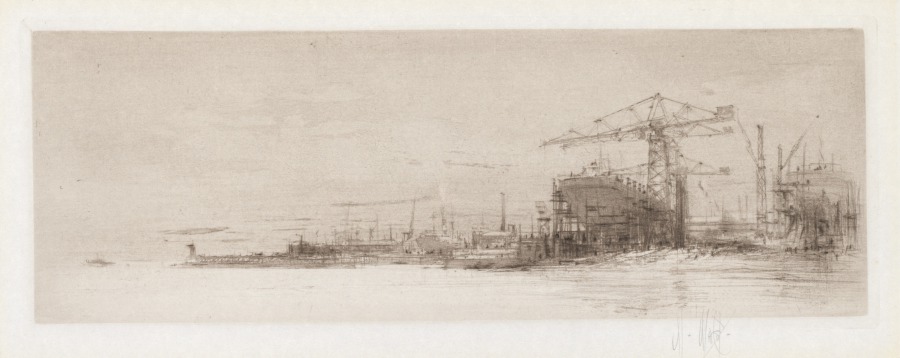 William Walcot (British, 1874–1943) — The Clyde from the ser
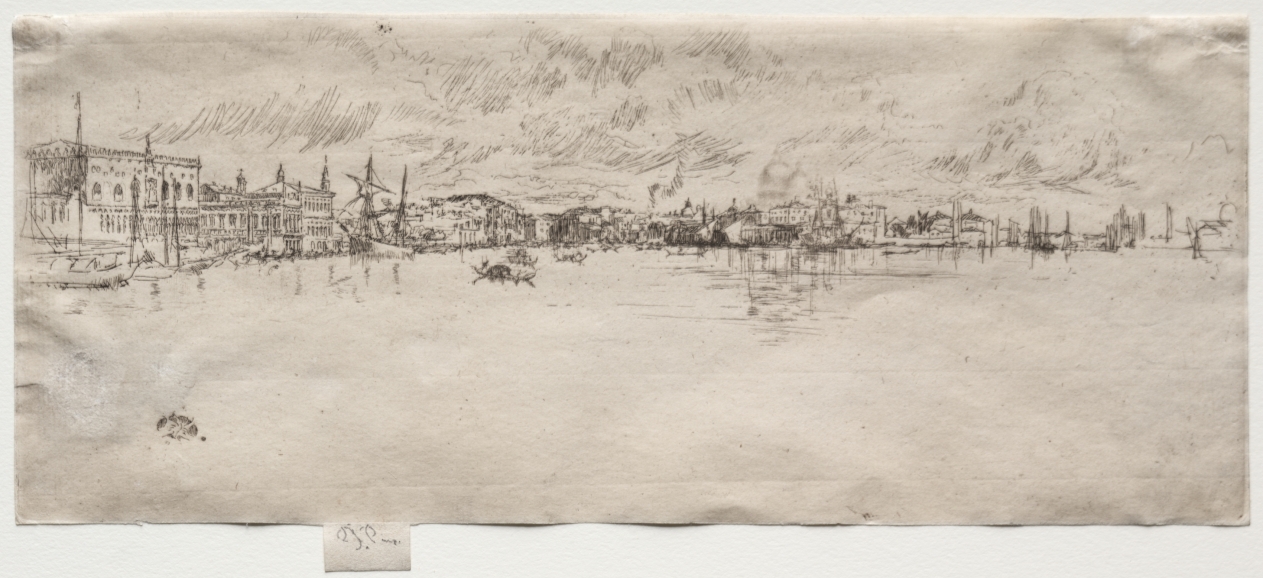 James McNeill Whistler (American, 1834–1903) — Long Venice
 James McNeill Whistler (American, 1834–1903) — Nocturne, Sal
 James McNeill Whistler (American, 1834–1903) — Little Salute
 James McNeill Whistler (American, 1834–1903) — Price's Candl
 Jan van Goyen — Village on Sunny Hillside
 James McNeill Whistler (American, 1834–1903) — San Giorgio,
  Georges Michel — Gezicht op de Butte: de molens