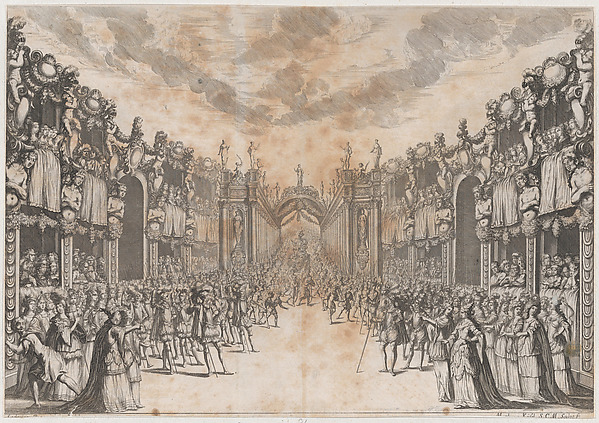
First Intermezzo of the Veglia of the“Liberation of Tyrsenus and Arnea"
SEE IT IN PERSON
Not currently on view
In the collection of Art Institute of Chicago, Chicago · as of July 2026
Discussion
FROM THE ART INSTITUTE OF CHICAGO’S CATALOG
Jacques Callot served under Cosimo II de' Medici, the premier patron of arts and entertainment in 17th-century Florence. The ballet Liberation of Tirreno and Arnea was a symbol of opulence, celebrating the 1616 wedding of the Duke of Mantua, Ferdinando Gonzaga, and Cosimo II's sister, Caterina de' Medici. In this scene, heavy drapery is cast aside to reveal the intermezzo, or staged entertainment between acts. The ballet dancers have moved from the stage to the auditorium floor, drawing the Duke and Archduchess themselves into the dance. Callot depicted the interior space of the famous Uffizi Theater, which is the only known visual record of the building. Nonetheless, Callot tended to exaggerate grandeur and vastness in performance imagery, which makes gauging its realism challenging.
Be the first to share your thoughts.
Sign in to join the discussion.
More by Jacques Callot
 Sketches for the Balli di Sfessania (recto) Sketches of Danc
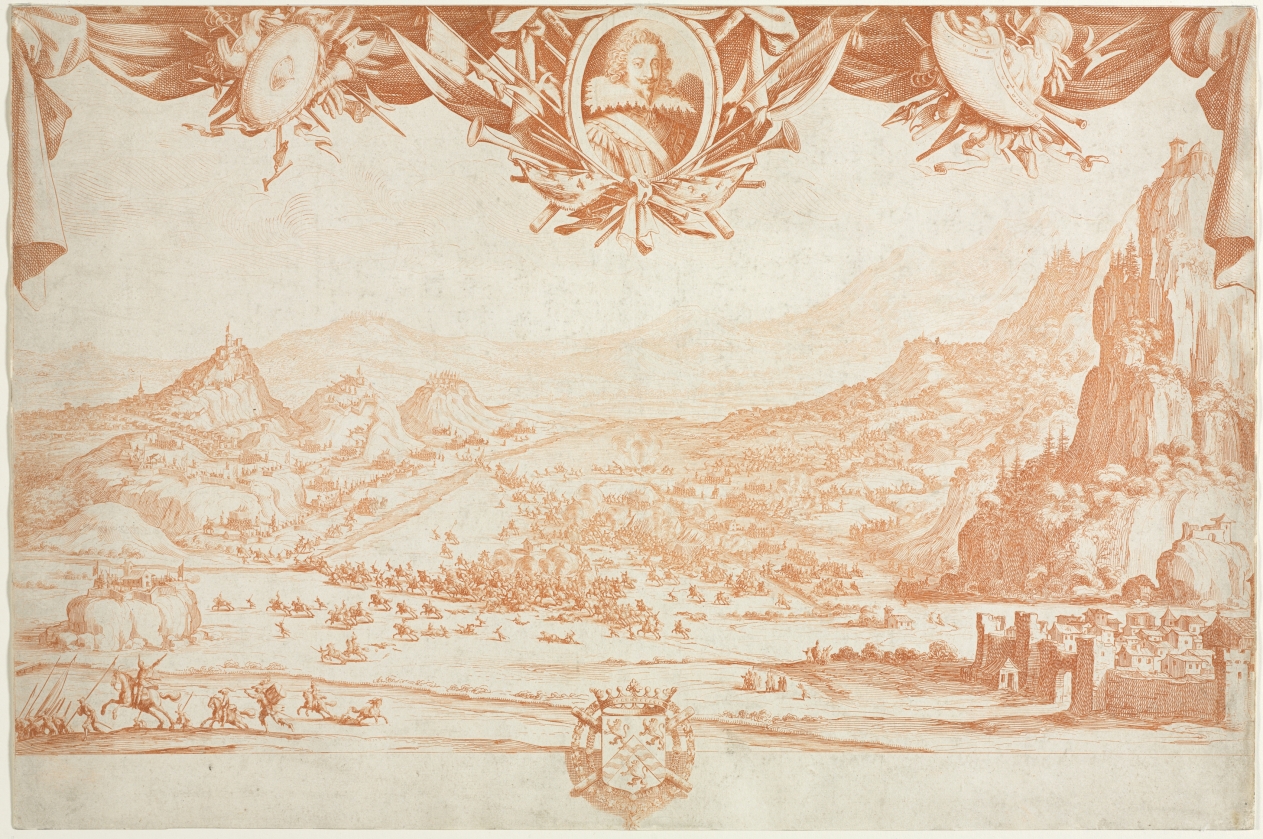 The Combat of Avigliamo
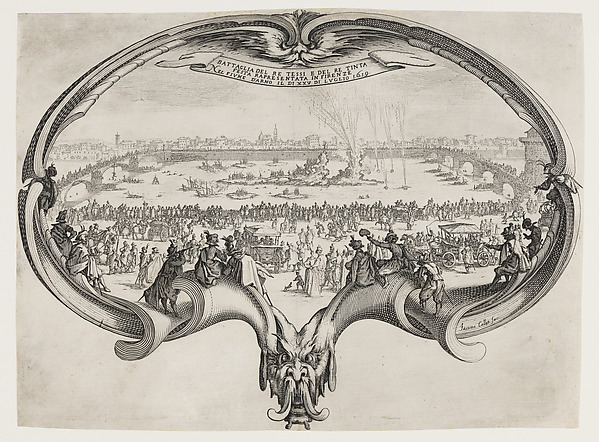 The Feast of Saint James, Florence, July 25, 1619
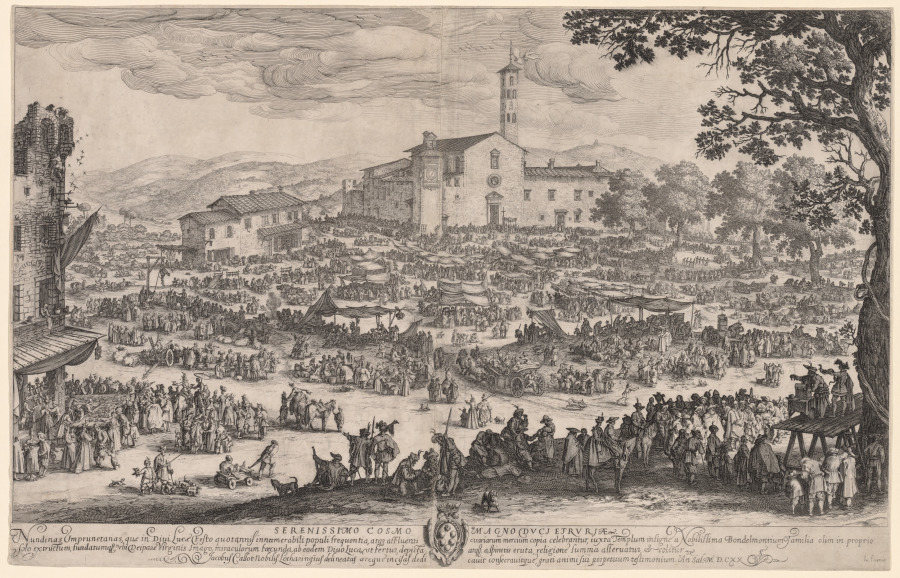 The Fair at Impruneta
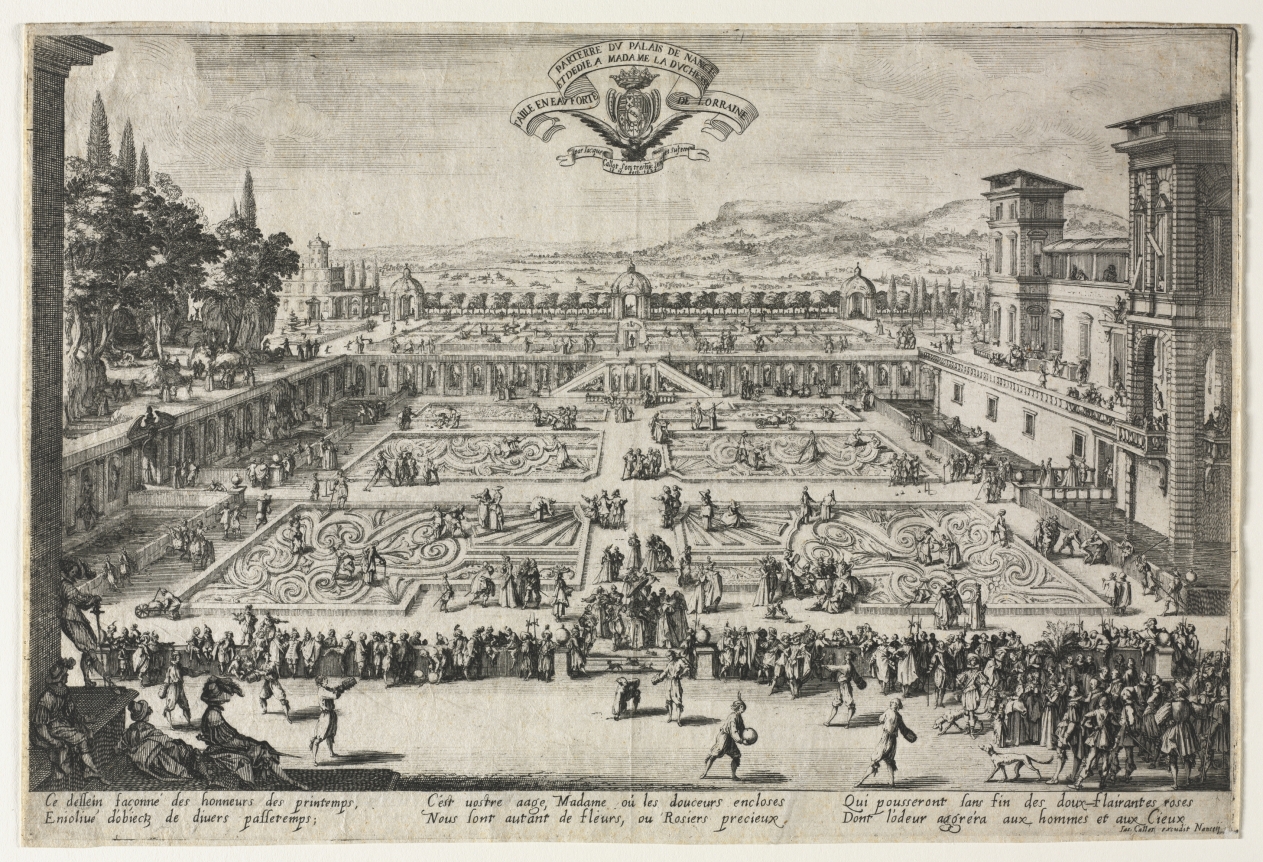 The Palace Gardens at Nancy
 Les Miseres Et Les Mal-Heurs De La Guerre...Israel
 The Temptation of Saint Anthony (second version)
 Franca Trippa - Fritellino, from the Balli di Sfessania
More like this
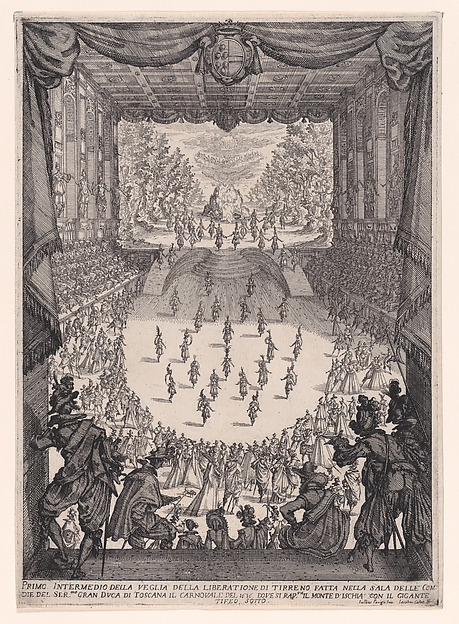 Jacques Callot|Giulio Parigi — 1er Intermède (1st Interlude)
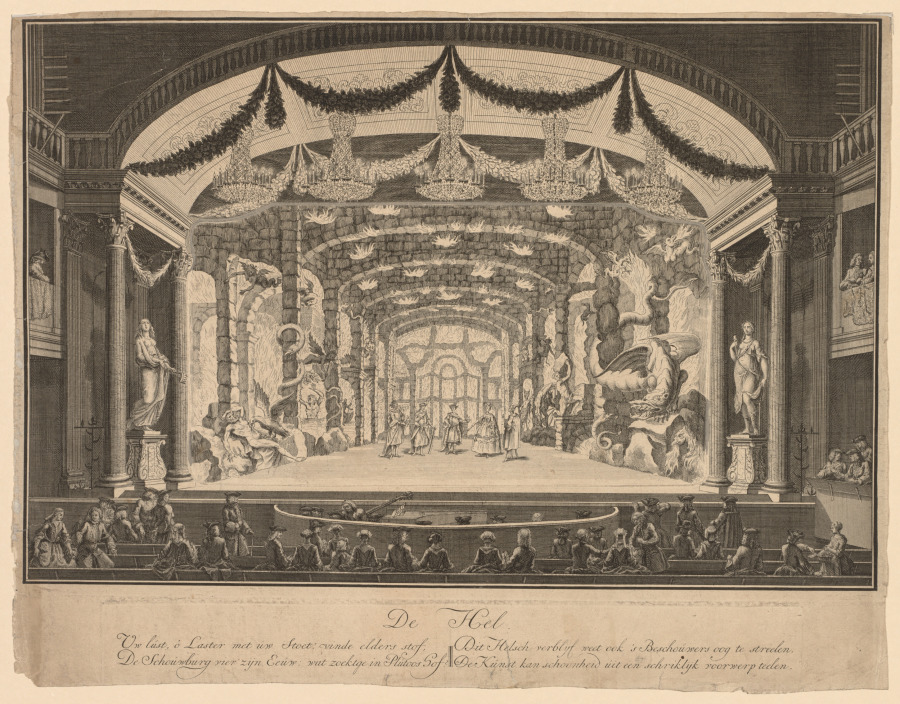 Inferno
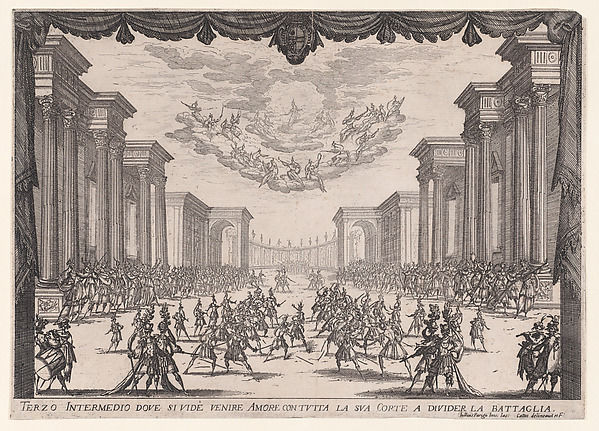 Jacques Callot|Giulio Parigi — 3e Intermède (3rd Interlude),
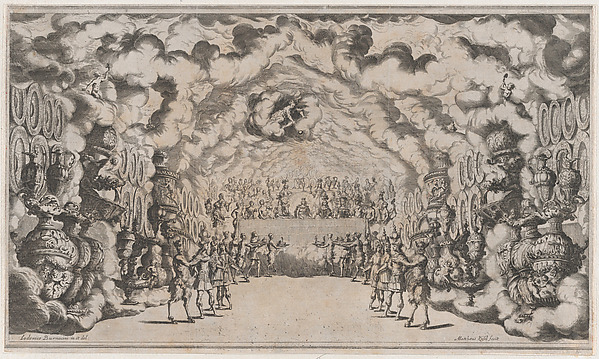 Ludovico Ottaviano Burnacini|Mathäus Küsel — Kingdom of Jove
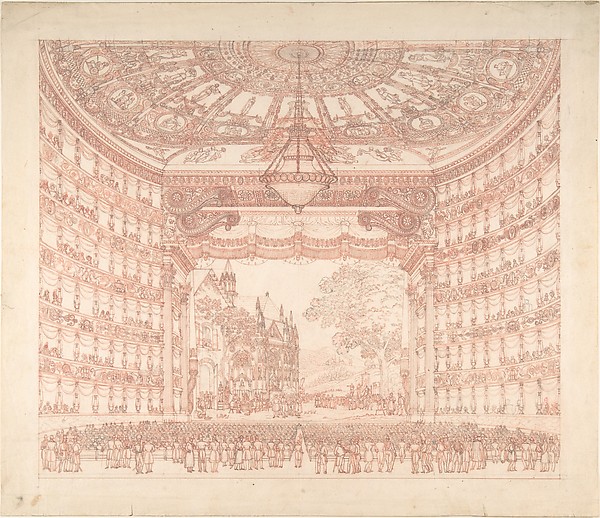 Anonymous, Italian, 19th century — Stage Set with Peasants M
 Charles Nicolas Cochin II — Decoration de la salle de specta
 Stefano della Bella — Theater at Modena, seen from above and
 Stefano della Bella|Alfonso Parigi|Ferdinando II de' Medici,
 Charles-Nicholas Cochin, the younger — Decoration of the Hal
 Mathäus Küsel|Ludovico Ottaviano Burnacini — Arsenal of Mars
 Ludovico Ottaviano Burnacini|Mathäus Küsel — Men and women g
 Jean Le Pautre|Edme Martin — The Coronation of Louis XIV