FROM THE CLEVELAND MUSEUM OF ART’S CATALOG
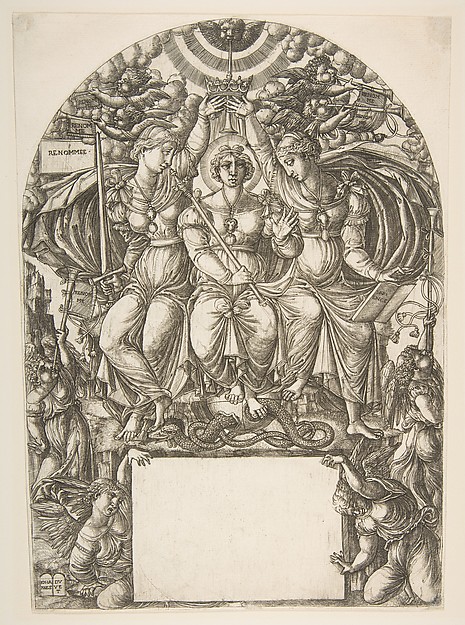
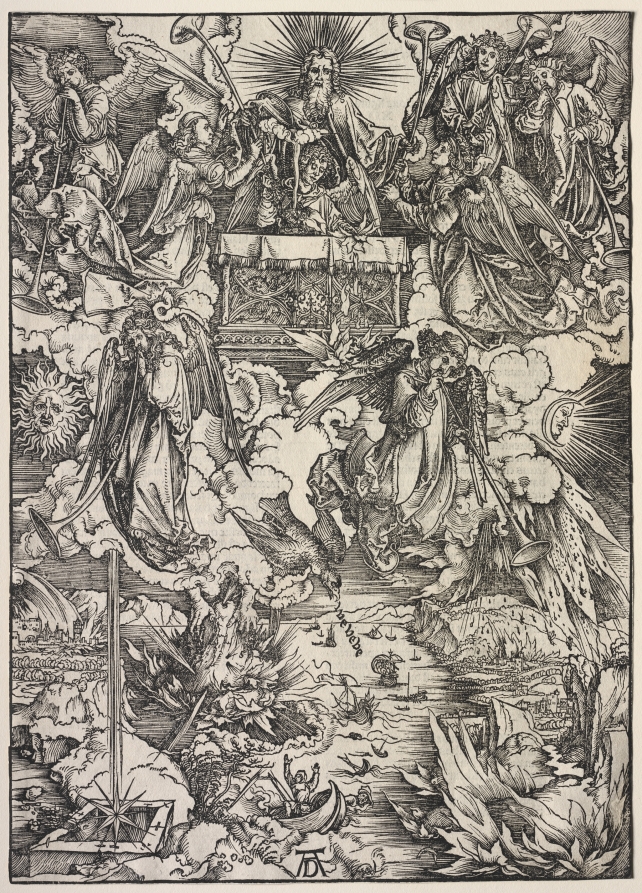
This print is part of a bound volume of works illustrating the a narrative of the Apocalypse, taken from the Revelation of Saint John in the Bible. The 23 engravings in the series occupied the artist for a number of years and represent his greatest artistic achievement. The museum's volume is one of only seven known complete sets. Jean Duvet was one of the first major printmakers in France and one of the most original artists of the 1500s. Although he worked mostly in the provincial city of Langres, he became aware of Italian art through the circulation of prints—notably those of Marcantonio Raimondi. His solidly modeled human figures reflect the influence of the Italian High Renaissance. Duvet, however, developed an idiosyncratic, highly artificial style with crowded compositions that ignore rational space in favor of ornamental surface patterns.
Source ↗︎
Be the first to share your thoughts.
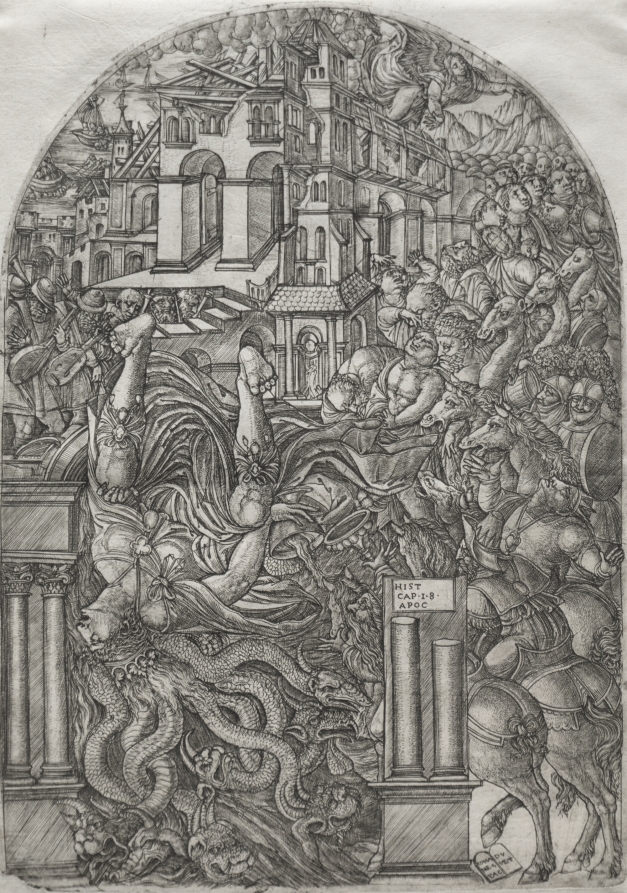 The Fall of Babylon
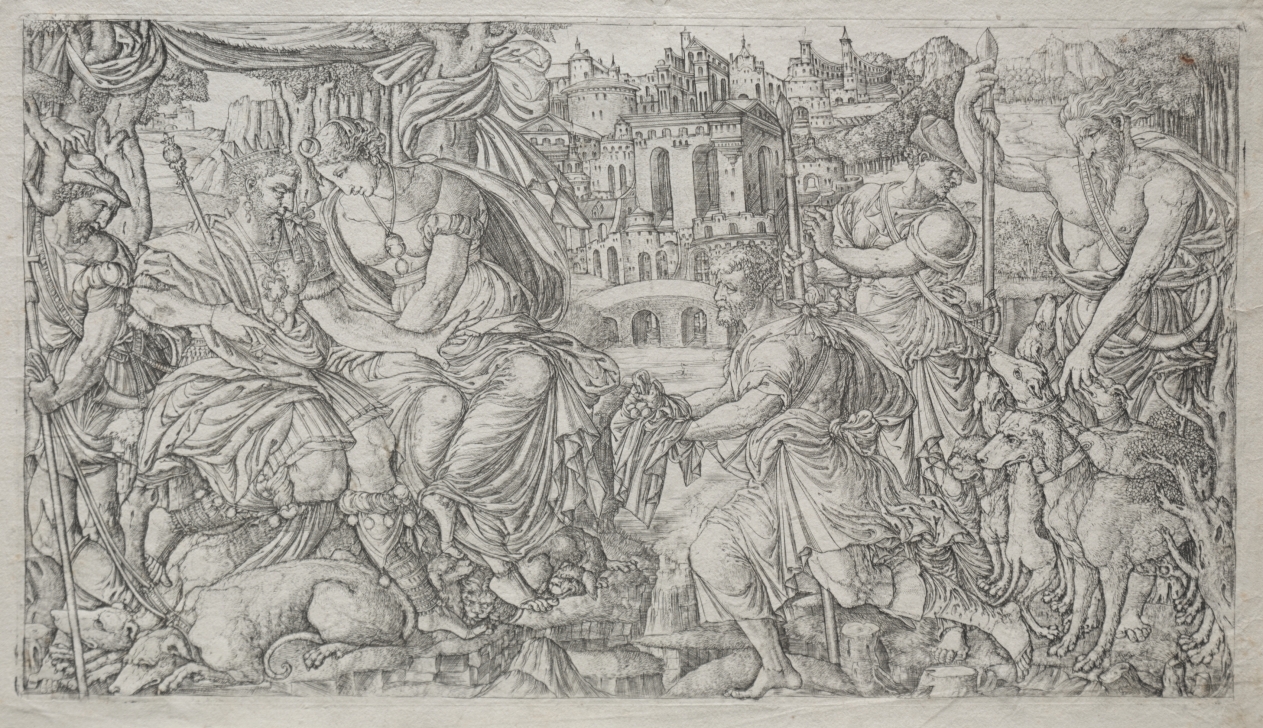 Huntsman Presenting a Gift to a King
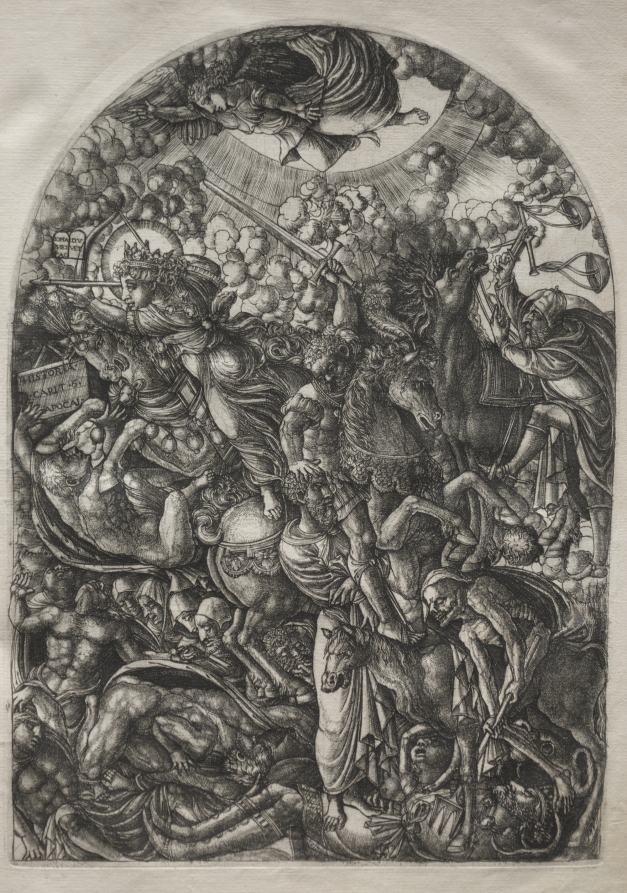 The Apocalypse: St. John Sees the Four Riders
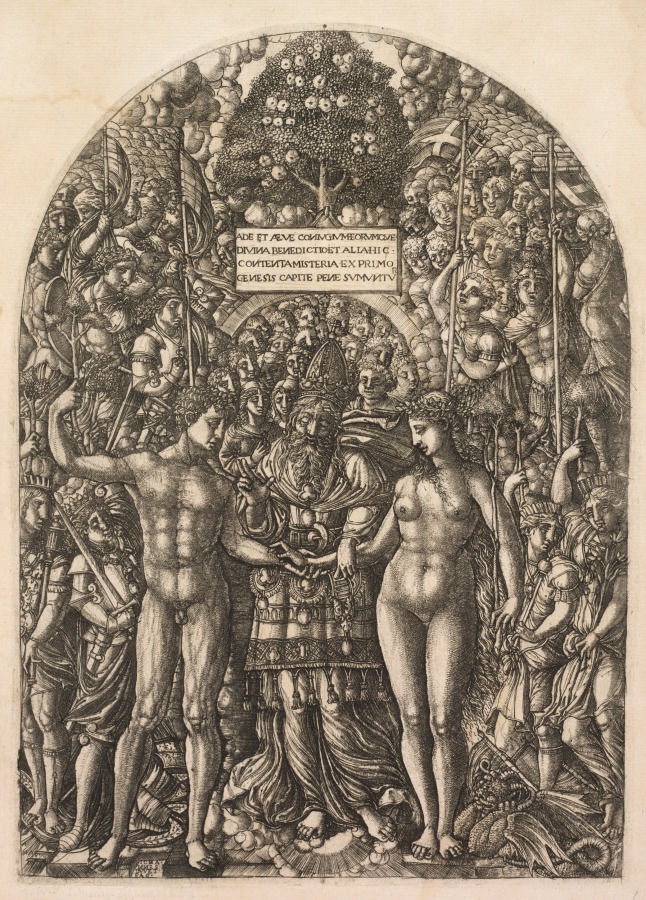 Marriage of Adam and Eve
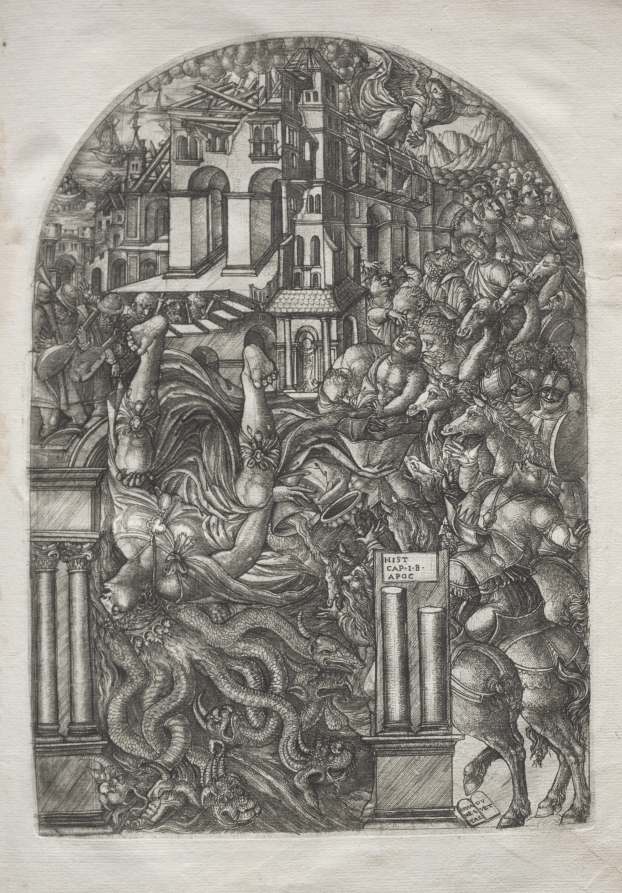 The Apocalypse: The Fall of Babylon
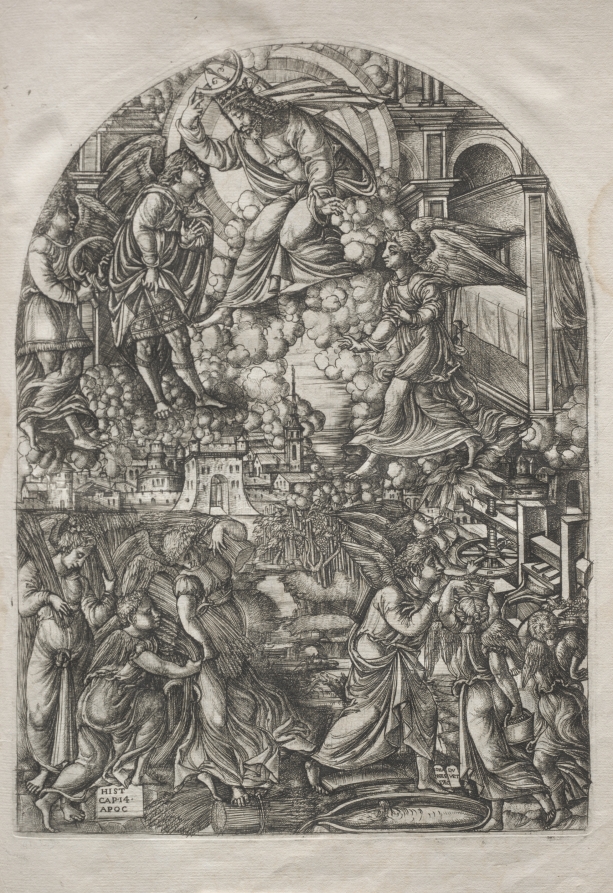 The Apocalypse: The Winepress of the Wrath of God
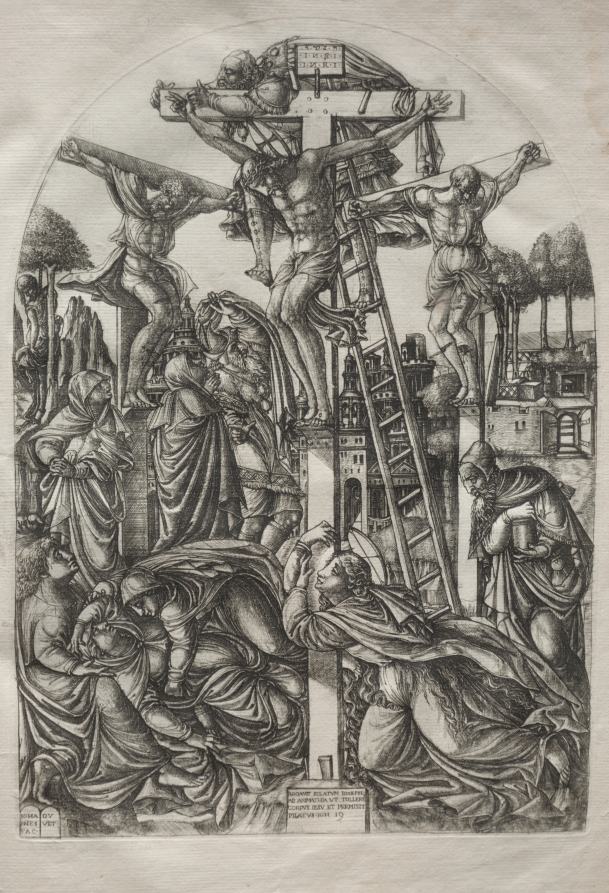 Christ on the Cross between the Two Thieves
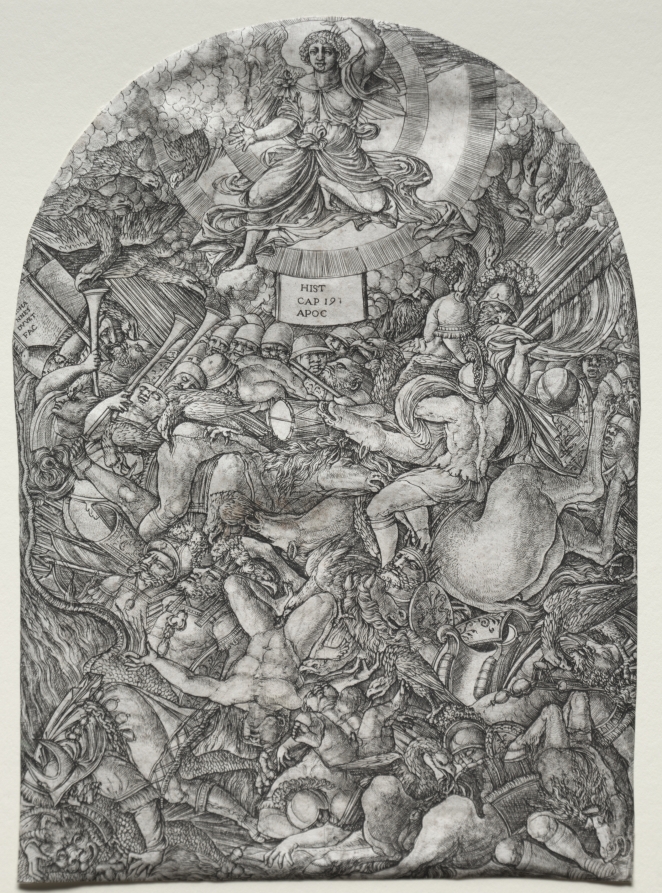 The Apocalypse: The Angel in the Sun Calling the Birds of Pr