The Dancers with a Flute and a Tamborine, from The Caprices
SEE IT IN PERSON
Not currently on view
In the collection of Art Institute of Chicago, Chicago · as of July 2026
Discussion
FROM THE ART INSTITUTE OF CHICAGO’S CATALOG
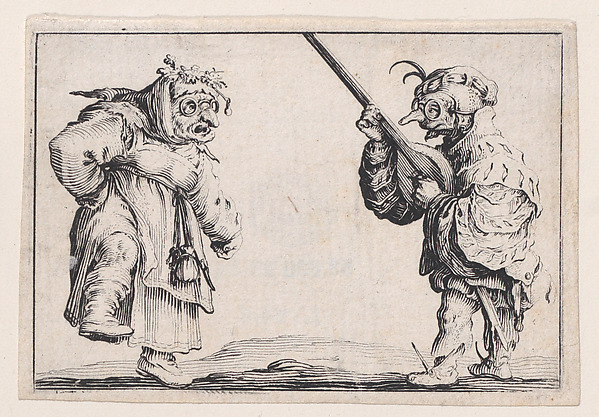
In the 17th century, the word capriccio generally indicated a musical composition that thwarted listeners’ expectations with sudden changes in tempo, rhythm, or structure that appeared to be made according to the performer’s whim, or caprice. Jacques Callot borrowed the term to describe a series of etchings with a wide variety of diverting subjects including peasants, architectural sites, military maneuvers, and musicians. Among other motifs, he depicted two pairs of dancers frolicking and playing musical instruments and a shepherd playing a flute.
Be the first to share your thoughts.
Sign in to join the discussion.
More by Jacques Callot
 Sketches for the Balli di Sfessania (recto) Sketches of Danc
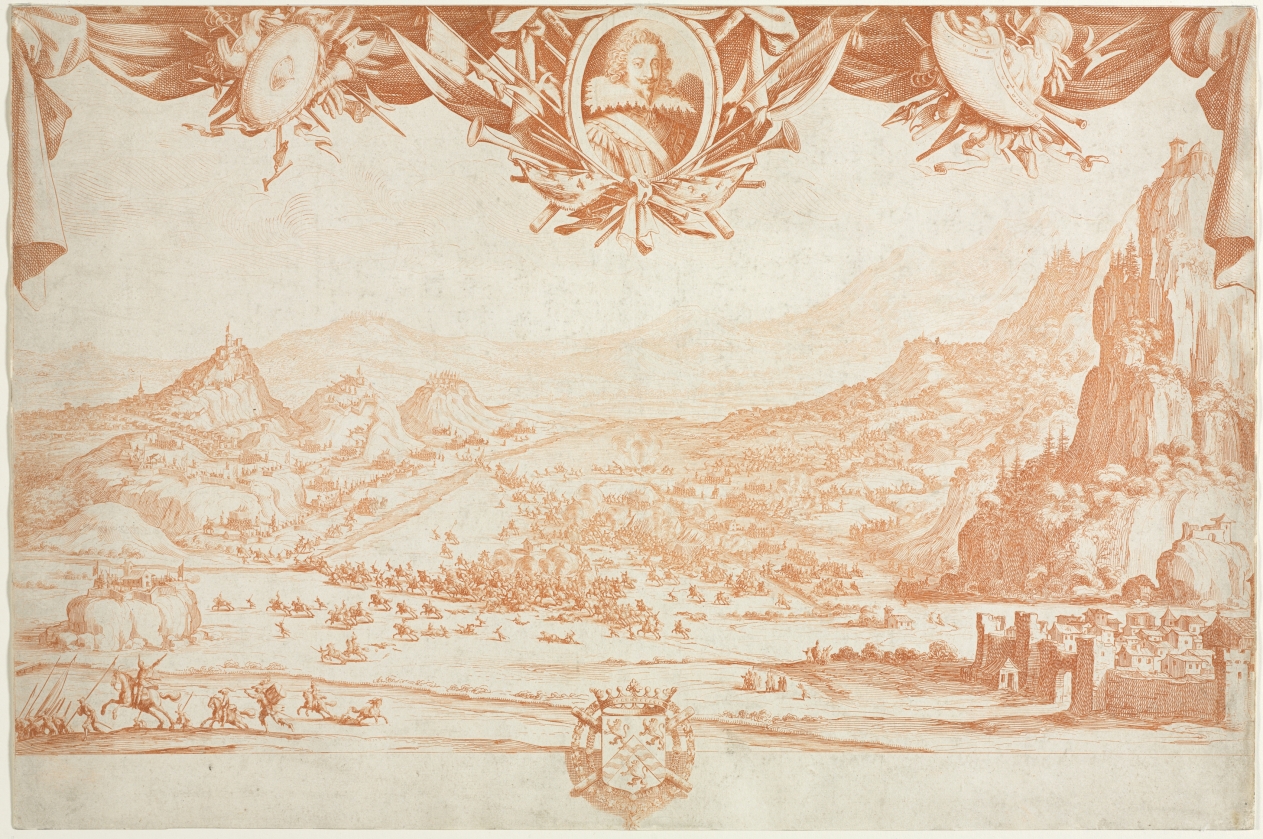 The Combat of Avigliamo
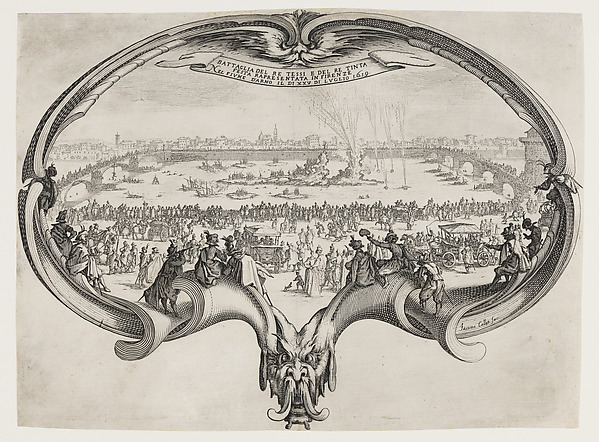 The Feast of Saint James, Florence, July 25, 1619
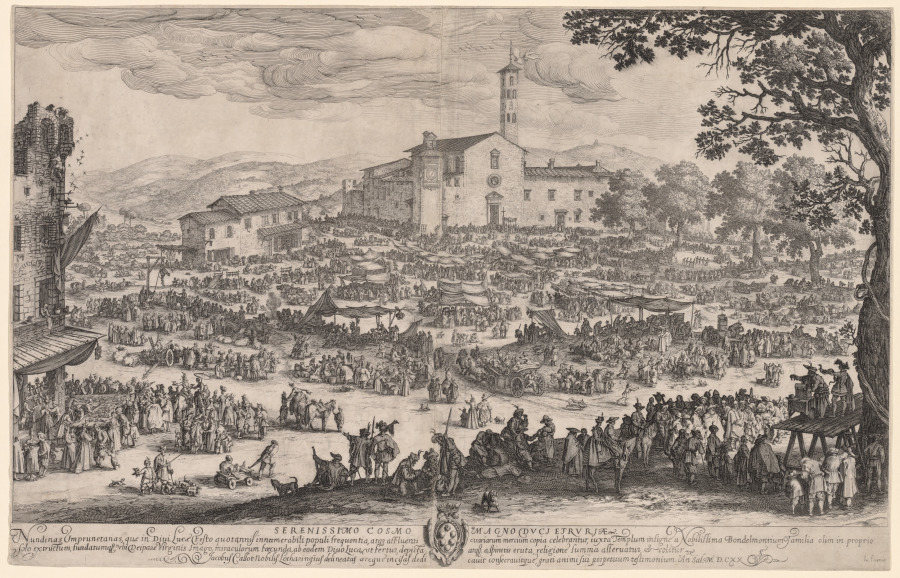 The Fair at Impruneta
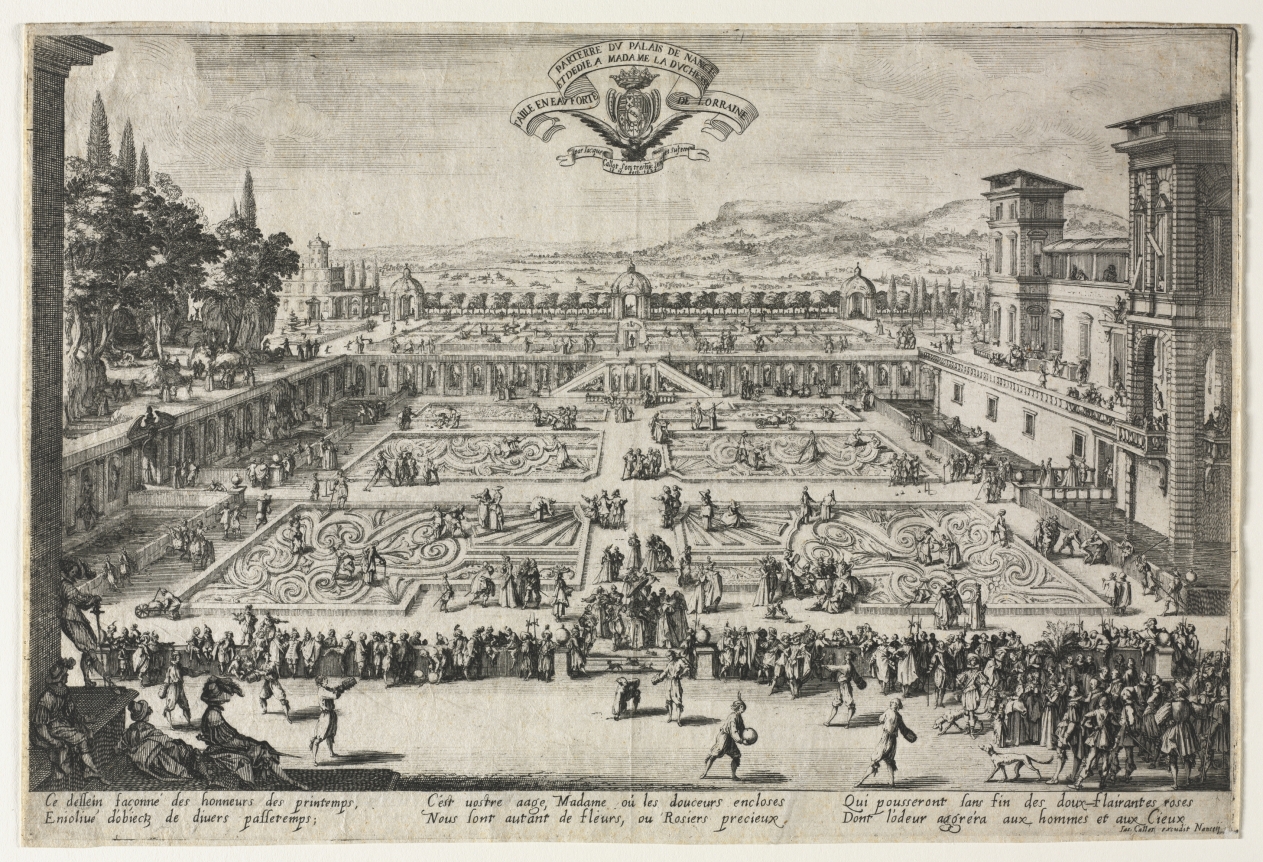 The Palace Gardens at Nancy
 Les Miseres Et Les Mal-Heurs De La Guerre...Israel
 The Temptation of Saint Anthony (second version)
 Franca Trippa - Fritellino, from the Balli di Sfessania
More like this
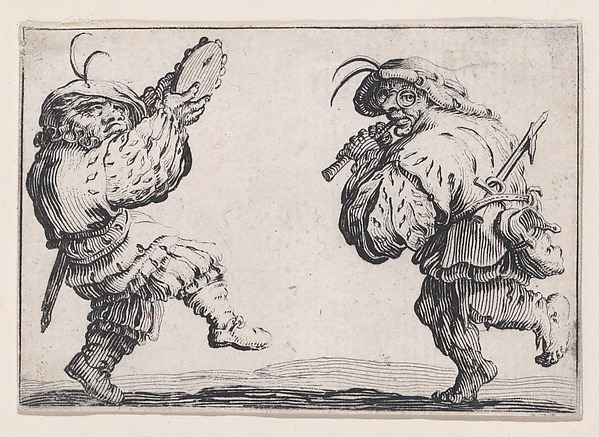 Jacques Callot|Lorenzo de' Medici — Les Danseurs a la Flute
 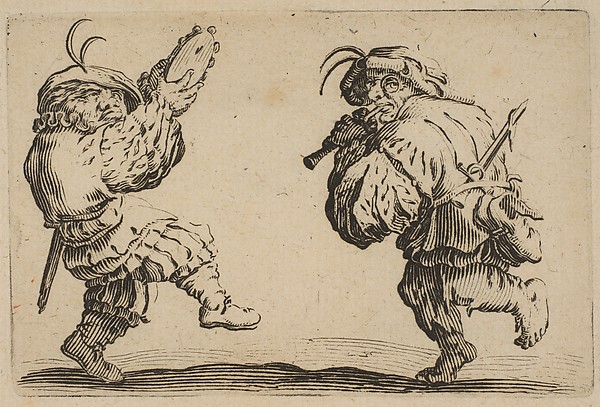 Jacques Callot|Lorenzo de' Medici — Les Danseurs a la Flute
 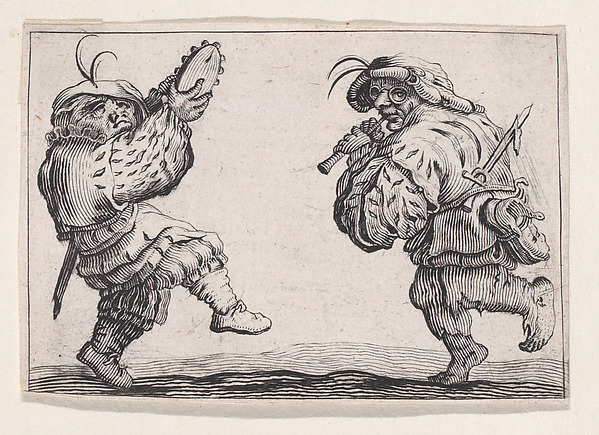 Anonymous|Jacques Callot — Copy of Les Danseurs a la Flute e
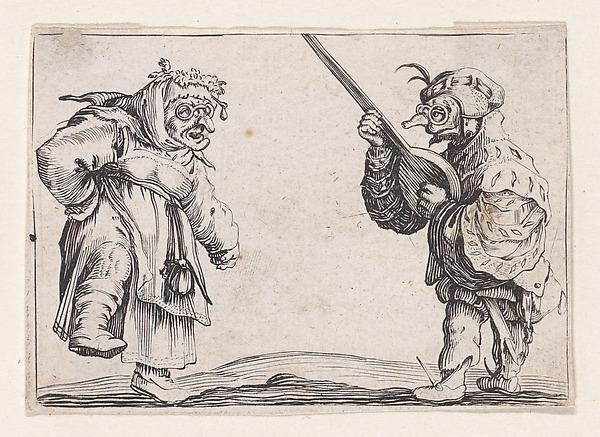 Anonymous|Jacques Callot — Copy of Les Danseurs Au Luth (The
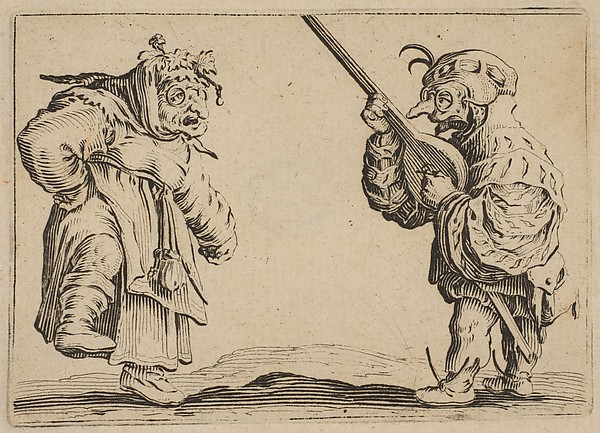 Jacques Callot|Lorenzo de' Medici — Les Danseurs au Luth (Th
 Jacques Callot|Lorenzo de' Medici — Les Danseurs Au Luth (Th
 Jacques Callot|Lorenzo de' Medici — L'Homme qui Court (The R
 Jacques Callot|Lorenzo de' Medici — L'Homme qui Court (The R
 Jacques Callot|Lorenzo de' Medici — L'Homme Qui Court (The R
 Filippo Napoletano — Soldier in Profile Holding a Pike, from
 Jacques Callot|Lorenzo de' Medici — Le Gentilhomme a la Gran
 Cornelis Dusart — An Itinerant Peddler in a Village