Coast of Maine
SEE IT IN PERSON
Not currently on view
In the collection of Art Institute of Chicago, Chicago · as of July 2026
Discussion
FROM THE ART INSTITUTE OF CHICAGO’S CATALOG
Winslow Homer observed the shoreline in various weather conditions and seasons after moving to live in near isolation in Prouts Neck, Maine, in 1883. Amid the remote and dramatic landscape, he depicted seascapes void of human life, focusing instead on an emotional response to nature. His marine scenes are larger than his earlier works, the size of the canvases emphasize the vastness and power of the sea. Homer alluded to the violence of water through the sharply diagonal shoreline and vigorous brushwork. The flat areas of color that he employed to represent the rugged rocks simultaneously hint at abstraction.
Be the first to share your thoughts.
Sign in to join the discussion.
More by Winslow Homer



More like this
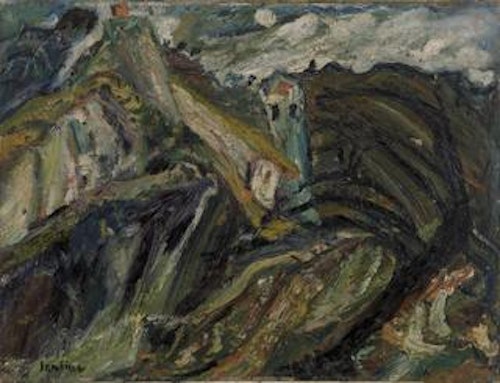 Chaim Soutine — Landscape of the South of France (Paysage du
 Jasper Francis Cropsey — Blasted Tree
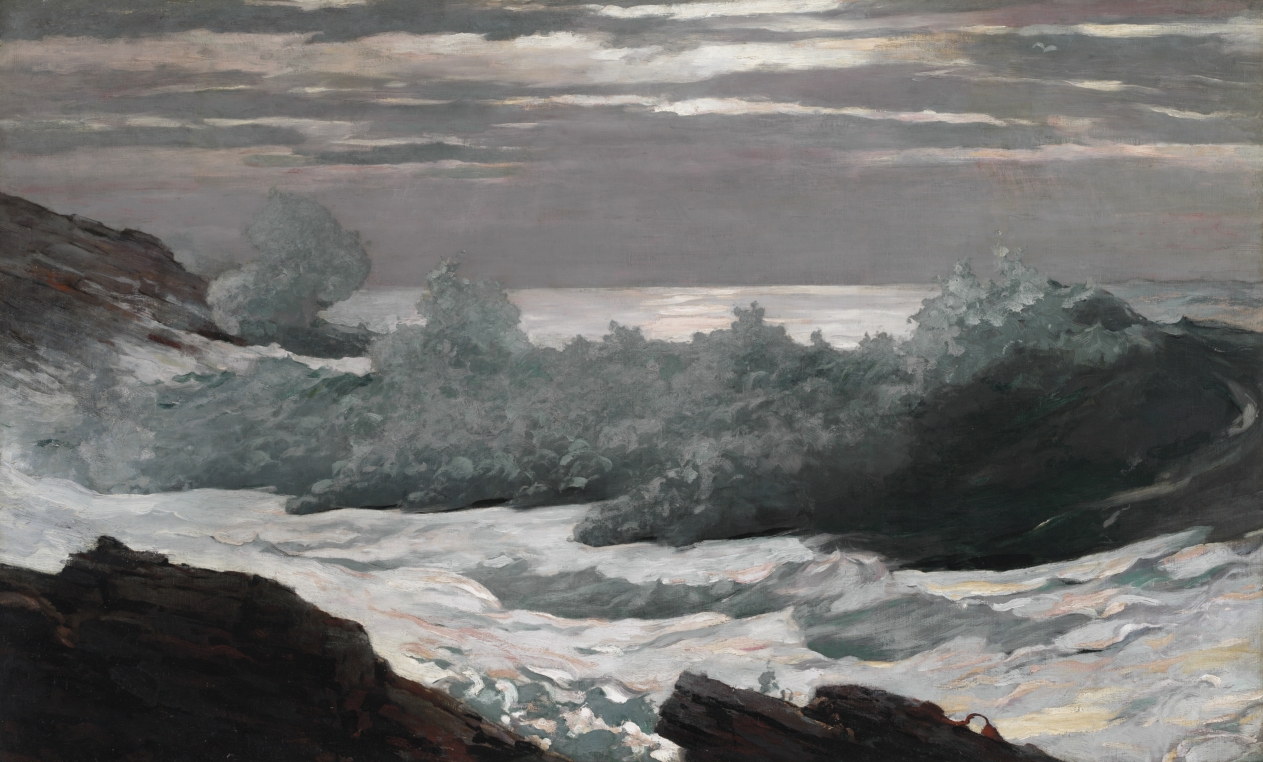 Winslow Homer (American, 1836–1910) — Early Morning After a
  Jules Dupré — Two Boats in a Storm
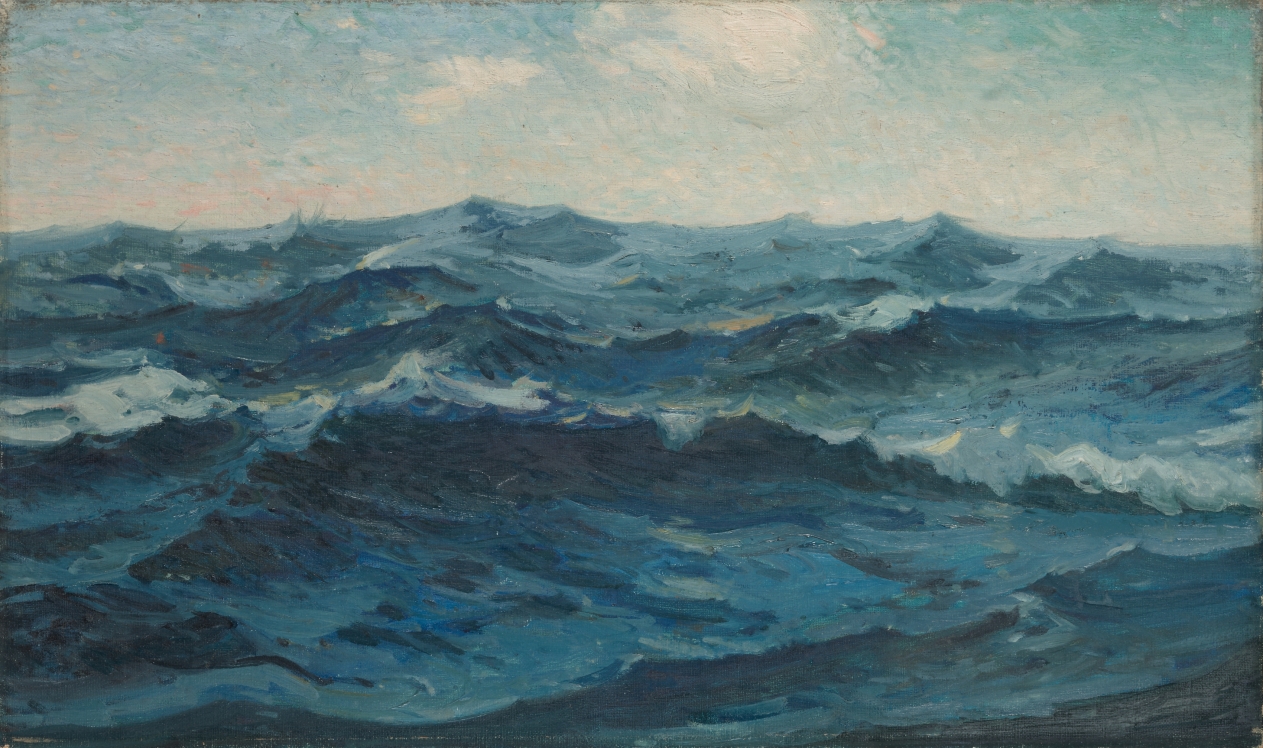 Frank K. M. Rehn (American, 1848–1914) — An October Day
 Henri Leopold Lévy — The Death of Orpheus
 Gustave Courbet — Marine: The Waterspout
 David Gilmour Blythe — Old Virginia Home
 William Keith — Landscape
 Johannes Tavenraat — Sand Excavation
 John Constable — Landscape with Cottages
 Unknown — Wooded Landscape with Cows in Foreground