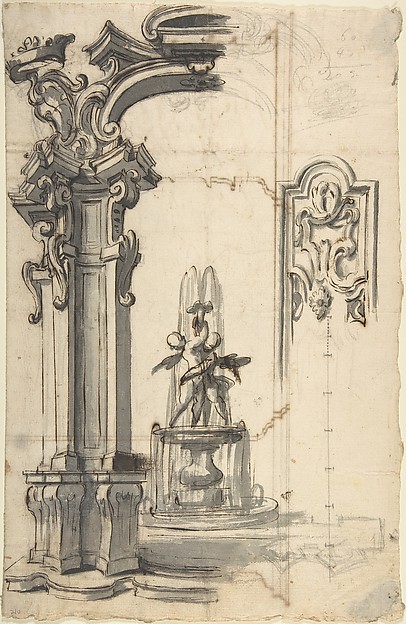
Pieter Verbruggen the Younger|Anonymous, Flemish, 17th century|Michiel van der Voort

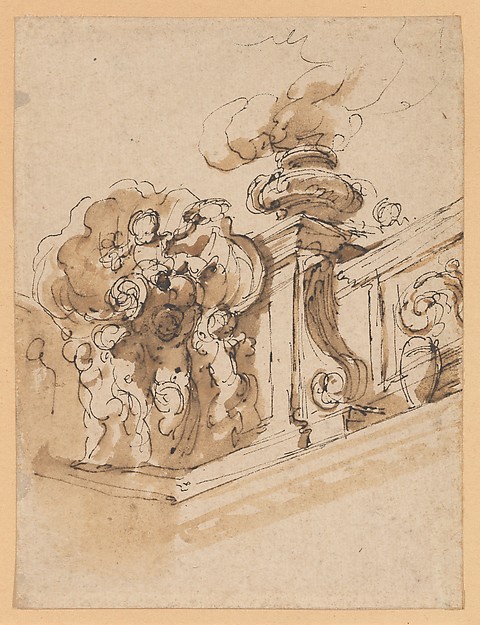
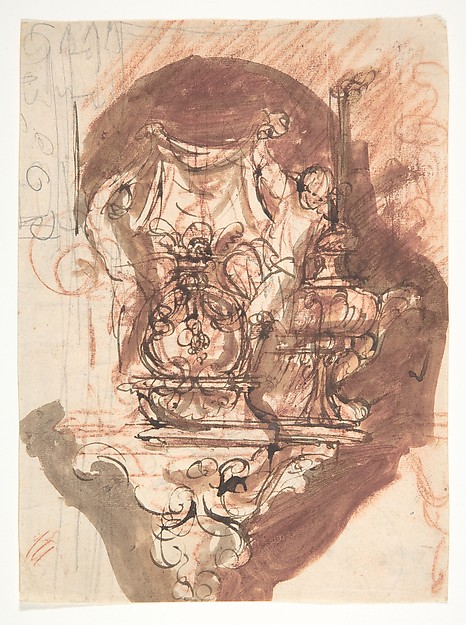
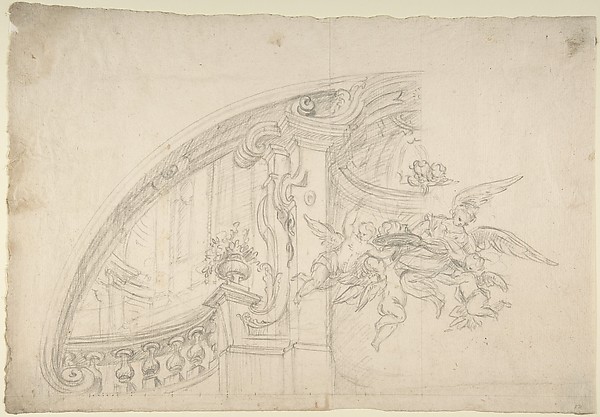
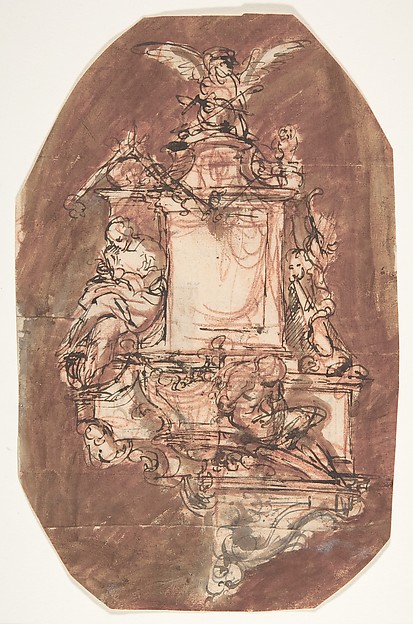
Design for a sepulchral monument with a portrait bust; verso: Design for a reliquary (?)

late 17th–early 18th century
Pen and brown ink, red chalk, brown and red wash, over black chalk or graphite; verso: black chalk or graphite
19.1 × 11 cm (7.5 × 4.3 in)

SEE IT IN PERSON

Not currently on view

In the collection of The Metropolitan Museum of Art, New York · as of July 2026

View at metmuseum.orgPlan a visit ↗

Discussion

Be the first to share your thoughts.

Sign in to join the discussion.

Community guidelines

More by Pieter Verbruggen the Younger|Anonymous, Flemish, 17th century|Michiel van der Voort
Design for a sepulchral monument with a seated female figure; verso: Design for a statue of a standing male figure and fragment of a letterDesign for a sepulchral monument with a seated female figureDesign for a sepulchral monument with an allegory of Time; verso: Design for a sepulchral monumentDesign for a sepulchral monument with an allegory of Time; vDesign for a sepulchral monument with an allegory of Time; verso: Design for a columnDesign for a sepulchral monument with an allegory of Time; vDesign for a sepulchral monument; verso: Design for a monumentDesign for a sepulchral monument; verso: Design for a monumeDesign for a monument; verso: Architectural sketchesDesign for a monument; verso: Architectural sketchesDesign for a sepulchral monument; verso: Design for a sepulchral monumentDesign for a sepulchral monument; verso: Design for a sepulcDesign for a sepulchral monument; verso: Fragment of a letter and notesDesign for a sepulchral monument; verso: Fragment of a letteDesign for a sepulchral monument with Mary Magdalen and Saint Jerome; verso: Sketch (counterproof) and writing exercisesDesign for a sepulchral monument with Mary Magdalen and Sain
More like this

Design for a Stage Set with Two Thrones (Recto); Landscape (Verso)Anonymous, Italian, 19th century — Design for a Stage Set wiDesign for a Proscenium or Monumental AlcoveGiovanni Battista Foggini — Design for a Proscenium or MonumDesign for Interior Corner of a Frieze or a StairwellAnonymous, Italian, 17th or 18th century — Design for InteriDesign for a sepulchral monument; verso: Design for a sepulchral monumentAnonymous, Flemish, 17th century|Pieter Verbruggen the YoungStudies for a Sculpture with Figures of Prudence, Industry and Economy Supported by Slaves and an Oval Plaque with Cartouche; Separate Study for a Cupola (Recto). Studies for Figural Ornament (Verso).Giovanni Battista Foggini — Studies for a Sculpture with FigStudy for an Ornamental PanelJean Bernard Toro — Study for an Ornamental PanelDesign for an Overmantel or Door with a VariantAnonymous, French, 19th century — Design for an Overmantel oFragment of a Design for an Overdoor with Seated Angel Supporting Cartouche, and Seated Putto Holding Garland (recto); Fragments of a Cartouche? (verso)Anonymous, Italian, Roman-Bolognese, 17th century — FragmentDesign for a Sepulchral Monument Divided in Two Parts with Bas Relief Surmounted by Statues and Foliate Decoration Below.Guiseppe Colignon (Collignon) — Design for a Sepulchral MonuDesign for the Overmantel of a Chimneypiece with Bust of Pompilius NumaJames Thornhill — Design for the Overmantel of a ChimneypiecDesign for an Altar with the Annunciation in the Central PanelAnonymous, Italian, Piedmontese, 18th century — Design for aDesign for an Arch Through Which Is Seen a Fountain with Two Putti (recto); Design for an Architectural Structure (verso)Anonymous, Italian, Piedmontese, 18th century — Design for a