Autumn Maples with Poem Slips
SEE IT IN PERSON
Not currently on view
In the collection of Art Institute of Chicago, Chicago · as of July 2026
Discussion
FROM THE ART INSTITUTE OF CHICAGO’S CATALOG
In the seventeenth century Japanese aristocrats often composed and recited classical poetry while viewing foliage at appointed times of the year. During festivities, poems would be carefully written on patterned slips of paper (tanzaku) and tied to the branches of trees. In this screen, the premier court painter Tosa Mitsuoki described the inevitable transience of beauty by imagining the melancholy hours after the departure of the reveling courtiers, who had created poems with quotations of appropriate seasonal poetry from twelfth- and thirteenth-century anthologies inscribed on the narrow strips. The slips flutter in the gentle breeze, fastened to a maple bursting with red leaves in autumn. A companion screen, also in the Art Institute’s collection, depicts a cherry tree in full bloom in spring. The screens were either commissioned by or given to Empress Tōfukumon-in, a daughter of the Tokugawa shogun (military leader), who married the emperor Gomizunoo (reigned 1611–29). In an era otherwise marked by the feudal shogunate’s increasing control over imperial prerogatives, this royal couple encouraged a renaissance of courtly taste that nostalgically evoked early medieval aristocrati
Be the first to share your thoughts.
Sign in to join the discussion.
More by Tosa Mitsuoki


More like this
 Munja-Chaekgeori Screen (Character-Books Screen)
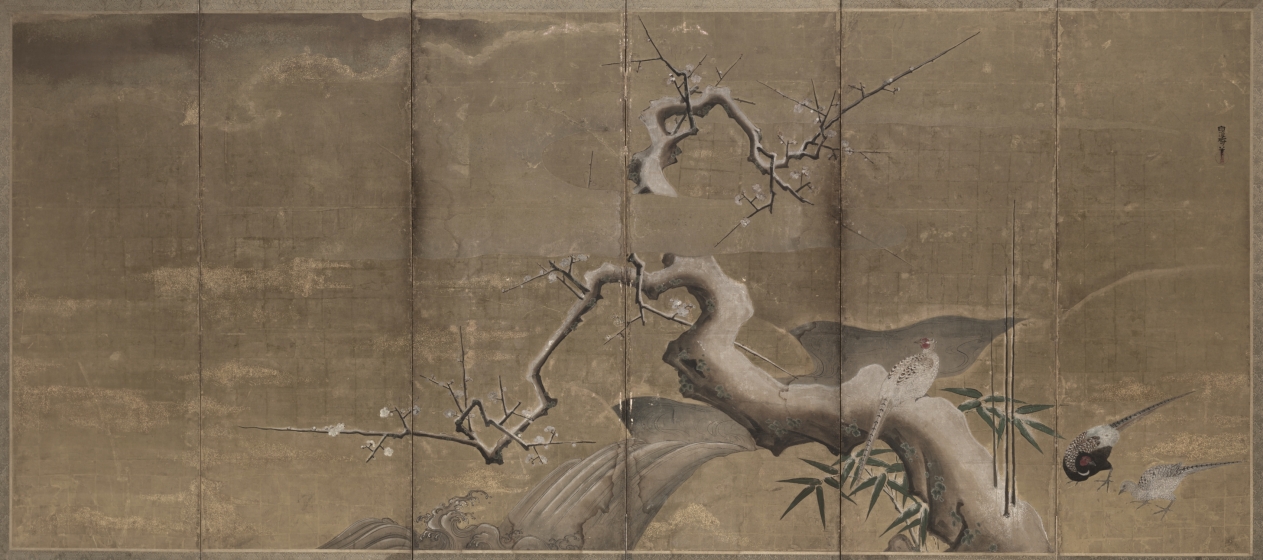 Kano Naonobu (Japanese, 1607–1650) — Winter Scene with Plum
  Artist unknown
Japanese, active 19th century — Baskets with
Artist unknown
Japanese, active 19th century — Baskets with 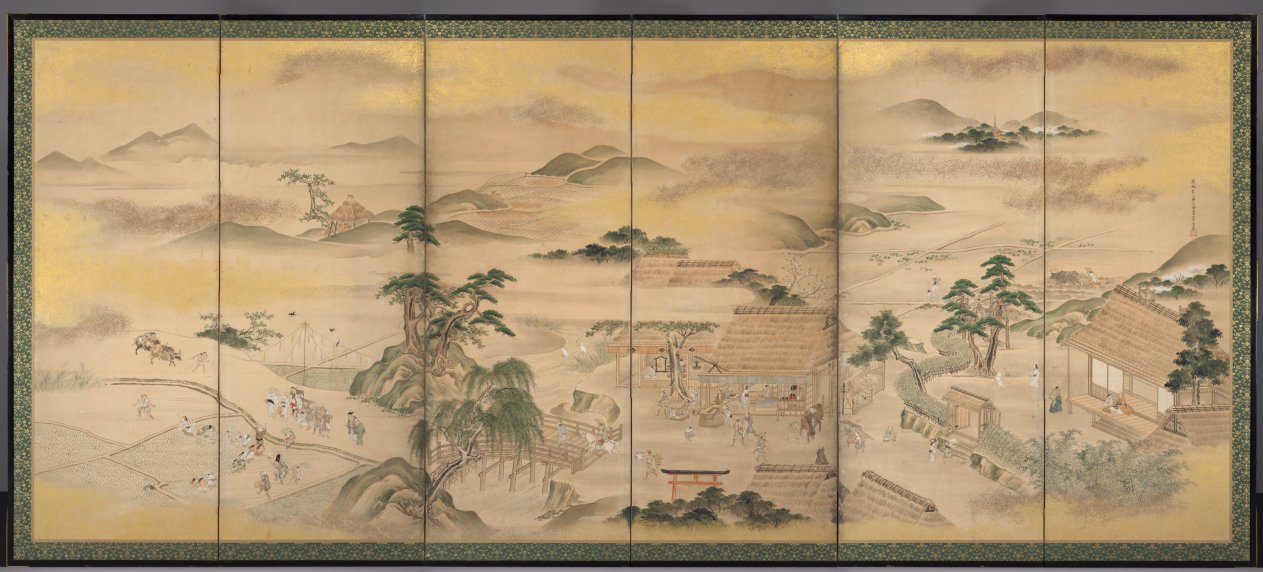 Kō Sūkoku (Japanese, 1730–1804) — Spring and Autumn Farming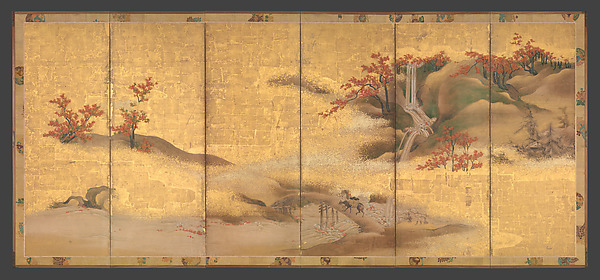
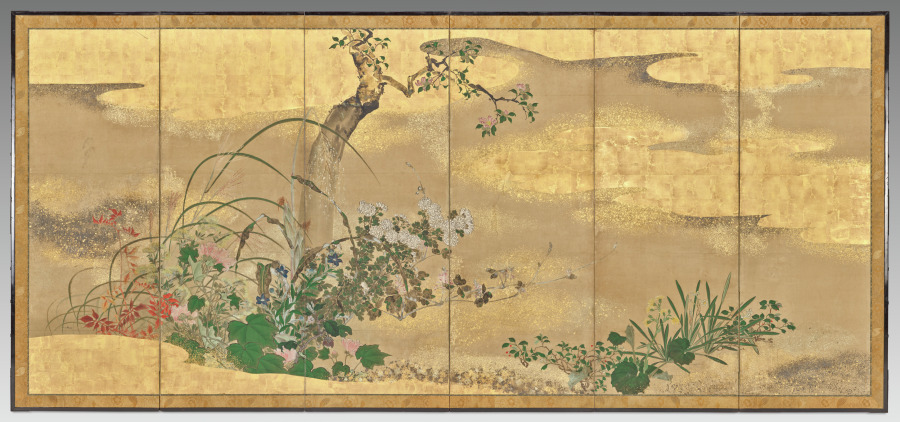 Watanabe Shikō (Japanese, 1683–1755) — Flowers and Trees of
 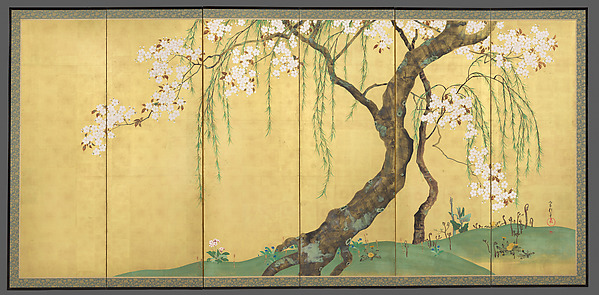 Sakai Hōitsu — 酒井抱一筆 桜楓図屏風|Cherry and Maple Trees
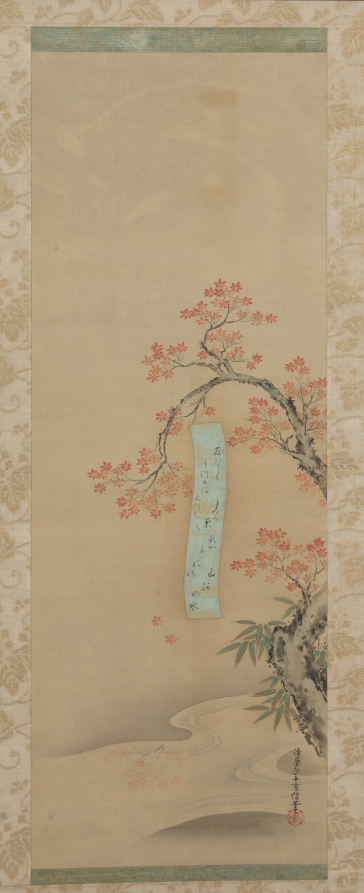 Kiyohara Yukinobu (Japanese, 1643–1682) — Autumn in Takao
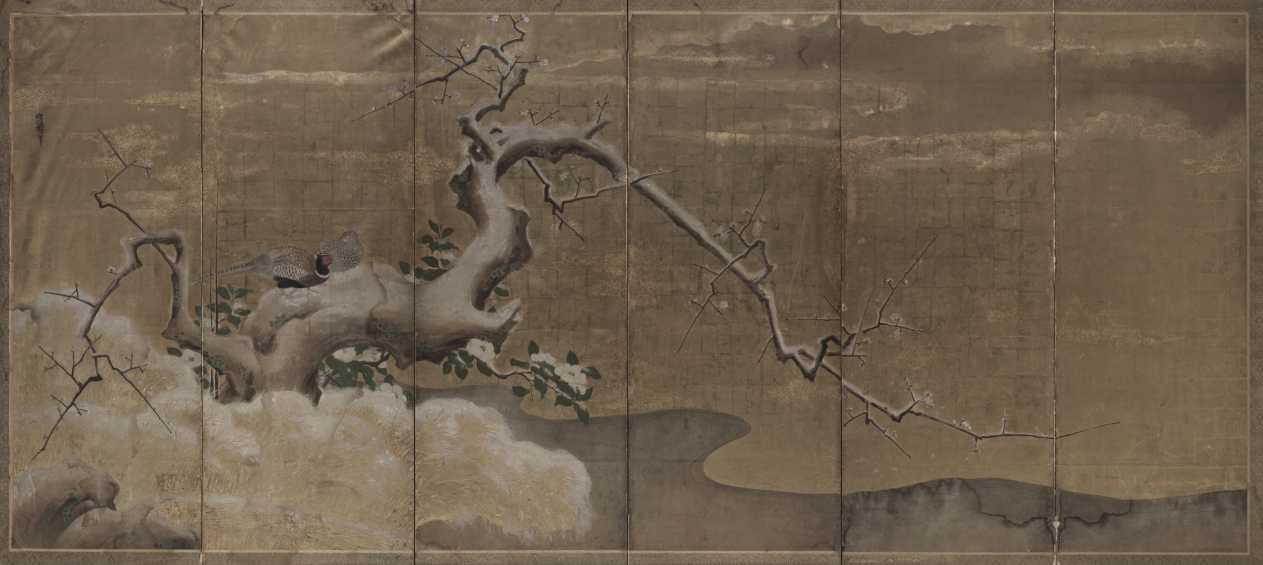 Kano Naonobu (Japanese, 1607–1650) — Winter Scene with Plum
 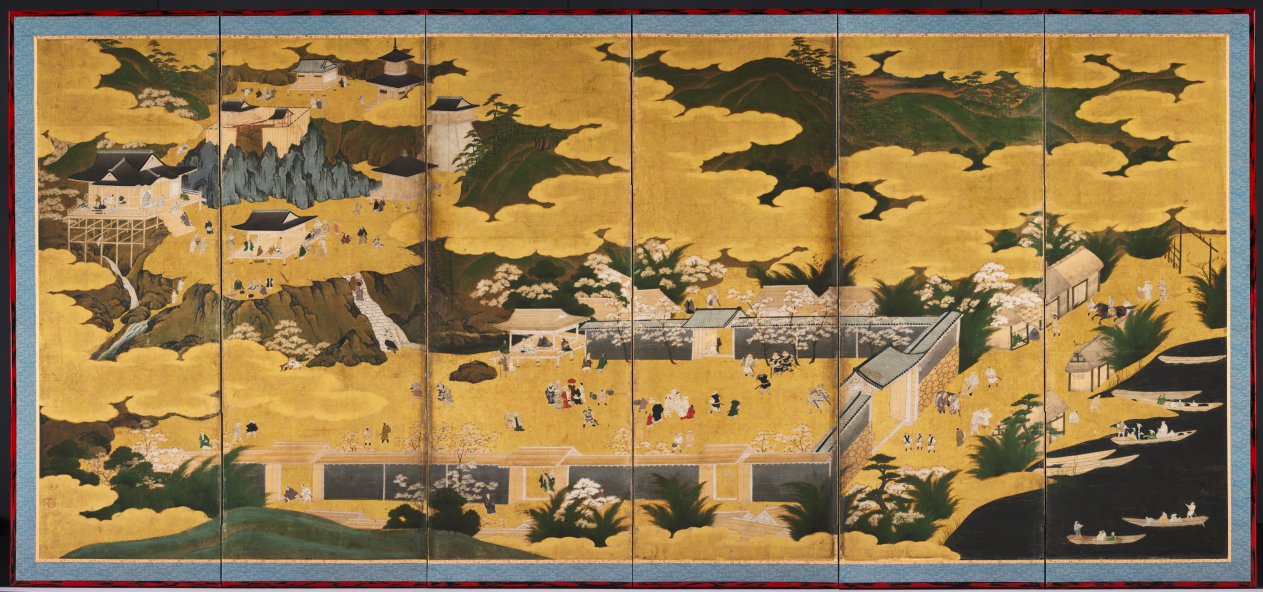 Famous Views of Ōmi
 Tosa School (Japanese) — Scenes from the Tale of Genji
 Choe Seok-hwan (Korean, active first half of 19th century) —