More like this
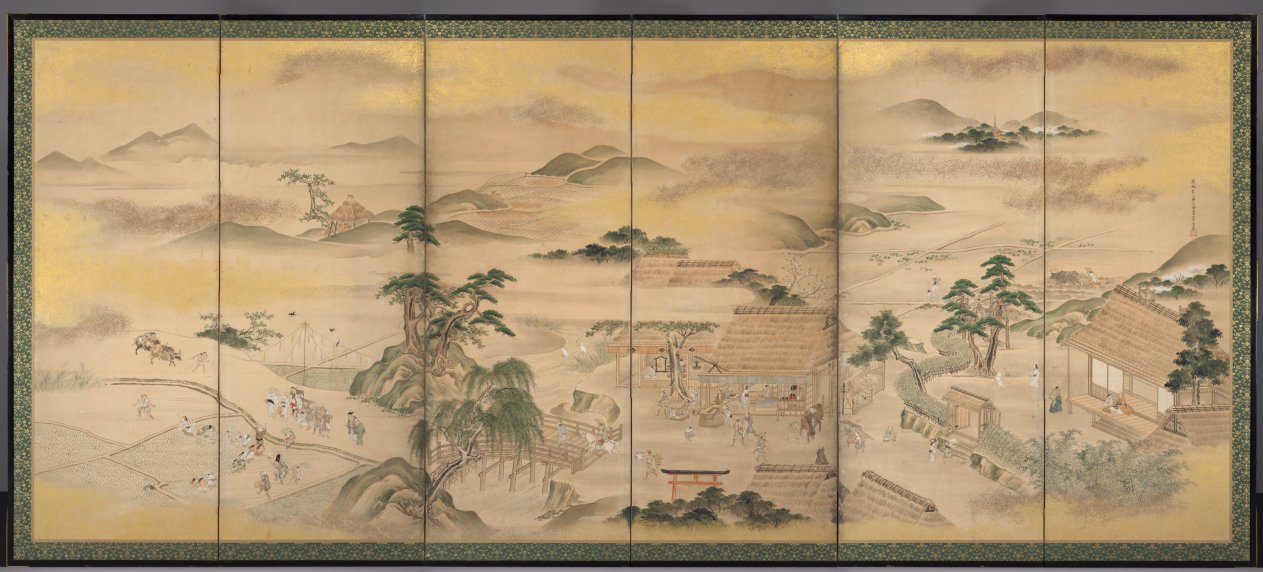 Kō Sūkoku (Japanese, 1730–1804) — Spring and Autumn Farming
 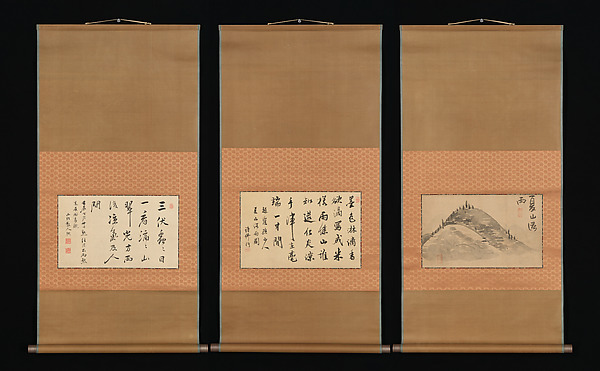 Shinozaki Shōchiku|Ike Taiga|Okubo Shibutsu
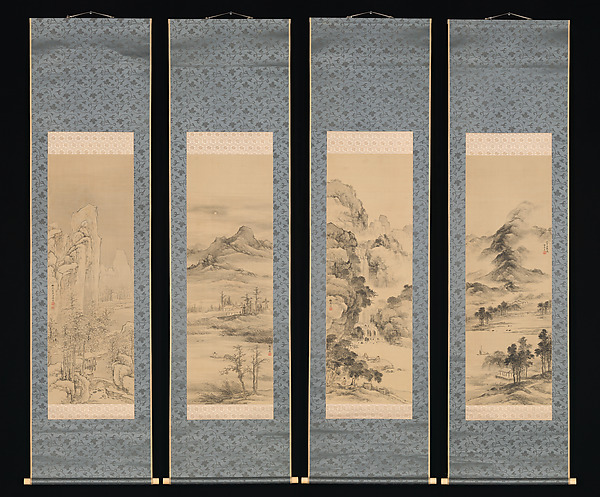 Yamamoto Baiitsu — 山本梅逸筆 四季山水図|Landscapes of the Four Season
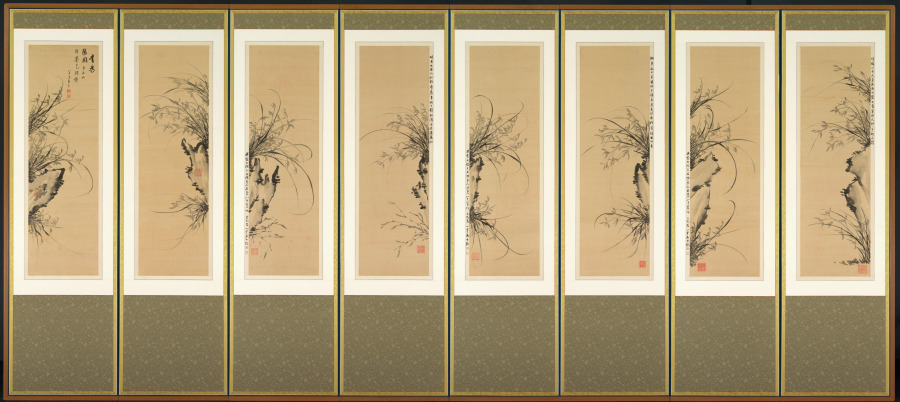 Yi Ha-eung (Korean, 1820–1898) — Orchids and Rocks
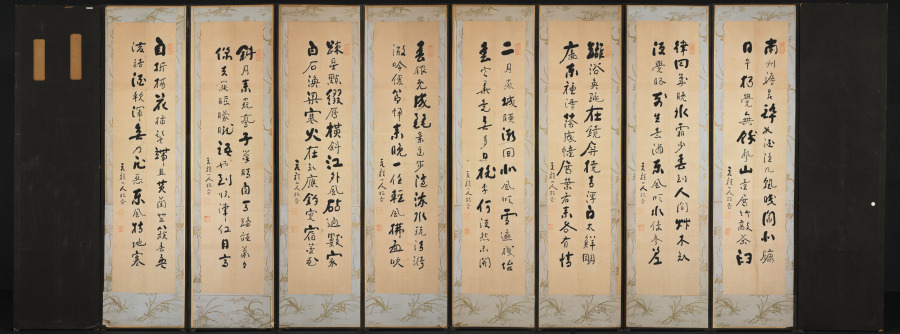 Calligraphy (reverse)
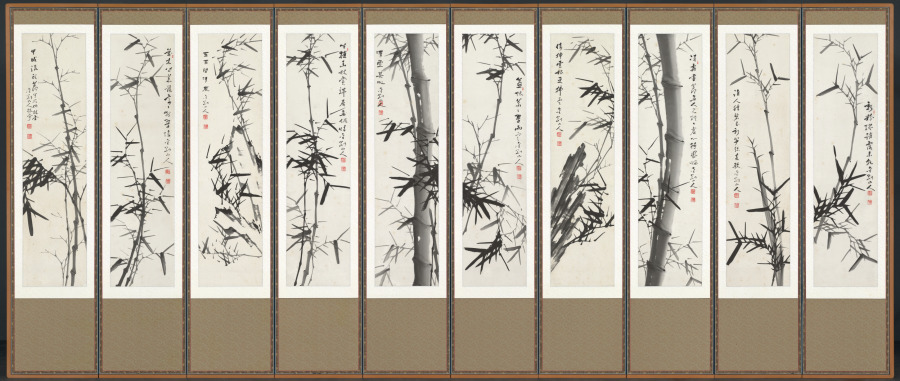 Kim Jin-woo (Korean, 1883–1950) — Bamboos in Wind
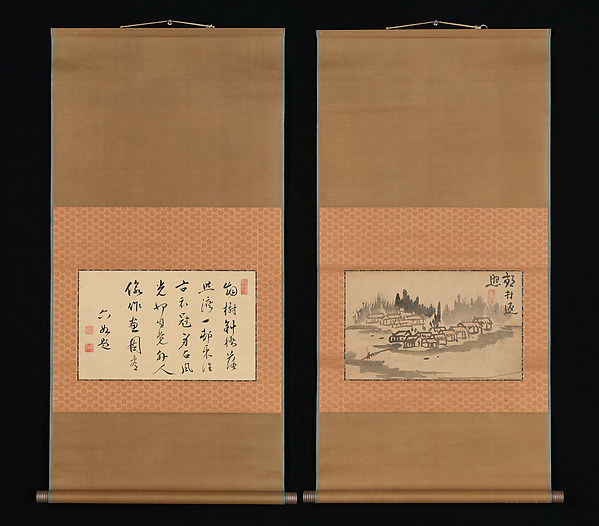 Rokunyo|Ike Taiga — 池大雅筆 「大雅堂画弁題詩」|Evening Glow in a Mountai
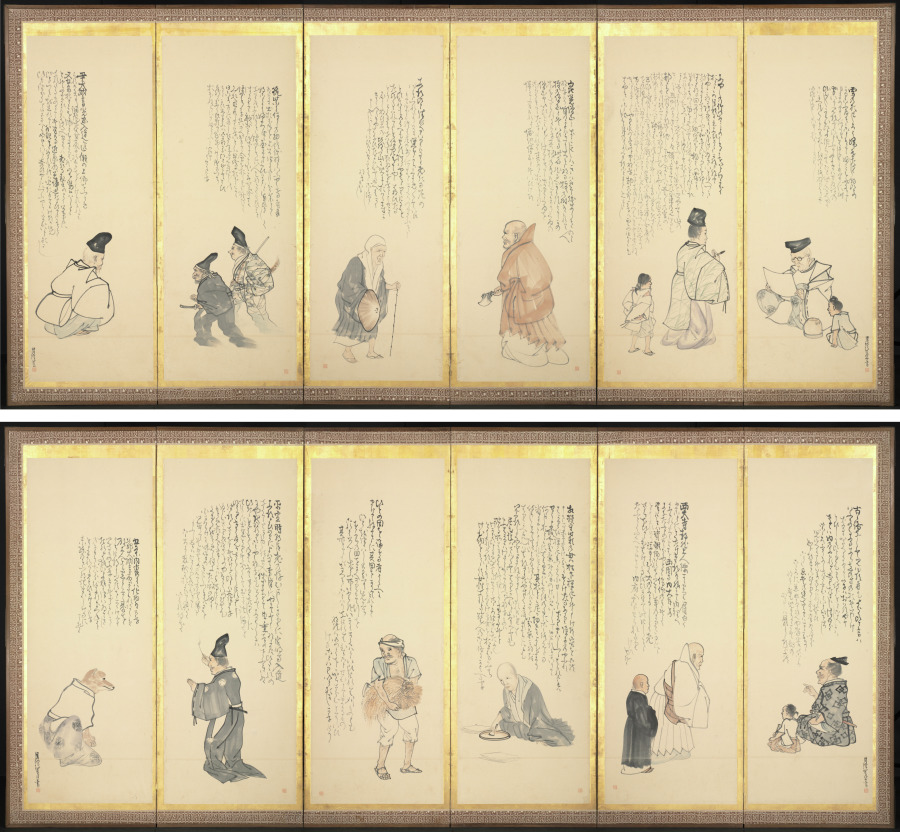 Matsumura Goshun (Japanese, 1752–1811) — Scenes from Essays
 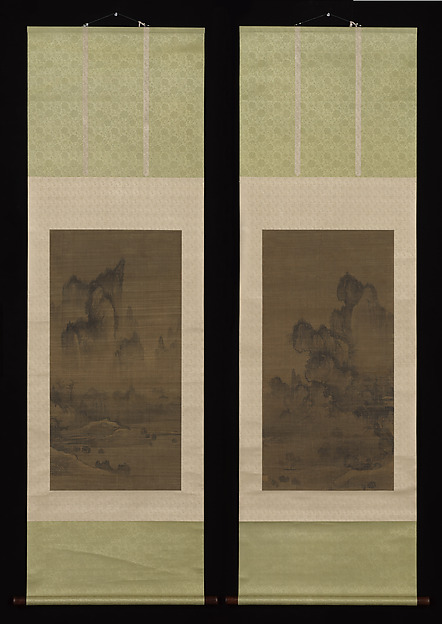 An Gyeon — 해질녘 산사의 종소리 조선|煙寺暮鍾圖 朝鮮|Evening bell from mist-sh
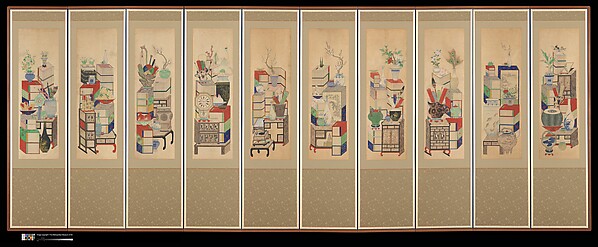 Unidentified artist
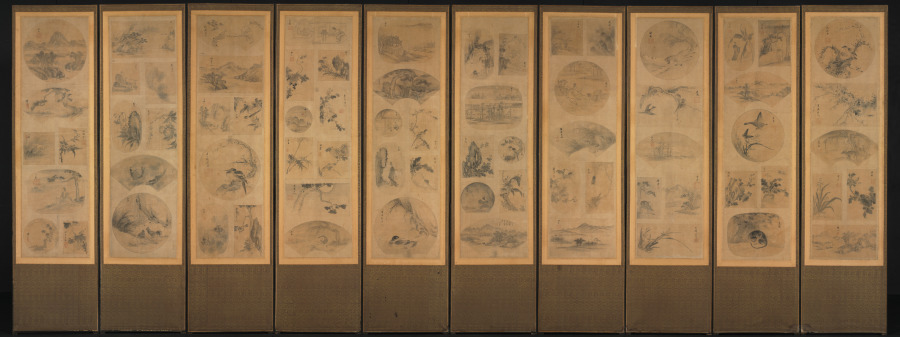 Painting of One Hundred Themes
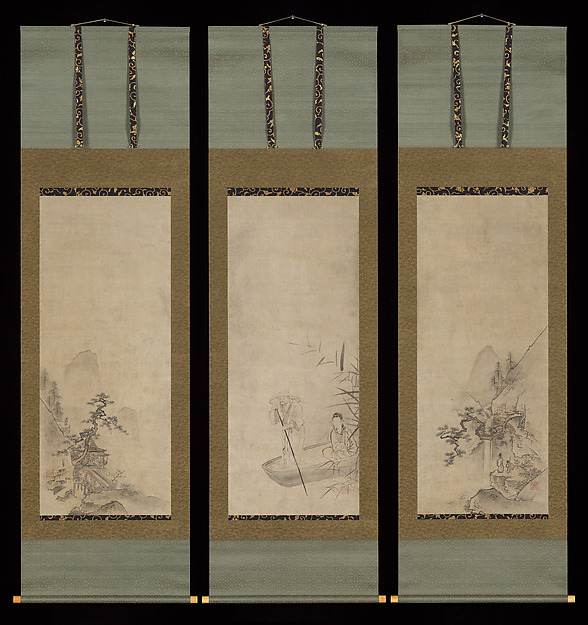 Kano Kōi