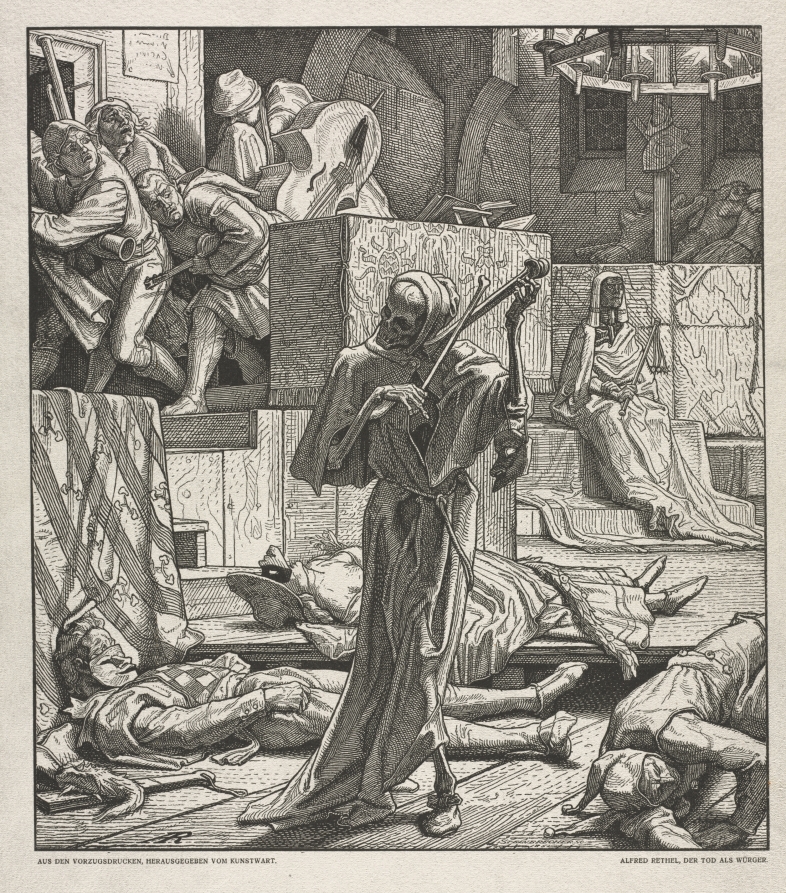
Auch ein Todtentanz, plate II
1848
Wood engraving in black on ivory wove paper
29.3 × 41.1 cm (11.5 × 16.2 in)
SEE IT IN PERSON
Not currently on view
In the collection of Art Institute of Chicago, Chicago · as of July 2026
Discussion
Be the first to share your thoughts.
Sign in to join the discussion.
More by Alfred Rethel





More like this
 Jacques Courtois — Plate 1: the departure of the armies
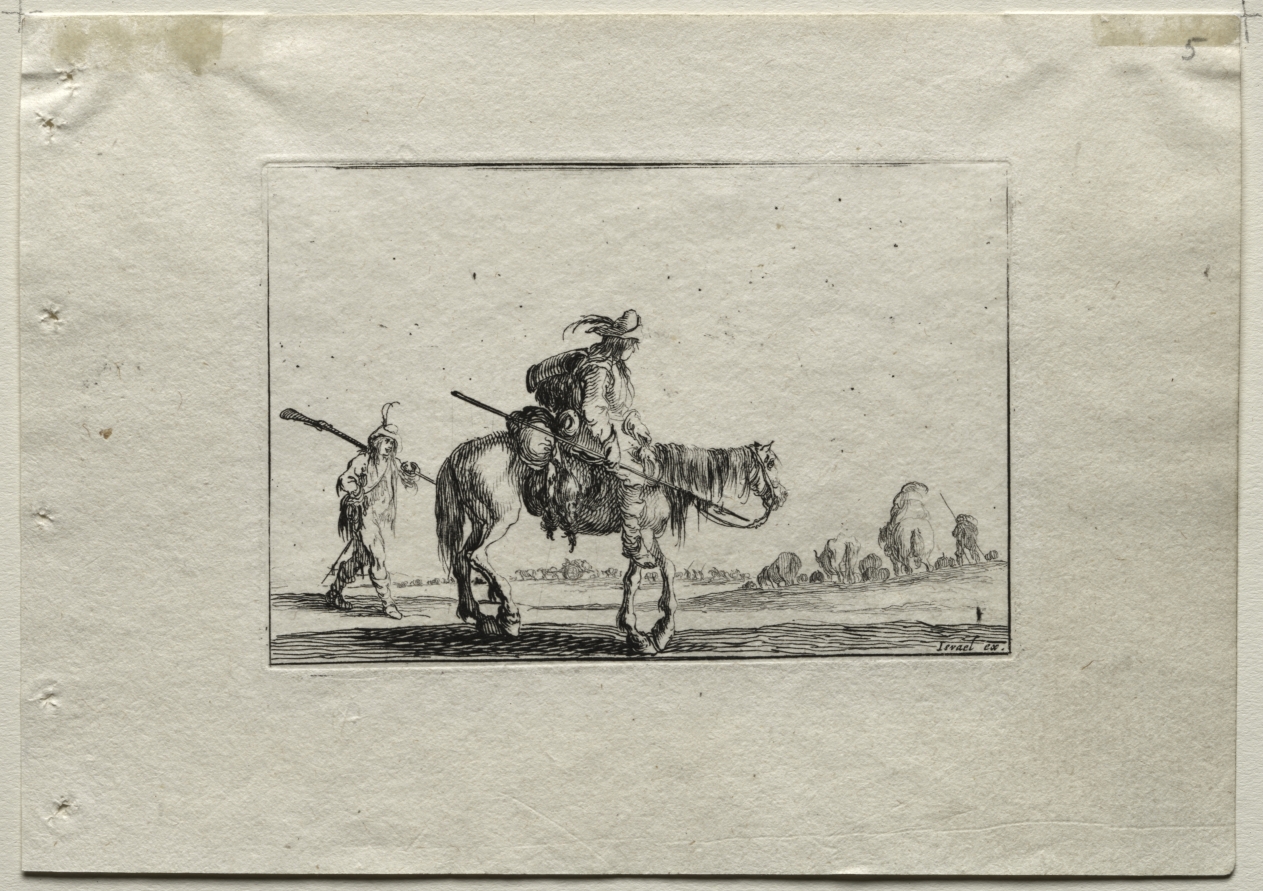 Stefano Della Bella (Italian, 1610–1664) — Caprices: Mounte
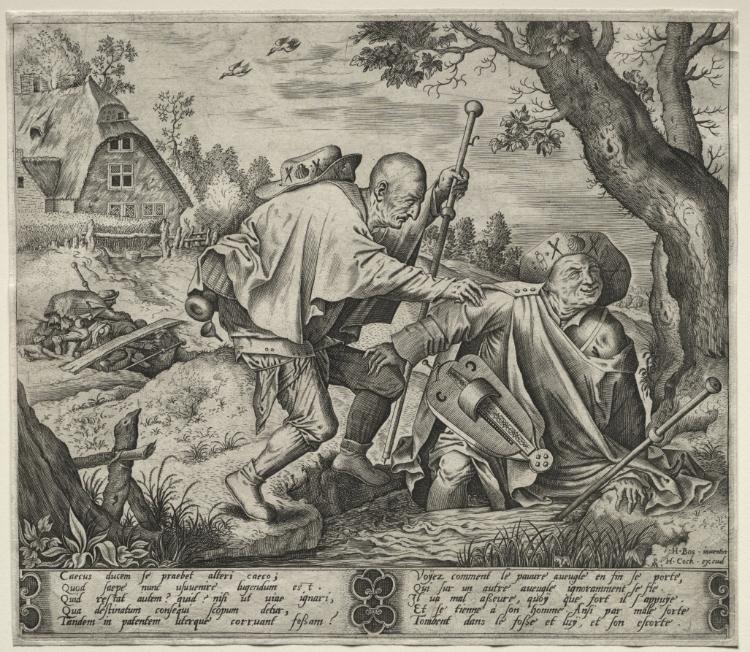 Pieter van der Heyden (Netherlandish, c. 1530–after 1572) —
  Jacques Callot — The Two Pilgrims, plate three from The Begg
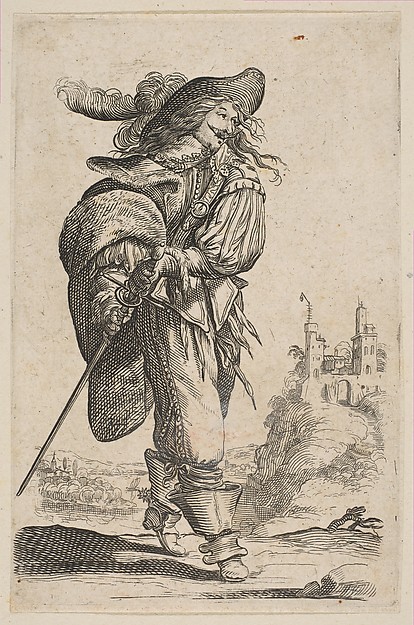 Anonymous, French, 17th century|Abraham Bosse — Gentleman Ho
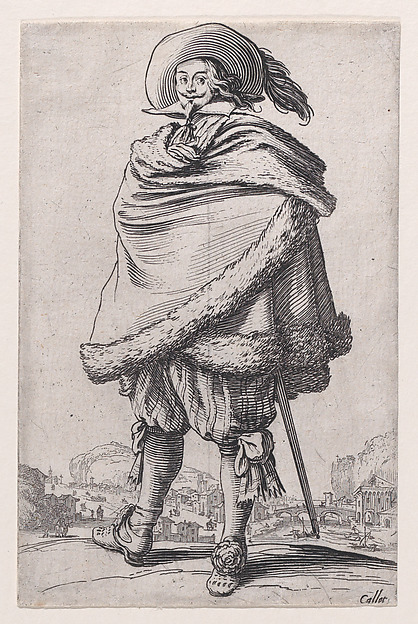 Jacques Callot — Le Gentilhomme Enroulé dans son Manteau Bor
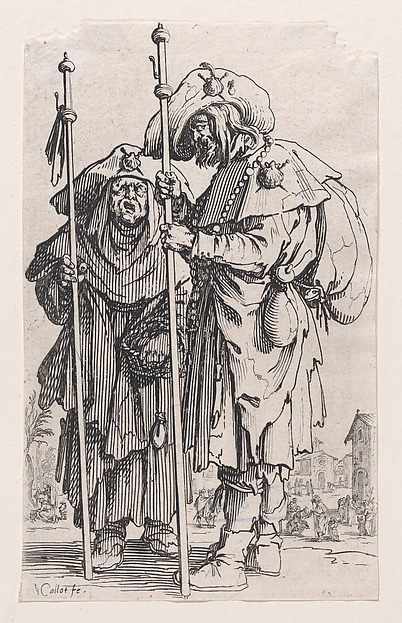 Jacques Callot — Les Deux Pélerins (The Two Pilgrims), from
 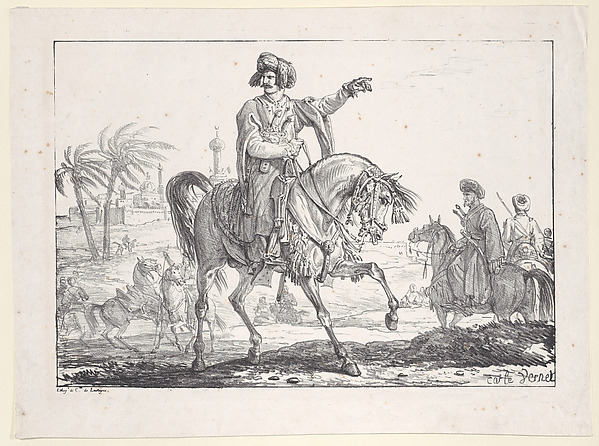 Carle (Antoine Charles Horace) Vernet — Mamluk on Horseback
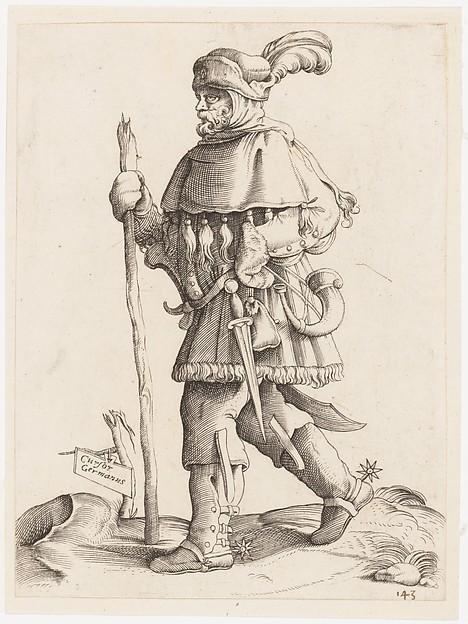 Enea Vico — Costume Plate: German Messenger
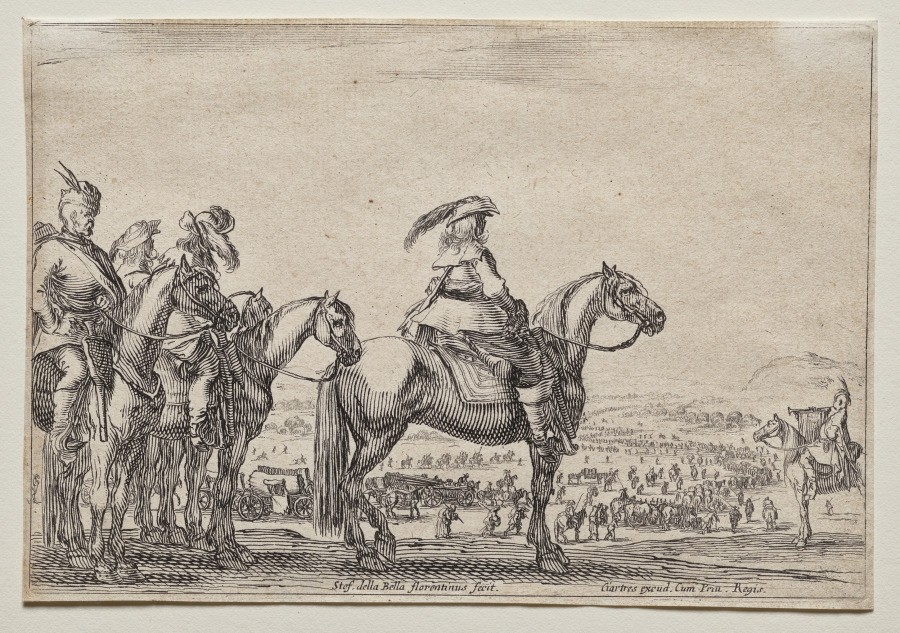 Stefano Della Bella (Italian, 1610–1664) — An Enemy on the M
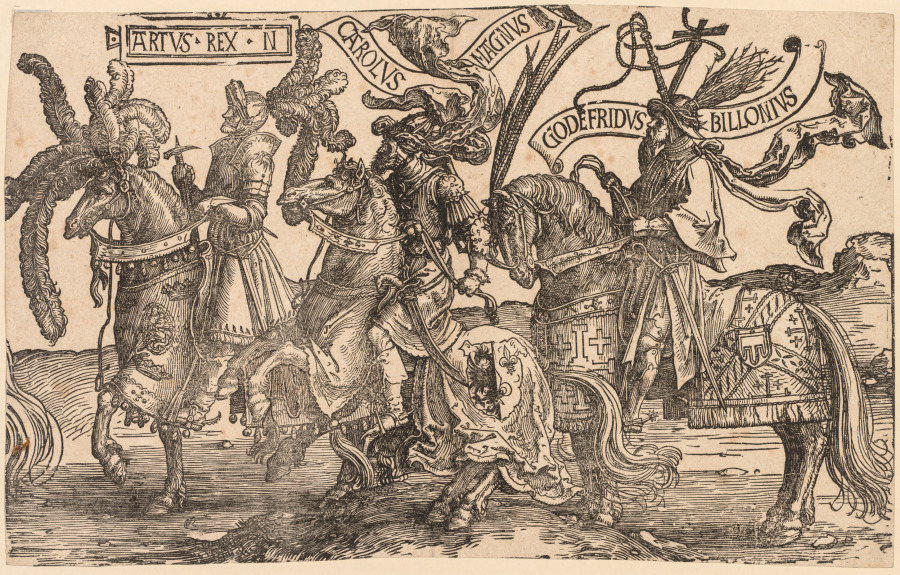 Lucas van Leyden (Netherlandish, 1494–about 1533) — The Nine
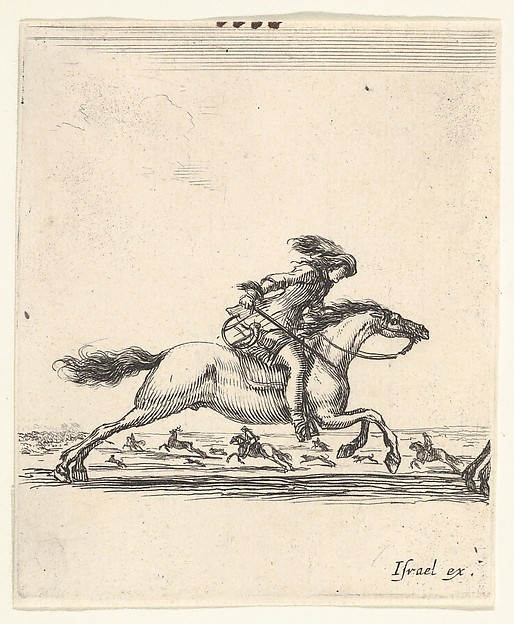 Stefano della Bella — A horseman with sword in hand gallopin