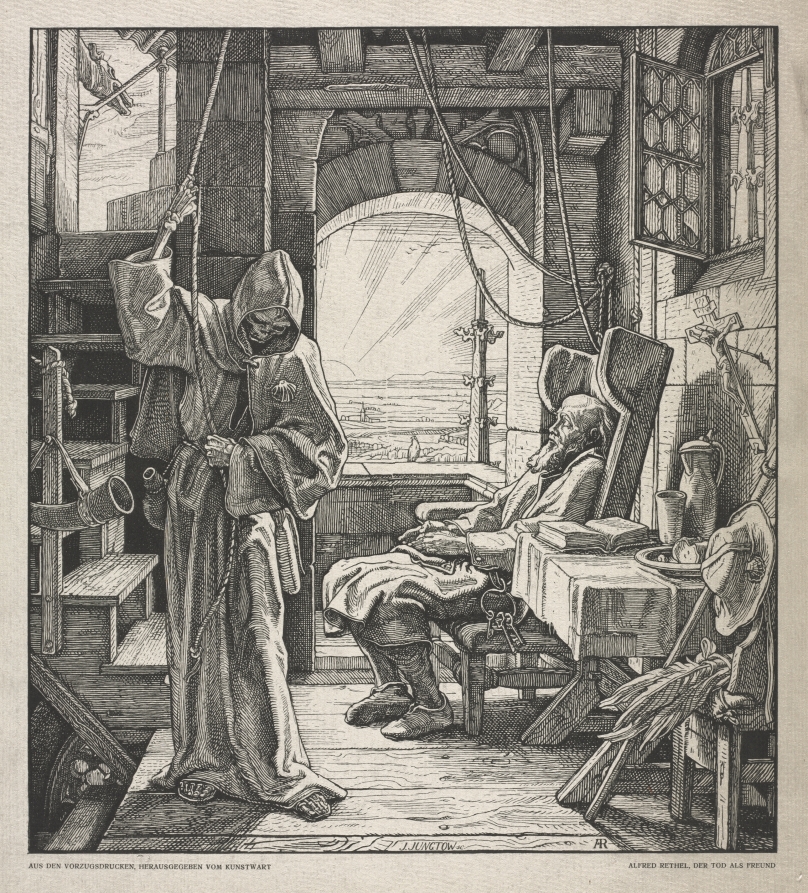
In the collection of Cleveland Museum of Art, Cleveland — check current display status with the museum.
FROM THE CLEVELAND MUSEUM OF ART’S CATALOG
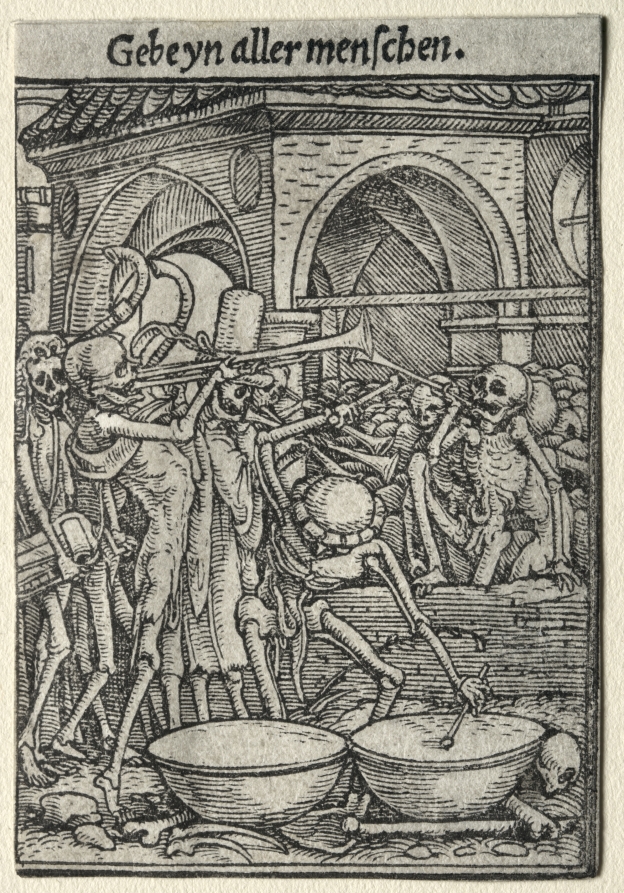
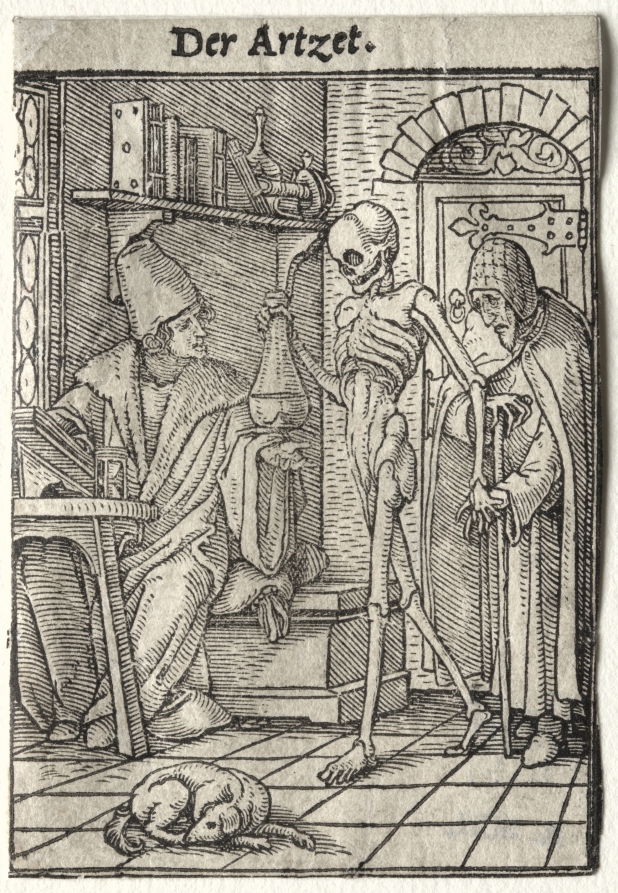
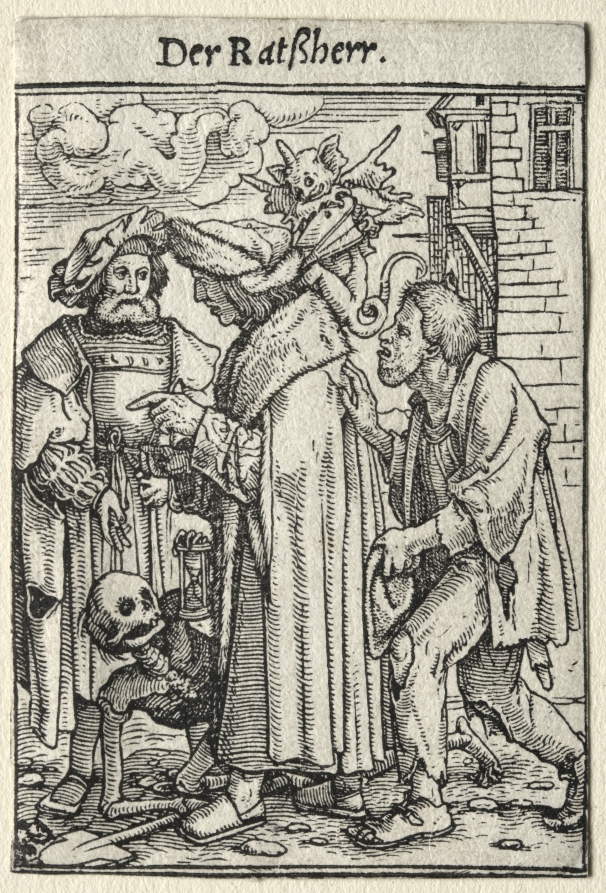
Death the Strangler refers to an event of some twenty years earlier in Paris, as the caption explains: "The first outbreak of cholera at a masked ball in Paris in 1831." Rethel was influenced by 16th-century images of death, such as Hans Holbein's Dance of Death (on view in gallery 109). Here, the artist's interpretation of death as an overwhelmingly menacing force derives from Albrecht Dürer, whose Apocalypse: The Four Horsemen (also on view in gallery 109) depicts death as a destructive power sweeping away everything in its path.
Be the first to share your thoughts.
Sign in to join the discussion.
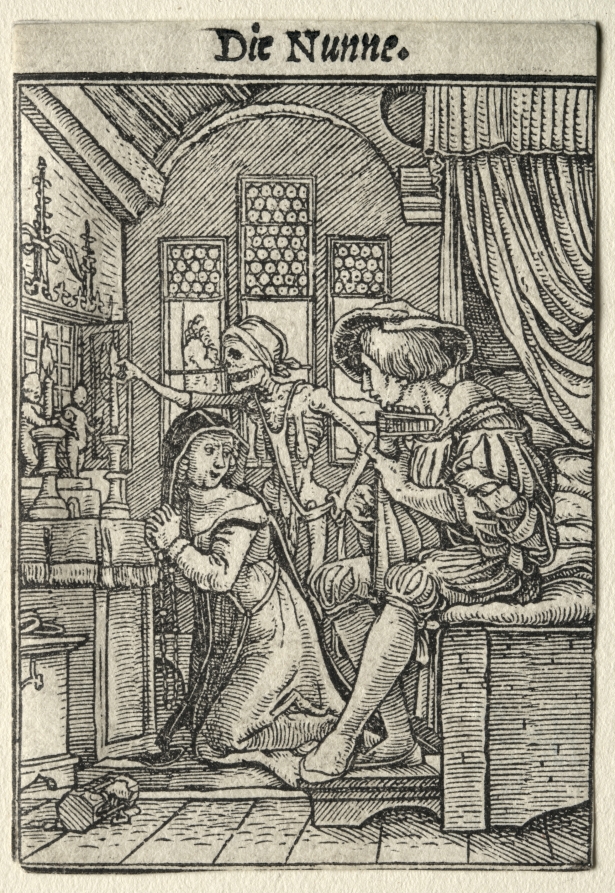 Hans Holbein the Younger (German, active England and Switzer
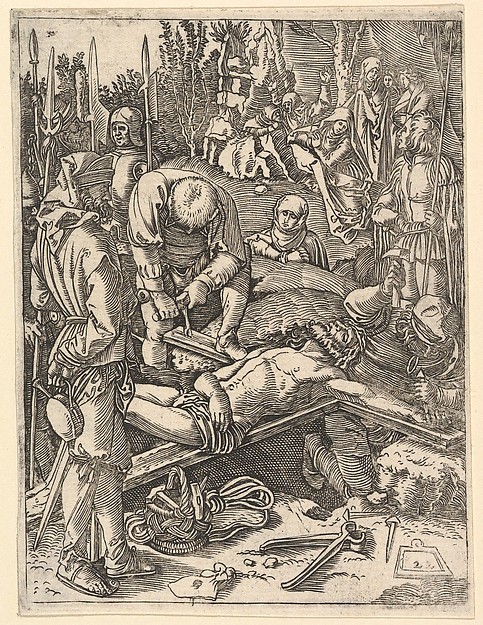 Marcantonio Raimondi|Albrecht Dürer — Two men nailing Christ
 Hans Holbein the Younger (German, active England and Switzer
 Hans Baldung (called Hans Baldung Grien) — Christ with the I
 Charles Antoine Coypel|Lamotte-Houdar|Jean de La Fontaine|Ni
 Hans Holbein the Younger (German, active England and Switzer
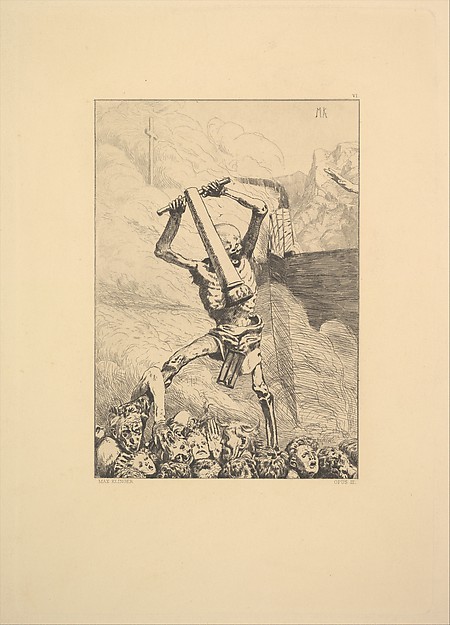 Max Klinger|Max Klinger|Wilhelm Felsing — Dritte Zukunft fro
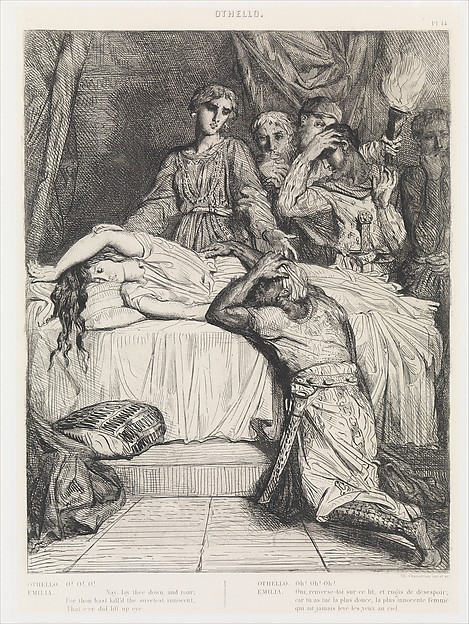 Théodore Chassériau|William Shakespeare — "Oh! Oh! Oh!": pla
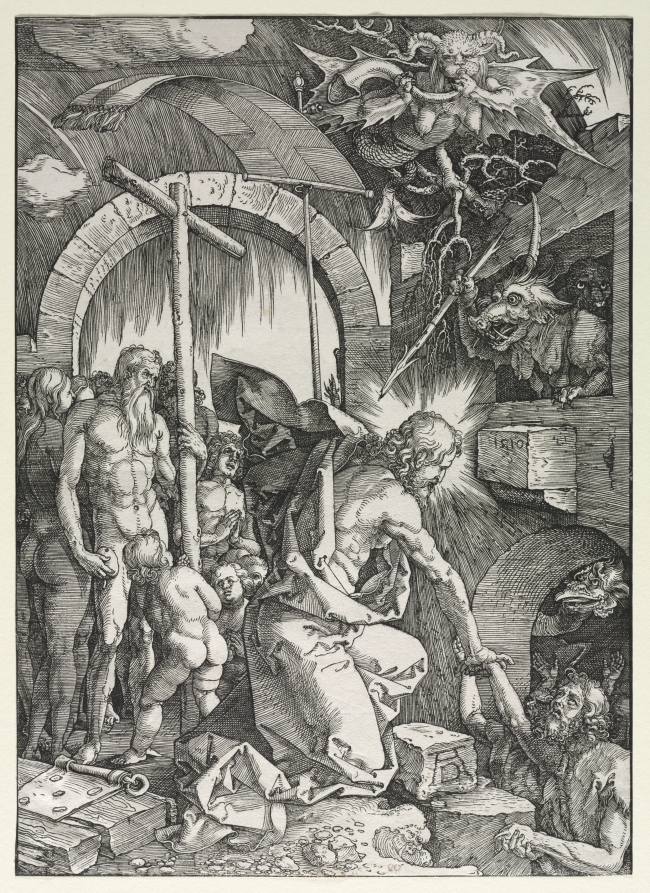 Albrecht Dürer (German, 1471–1528) — The Large Passion: Chr
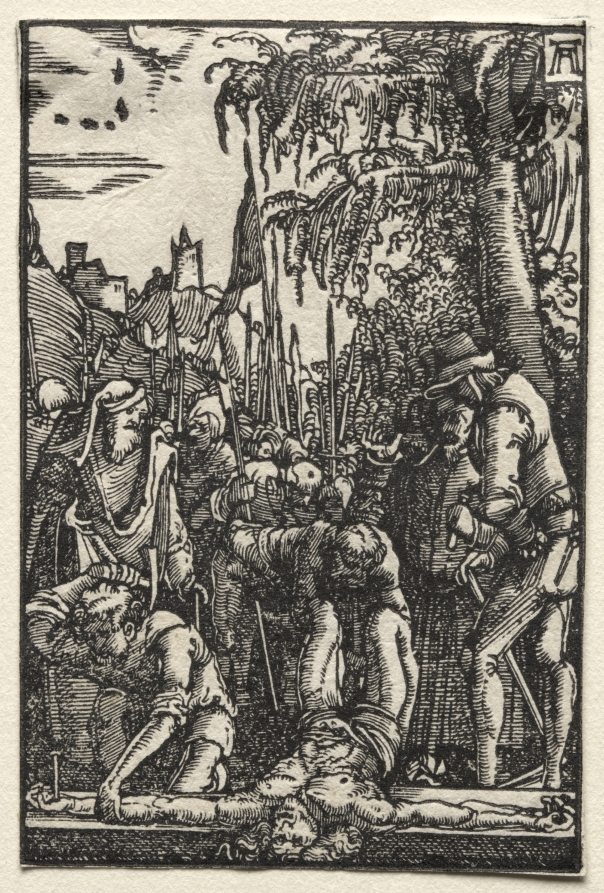 Albrecht Altdorfer (German, c. 1480–1538) — The Fall and Red
 Camden Press|Scribner and Welford|Dalziel Brothers|Sir Edwar
 Hans Holbein the Younger (German, active England and Switzer